


 English
 中文简体
中文简体
1" x 10ft Cargo Ratchet Straps With J Hook
Cat:1″Ratchet Straps
Ratchet tie-down 1000 lbs breaking strengthEASY OPERATION AND QUICK RELEASE: The coated handle features a release lever for easy operation and release...
See DetailsContent
Most cam buckle straps have a break strength ranging from roughly 200 kg to over 1,500 kg, depending on webbing width, polyester grade, and buckle material. A standard 1-inch polyester cam buckle strap with a steel buckle typically reaches a breaking strength of up to 800 kg, while the actual safe working load limit (WLL) is usually about one-third of that figure. This makes cam buckle straps well suited for light-to-medium duty cargo securing, such as kayaks, bicycles, motorcycles, furniture, and palletized goods, but not for the heaviest industrial loads, where ratchet straps or chain binders are the better choice.
The strength of any cam buckle strap comes from two components working together: the polyester webbing, which provides tensile strength, and the cam buckle mechanism, which grips the webbing tightly enough to prevent slippage under tension. Understanding how these two elements are rated separately is the key to choosing a strap that matches your actual load.
Cargo control straps are labeled with two different numbers, and confusing them is one of the most common mistakes buyers make.
This is the load at which the webbing or buckle is expected to fail in a controlled test. It represents the absolute upper limit of the strap, not a number you should ever load up to in real use.
The WLL is the maximum load the strap is rated to carry safely during normal use. Reputable manufacturers apply a safety factor of approximately 3:1, meaning the WLL is set at roughly one-third of the break strength. A strap with an 800 kg break strength will typically carry a WLL of around 260–270 kg.
| Webbing Width | Typical Break Strength | Typical Working Load Limit |
|---|---|---|
| 3/4 inch (19 mm) | 300–450 kg | 100–150 kg |
| 1 inch (25 mm) | up to 800 kg | around 260 kg |
| 1.5 inch (38 mm) | 900–1,200 kg | 300–400 kg |
| 2 inch (50 mm) | 1,200–1,500+ kg | 400–500 kg |
Always check the sewn-in label on the webbing for the exact WLL rating before loading cargo. Figures above are general industry ranges and can vary between manufacturers based on webbing denier and stitching pattern.
Four factors decide how much load a cam buckle strap can actually hold before it slips or fails.
Coated end fittings, such as vinyl- or rubber-coated S-hooks, do not add strength on their own, but they prevent corrosion and surface scratching, which helps the strap retain its rated strength over years of outdoor use.
Cam buckle straps and ratchet straps share the same webbing materials, but the tightening mechanism changes how much working load each one can realistically handle.
| Feature | Cam Buckle Strap | Ratchet Strap |
|---|---|---|
| Typical Working Load Limit | 100–500 kg | 500–2,500+ kg |
| Tensioning Method | Manual pull, spring-loaded cam | Mechanical ratchet handle |
| Best For | Kayaks, bikes, luggage, light cargo | Heavy machinery, palletized freight |
| Risk of Surface Damage | Low | Higher if over-tightened |
The cam mechanism relies on friction and spring tension rather than mechanical leverage, so it cannot generate or hold the same clamping force as a ratchet. This is a design trade-off, not a flaw: it keeps the strap lightweight, fast to use, and gentle on the cargo surface.
Matching strap strength to your cargo is straightforward once you know the working load limit you need.
A strap's printed rating only holds true if the webbing and buckle stay in good condition. Routine care extends both strength and service life.
Yes, for most standard motorcycles, provided two or more straps rated with a combined working load limit well above the bike's weight are used at the front and rear anchor points.
Both matter, but webbing width has the larger effect on raw break strength, while buckle material affects how reliably that strength is actually held under repeated use.
There is no fixed timeline; replacement should be based on visible wear, such as fraying, UV damage, or a buckle that no longer grips the webbing securely, rather than age alone.
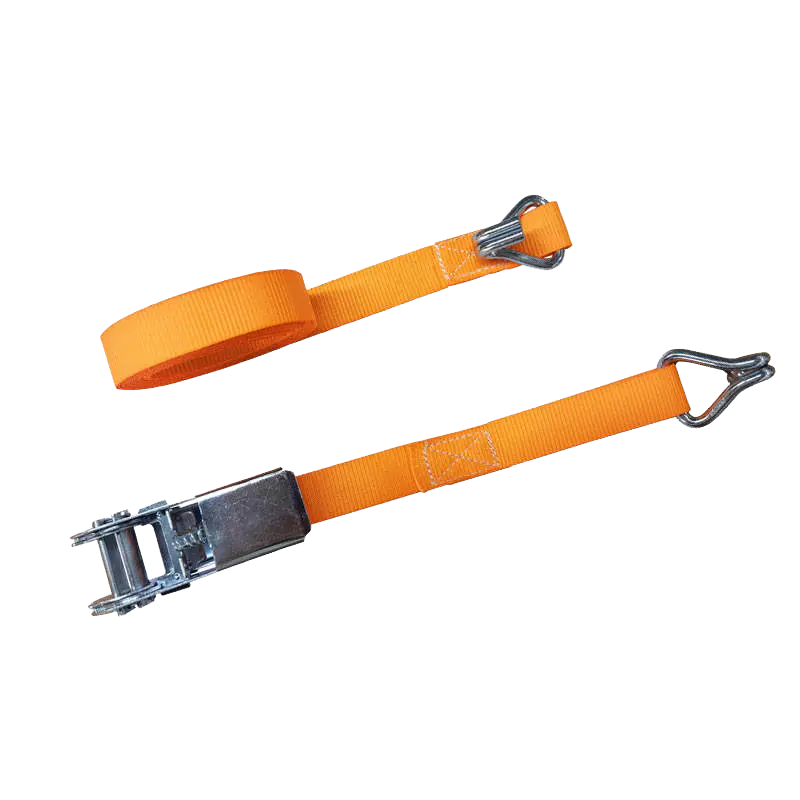
Ratchet tie-down 1000 lbs breaking strengthEASY OPERATION AND QUICK RELEASE: The coated handle features a release lever for easy operation and release...
See Details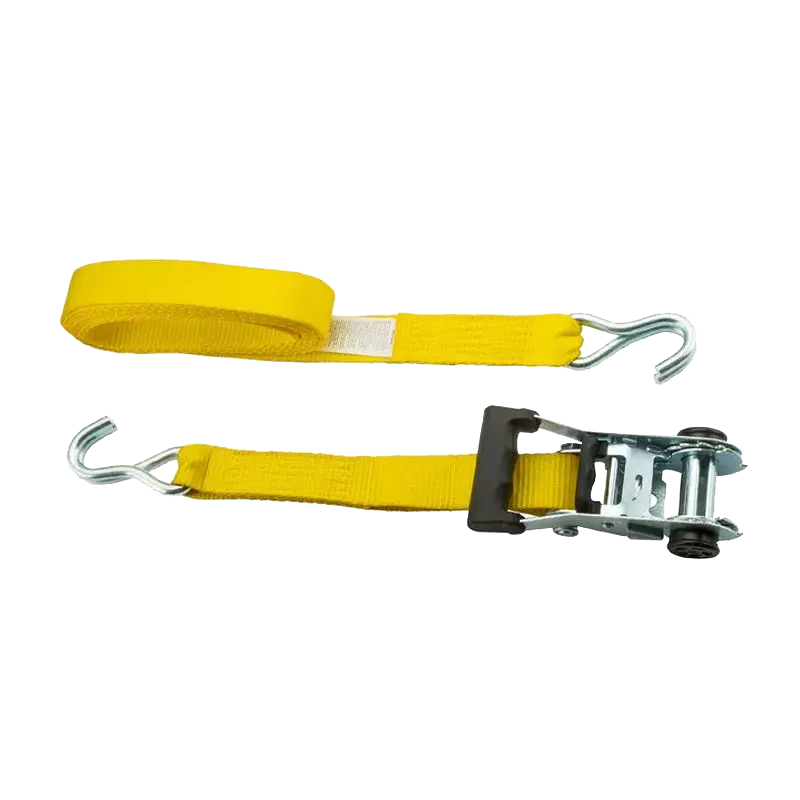
Dimensions - 1.5 inch wide x 16ft long, ratchet tie-down straps are made from industrial-grade polyesterCOATING J-HOOKS - Stay Damage-Free, Protect Yo...
See Details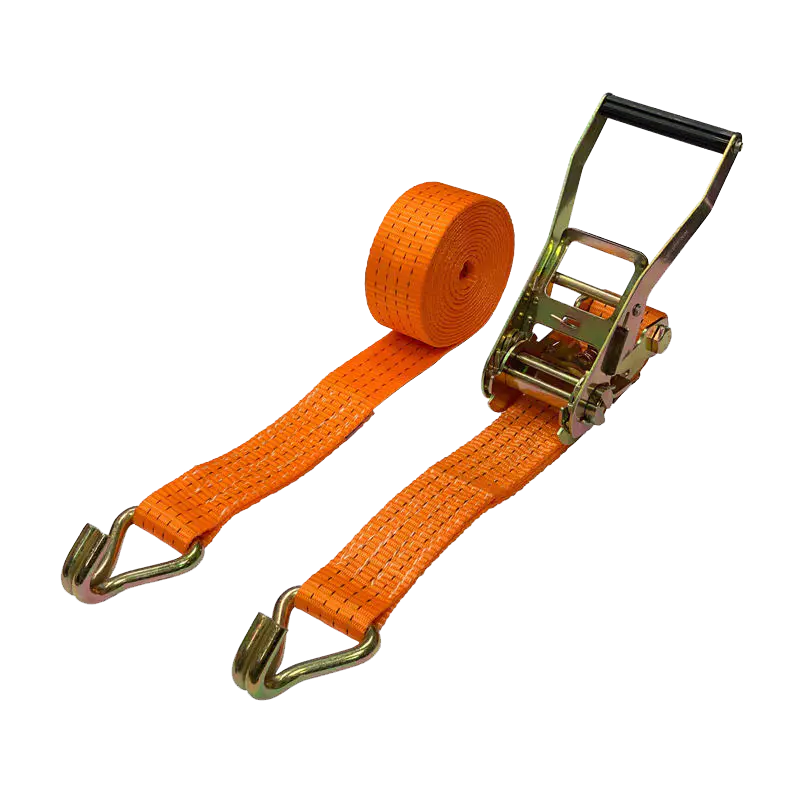
The 2" x 15' ratchet strap is a true all-rounder, adapting to a wide range of applications: Secure cargo in a truck bed: Keep your belongings safely i...
See Details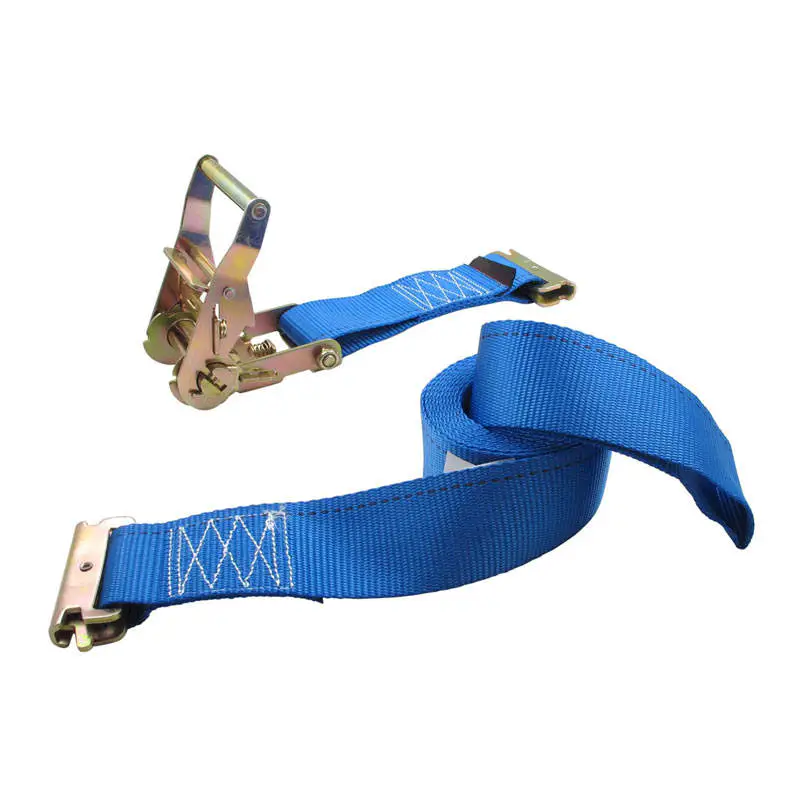
The ingenious E Track fitting design makes attaching and detaching the strap a breeze. Simply slide the E Track fitting into the E Track rail, engage ...
See Details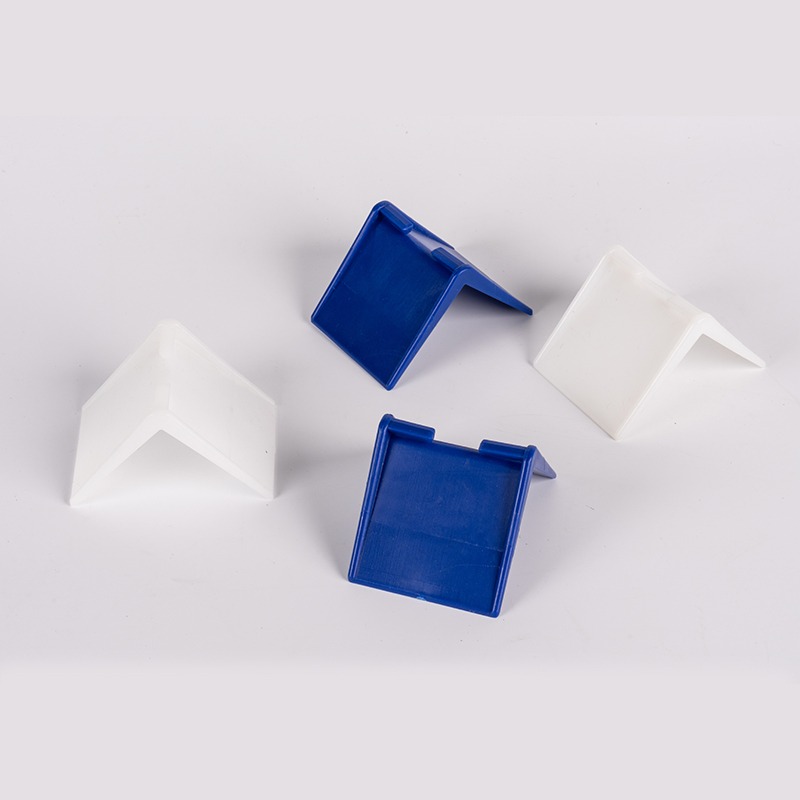
This vee board corner protector is an easy way to protect cargo from damage during transport and secure your straps in place. The high-density polyeth...
See Details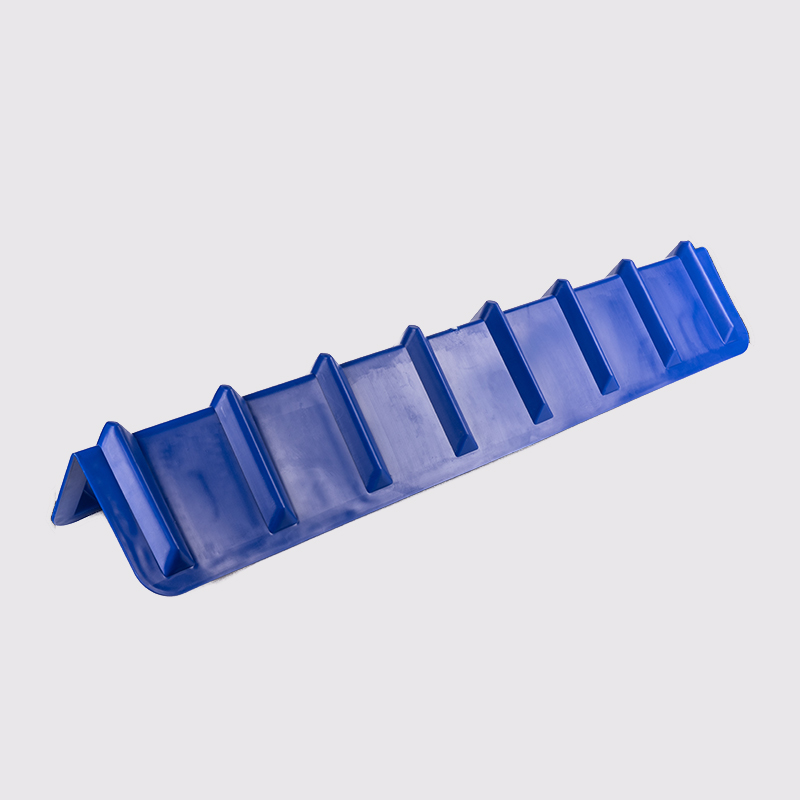
The 48-inch plastic corner guards offer strong resistance to impact and abrasion, protecting your cargo from potential damage in the shipping environm...
See Details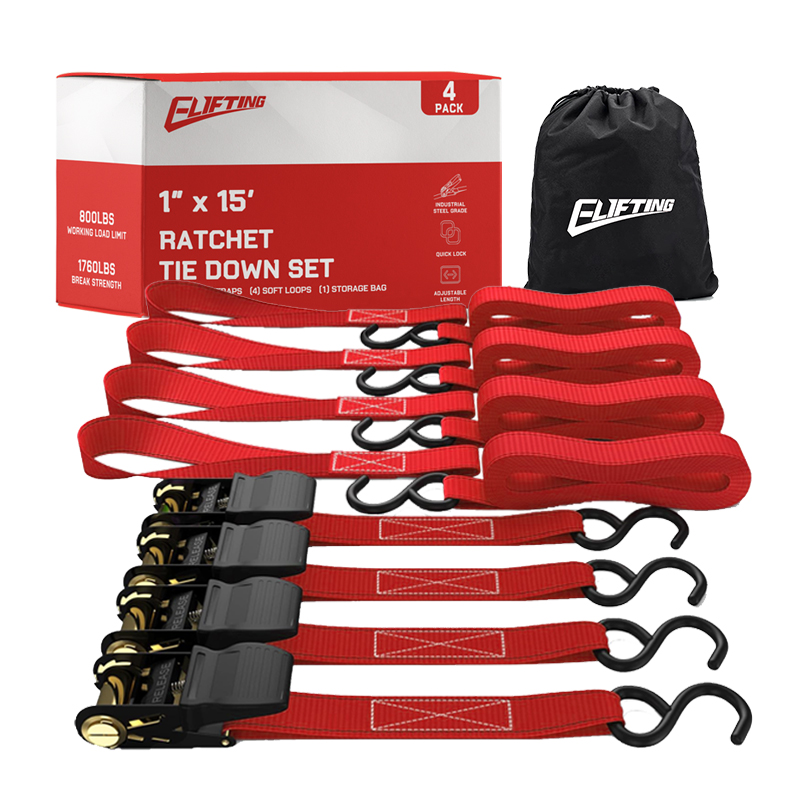
High Strength: Made from durable materials to ensure reliable securing force, suitable for binding and securing various heavy loads. Easy Operation:...
See Details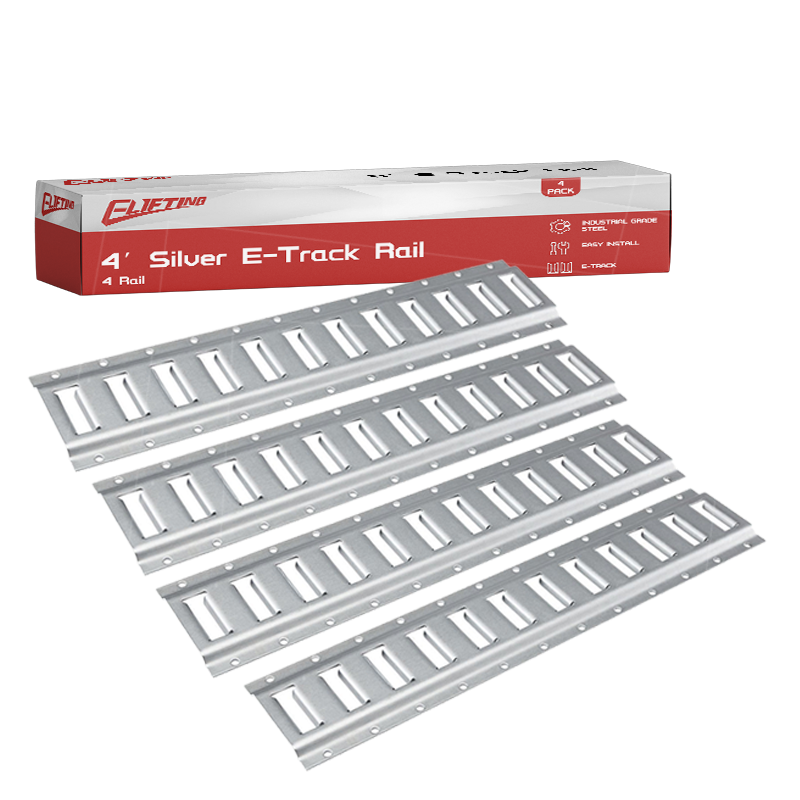
E-Track Rails is a rail system for securing cargo. It consists of a series of aluminum alloy or steel rails with slots, and with different accessories...
See Details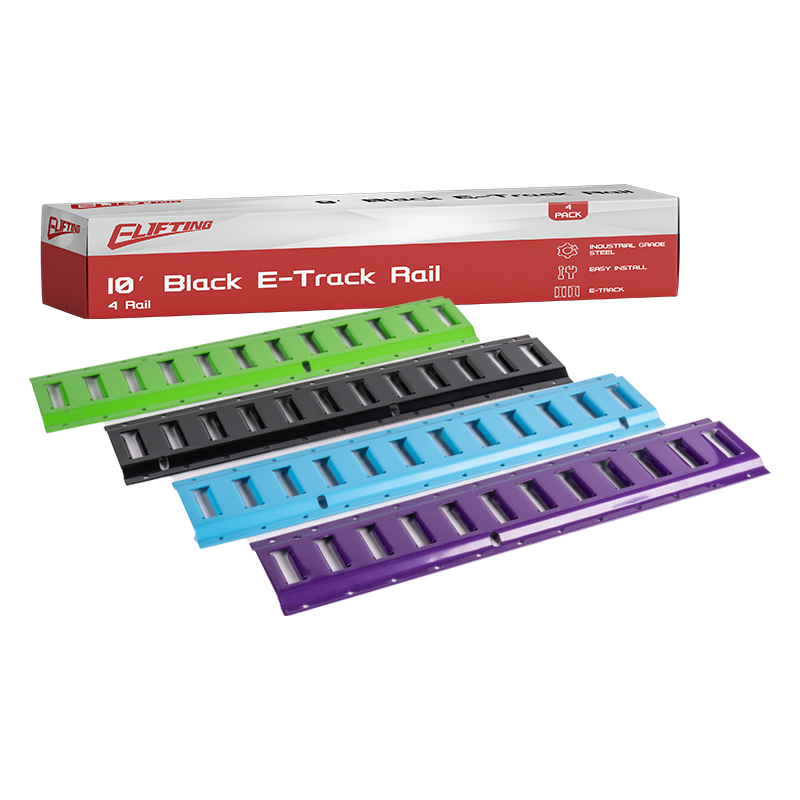
E-Track Rails is a rail system for securing cargo. It consists of a series of aluminum alloy or steel rails with slots, and with different accessories...
See Details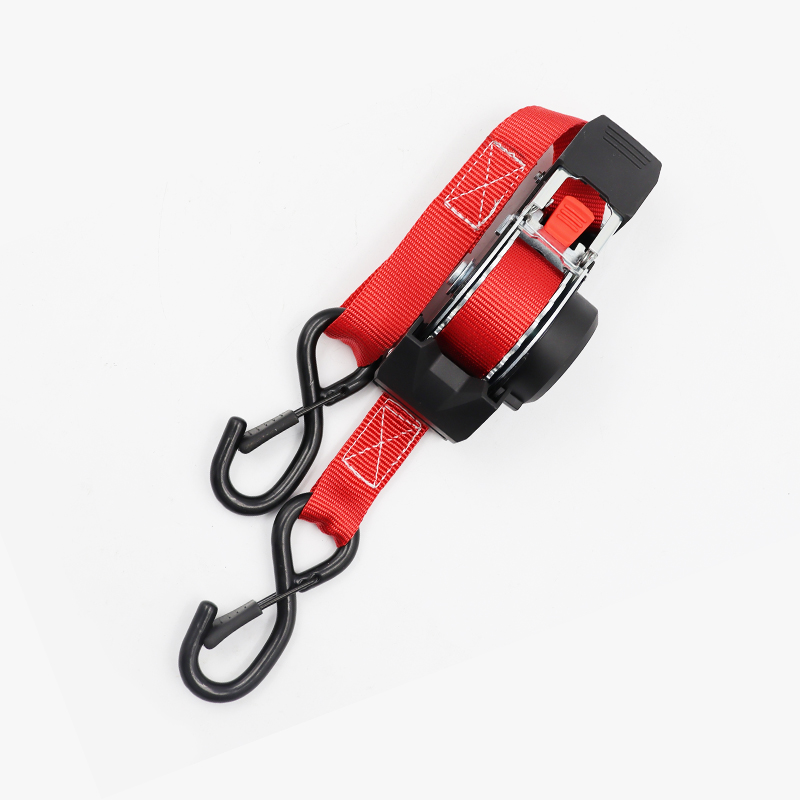
SAFER CONTROLLED RETRACTION - PREVENTS SNAP-BACK: Introducing our enhanced safety design! These retractable ratchet straps feature a built-in speed r...
See Details
Shangcheng Village, Tangxi Town, Ningbo, Zhejiang, China
+86 139 5782 7340
