


 English
 中文简体
中文简体
1" X 20" Ratchet Tie Down With S hook
Cat:1″Ratchet Straps
Crafted from high-grade polyester webbing and robust steel or plastic ratchet buckles, our 1" x 20' ratchet strap can withstand even the demanding tas...
See DetailsQuick Answer
To avoid damage when using a tie down straps set on fragile cargo, always place protective padding at every strap-to-surface contact point, choose the correct strap type for the load weight, tighten gradually rather than to maximum tension, and route straps around structural edges rather than across flat, delicate surfaces. A ratchet tie down straps set offers precise tension control for heavier fragile goods, while cam buckle straps suit lighter, more sensitive items. Applying these practices consistently eliminates the majority of in-transit contact damage.
Content
Research from freight and logistics associations consistently shows that improper load securing accounts for over 40% of reported in-transit cargo damage. For fragile items — glass panels, electronics, ceramics, antique furniture, and artwork — the risks are compounded because these goods have low tolerance for concentrated pressure, vibration, and surface abrasion.
Even a high-quality heavy duty tie down straps set, misapplied, can crack a surface, dent a panel, or cause micro-fractures that only become visible days after delivery. Understanding the three core failure modes helps you prevent each one.
Narrow webbing focuses tension into a thin line across the cargo surface, creating localized pressure spikes that crack ceramics, scratch lacquer, or indent soft metals — even at moderate strap tension.
Low-level road vibration repeated across long hauls causes progressive micro-fracturing in glass and ceramic at strap contact points — especially when straps allow any relative movement between cargo and webbing.
Ratchet mechanisms are powerful enough to exceed the compressive tolerance of hollow, thin-walled, or brittle items. A few extra handle strokes beyond snug tension is a common cause of crush damage on packaged goods.
Strap selection is the foundation of damage-free transport. The mechanism type determines how much tension you can apply and how precisely you can control it. Matching strap type to cargo weight and surface sensitivity is essential before any other technique is applied.
| Strap Type | Best Application | Tension Control | Fragile Suitability |
|---|---|---|---|
| Cam Buckle Strap | Light items up to ~330 lbs | Hand-tension only — very gentle | Excellent |
| Ratchet Tie Down | Heavier fragile goods — furniture, appliances | Precise incremental tightening | Good with care |
| Soft Loop / E-Track | Motorcycles, painted surfaces, bikes | Wide contact area, low pressure | Excellent |
| Flat Hook Webbing | Flat-bed trailers, anchor rail systems | Moderate | Depends on padding used |
For most fragile cargo scenarios, choosing an adjustable cargo tie down straps kit that includes both ratchet and cam buckle options gives you the flexibility to match tension to each specific item. Look for sets with clearly rated working load limits (WLL) printed on the webbing — a minimum of 500 lbs WLL for cam buckle variants and 1,667–3,333 lbs WLL for ratchet straps is the standard range for general cargo use.
Correct technique prevents the vast majority of contact damage. Follow this sequence every time you secure breakable cargo, regardless of strap type.
Primary Causes of Fragile Cargo Damage in Transit (%)
Padding transforms a potentially damaging heavy duty tie down straps application into a safe, controlled securing solution. The right material depends on the surface type, cargo weight, and transport duration.
Splits lengthwise and wraps cleanly around strap edges. Excellent for hard corners on wooden furniture, glass frames, and tile. Low cost and highly effective at distributing pressure.
Clip directly onto edges and corners of panels, tabletops, and shelving. Provide both impact and abrasion protection while keeping straps in a fixed position during transit.
Cover the entire cargo surface before strapping. Ideal for painted or polished surfaces such as vehicle body panels, antique cabinets, and large mirrors where abrasion risk is highest.
Placed beneath cargo on the truck bed or trailer floor, these prevent the item from sliding even if strap tension relaxes slightly over a long journey — a critical secondary protection layer.
Pro tip: For outdoor or open-trailer transport, consider a waterproof tie down straps set combined with water-resistant cargo covers. Road spray and rain exposure can cause webbing to stretch unevenly, increasing pressure variability at contact points — a concern that is especially relevant on multi-day hauls.
Even experienced haulers make these errors. Each one dramatically increases the risk of damage to fragile shipments.
A single strap creates a pivot point that allows the cargo to rock. Minimum four-point securing distributes force evenly and eliminates rotational movement — the leading cause of edge chipping and corner cracking on glass and ceramic items.
Routing webbing directly over unprotected box corners concentrates all strap tension into a single line across the thinnest part of the packaging. This compresses and eventually cuts through cardboard, transferring load directly to the product inside.
Straps work most efficiently when running as close to horizontal as possible — ideally between 30° and 60° from the horizontal plane. Steep angles reduce effective hold-down force and shift tension toward lateral pulling, which can tip or tilt tall, narrow cargo during cornering.
Wet webbing can stretch more than dry webbing, causing tension loss mid-journey. Frayed or UV-degraded straps may fail suddenly, allowing cargo to shift violently. For outdoor transport, a waterproof tie down straps set with treated polyester webbing maintains consistent tension in wet conditions and resists UV breakdown significantly longer than untreated alternatives.
Transport industry data shows a measurable improvement in cargo integrity outcomes as securing technique improves. The chart below illustrates how damage incidence decreases as users move from basic strapping to fully padded, multi-point adjustable cargo tie down straps systems.
Estimated Cargo Damage Rate by Securing Method (%)
Open-trailer and flatbed transport expose straps and cargo to rain, road spray, and UV radiation. Standard polyester webbing performs reliably under most conditions, but for extended outdoor transport — particularly in coastal or high-humidity environments — a waterproof tie down straps set with coated or treated webbing offers measurable advantages.
Our Tie Down Straps Set is a versatile, high-strength solution designed for transporting and securing a wide range of cargo — from household furniture and motorcycles to bicycles and commercial goods on trucks and trailers. Every strap in the set is engineered to keep items stable and protected throughout the entire journey, regardless of distance or road conditions.
Ningbo Easy Lifting Auto Accessories Co., Ltd. is a professional lashing equipment manufacturer based in China. We specialize in stainless steel center buckles, ratchet tie-down series, cam buckles, hooks, and webbing slings — all developed with a commitment to improving safety and reliability in the cargo control industry.
As a trusted OEM Tie Down Straps Set Manufacturer and Factory, our facility operates under the supervision of a dedicated engineering team that inspects every stage of production. Our lashing equipment fully complies with GS and EC international standards, and we offer complete customization to meet the specific requirements of buyers worldwide.
With a philosophy of continuous improvement and a dedicated export department fully familiar with global shipping and documentation requirements, EasyLifting products are available for direct purchase from any country — serving clients across Europe, Southeast Asia, the Middle East, South America, Oceania, and beyond.
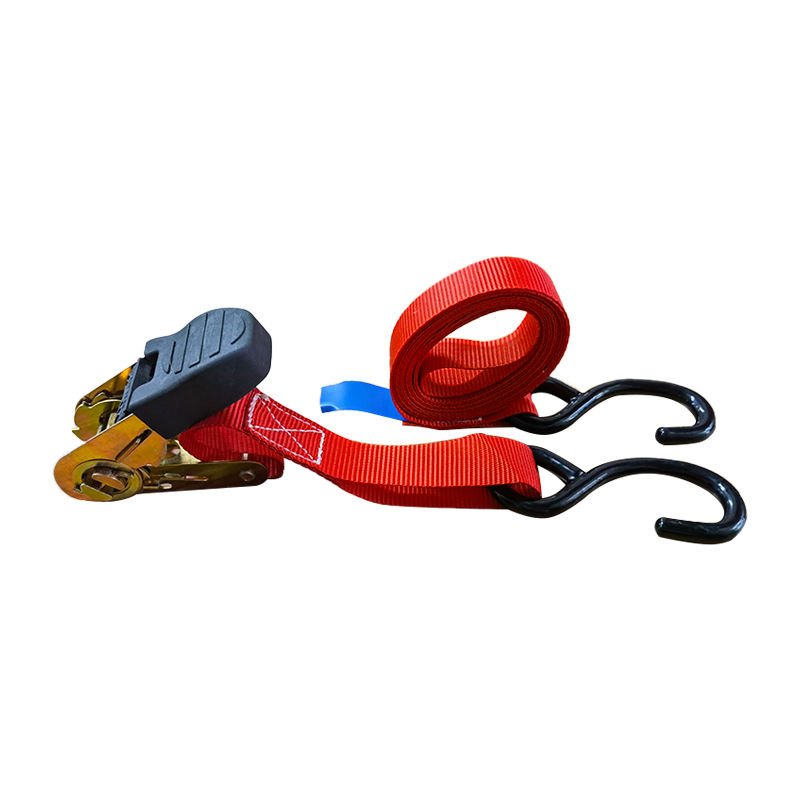
Crafted from high-grade polyester webbing and robust steel or plastic ratchet buckles, our 1" x 20' ratchet strap can withstand even the demanding tas...
See Details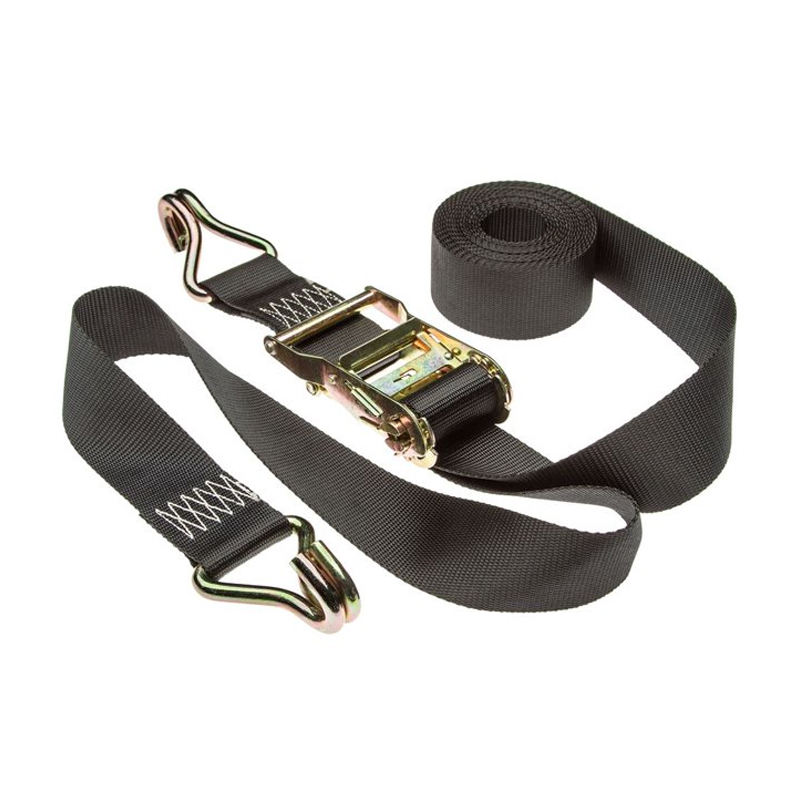
Crafted from high-tensile polyester webbing and robust steel or plastic ratchet buckles, our 1.5" x 8' ratchet strap is engineered to withstand the ri...
See Details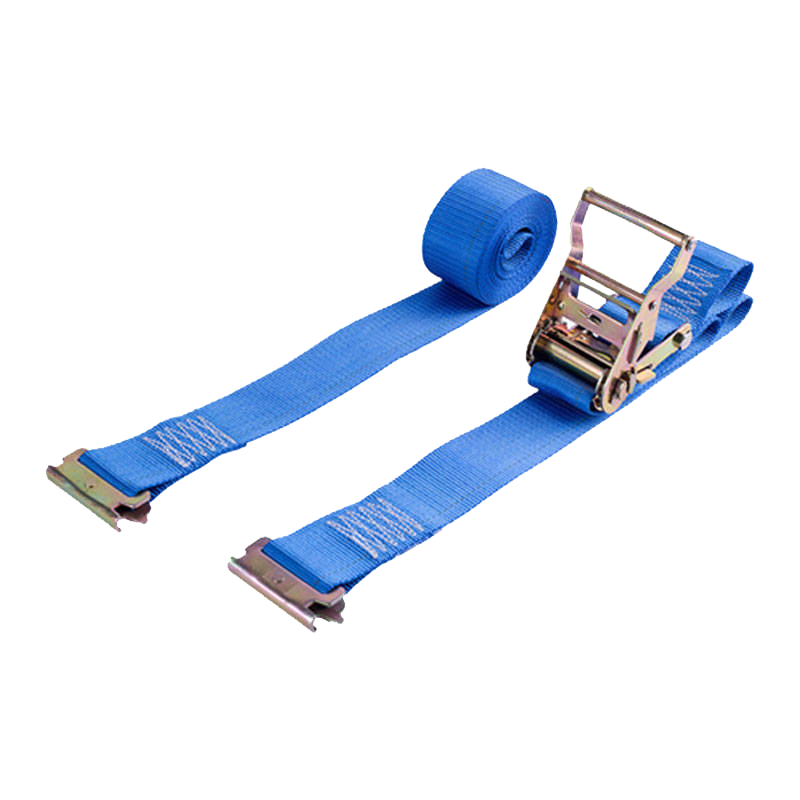
E Track Ratcheting Straps have a breaking strength of 4400 lbs. and a working load limit of 1460 lbs. and are equipped with high quality E track sprin...
See Details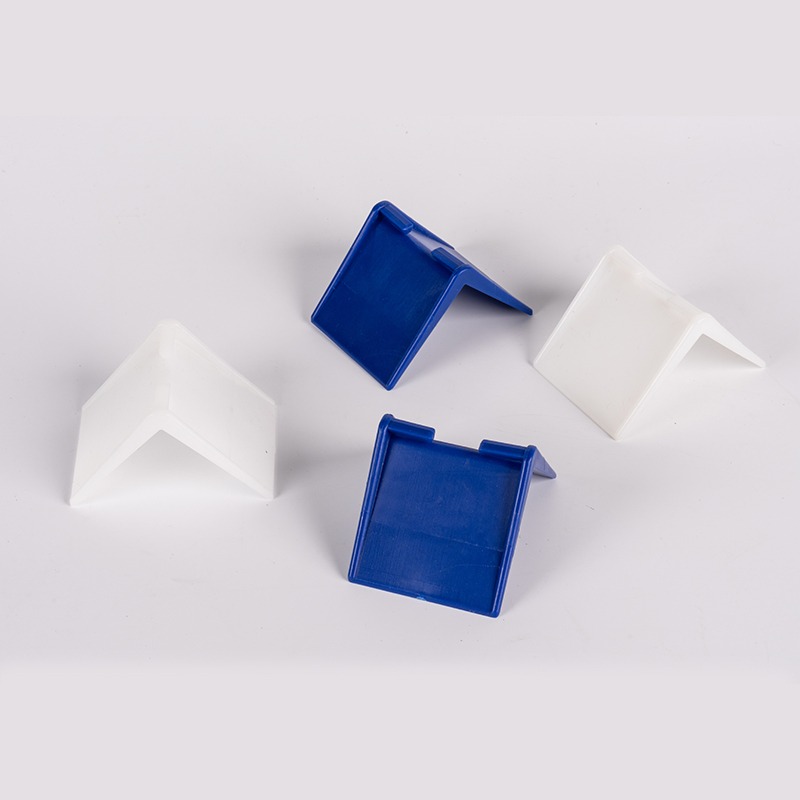
This vee board corner protector is an easy way to protect cargo from damage during transport and secure your straps in place. The high-density polyeth...
See Details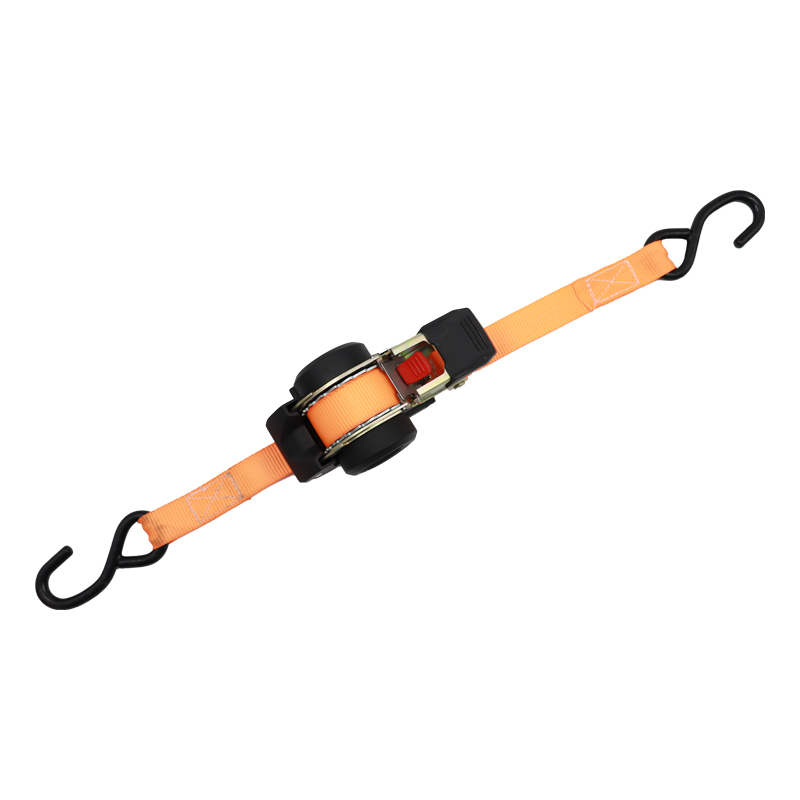
■ Instant automatic retractable strap - Easily retract excess strap length with the click of a button ■ Safety - With cushioning function, the strap ...
See Details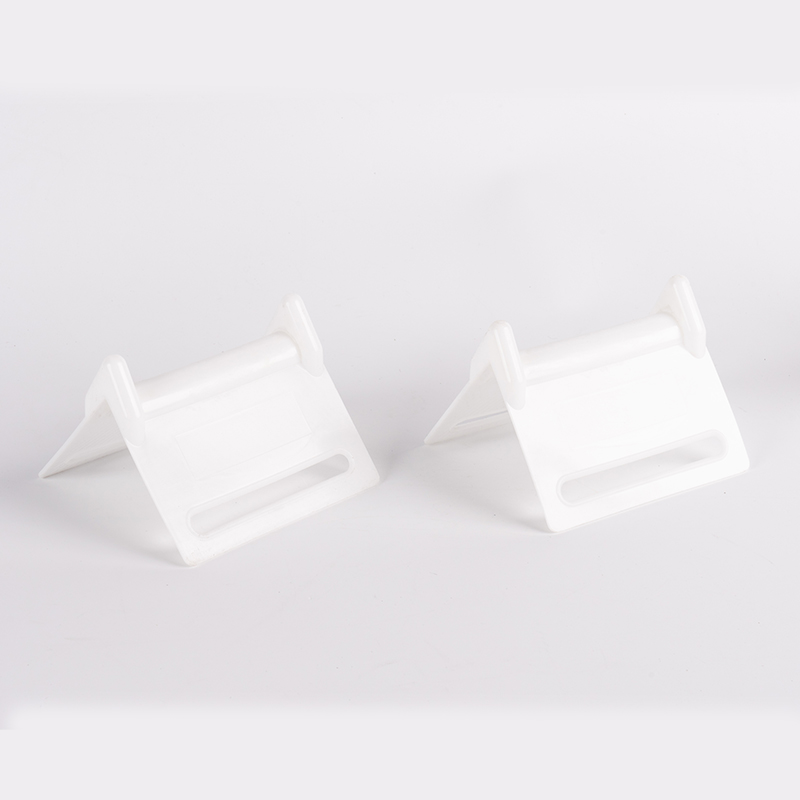
Made from high-quality plastic, our corner protectors protect against damage caused by straps and straps and are resistant to wear, tear and deformati...
See Details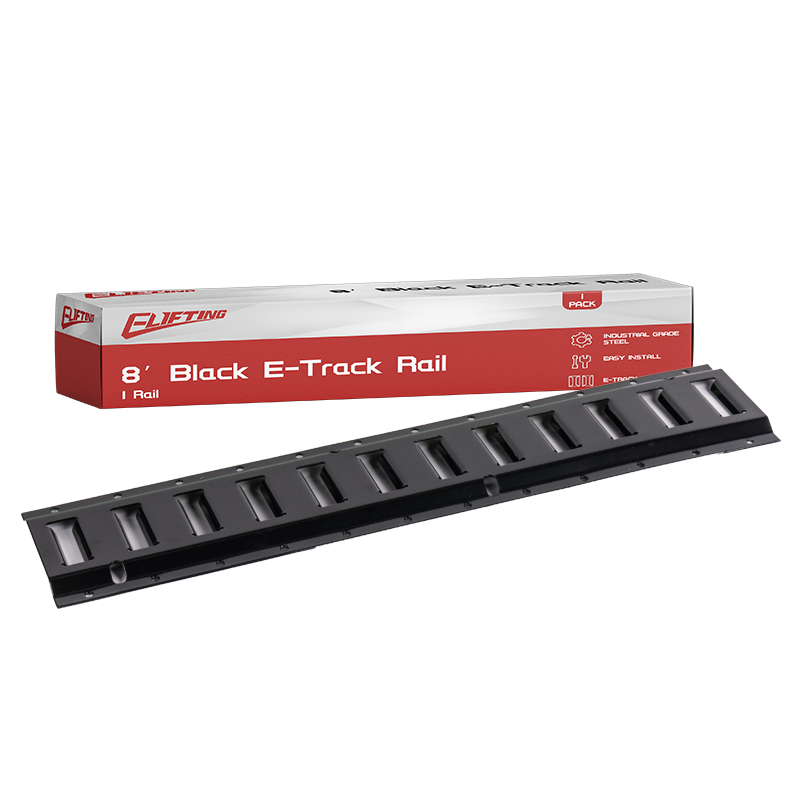
E-Track Rails is a rail system for securing cargo. It consists of a series of aluminum alloy or steel rails with slots, and with different accessories...
See Details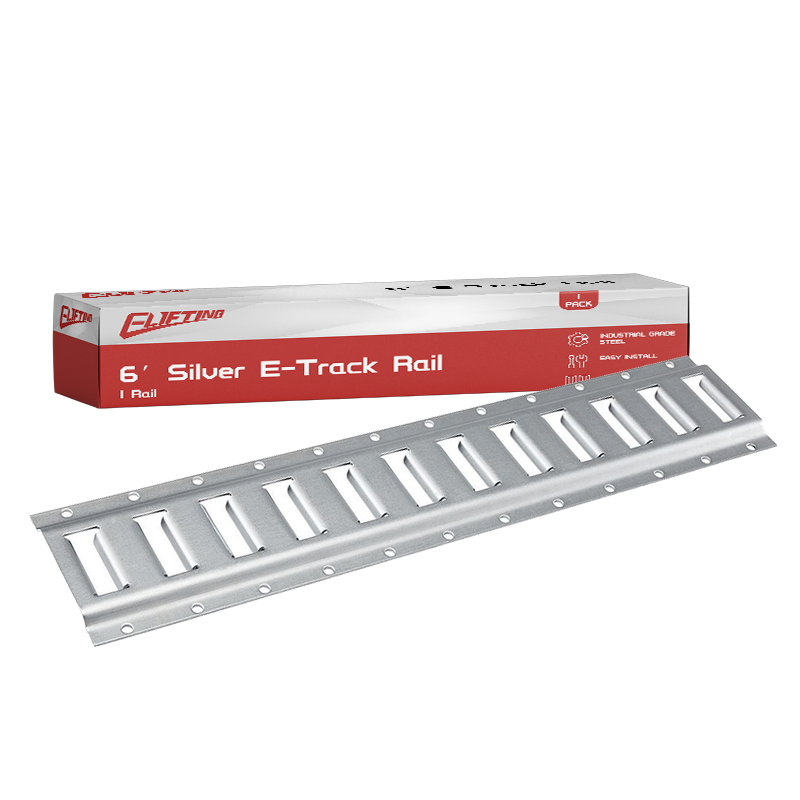
E-Track Rails is a rail system for securing cargo. It consists of a series of aluminum alloy or steel rails with slots, and with different accessories...
See Details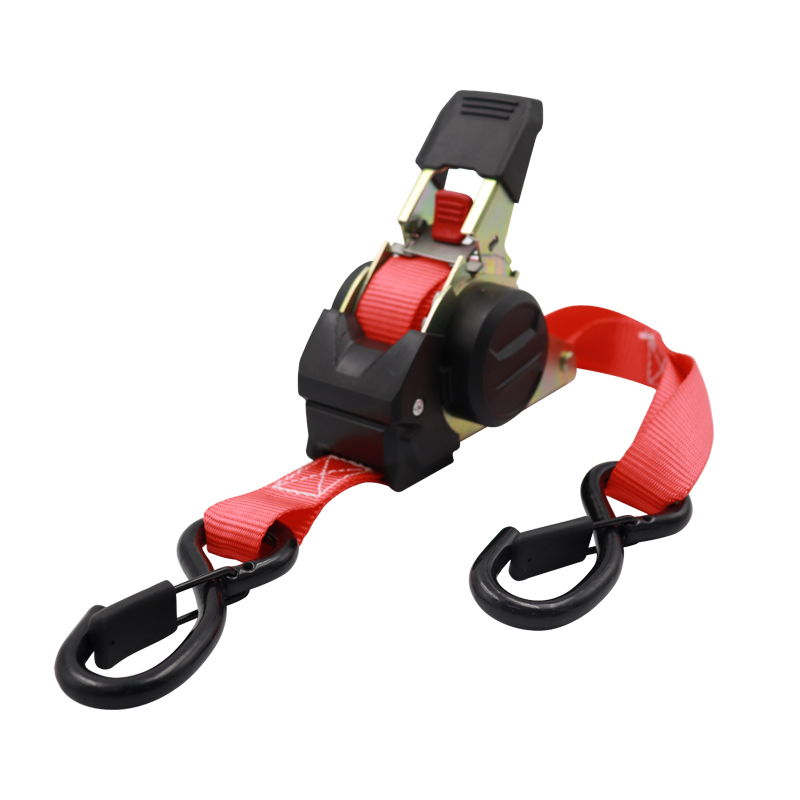
■ Instant automatic retractable strap - Easily retract excess strap length with the click of a button ■ Safety - With cushioning function, the strap ...
See Details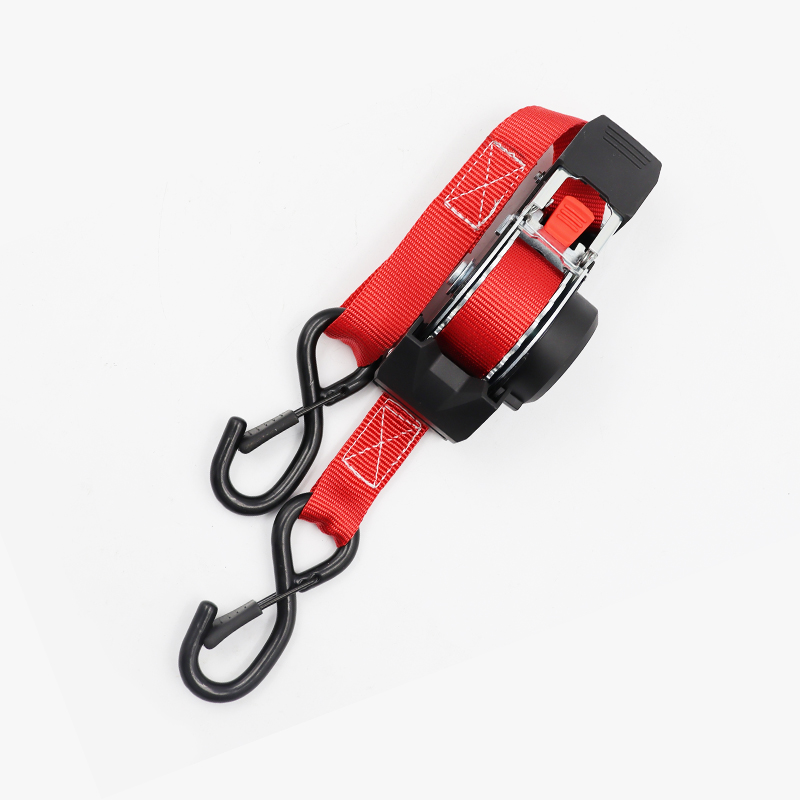
SAFER CONTROLLED RETRACTION - PREVENTS SNAP-BACK: Introducing our enhanced safety design! These retractable ratchet straps feature a built-in speed r...
See Details
Shangcheng Village, Tangxi Town, Ningbo, Zhejiang, China
+86 139 5782 7340
