


 English
 中文简体
中文简体
1.5" X 16" Cargo Straps With Heavey Duty
Cat:1.5 Inch Ratchet Straps
Dimensions - 1.5 inch wide x 16ft long, ratchet tie-down straps are made from industrial-grade polyesterCOATING J-HOOKS - Stay Damage-Free, Protect Yo...
See DetailsThe direct answer: if your cargo tie down straps show any visible webbing damage, corrosion on the ratchet mechanism, reduced working load capacity, chemical exposure history, or are over three years old under regular use, they should be replaced immediately. Using degraded heavy duty cargo straps is not just an equipment risk — it is a serious road safety and legal liability issue. Transport industry data consistently shows that load securement failures are among the leading causes of highway cargo incidents, with strap failure cited in an estimated 27% of investigated cargo loss events.
This guide walks through each of the five key replacement indicators in practical detail, backed by industry data, and explains the inspection protocols that fleet operators, logistics professionals, and individual users of ratchet tie down straps sets and trailer tie down straps should apply before every load.
Content
The webbing of a polyester tie down strap is its primary load-bearing element. Any visible damage to the webbing fiber structure directly reduces the strap's working load limit (WLL) and break strength. Studies on polyester webbing degradation show that a single cut penetrating more than 10% of the webbing width can reduce tensile strength by up to 35%. A frayed section covering more than 15 cm of webbing length is typically associated with a strength reduction of 20–50% depending on fiber loss depth.
The most common webbing damage types seen in heavy duty tie down straps in field use are:
Data represents approximate average strength reduction ranges from webbing testing literature. Actual reduction varies by strap construction, fiber denier, and damage extent.
The practical inspection rule: run your full hand along the entire length of the webbing before each use, feeling for stiffness, texture changes, thin spots, or rough patches. In good lighting, hold the webbing taut and look along its length — any deviation in width or surface consistency warrants closer examination. When in doubt, retire the strap. The cost of a replacement cargo securement strap is always lower than the cost of a load shift or road incident.
The ratchet hardware on heavy duty ratchet straps is a precision-engineered load-bearing component, not just a convenience mechanism. Corrosion, bent pawls, cracked frames, and worn teeth are all serious safety defects that compromise the ratchet's ability to hold the rated load. Industry maintenance surveys indicate that hardware failure accounts for approximately 31% of cargo strap field failures, second only to webbing damage.
| Defect Type | Visual / Functional Indicator | Risk Level | Action |
|---|---|---|---|
| Surface rust on pawl or teeth | Orange discoloration, rough texture | Medium | Clean and assess; replace if deep pitting |
| Bent or cracked frame | Visible deformation, asymmetric gap | High | Replace immediately |
| Worn or skipping teeth | Ratchet slips under light load | High | Replace immediately |
| Damaged release lever | Lever bends, won't fully release | Medium–High | Replace; do not force |
| Hook deformation or cracks | Hook mouth widened, crack at throat | Critical | Replace immediately — do not use |
One specific failure mode that operators of E-track ratchet straps should watch for is deformation of the flat hook fitting that engages the E-track rail. After repeated high-tension cycles, the flat hook can develop stress cracks at the bend radius that are not visible until the fitting fails. Any retractable ratchet strap or E-track fitting showing surface cracking at bends must be removed from service immediately.
Polyester webbing, the material used in virtually all quality polyester tie down straps, is reasonably UV-resistant compared to nylon — but it is not UV-immune. Extended outdoor exposure progressively degrades the polymer chain structure, reducing tensile strength and increasing brittleness. Research on polyester webbing samples shows that continuous outdoor exposure for 24 months reduces median break strength by 18–25% even in the absence of other damage.
Many industry standards and strap manufacturers recommend retiring webbing when strength retention falls below 80% of original rated capacity. Under continuous outdoor UV exposure, this threshold is typically reached around the 24-month mark, making annual inspection and replacement cycles a reasonable guideline for straps stored outdoors.
UV-degraded webbing shows characteristic visual symptoms: the strap color fades and becomes noticeably lighter or chalky in appearance, the surface texture becomes rougher or slightly powdery to the touch, and the webbing loses its characteristic flexibility — becoming stiffer and more prone to cracking when bent sharply. Any cargo restraint strap showing these symptoms should be treated as degraded regardless of its calendar age.
Chemical exposure is a related but distinct damage pathway. Acids, alkalis, fuel, and hydraulic fluid all attack polyester fibers in different ways. Even brief contact with battery acid — common in vehicle transport applications using motorcycle tie down straps — can initiate hydrolytic degradation that progresses over months even after the visible staining has dried. Any strap with confirmed chemical exposure history should be retired and replaced with fresh load securement straps.
A cargo strap that has been overloaded — even once, even if it did not visibly break — may have suffered internal fiber damage that permanently reduces its load capacity. This is one of the most underappreciated replacement triggers. Polyester webbing and hardware components subjected to loads approaching or exceeding WLL experience plastic deformation at the fiber and metal crystal level that is not reversible and not visible during inspection.
Even a single loading event at 100% of WLL — which is technically within rated capacity — can reduce residual break strength by approximately 27% due to plastic deformation of fibers and hardware components. Straps with known overload history should always be replaced regardless of visual appearance, as internal damage is not detectable through standard inspection.
This is why proper load calculation is essential before selecting any ratchet tie down straps set. The aggregate WLL of your restraint system must exceed the load weight, accounting for the number of straps, their angle of application, and the statutory requirements of your jurisdiction. In North America, FMCSA regulations require that total tie-down WLL equals at least half the weight of the cargo being secured.
A practical fleet management policy: maintain a load log for each strap set, recording maximum loads applied. Any strap set that has experienced a documented near-limit or over-limit load event — such as a sudden emergency brake stop with maximum cargo weight — should be quarantined and inspected by a qualified person before return to service, or replaced as a precautionary measure.
Even a visually intact cargo strap accumulates fatigue damage with every load cycle. Repeated tensioning and release cycles cause micro-level fiber realignment, hardware stress cycling, and progressive degradation of the webbing-to-hardware attachment points. The industry consensus for working heavy duty tie down straps in regular commercial use is a maximum service life of 3–5 years, with annual inspection intervals, regardless of visible condition.
After three years of regular field use, all performance dimensions of a cargo strap show measurable degradation relative to a new strap. UV resistance and flexibility show the steepest declines, while hardware integrity and abrasion resistance depend heavily on storage and use conditions. This multi-dimensional degradation is why age alone — independent of visual inspection — is a valid retirement criterion.
The absence of a service history record is itself a retirement trigger for commercial operations. If a strap set in your fleet cannot be positively identified with a purchase date, load history, and inspection record, it should be retired and replaced with new load restraint straps that can be properly tracked. This is particularly important for operations that must comply with documented safety management systems or third-party audits.
| Application | Use Frequency | Suggested Max Life | Inspection Interval |
|---|---|---|---|
| Commercial trucking / daily fleet | Daily | 12–18 months | Before every load |
| Trailer / weekend towing | Weekly | 3–4 years | Before each use |
| Motorcycle transport | Occasional | 4–5 years | Before each use |
| E-track / moving van (rental) | Irregular / multi-user | 2–3 years | Before every load |
| Chemical / outdoor industrial | Regular | 1–2 years | Before each use + quarterly |
When replacing worn or damaged straps, the quality of the replacement product determines how long your next inspection interval will be and how confidently you can secure loads. Several technical specifications differentiate high-quality heavy duty ratchet straps from budget alternatives that may not perform as rated.
The performance gap between certified quality straps and unverified budget alternatives is most dramatic in label compliance and UV resistance — two dimensions that directly affect long-term safety and service life. Certified straps from a reputable ratchet strap supplier consistently score 20–50 points higher across all quality dimensions in independent verification testing.
Ningbo Easy Lifting Auto Accessories Co., Ltd. is a professional tie down straps manufacturer and ratchet strap supplier based in China, specializing in ratchet tie-down series, cam buckles, stainless steel center buckles, hooks, and webbing slings. All EasyLifting cargo securement straps comply with GS and EC standards, and the company's dedicated export department ensures smooth international supply for wholesale buyers, distributors, and OEM tie down straps customers worldwide. Whether you need a standard ratchet tie down straps set or a fully customized heavy duty cargo straps solution, EasyLifting's engineering and quality teams are equipped to support your specifications.
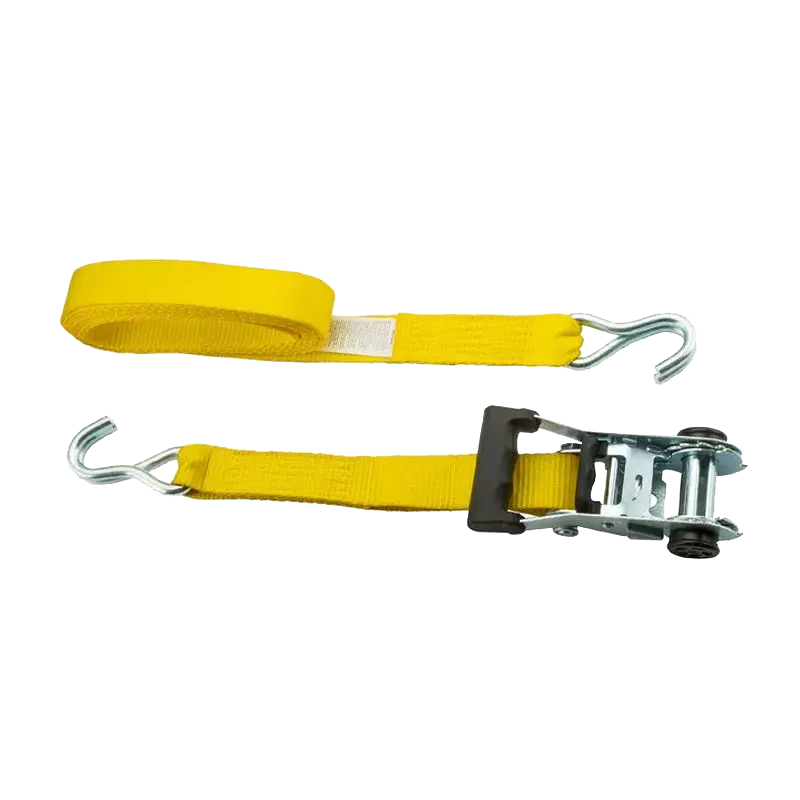
Dimensions - 1.5 inch wide x 16ft long, ratchet tie-down straps are made from industrial-grade polyesterCOATING J-HOOKS - Stay Damage-Free, Protect Yo...
See Details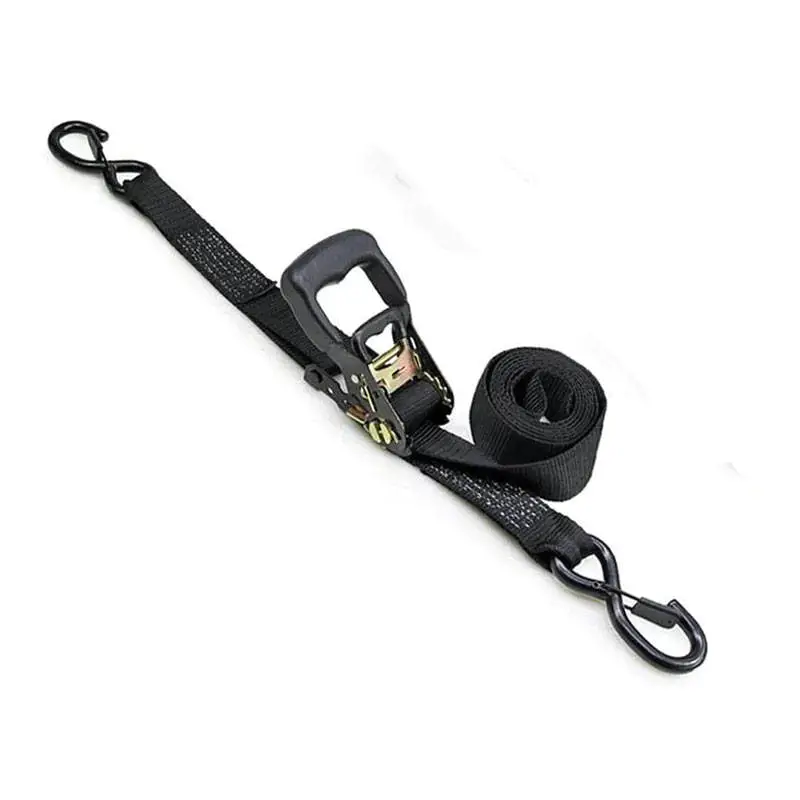
The compact and lightweight design of our 2" x 15' ratchet strap makes it easy to store and transport. Whether you're keeping it in your toolbox, glov...
See Details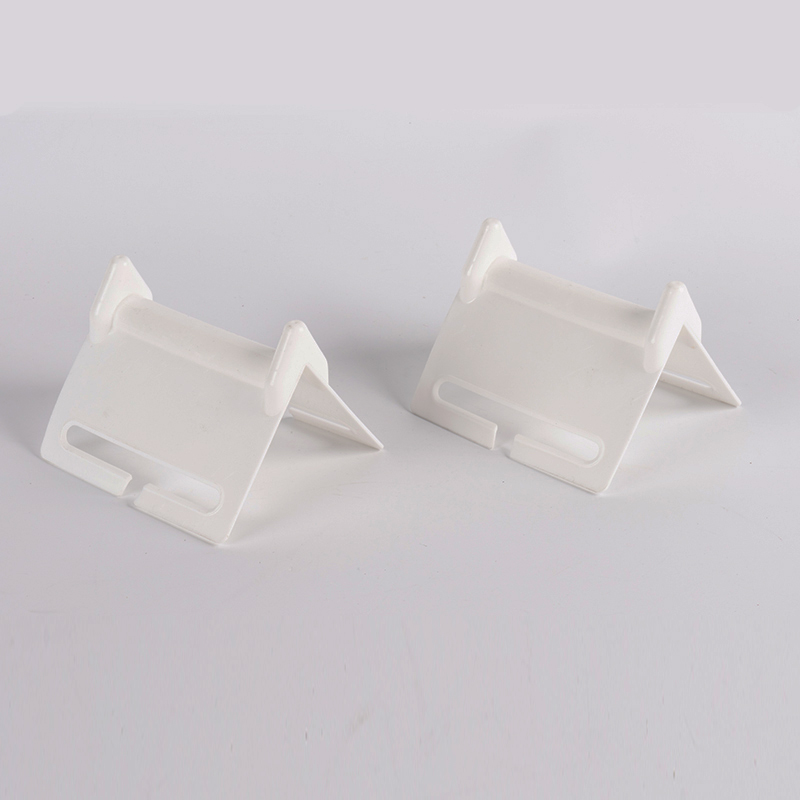
Made from high-quality plastic, our corner protectors protect against damage caused by straps and straps and are resistant to wear, tear and deformati...
See Details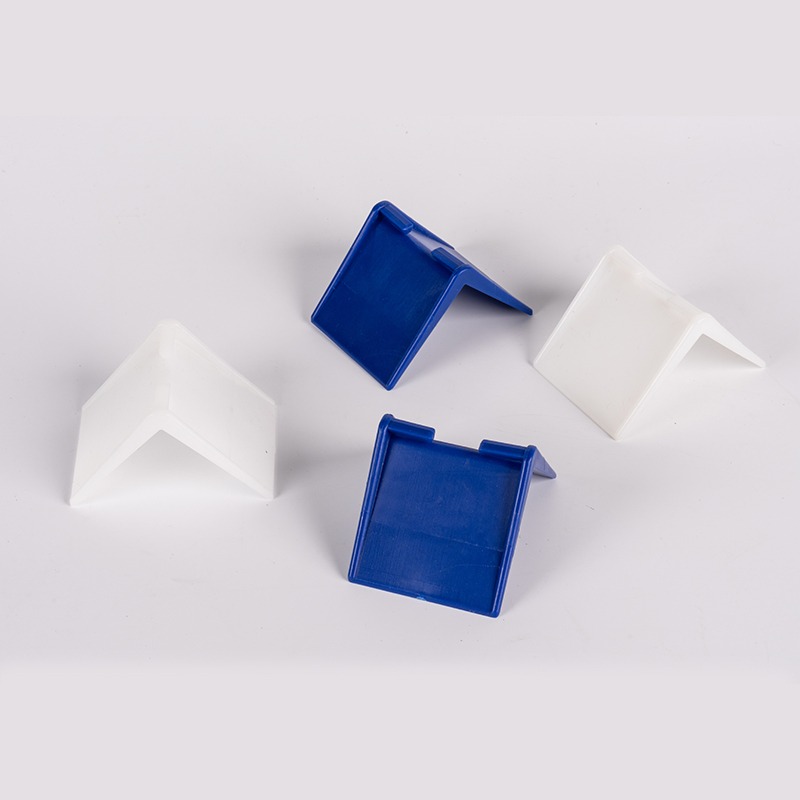
This vee board corner protector is an easy way to protect cargo from damage during transport and secure your straps in place. The high-density polyeth...
See Details
To ensure the safety of goods during transportation, our 6-inch plastic corner protectors are included. Made of durable plastic material, it can effec...
See Details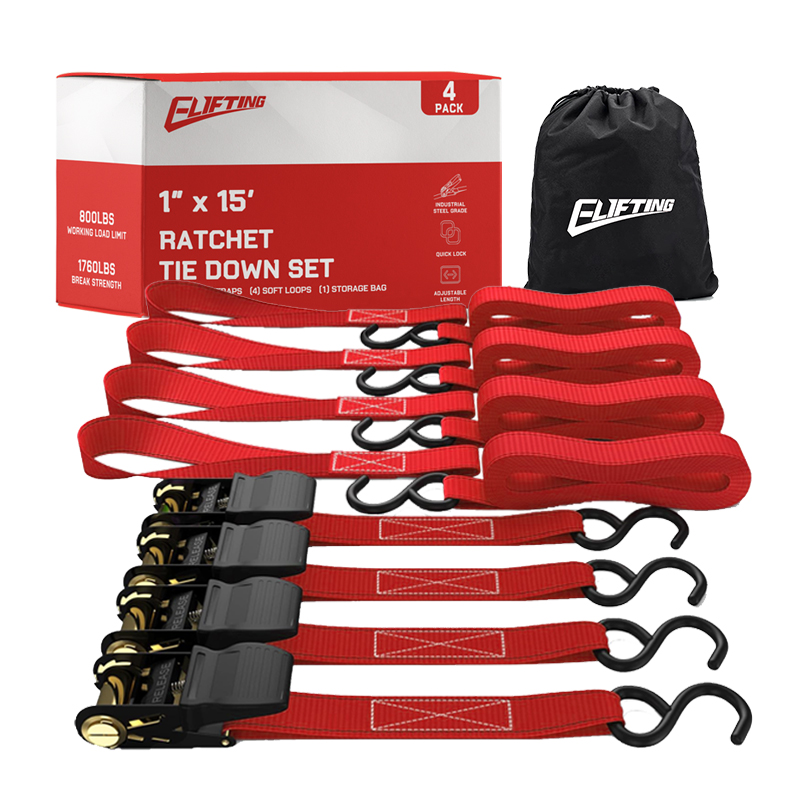
High Strength: Made from durable materials to ensure reliable securing force, suitable for binding and securing various heavy loads. Easy Operation:...
See Details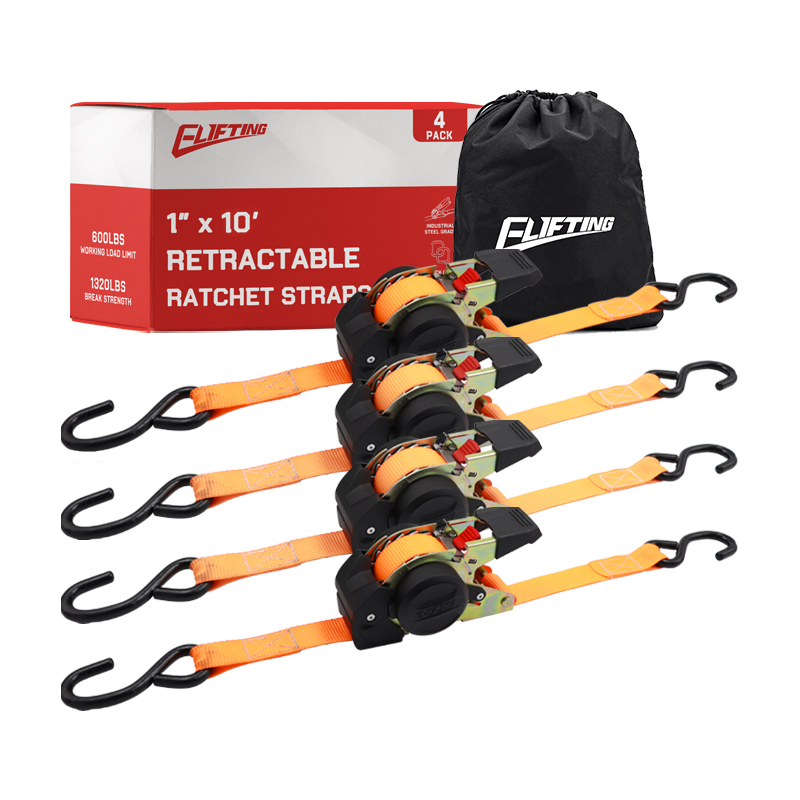
■ Instant automatic retractable strap - Easily retract excess strap length with the click of a button ■ Safety - With cushioning function, the strap ...
See Details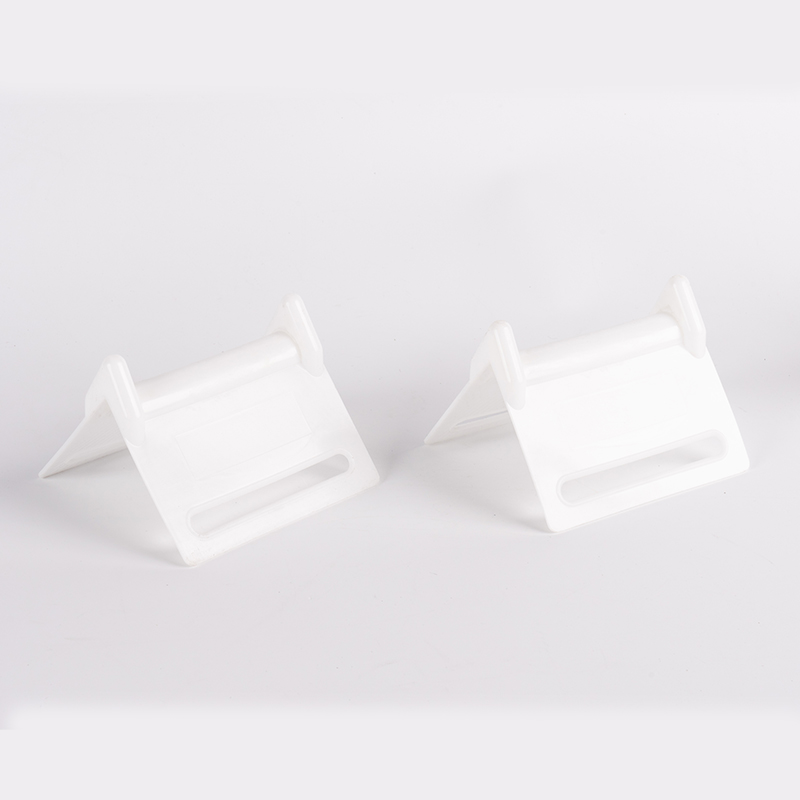
Made from high-quality plastic, our corner protectors protect against damage caused by straps and straps and are resistant to wear, tear and deformati...
See Details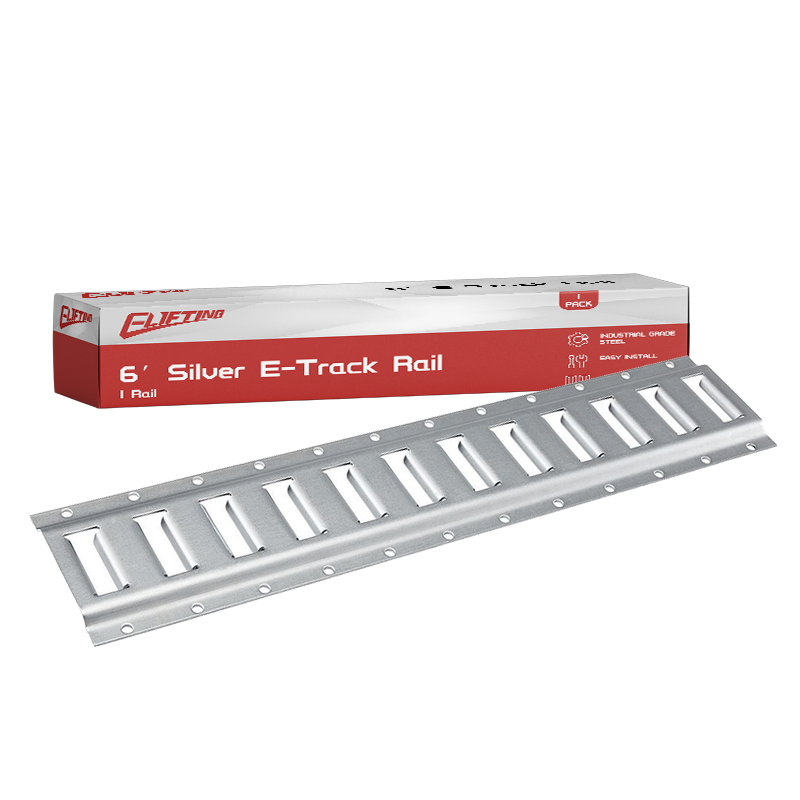
E-Track Rails is a rail system for securing cargo. It consists of a series of aluminum alloy or steel rails with slots, and with different accessories...
See Details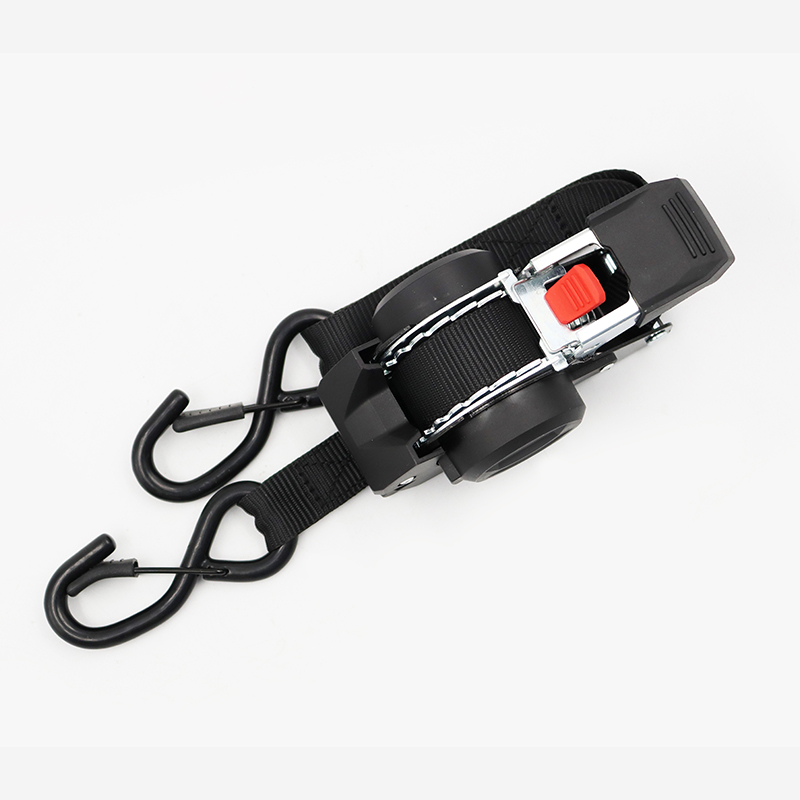
SAFER CONTROLLED RETRACTION - PREVENTS SNAP-BACK: Introducing our enhanced safety design! These retractable ratchet straps feature a built-in speed r...
See Details
Shangcheng Village, Tangxi Town, Ningbo, Zhejiang, China
+86 139 5782 7340
