


 English
 中文简体
中文简体
1" X 20" Ratchet Tie Down With S hook
Cat:1″Ratchet Straps
Crafted from high-grade polyester webbing and robust steel or plastic ratchet buckles, our 1" x 20' ratchet strap can withstand even the demanding tas...
See DetailsThreading and using a ratchet strap correctly takes less than two minutes once you know the steps. Feed the webbing up through the mandrel slot from underneath, pull it taut by hand, then pump the ratchet handle until the load is firmly secured with no movement. Done incorrectly, the strap either loosens in transit or generates enough force to damage cargo. This guide walks through every step — from identifying strap components to releasing the mechanism safely — so you can secure any load with confidence.
Content
Before threading anything, it helps to name what you are looking at. A standard ratchet tie down has five main components:
Knowing these names matters because threading errors almost always happen at the mandrel. Understanding which direction the slot faces and which way the webbing feeds through eliminates the most common setup mistake.
Threading the webbing correctly is the single most important skill when using a ratchet tie down. An incorrectly threaded strap will not hold tension under load and may slip free entirely during transport.
Pull the release lever and open the ratchet body flat. The mandrel slot should now be visible and aligned horizontally, making it easy to feed the webbing through. If the ratchet is not fully open, the slot is partially obstructed and threading becomes difficult.
Hold the free end of the webbing (the end without a hook, or the shorter tail end) and insert it upward through the mandrel slot from underneath. Pull 10–15 cm of webbing through so it has a good grip point. The webbing should lie flat — if it is twisted at this stage, remove it and straighten it before continuing. A twisted strap reduces effective breaking strength and causes uneven wear.
Attach the fixed-end hook (the hook on the ratchet body side) to the first anchor point. Attach the free-end hook to the second anchor point. Both hooks should be fully seated — the hook gate or keeper must be closed, and the hook should not be able to back off the anchor under load. Use rated anchor points only: trailer D-rings, E-track fittings, or vehicle tie-down loops rated to match your strap's Working Load Limit (WLL).
Before pumping the ratchet, pull the free-end webbing by hand to remove as much slack as possible. The less slack entering the ratchet system, the fewer pumping strokes are required, and the more evenly the tension distributes across the load. This step is easy to skip and easy to regret — a large amount of residual slack makes it harder to reach adequate tension.
Close the ratchet body and pump the handle with firm, even strokes. Each full stroke rotates the mandrel approximately 15–20 degrees, taking up a corresponding length of webbing. Continue pumping until the webbing is taut and the cargo shows no perceptible movement when pushed by hand. For most general cargo applications, this requires 8–15 pumping strokes depending on how much slack was removed in Step 4.
Press the ratchet handle all the way down until it clicks flat against the ratchet body. This locks the pawl in place and prevents the mandrel from reversing under load. Tuck any excess webbing tail away from moving parts or the road surface — loose webbing that contacts tires or road is a safety hazard.
| Mistake | What Happens | How to Fix It |
|---|---|---|
| Webbing fed downward through slot | Strap feeds backward; handle pumps loosely without taking up slack | Remove and re-thread from underneath, upward through slot |
| Twisted webbing in the mandrel | Uneven tension, localized stress points, reduced effective WLL | Fully remove webbing, straighten, re-thread flat |
| Hook not fully seated on anchor | Hook can release under vibration or lateral load during transport | Reattach hook; ensure gate is closed and hook contacts anchor rail fully |
| Ratchet not fully closed after tensioning | Pawl engagement is partial; strap can gradually loosen during transit | Press handle firmly until an audible click confirms full lock |
| Excess webbing tail left loose | Trailing webbing contacts road, tires, or adjacent cargo | Fold and tuck tail; secure with velcro strap or zip tie |
Releasing a ratchet strap under high tension requires a specific sequence. Attempting to force the release lever while the strap is at maximum tension can cause the handle to snap back suddenly — a common cause of hand and wrist injuries.
If the release lever feels stiff or will not move, do not force it. A stiff lever usually indicates the pawl is under load. Relieve tension by lifting the handle slightly before attempting the release again. Never cut a tensioned ratchet strap — the sudden energy release can cause serious injury.
Threading technique only matters if the strap itself is rated for the load. Selecting the correct strap size before you thread anything is a critical safety step that is frequently overlooked.
Every ratchet tie down carries two ratings: the Working Load Limit (WLL) and the Break Strength. The WLL is the maximum force the strap is designed to handle in regular use — typically one-third of the Break Strength. Never select a strap based on Break Strength alone; the WLL is the operational limit. For a cargo load of 500 kg, use straps with a combined WLL of at least 500 kg — meaning two straps each rated at 250 kg WLL minimum, or one strap at 500 kg WLL.
Webbing width directly determines load capacity and application suitability. The table below summarizes standard width options and their primary use cases:
| Strap Width | Typical WLL Range | Common Applications |
|---|---|---|
| 1 inch (25 mm) | 200–500 kg | Motorcycles, bicycles, small equipment, ATVs |
| 1.5 inch (38 mm) | 500–1,000 kg | Ride-on mowers, small vehicles, commercial freight |
| 2 inch (50 mm) | 1,000–2,500 kg | Cars, trucks, construction equipment, heavy pallets |
Hook selection must match the anchor hardware at both the load and the vehicle end. The three most common hook types on ratchet tie downs are:
Using one strap when four are required is one of the most common cargo securement errors. The number of straps needed depends on cargo weight, cargo dimensions, and the applicable transport regulations in your jurisdiction.
A practical general rule: use a minimum of four ratchet tie downs for any cargo that occupies the full width of a trailer deck, placing two straps at the forward portion of the load and two at the rear. For individual items such as motorcycles or small equipment, two straps positioned diagonally (one forward-left to rear-right, one forward-right to rear-left) create a stable, anti-rotation restraint pattern that prevents both fore-aft and lateral movement.
In North America, FMCSA regulations (49 CFR Part 393) require that the aggregate WLL of all tie-down devices must be at least half the weight of the cargo. For a 2,000 kg cargo load, the combined WLL of all straps in use must be at least 1,000 kg. Meeting this minimum with two 2-inch straps rated at 500 kg WLL each is technically compliant — but most professional operators use a 1:1 ratio (total WLL equals cargo weight) as a practical safety margin.
Ratchet straps can damage both the cargo they secure and themselves if used without appropriate protective measures. Sharp cargo edges cut webbing fibers; high pre-tension over soft surfaces (motorcycle tanks, furniture, painted panels) can leave pressure marks or dents.
Place plastic or rubber corner protectors at every point where the webbing bends over a hard edge. A webbing strap running over an unprotected steel corner at 45 degrees under 500 kg of tension is subject to significant localized abrasion. Corner protectors distribute this contact across a larger radius, reducing stress concentration and preventing both webbing damage and cargo surface damage.
Ratchet straps are capable of generating very high clamping forces — sufficient to deform soft packaging, crush hollow containers, or stress structural frames on vehicles. For fragile or deformable cargo, tighten until the load is immobile, not until the webbing is at maximum tension. A good field test: push the cargo by hand after tightening. If it does not move, the strap is adequately tensioned. Additional tension beyond that point provides no safety benefit and risks cargo damage.
Ratchet straps typically lose a small amount of pre-tension after the first period of travel as the webbing settles under load and the cargo shifts into its final resting position. Stop and check strap tension after the first 30 minutes or 50 km of a new load, and re-tighten any strap that shows visible slack. For long-distance transport, re-inspect tension at every fuel stop or rest break.
A ratchet tie down that is stored properly will deliver reliable performance for several years of regular use. Poor storage is one of the primary causes of premature strap degradation, alongside UV exposure and physical damage.
Feed the webbing upward through the mandrel slot from underneath. When the ratchet handle is pumped, the mandrel rotates to wind the webbing onto the spool and increase tension. Feeding from the top downward causes the mandrel to unwind rather than tighten when the handle is pumped.
No. The webbing must be threaded through the mandrel slot to create tension. Without threading, the ratchet mechanism has nothing to wind and the strap provides no load-holding force. The hooks alone cannot secure a load safely.
Tighten until the cargo is completely immobile when pushed firmly by hand. The webbing should be taut with no visible sag between the hook and ratchet body. Avoid maximum-force tightening on soft or deformable cargo — stop when the load is immobile, not when the strap is as tight as it will go.
The most common cause is an incompletely closed ratchet — the handle was not pressed flat until the pawl fully engaged. The second most common cause is insufficient webbing threaded through the mandrel slot, so the webbing pulls free under load. Check that at least 10 cm of webbing extends through the mandrel slot, and ensure the handle clicks positively flat when closed.
Straps used within their rated WLL can generally be reused. However, any strap that has been loaded to or beyond its rated WLL, has visible webbing damage, or has a history of shock loading (sudden impact loads during transport) should be retired. When in doubt about a strap's service history, replace it — the cost of a new strap is far lower than the cost of a load failure.
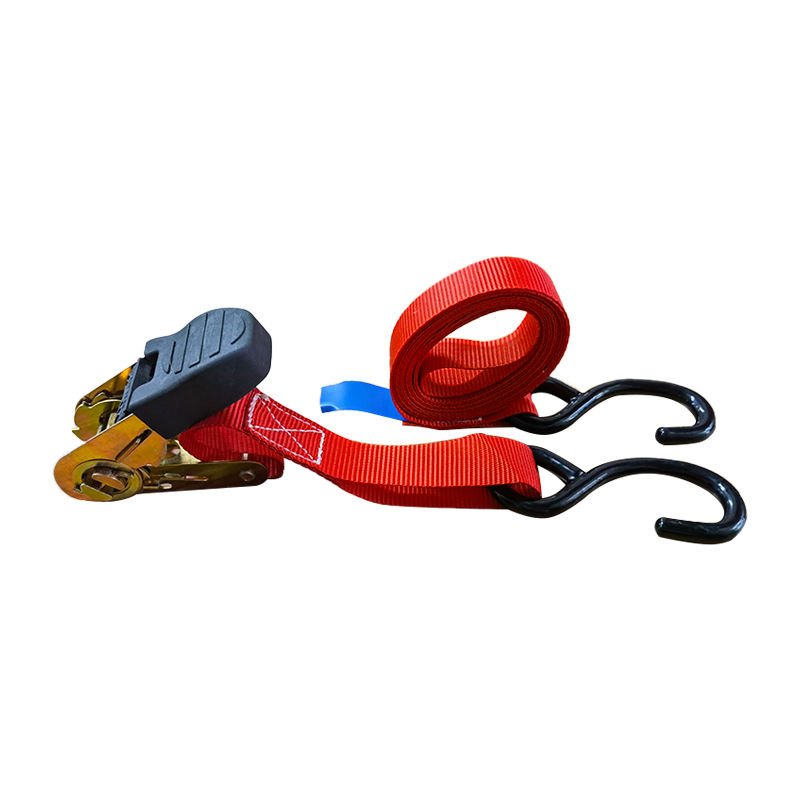
Crafted from high-grade polyester webbing and robust steel or plastic ratchet buckles, our 1" x 20' ratchet strap can withstand even the demanding tas...
See Details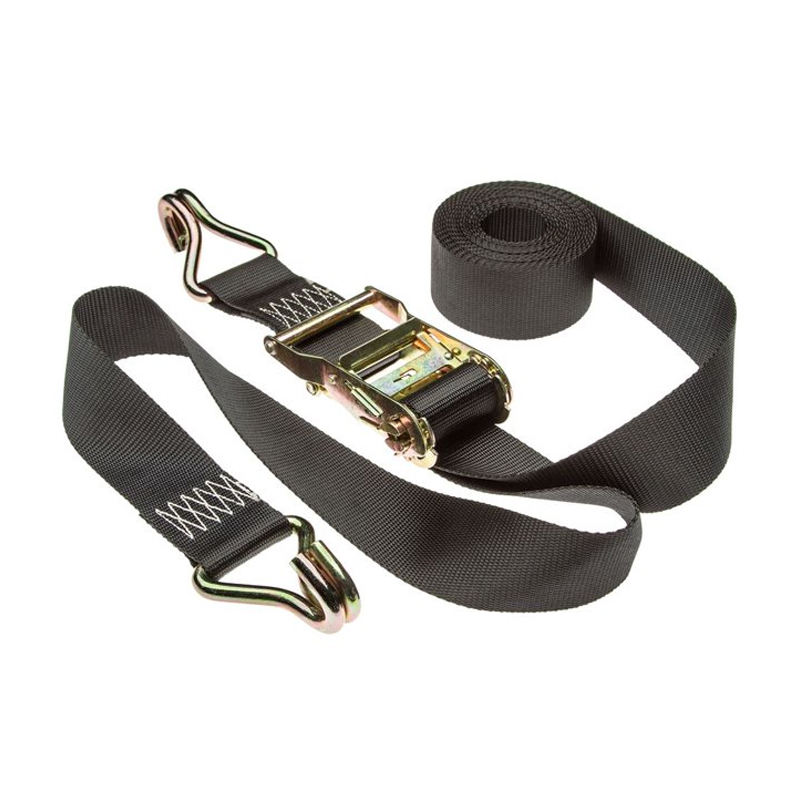
Crafted from high-tensile polyester webbing and robust steel or plastic ratchet buckles, our 1.5" x 8' ratchet strap is engineered to withstand the ri...
See Details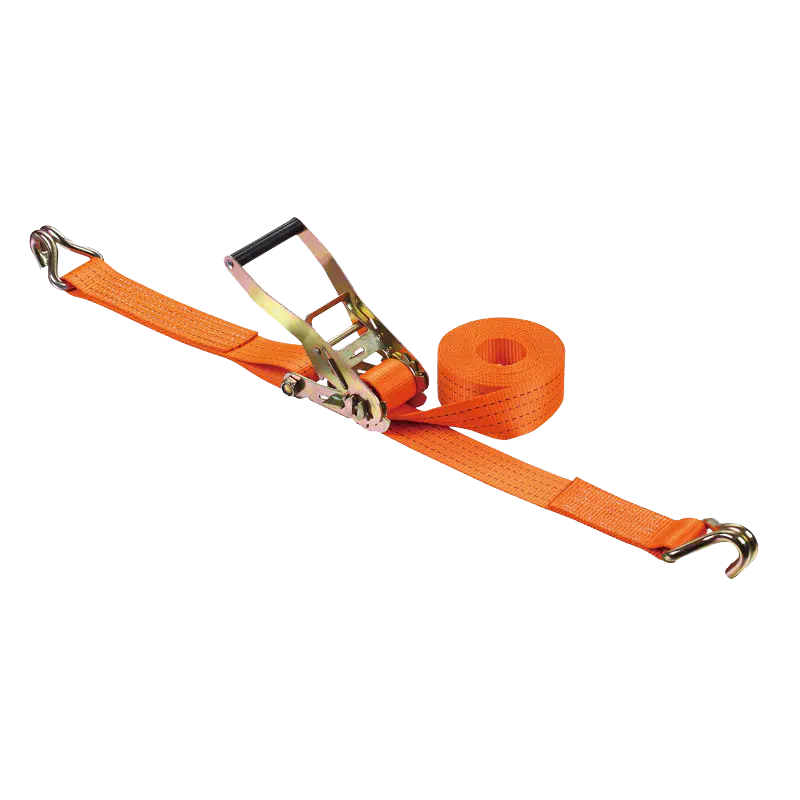
The ingenious ratchet buckle mechanism makes tightening and releasing the strap a breeze. Simply thread the strap through the buckle, pull the webbing...
See Details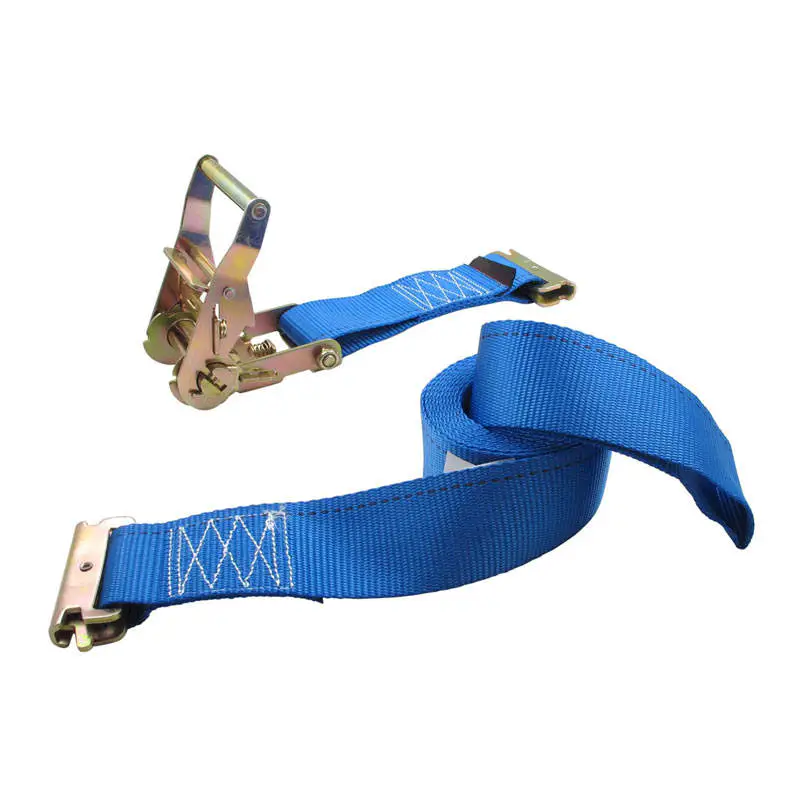
The ingenious E Track fitting design makes attaching and detaching the strap a breeze. Simply slide the E Track fitting into the E Track rail, engage ...
See Details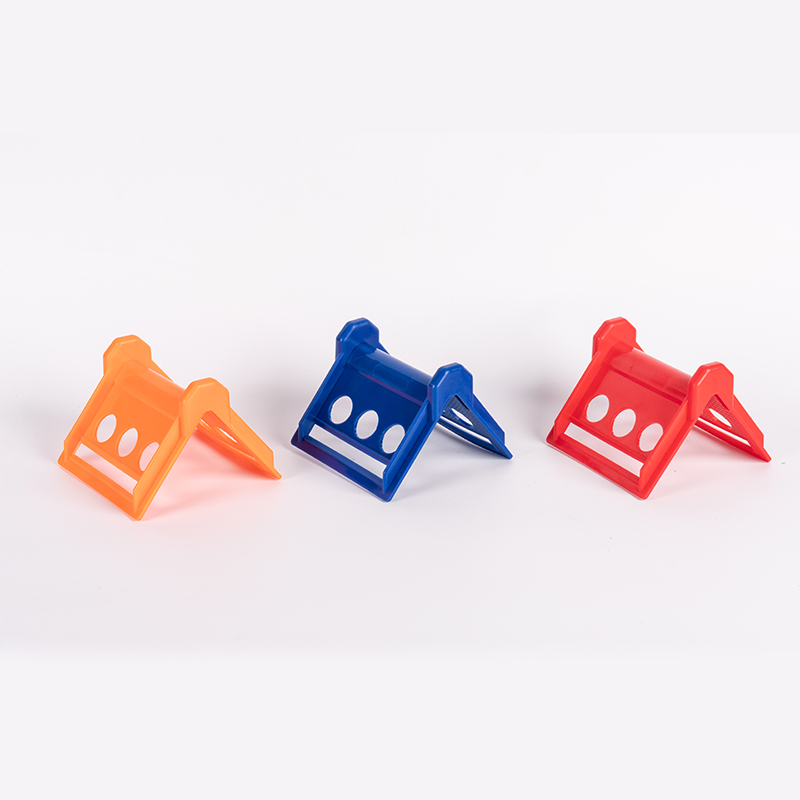
This economical corner protector is great for loads requiring a little extra protection for the strap or for the cargo. Raised edges ensure straps sta...
See Details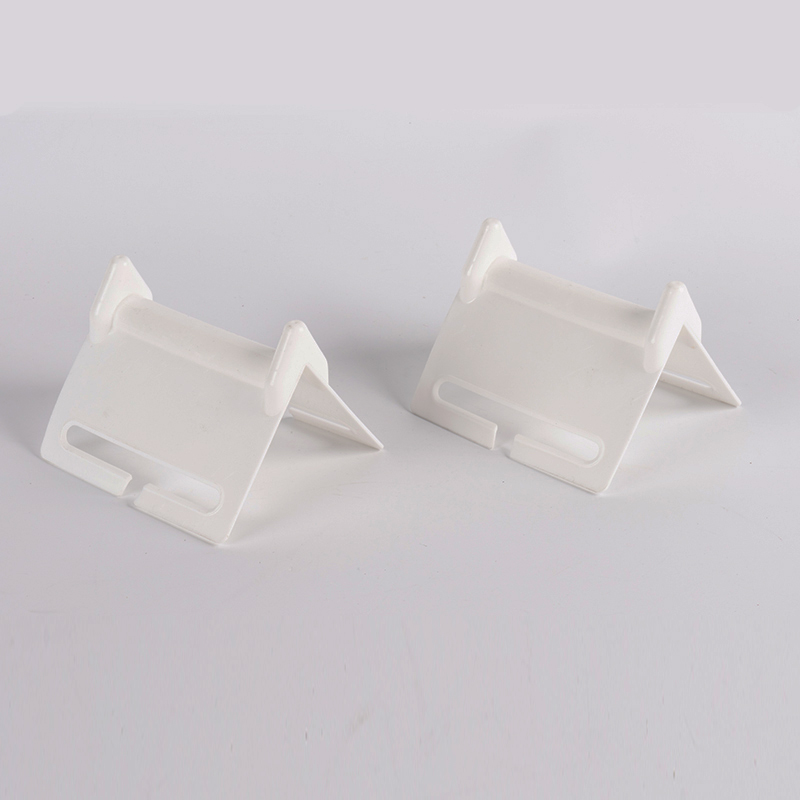
Made from high-quality plastic, our corner protectors protect against damage caused by straps and straps and are resistant to wear, tear and deformati...
See Details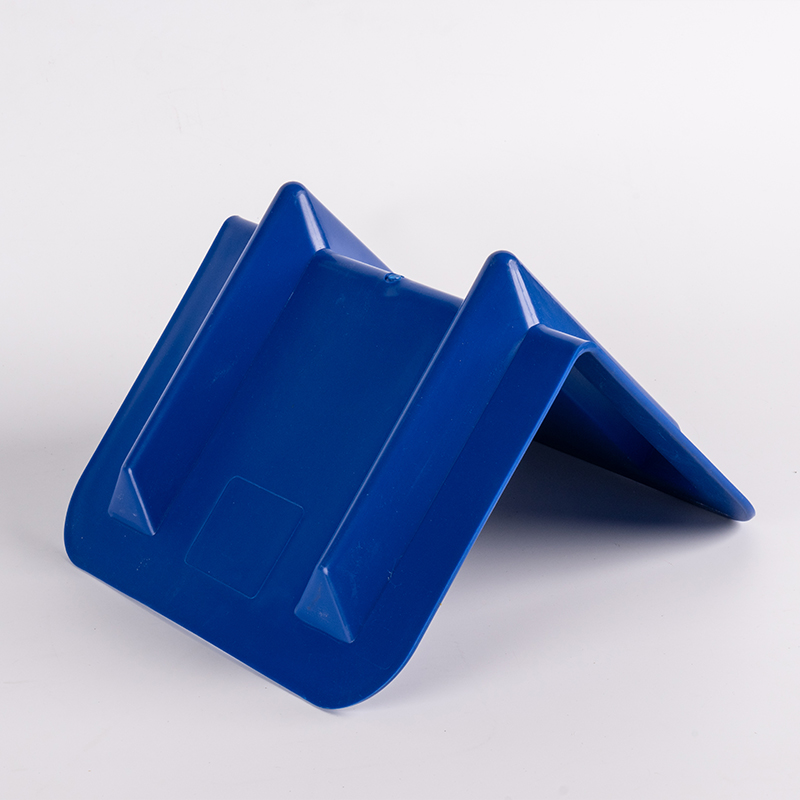
Corner protector shields drywall, plywood sheeting, and much more from damage during loading and transport. High density polyethylene is flexible, so ...
See Details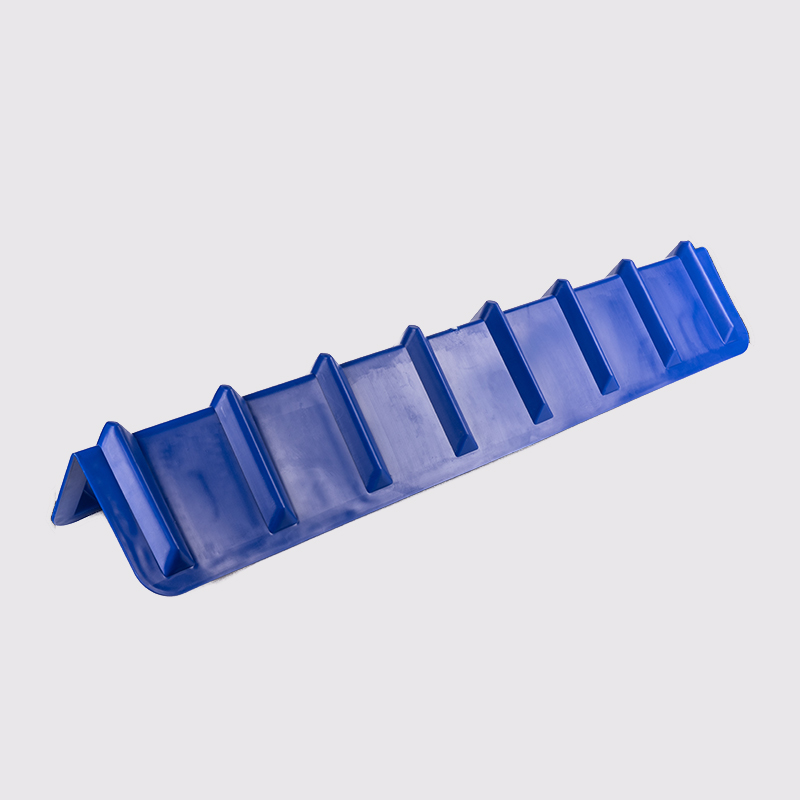
The 48-inch plastic corner guards offer strong resistance to impact and abrasion, protecting your cargo from potential damage in the shipping environm...
See Details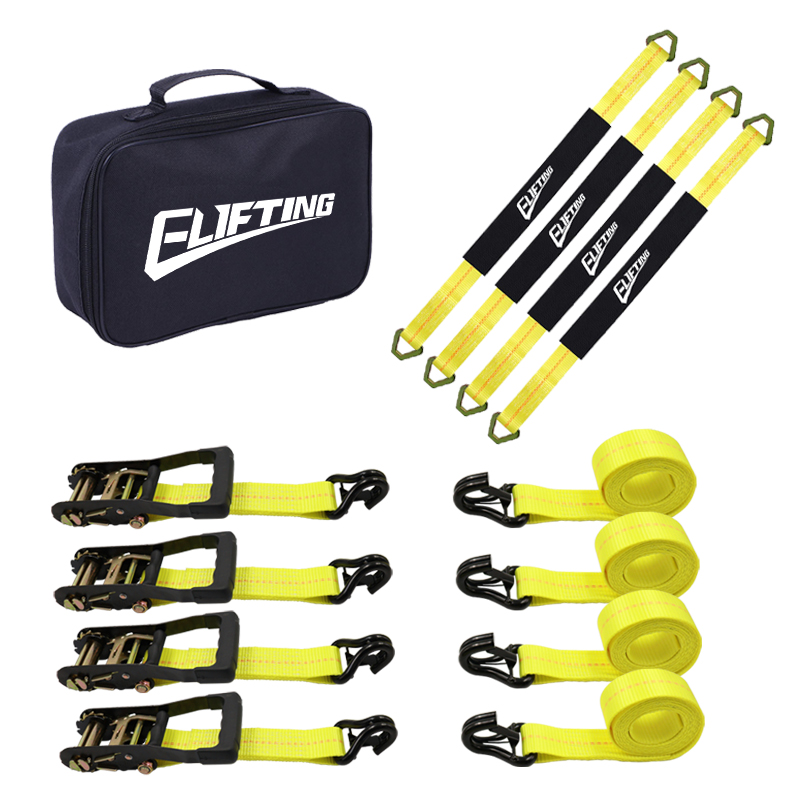
Tie Down Axle Straps Set is a set of high-strength straps designed for securing and stabilizing heavy loads during transportation. Made from durable p...
See Details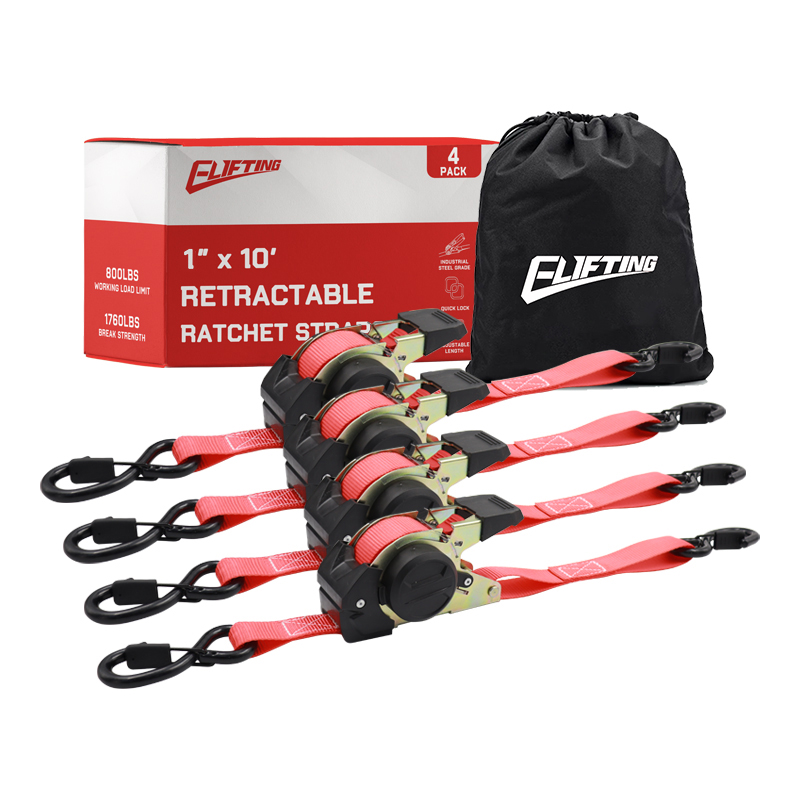
■ Instant automatic retractable strap - Easily retract excess strap length with the click of a button ■ Safety - With cushioning function, the strap ...
See Details
Shangcheng Village, Tangxi Town, Ningbo, Zhejiang, China
+86 139 5782 7340
