


 English
 中文简体
中文简体
1" X 20" Ratchet Tie Down With S hook
Cat:1″Ratchet Straps
Crafted from high-grade polyester webbing and robust steel or plastic ratchet buckles, our 1" x 20' ratchet strap can withstand even the demanding tas...
See DetailsContent
Retractable ratchet straps are not inherently more durable than traditional ratchet straps in terms of webbing strength or load capacity — both types use the same polyester webbing materials and can achieve identical working load limits (WLL). However, retractable ratchet straps offer a meaningful durability advantage in one specific area: webbing protection. The built-in retraction mechanism keeps the strap housed and shielded from UV exposure, abrasion, moisture, and contamination when not in use — the primary causes of webbing degradation over time. Traditional straps, left loose or improperly stored, degrade faster under the same conditions. The trade-off is that retractable units introduce additional mechanical components that can fail independently of the webbing itself.
To compare durability fairly, it is necessary to understand what actually wears out in a ratchet strap and which components differ between retractable and traditional designs.
The webbing is the load-bearing element of any ratchet strap. Quality straps use high-tenacity polyester (HTP) webbing, which offers excellent tensile strength, minimal stretch under load (typically less than 3% elongation at WLL), and good resistance to most chemicals. Standard webbing widths for cargo tie-downs are 25mm (1 inch), 38mm (1.5 inch), and 50mm (2 inch), with breaking strengths ranging from 1,500 kg to over 5,000 kg depending on width and construction. Both retractable and traditional straps use identical webbing — the difference lies entirely in how that webbing is handled and stored.
The ratchet body — typically zinc-plated or powder-coated steel — houses the pawl, axle, and release lever. This mechanism is identical in function between retractable and traditional straps. Quality ratchet bodies are rated to match or exceed the webbing's WLL. Common failure points include pawl spring fatigue (causing the mechanism to slip under load) and corrosion of the axle and release lever in harsh environments.
The additional component unique to retractable ratchet straps is the spring-loaded spool that automatically retracts excess webbing into a housing. This spring is typically rated for tens of thousands of retraction cycles in quality products, but it introduces a mechanical failure point absent in traditional straps. Spring fatigue, debris ingestion, and housing damage are the primary failure modes specific to retractable designs.
The most significant real-world durability advantage of retractable ratchet straps is the protection they provide to the webbing between uses. Polyester webbing degrades through four primary mechanisms — all of which are substantially reduced by the retraction housing:
For operators who use straps daily in outdoor or mixed environments — construction, landscaping, flatbed trucking — this protection translates into a measurably longer webbing service life compared to traditionally stored straps used under the same conditions.
Despite the webbing protection advantage of retractable designs, traditional ratchet straps hold meaningful durability advantages in several practical scenarios.
A traditional ratchet strap has two components that can fail: the webbing and the ratchet mechanism. A retractable strap has three: the webbing, the ratchet mechanism, and the retraction spring assembly. In heavy industrial environments where straps are subjected to extreme shock loads, vibration, and temperature cycling, the retraction spring and housing represent an additional failure risk. Many professional flatbed operators and heavy equipment haulers specifically prefer traditional straps for this reason — fewer components means fewer potential points of failure under demanding conditions.
The heaviest-duty ratchet straps — with WLL ratings of 5,000 kg (11,000 lbs) and above — are almost exclusively available in traditional (non-retractable) designs. The retraction mechanism adds weight, bulk, and engineering complexity that makes very high-capacity retractable straps impractical. If your application requires straps rated above 2,500–3,000 kg WLL, traditional straps are likely your only compliant option.
Traditional ratchet straps can be fully inspected along their entire webbing length in seconds. Damage to any section is immediately visible. Retractable straps require the webbing to be fully extended to inspect its complete length — a step that is easy to overlook. Additionally, if the retraction housing is damaged or the spring fails, the entire unit must typically be replaced; individual component repair is rarely practical in the field.
| Factor | Retractable Ratchet Strap | Traditional Ratchet Strap |
|---|---|---|
| Webbing Material | High-tenacity polyester (identical) | High-tenacity polyester (identical) |
| UV Protection When Stored | Excellent — webbing housed | Poor unless stored in bag/box |
| Abrasion Protection | Good — retracted when not in use | Depends on storage discipline |
| Maximum WLL Available | Typically up to ~2,500–3,000 kg | Up to 5,000 kg+ (heavy duty) |
| Number of Failure Points | Three (webbing, ratchet, spring) | Two (webbing, ratchet) |
| Ease of Full Webbing Inspection | Requires full extension to inspect | Immediately fully visible |
| Ease of Use / Speed | Faster — auto-retracts excess webbing | Requires manual webbing management |
| Typical Price Premium | 20–50% higher than equivalent traditional | Lower baseline cost |
| Best For | Frequent use, outdoor storage, light-medium loads | Heavy loads, industrial use, controlled storage |
Regardless of whether you use retractable or traditional ratchet straps, the following factors accelerate degradation and must be managed to maximize service life.
The choice between retractable and traditional ratchet straps should be driven by your specific use case rather than a blanket durability claim. Retractable ratchet straps are the better choice when:
Traditional ratchet straps remain the preferred choice for heavy freight, flatbed trucking, and industrial equipment securing where maximum load ratings, simplified inspection, and field repairability take priority over convenience.
With correct care, a quality retractable ratchet strap should deliver 5–10 years of reliable service in regular use. These practices maximize that lifespan:
Most commercially available retractable ratchet straps are rated for working load limits of 500 kg to 2,500 kg (approximately 1,100–5,500 lbs). A small number of heavy-duty retractable designs reach 3,000 kg WLL, but above this threshold the retraction mechanism becomes impractically bulky and expensive. If your application requires securing loads heavier than 2,500 kg per strap, traditional ratchet straps in 50mm or 75mm widths — available with WLL ratings of 5,000 kg and above — are the appropriate choice. Always verify that the strap's WLL meets or exceeds the calculated load per strap point before use.
Retire a retractable ratchet strap immediately if any of the following are present: visible cuts, tears, or holes in the webbing; surface abrasion that has worn through the outer fiber layer exposing the inner weave; discoloration, stiffness, or brittleness indicating UV or chemical degradation; hooks that are bent, cracked, or show more than 10% deformation from their original shape; a ratchet mechanism that slips, skips teeth, or does not lock positively under hand pressure; or a retraction spring that fails to fully retract the webbing under its own tension. Do not attempt to repair damaged webbing — replacement is the only safe action. Most safety standards, including EN 12195-2 and US DOT regulations, require straps to be removed from service when any such damage is identified.
On most consumer and mid-range retractable ratchet straps, the retraction housing is a sealed or riveted assembly that is not designed for field repair. Spring replacement is not practical or recommended for most users — the engineering tolerances and spring pre-tension required for correct reassembly are difficult to achieve without specialized tools and knowledge. Some premium commercial-grade retractable straps from industrial suppliers do offer replacement spring assemblies and serviceable housings, but these represent a small minority of the market. In most cases, a retractable strap with a failed spring should be replaced as a complete unit. The webbing and ratchet hardware from a failed retractable unit can sometimes be repurposed if they pass full inspection.
Yes — retractable ratchet straps can be DOT-compliant for commercial cargo securement, provided they meet the requirements of 49 CFR Part 393 (Federal Motor Carrier Safety Regulations) including correct WLL labeling, aggregate WLL sufficient for the cargo, and proper condition. The retraction mechanism itself does not affect compliance — what matters is the strap's rated WLL, the number of straps used, and the securement method. However, inspectors look for legible WLL labels, which can fade or be obscured on heavily used retractable units — ensure labels remain readable at all times. Some carriers specify traditional straps for heavy freight runs due to the higher maximum WLL availability and simpler inspection protocols.
Retractable ratchet straps generally perform adequately in cold weather down to approximately -20°C (-4°F), which covers most working environments. Below this threshold, the retraction spring steel can become brittle and the webbing may stiffen slightly, reducing retraction smoothness. If moisture has entered the housing and freezes, the retraction mechanism can jam completely. In consistently cold operating environments, look for retractable straps rated for low-temperature use and ensure the housing drain holes (if present) are kept clear. Traditional straps have a slight advantage in extreme cold because they have no spring mechanism to be affected by temperature — though the webbing and ratchet hardware are equally subject to cold-weather stiffness in both designs.
There is no universal cycle-count replacement standard for ratchet straps — replacement is based on condition inspection rather than a fixed use count. However, as a practical guideline, professional users in high-frequency applications (daily use in transport or construction) typically replace retractable straps every 2–3 years as a precautionary measure regardless of visual condition, while occasional users (weekend recreational hauling) may use quality straps for 7–10 years with proper storage and care. The retraction spring in quality units is typically rated for 50,000+ retraction cycles — far more than most users will accumulate. The webbing and ratchet mechanism, rather than the spring, are the more likely life-limiting components in well-maintained retractable straps used within their rated capacity.
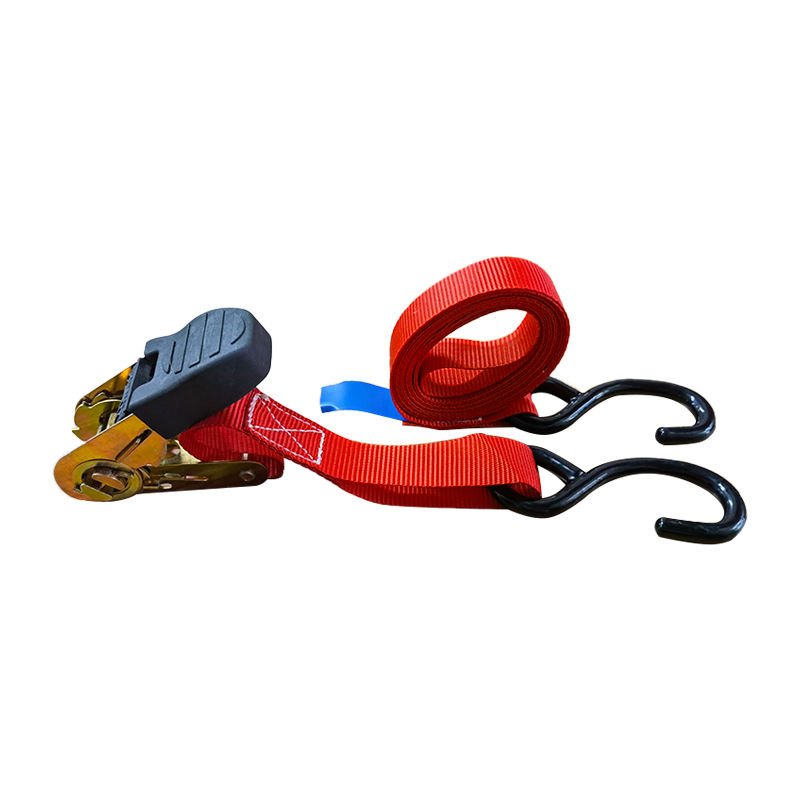
Crafted from high-grade polyester webbing and robust steel or plastic ratchet buckles, our 1" x 20' ratchet strap can withstand even the demanding tas...
See Details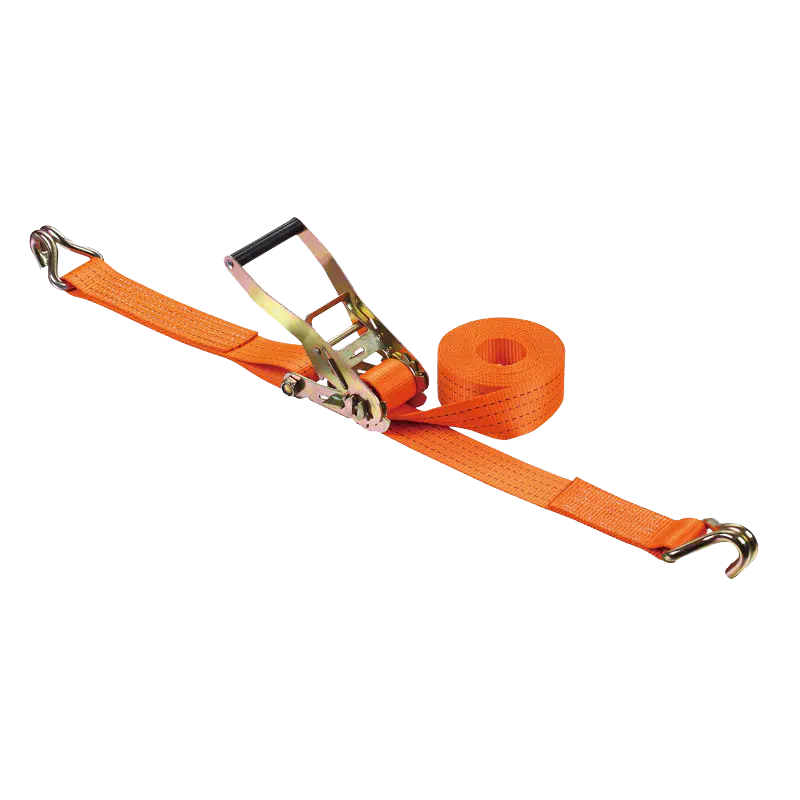
The ingenious ratchet buckle mechanism makes tightening and releasing the strap a breeze. Simply thread the strap through the buckle, pull the webbing...
See Details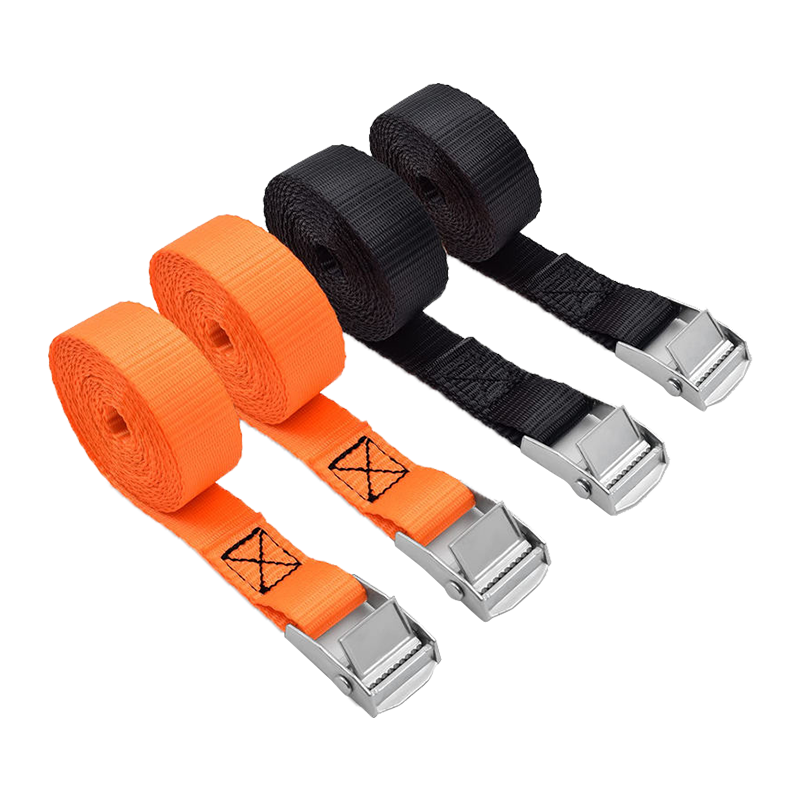
Adjustable Length: With a length of 12 feet, our strap offers flexibility to accommodate different cargo sizes. Easily adjust the length to achieve th...
See Details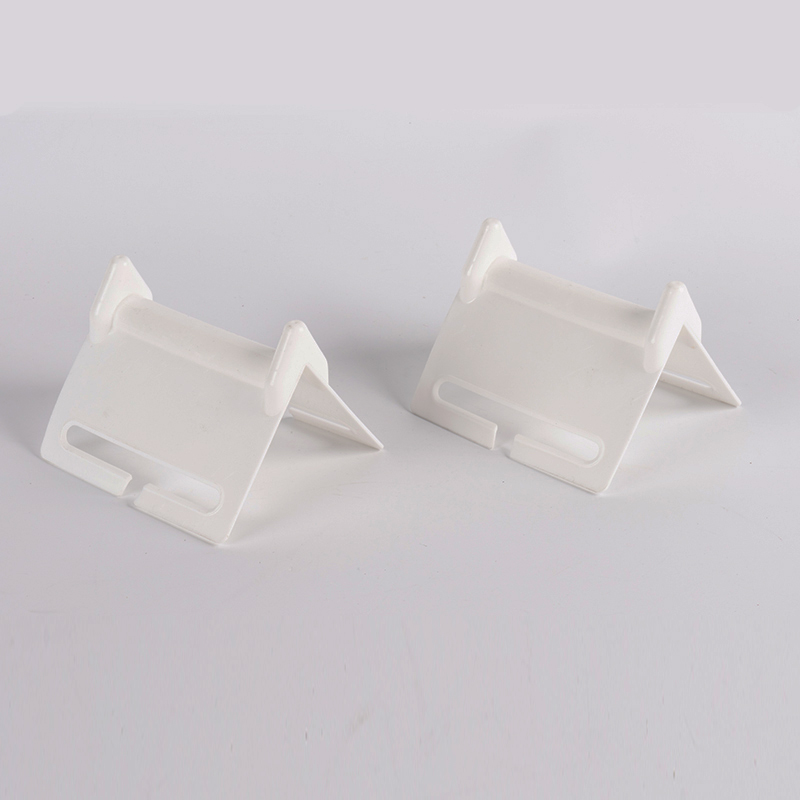
Made from high-quality plastic, our corner protectors protect against damage caused by straps and straps and are resistant to wear, tear and deformati...
See Details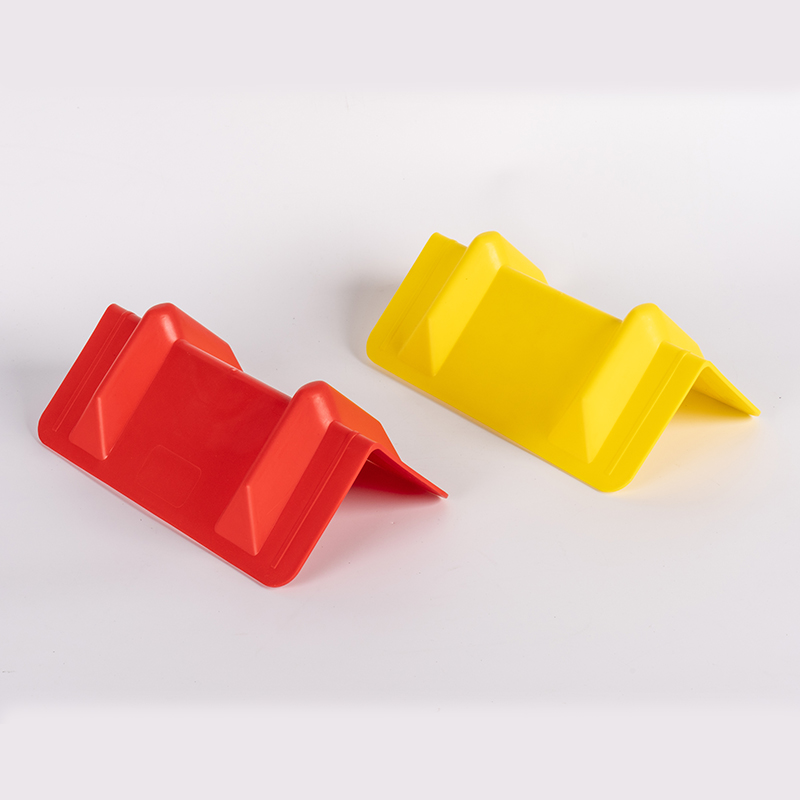
To ensure the safety of goods during transportation, our 6-inch plastic corner protectors are included. Made of durable plastic material, it can effec...
See Details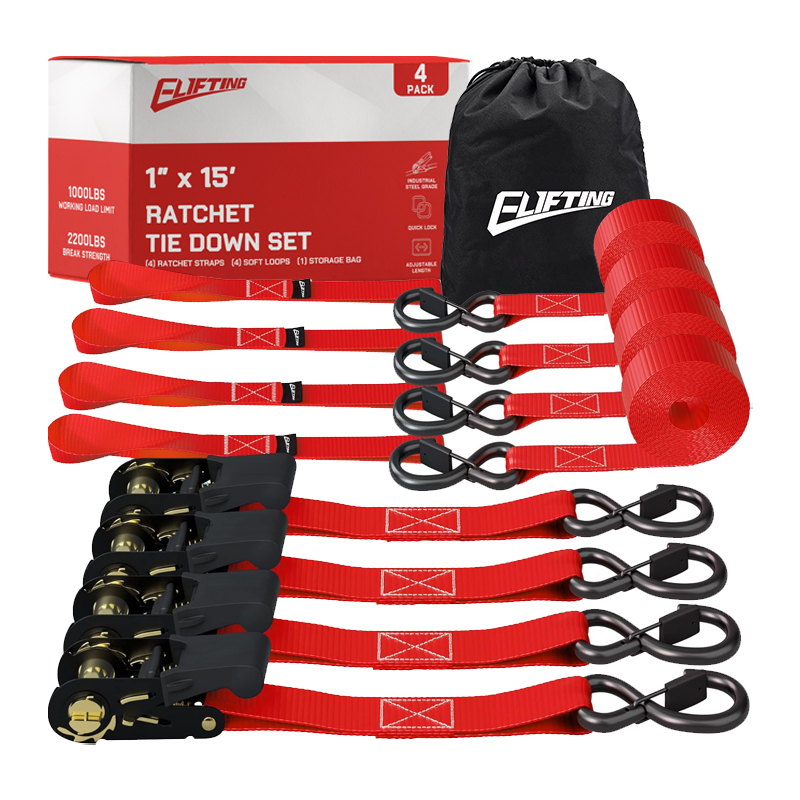
High Strength: Made from durable materials to ensure reliable securing force, suitable for binding and securing various heavy loads. Easy Operation:...
See Details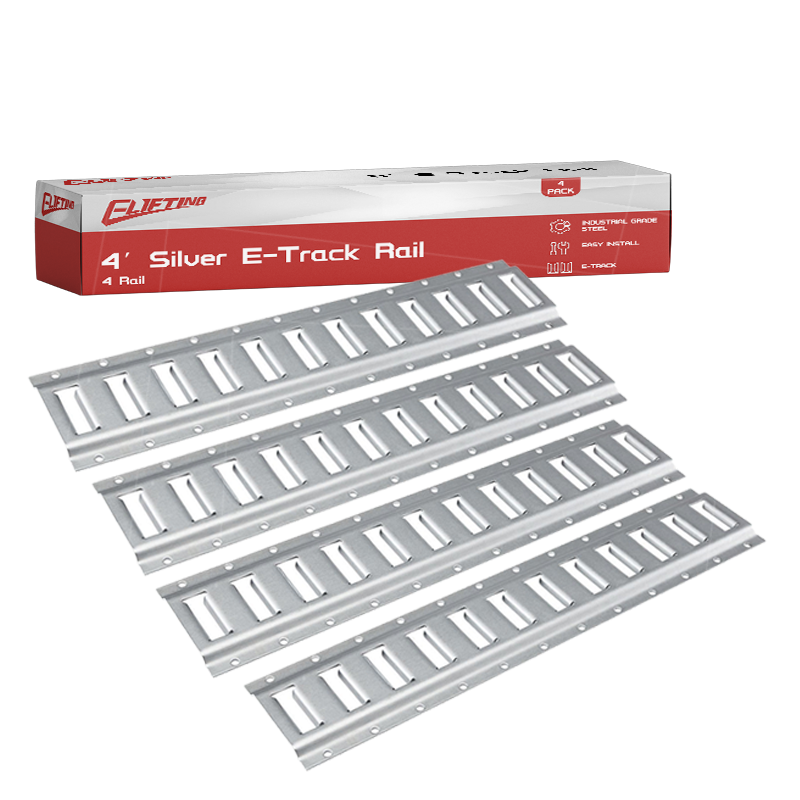
E-Track Rails is a rail system for securing cargo. It consists of a series of aluminum alloy or steel rails with slots, and with different accessories...
See Details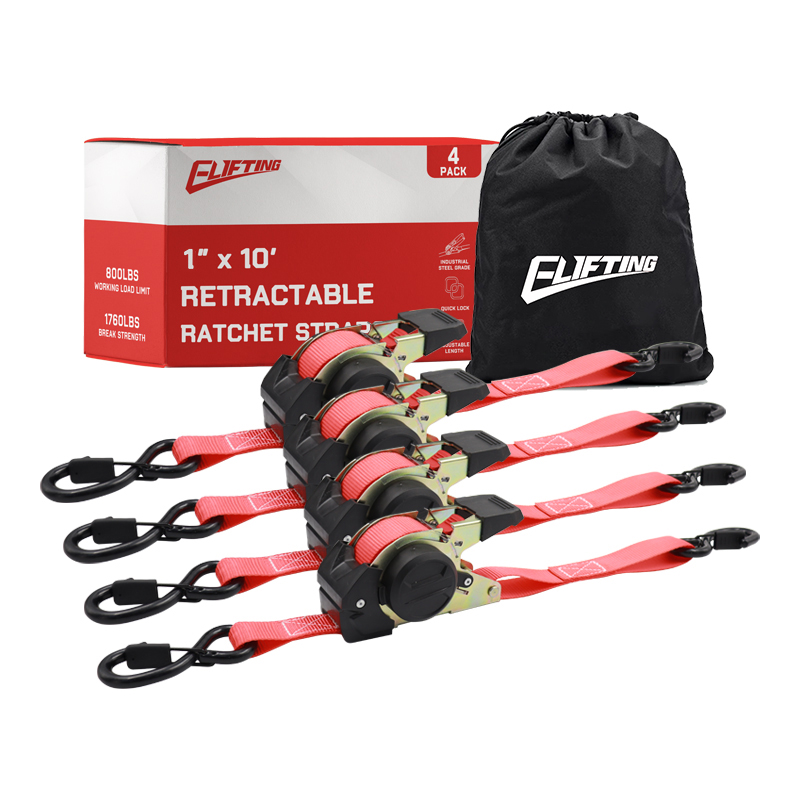
■ Instant automatic retractable strap - Easily retract excess strap length with the click of a button ■ Safety - With cushioning function, the strap ...
See Details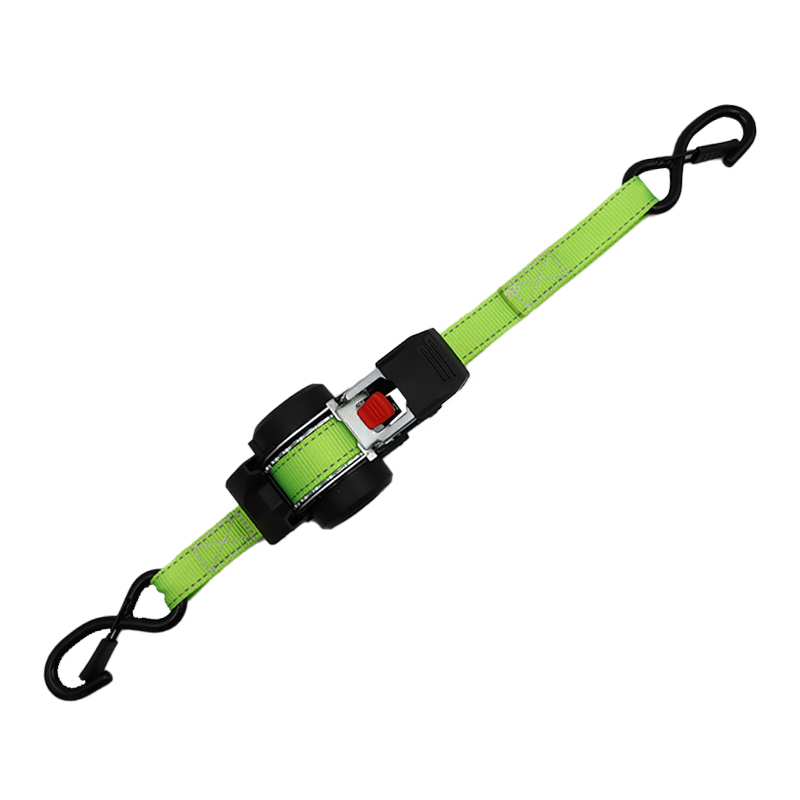
SAFER CONTROLLED RETRACTION - PREVENTS SNAP-BACK: Introducing our enhanced safety design! These retractable ratchet straps feature a built-in speed r...
See Details
SAFER CONTROLLED RETRACTION - PREVENTS SNAP-BACK: Introducing our enhanced safety design! These retractable ratchet straps feature a built-in speed r...
See Details
Shangcheng Village, Tangxi Town, Ningbo, Zhejiang, China
+86 139 5782 7340
