


 English
 中文简体
中文简体
2" X15" Ratchet Strap Tie Down 5000lb J Hook
Cat:2 Inch Ratchet Straps
The ingenious ratchet buckle mechanism makes tightening and releasing the strap a breeze. Simply thread the strap through the buckle, pull the webbing...
See DetailsContent
The correct way to install E-Track rails in a trailer is to mount them directly to structural members (such as steel crossmembers or wall studs) using high-strength bolts, maintaining proper spacing and alignment. When properly installed, a standard horizontal E-Track rail can support up to 6,000 lbs of load rating per 10-foot section, depending on fasteners and trailer structure.
Improper installation—such as fastening only to plywood—can reduce holding capacity by more than 50%, significantly increasing the risk of cargo shift during braking or cornering.
Preparing the correct tools ensures both safety and structural reliability.
Using self-tapping screws alone is not recommended for heavy-duty applications exceeding 1,000 lbs of working load.
E-Track can be mounted on trailer floors or walls. For wall installations, rails should align with vertical studs spaced typically 16" or 24" on center. Floor-mounted rails should align with steel crossmembers.
Position wall-mounted horizontal E-Track approximately 30–48 inches above the floor for general cargo applications. Installing multiple rows increases flexibility and load distribution.
Use a level to ensure straight alignment. Misalignment can reduce strap engagement efficiency by up to 15%.
Drill pilot holes through both the E-Track and the trailer’s steel frame. Spacing between bolts should not exceed 12 inches for heavy-duty transport.
Insert bolts with washers on both sides to distribute force evenly. Tighten using a torque wrench to manufacturer specifications.
| Bolt Diameter | Recommended Grade | Typical Working Load |
|---|---|---|
| 1/4" | Grade 5 | 1,000–1,500 lbs |
| 5/16" | Grade 8 | 2,000+ lbs |
These errors significantly reduce system reliability and may void load rating performance.
No. It must be anchored into steel studs or structural members to maintain full load capacity.
For heavy-duty cargo, bolts should be spaced every 12 inches along the rail.
Horizontal is more versatile for general freight; vertical works well for adjustable height tie-downs.
Backing plates are recommended for thin-wall trailers to distribute stress evenly.
Typically 20–30 ft-lbs for 1/4" bolts, depending on grade and manufacturer guidelines.
Most enclosed trailers benefit from two to three horizontal rows for maximum flexibility.
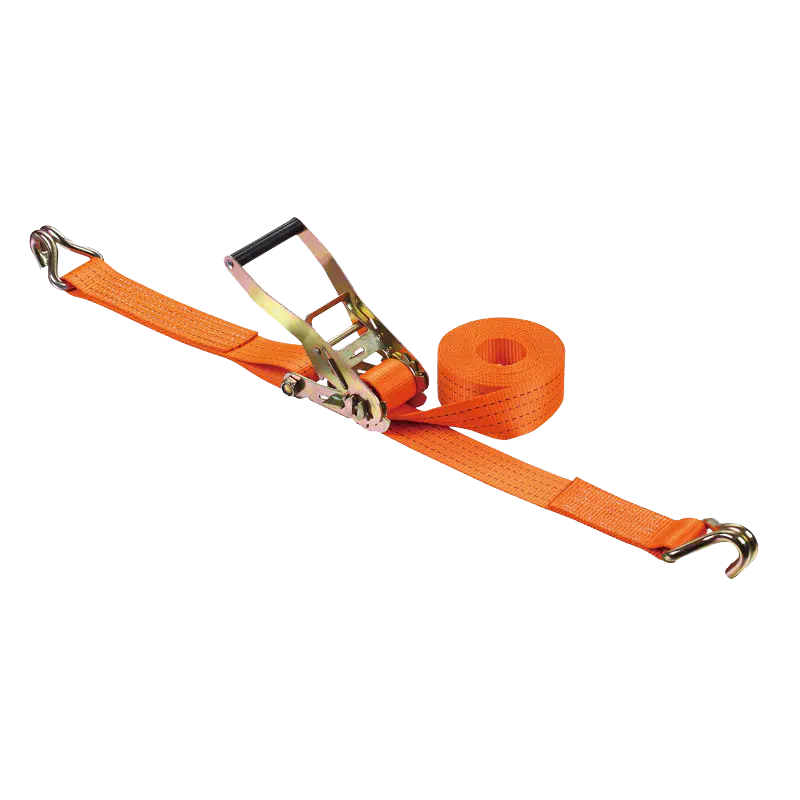
The ingenious ratchet buckle mechanism makes tightening and releasing the strap a breeze. Simply thread the strap through the buckle, pull the webbing...
See Details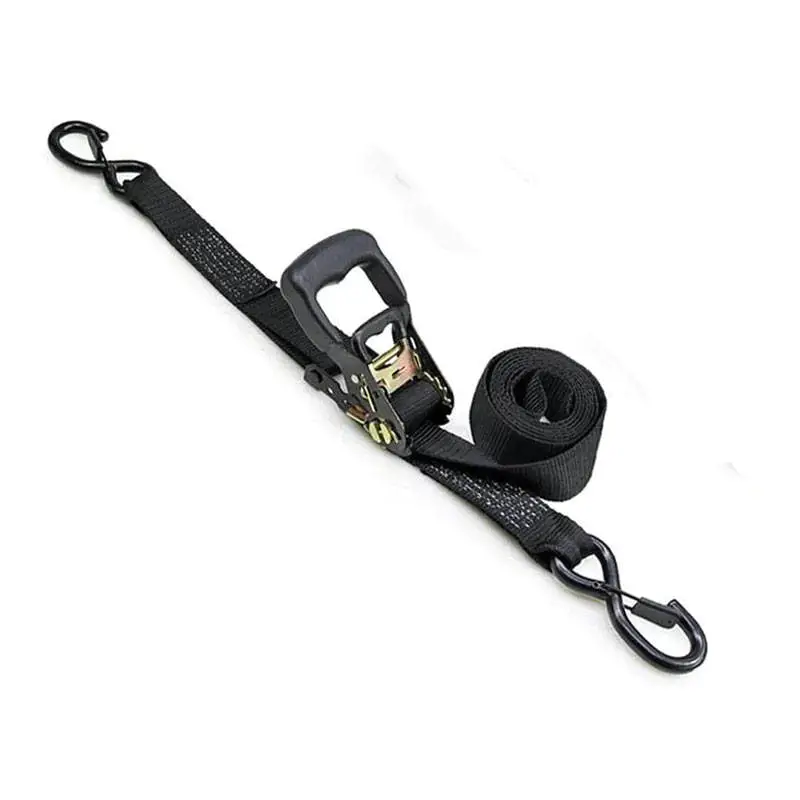
The compact and lightweight design of our 2" x 15' ratchet strap makes it easy to store and transport. Whether you're keeping it in your toolbox, glov...
See Details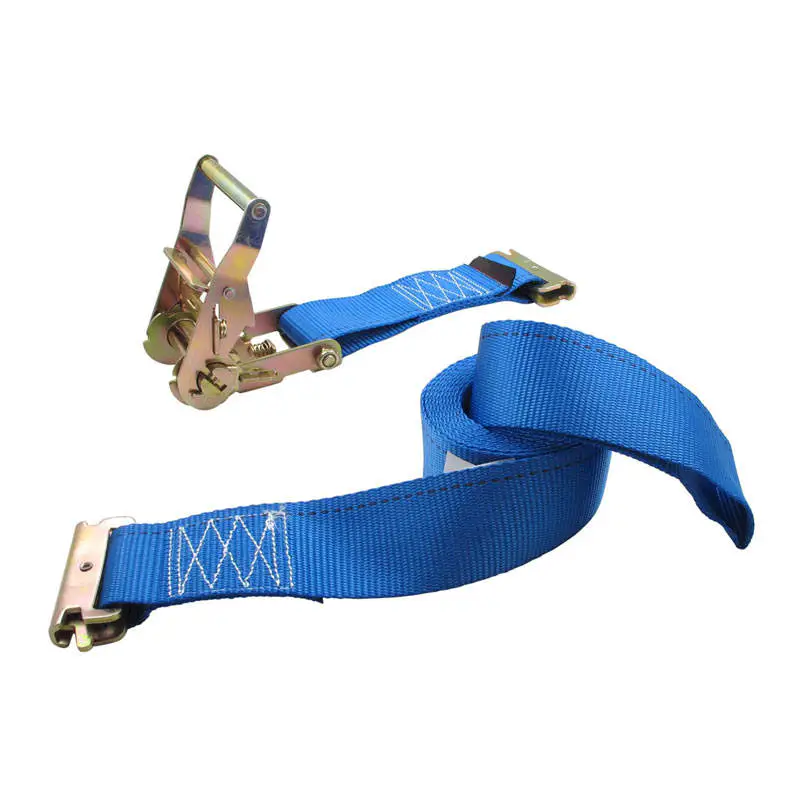
The ingenious E Track fitting design makes attaching and detaching the strap a breeze. Simply slide the E Track fitting into the E Track rail, engage ...
See Details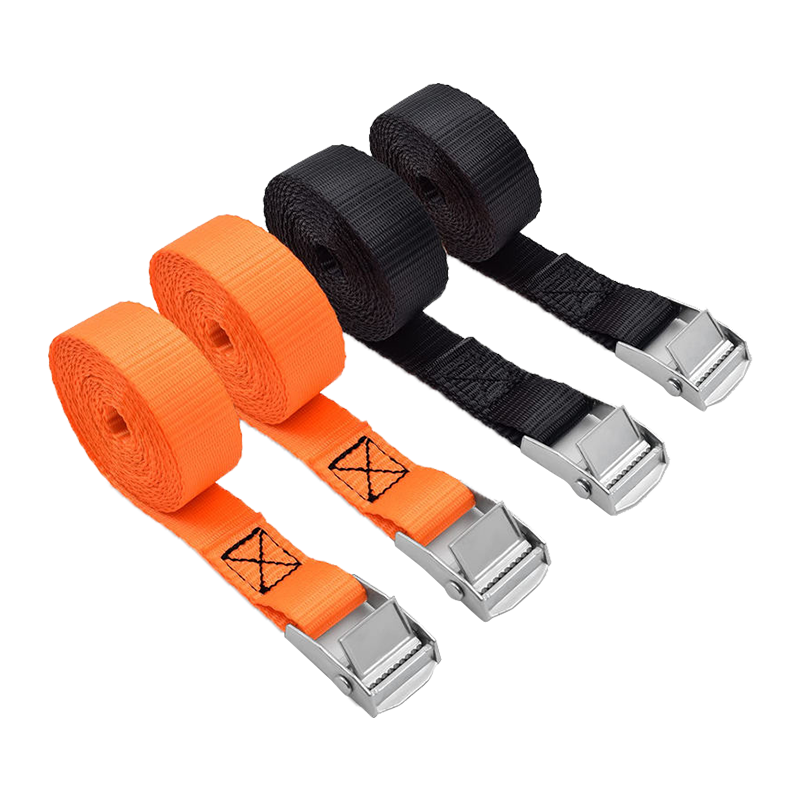
Adjustable Length: With a length of 12 feet, our strap offers flexibility to accommodate different cargo sizes. Easily adjust the length to achieve th...
See Details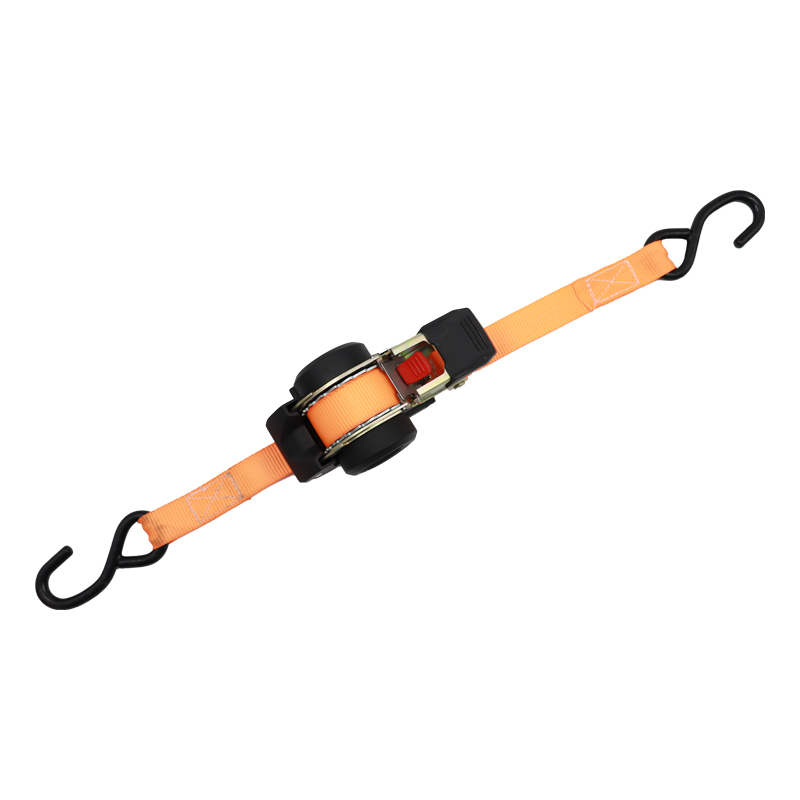
■ Instant automatic retractable strap - Easily retract excess strap length with the click of a button ■ Safety - With cushioning function, the strap ...
See Details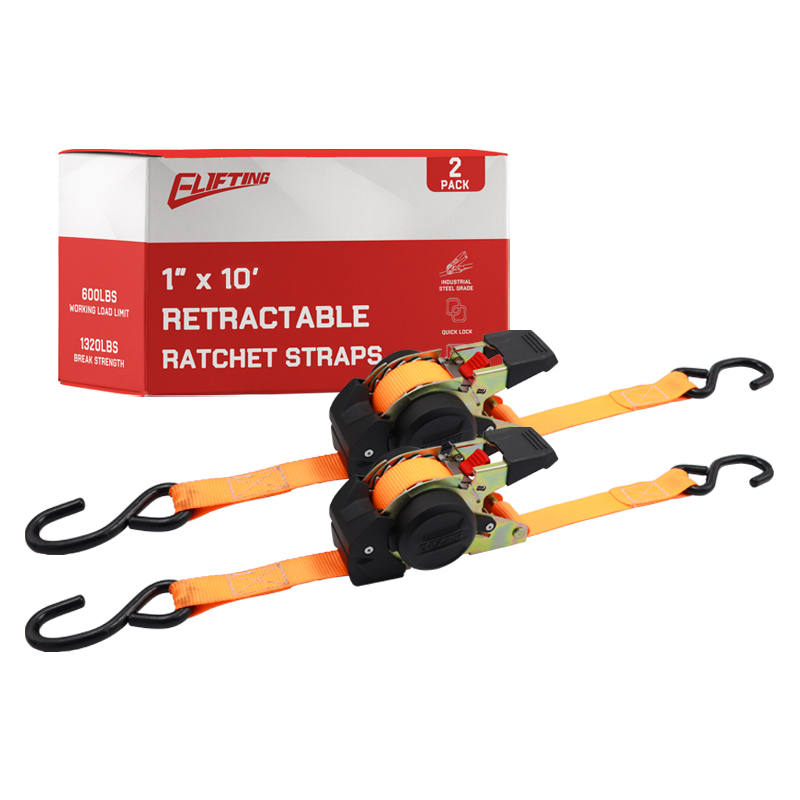
■ Instant automatic retractable strap - Easily retract excess strap length with the click of a button ■ Safety - With cushioning function, the strap ...
See Details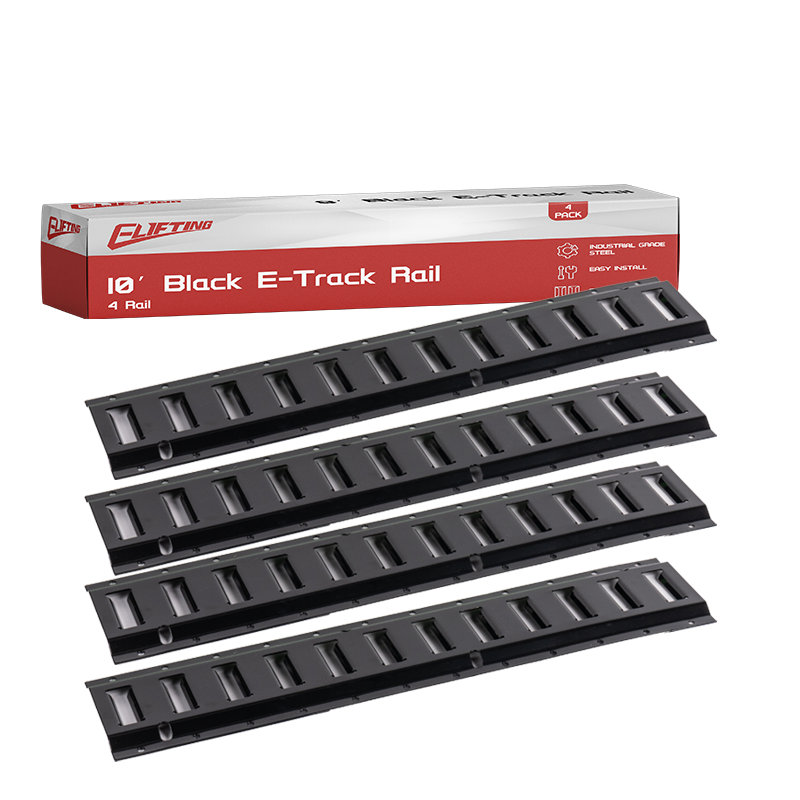
E-Track Rails is a rail system for securing cargo. It consists of a series of aluminum alloy or steel rails with slots, and with different accessories...
See Details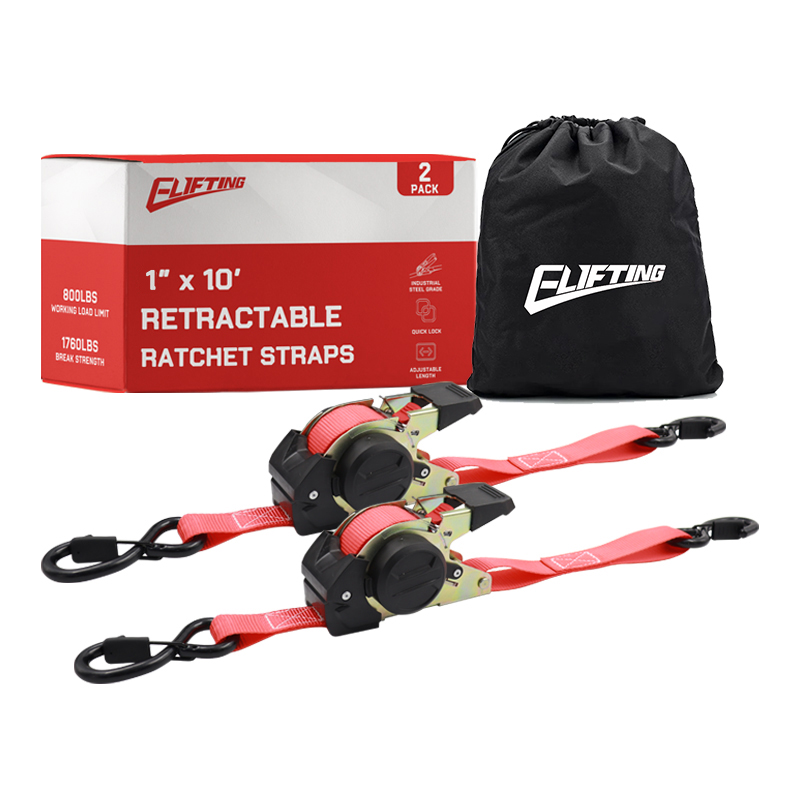
■ Instant automatic retractable strap - Easily retract excess strap length with the click of a button ■ Safety - With cushioning function, the strap ...
See Details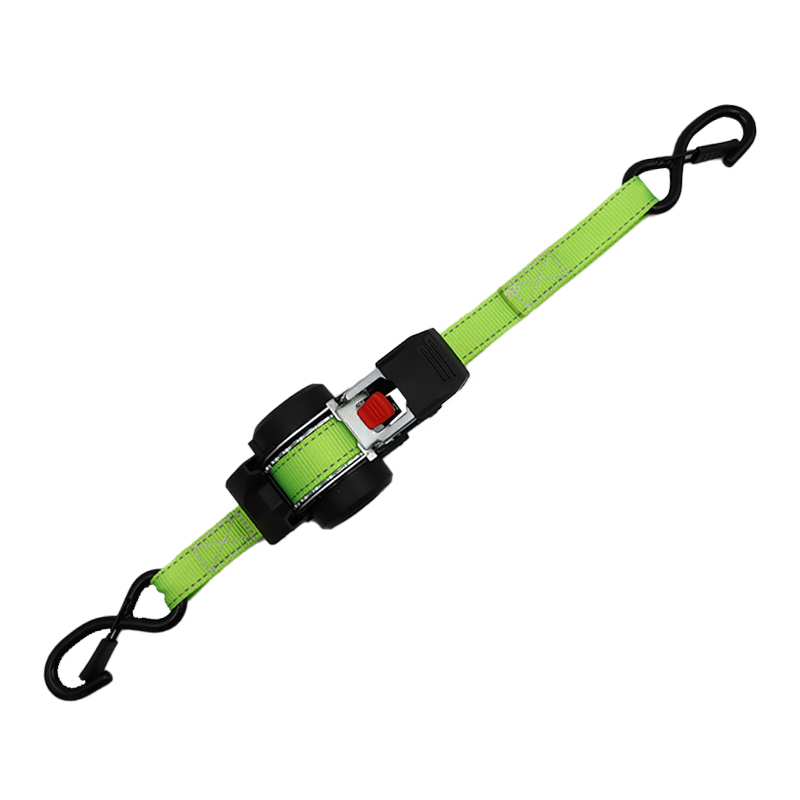
SAFER CONTROLLED RETRACTION - PREVENTS SNAP-BACK: Introducing our enhanced safety design! These retractable ratchet straps feature a built-in speed r...
See Details
SAFER CONTROLLED RETRACTION - PREVENTS SNAP-BACK: Introducing our enhanced safety design! These retractable ratchet straps feature a built-in speed r...
See Details
Shangcheng Village, Tangxi Town, Ningbo, Zhejiang, China
+86 139 5782 7340
