


 English
 中文简体
中文简体
1.5"x15" heavy duty ratchet straps With J Hook
Cat:1.5 Inch Ratchet Straps
HEAVY DUTY: 1.5-inch webbing width & 15-foot length with a 4400LB breaking strength & 2200LB working load limitDURABLE: corrosion-resistant, z...
See DetailsContent
Choosing the right ball hitch size is one of those small decisions that can make a big difference on the road. If you are searching for ball hitch sizes, you likely want a fast answer: the three most common trailer hitch balls are 1-7/8 inches, 2 inches, and 2-5/16 inches. The 2-inch ball fits many rental, utility, boat, and cargo trailers, while 2-5/16 inches is the heavy-duty standard for larger RVs, equipment trailers, and flatbeds. The 1-7/8-inch ball is usually reserved for very light trailers. The correct choice is not simply the one that slips into the coupler; it must also match the ball mount, shank diameter, shank length, and rated towing capacity.
| Ball diameter | Common trailer or coupler type | Typical gross trailer weight range | Shank notes |
|---|---|---|---|
| 1-7/8 in | Light utility, folding, small boat, and personal watercraft trailers | Up to about 2,000 lb | Often uses a 3/4 in shank |
| 2 in | Rental, utility, boat, cargo, and many camper trailers | About 3,500 to 10,000 lb, depending on ball rating | Commonly 3/4 in or 1 in shank |
| 2-5/16 in | Heavy utility, RV, equipment, flatbed, and large cargo trailers | About 10,000 to 30,000 lb or more | Usually 1 in or larger shank |
| 3 in, less common | Heavy industrial and specialized trailers | 30,000 lb and above | Large shank; verify the mount |
A trailer coupler is labeled by the ball diameter it accepts, not by the ball's weight rating. A 2-inch coupler needs a 2-inch ball. A 2-5/16-inch coupler needs a 2-5/16-inch ball. Using a smaller ball in a larger coupler can create a loose connection that may pop off under braking, turning, or bumpy roads. Using a larger ball simply will not fit. Also check the ball mount: the hole must accept the ball shank, and the shank must be long enough to allow proper tightening without bottoming out.
Before you buy a ball, work through the trailer, the mount, and the load. The size stamped on the coupler is the first clue, but it is not the only check.
Read the trailer coupler or tongue label. Many trailers have a stamp, sticker, or plate that states the required ball size, coupler capacity, and trailer weight. If the label is missing, look at the coupler casting for numbers.
Measure the coupler opening. With the coupler closed, measure the inside width where the ball sits. A 1-7/8-inch coupler is about 1-7/8 inches, a 2-inch coupler about 2 inches, and a 2-5/16-inch coupler about 2-5/16 inches. Measure carefully because 2 inches and 2-5/16 inches can look similar at a glance.
Check the ball mount and shank. The ball mount hole may be 3/4 inch, 1 inch, or another size. The new ball must match both the hole diameter and the available shank length. A 2-5/16-inch ball usually needs a heavier mount and a 1-inch or larger shank.
Verify the weight ratings. The ball, ball mount, coupler, hitch receiver, and vehicle all have ratings. The lowest rating in the chain sets the safe limit. Do not choose a ball based only on diameter if the trailer is heavy.
Set the correct ball height. The trailer should sit level when loaded. If the ball is too high or too low, use a ball mount with the right rise or drop. This affects tongue weight, steering, and trailer sway.
Torque and recheck. Tighten the ball nut to the manufacturer's specification, then recheck after the first trip. A loose ball can wear the mount and damage threads.
Ball diameter is the measurement across the sphere, not the shank. It must match the coupler. Shank diameter is the threaded stem that passes through the ball mount. Shank length is the distance from the base of the ball to the end of the threads. Load capacity is the maximum gross trailer weight the ball is rated to handle when properly installed.
These numbers work together. A 2-inch ball with a 3/4-inch shank may be rated for 3,500 lb, while a 2-inch ball with a 1-inch shank may be rated for 10,000 lb. The diameter is the same, but the mounting hardware and capacity are not. Torque specs vary, but many 2-inch balls with 3/4-inch shanks call for roughly 160 lb-ft, while 2-5/16-inch balls with 1-inch shanks often require 250 lb-ft or more. Always follow the ball manufacturer's instructions and use a calibrated torque wrench. If the ball, mount, or receiver shows cracks, rust, or deformation, replace it before towing.
For light-duty trailers, a 1-7/8-inch ball may be enough. These include small utility trailers, folding trailers, and some personal watercraft or boat trailers. They are not intended for heavy cargo or highway speeds with large loads.
For the widest range of everyday towing, the 2-inch ball is the workhorse. Many rental trailers, cargo trailers, boat trailers, and camper trailers use a 2-inch coupler. This is why so many drivers keep a 2-inch ball on their ball mount. However, a 2-inch coupler does not automatically mean a 2-inch ball with the highest capacity; the ball and mount must be rated for the load.
For heavy trailers, the 2-5/16-inch ball is the standard. Large RVs, equipment trailers, flatbed trailers, and enclosed cargo trailers often use this size. It pairs with a heavier ball mount and a higher-capacity hitch. If your trailer has a 2-5/16-inch coupler, never try to make a 2-inch ball work. The fit may feel close, but it is not safe.
Once the hitch is correct, secure the cargo itself. A properly rated ratchet strap or E-track system keeps the load from shifting, which can affect trailer balance and tongue weight. Our team at Easy Lifting builds cargo control equipment for exactly this stage of the job, and we often remind customers that a correct hitch is only half of a safe towing setup.
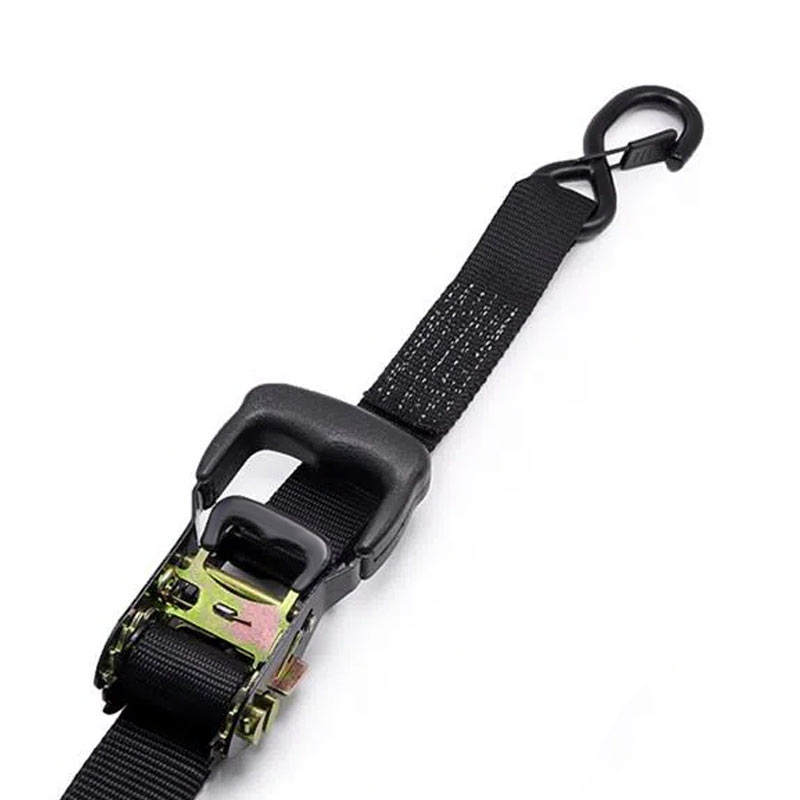 2" x 15" Heavy Duty Ratchet Tie Down StrapsProduct specifications Width 2 inch Length 15 FT or Customized Working Strength 5000 LBS Breaking Strength 11000 LBS Material Polyester Strap Type Ratchet End Fitting ...View Product →
| Mistake | Why it fails | Better approach |
|---|---|---|
| Using a 1-7/8 ball in a 2-inch coupler | A loose fit can cause uncoupling | Match the ball to the coupler exactly |
| Assuming all 2-inch balls have the same capacity | Shank size and rating vary widely | Check the ball rating and ball mount rating |
| Ignoring shank diameter | The ball may not fit or may be underrated | Measure the mount hole and shank |
| Overloading the ball | The ball, mount, or receiver can fail | Keep gross trailer weight and tongue weight within every rating |
| Not torquing the ball | A loose ball wears the mount and can loosen further | Torque to specification and recheck |
With the trailer on the ball, close the coupler latch and insert a safety pin or lock. Lower the tongue jack, then raise it slightly to confirm the coupler is seated. Give the trailer a small lift; if it separates, stop.
Connect safety chains in an X pattern under the coupler, allowing enough slack for turns but not so much that they drag. Attach the breakaway cable or chain to the tow vehicle.
Straps should be rated for the load and attached to solid anchor points. For trailers with E-track, use E-track ratchet straps and rails to create a flexible tie-down system. We make several E-track options for trailer loads and motorcycle transport.
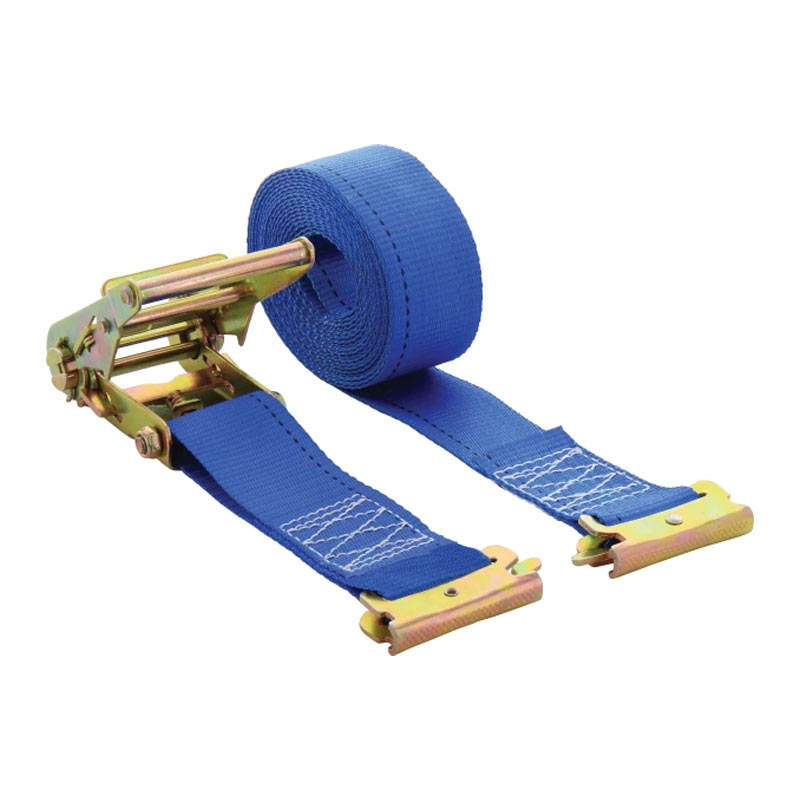 2"x 20" E Track Ratchet Cargo Tie DownsProduct specifications Width 2 inch Length 20 FT or Customized Working Strength 2720 LBS Breaking Strength 6000 LBS Material Polyester Strap Type Ratchet End Fitting E...View Product →
Sharp corners can cut webbing or concentrate force. Plastic corner protectors spread the pressure and help straps last longer, especially on flatbed loads.
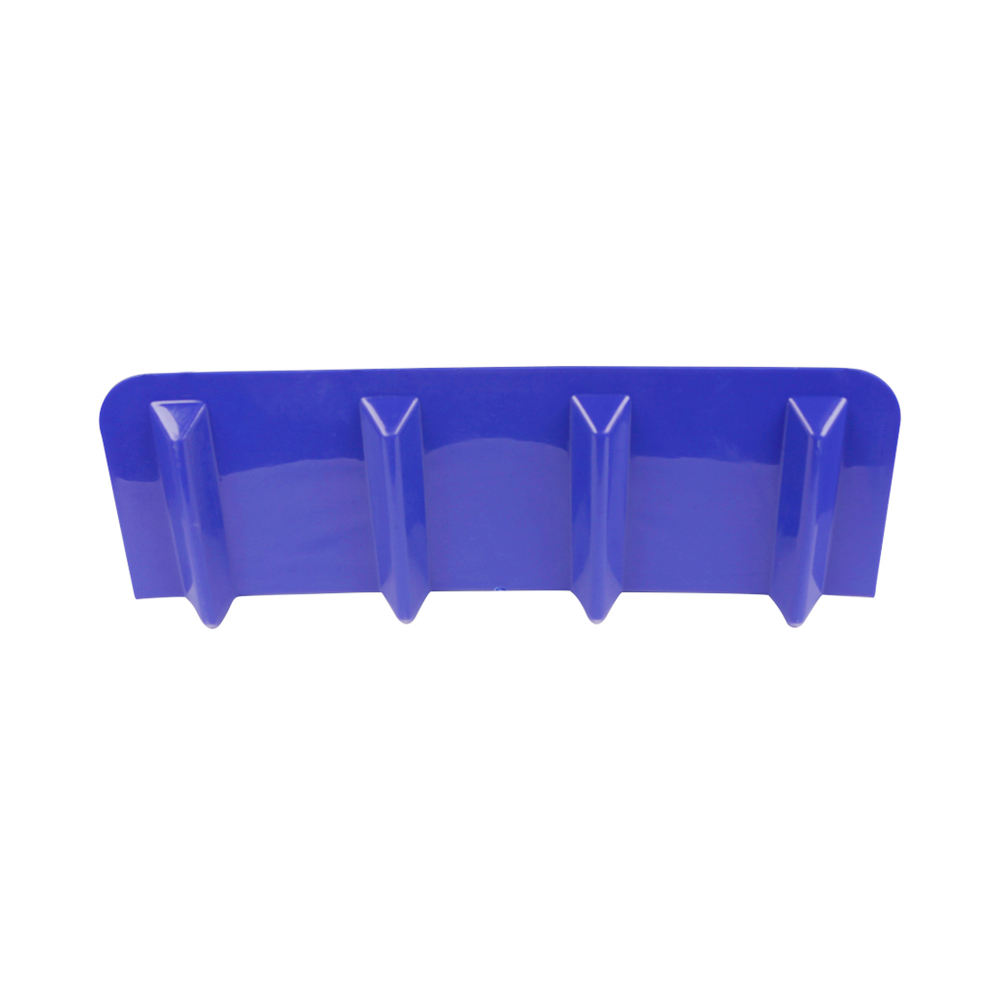 24 Inch Plastic Corner Protector For Flatbed Cargo LoadProduct specifications Width 11.6 inch Length 24 inch Depth 5.5 inch Material Plastic Color Blue or Customized Quantity 1 PackView Product →
Stop and check the hitch, coupler latch, chains, and cargo straps after the first 5 to 10 miles, then at every fuel or rest stop. Straps can stretch, and loads can settle.
Whether you are hauling for logistics and transportation or moving equipment on a weekend, the same rule applies: match the hitch first, then match the tie-down gear to the load. If you want a broader look at cargo control options, our article on ratchet straps for cargo transport covers common applications.
Never rely on ball diameter alone. The coupler, ball, ball mount, hitch receiver, safety chains, and vehicle all have limits. The lowest-rated component determines the safe towing capacity. If any part is worn, cracked, bent, or missing, do not tow. A ball hitch is a simple connection, but it carries the full dynamic load of the trailer. Check it every time you hook up, and remember that a cold or rainy day can make a loose coupler harder to notice.
If you are unsure between 2 inches and 2-5/16 inches, measure the coupler and read the trailer label. When in doubt, ask a trailer dealer or hitch professional. The cost of the correct ball is small compared with the risk of an uncoupled trailer.
In short, most drivers need to choose among 1-7/8, 2, and 2-5/16 inches. Use 1-7/8 inches for very light trailers, 2 inches for many utility and rental trailers, and 2-5/16 inches for heavy-duty towing. Confirm the coupler size, shank size, ball mount, and weight ratings, then torque the ball and secure the load. At Easy Lifting, we spend our days thinking about the cargo side of towing, and we are happy to help you match the right tie-down equipment to your trailer and load.
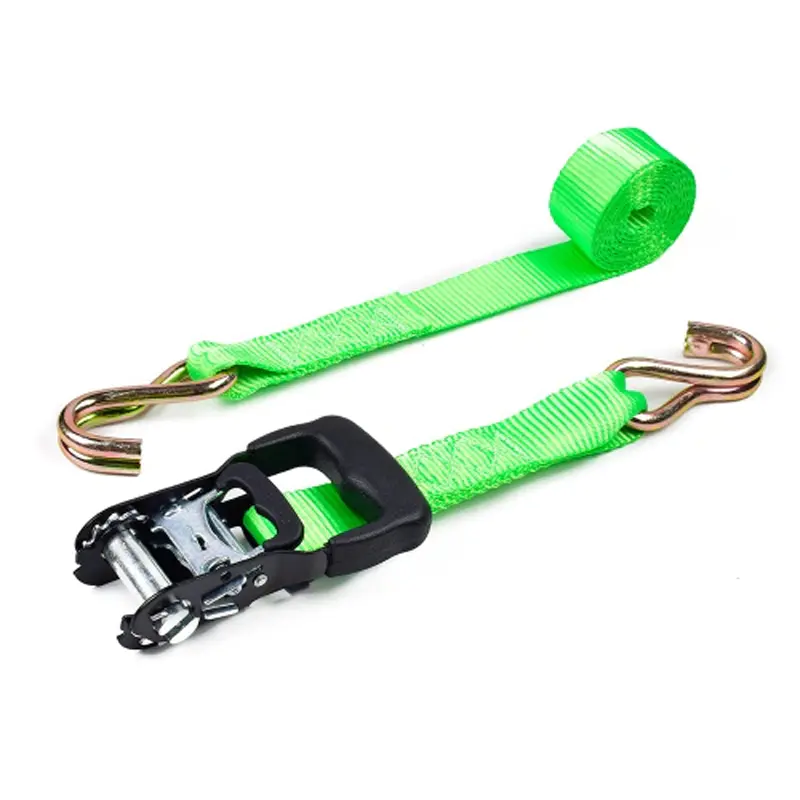
HEAVY DUTY: 1.5-inch webbing width & 15-foot length with a 4400LB breaking strength & 2200LB working load limitDURABLE: corrosion-resistant, z...
See Details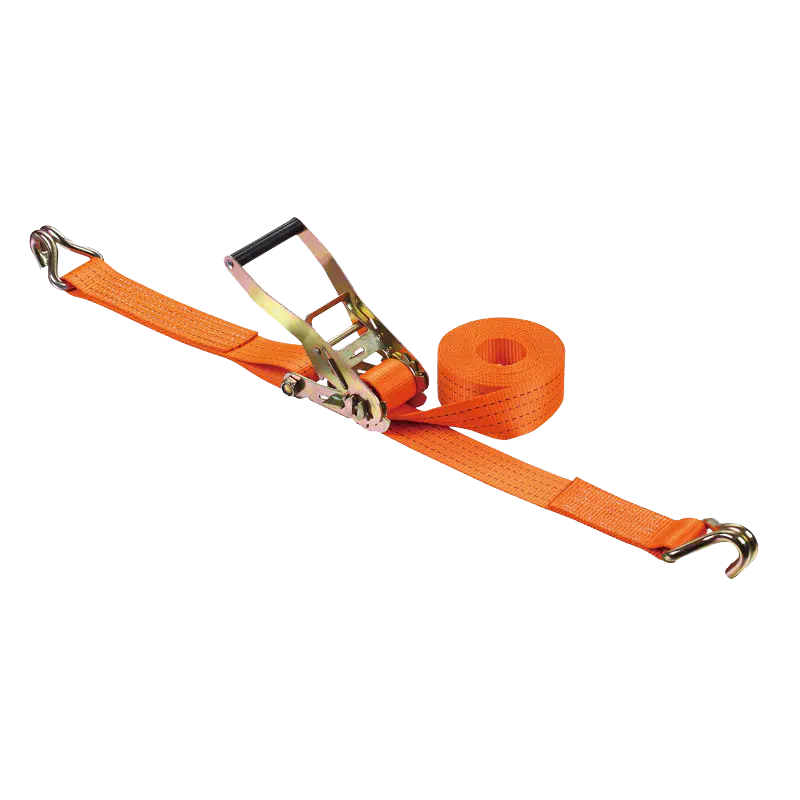
The ingenious ratchet buckle mechanism makes tightening and releasing the strap a breeze. Simply thread the strap through the buckle, pull the webbing...
See Details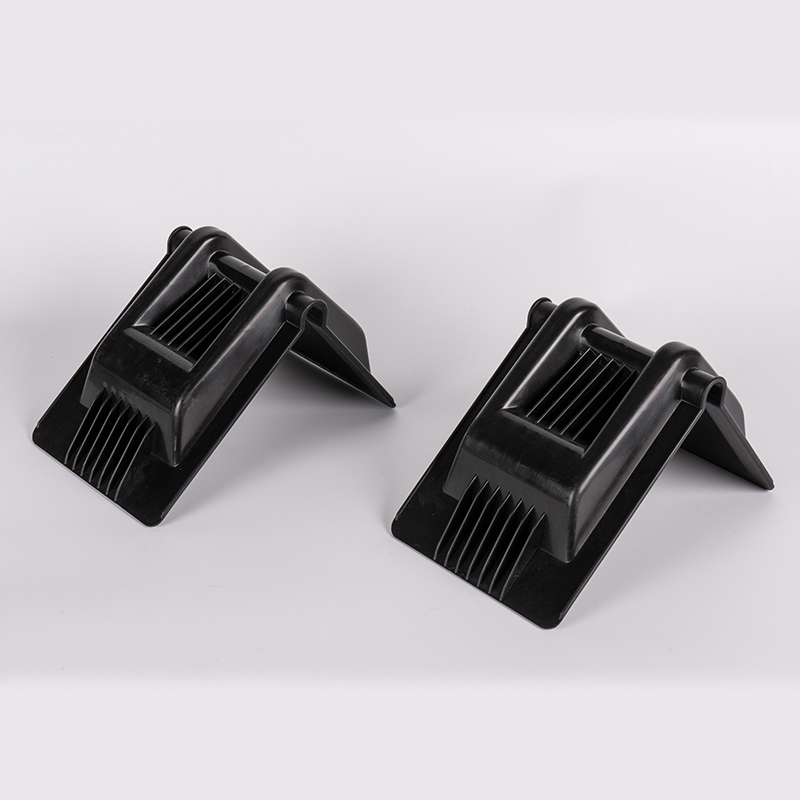
Protect your goods from damage during transportation! Our 6-inch Guard Cargo plastic corner guards are your choice to solve your problem. Made of stur...
See Details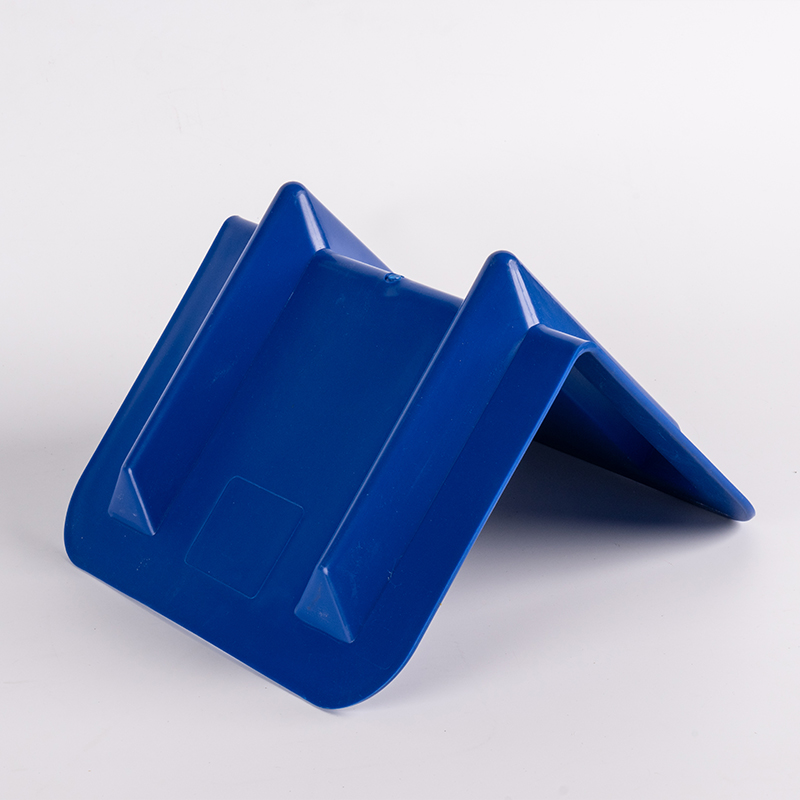
Corner protector shields drywall, plywood sheeting, and much more from damage during loading and transport. High density polyethylene is flexible, so ...
See Details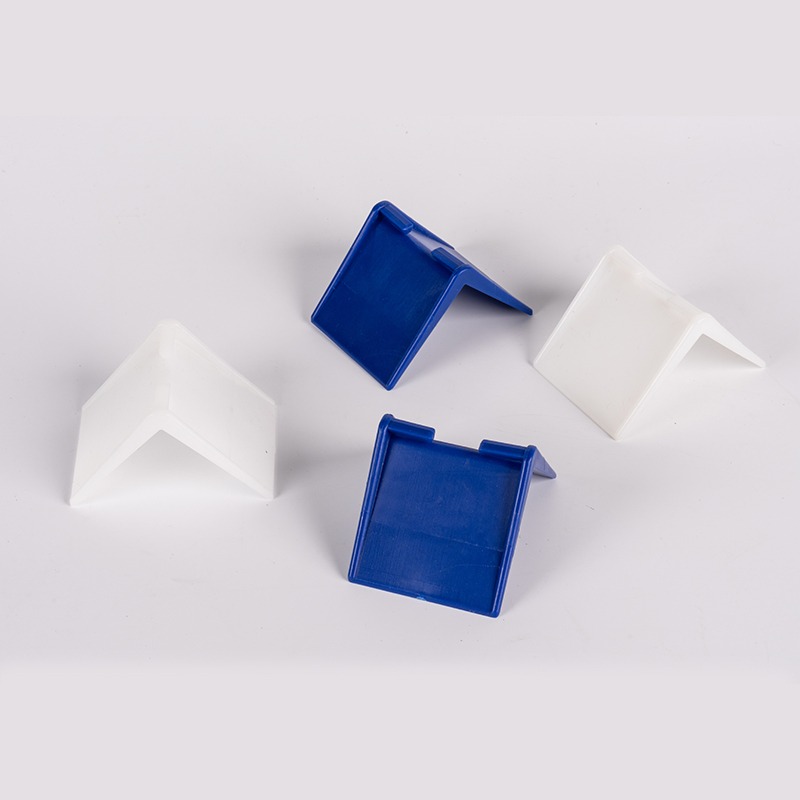
This vee board corner protector is an easy way to protect cargo from damage during transport and secure your straps in place. The high-density polyeth...
See Details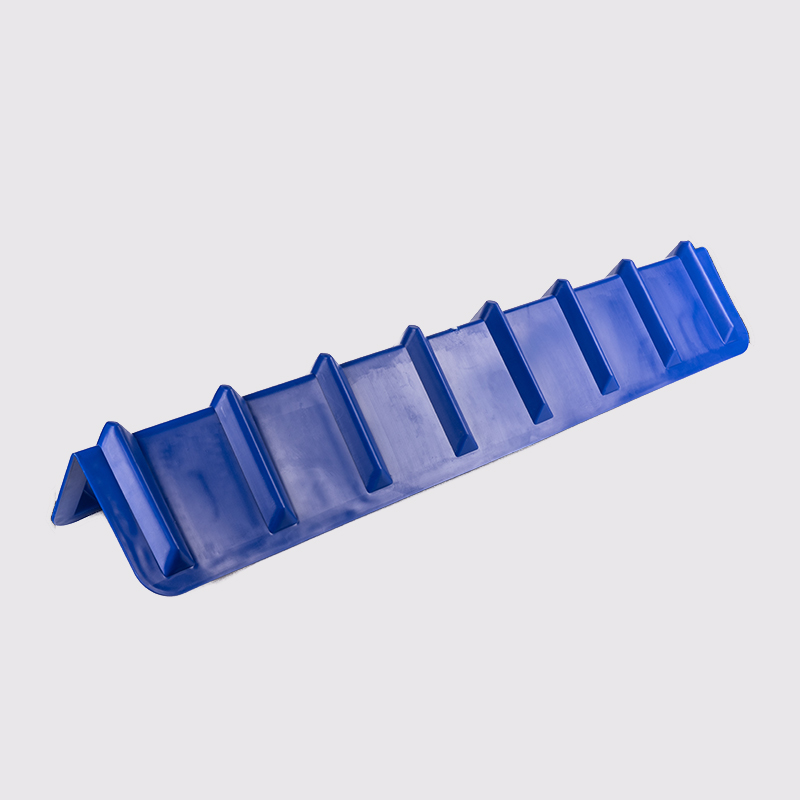
The 48-inch plastic corner guards offer strong resistance to impact and abrasion, protecting your cargo from potential damage in the shipping environm...
See Details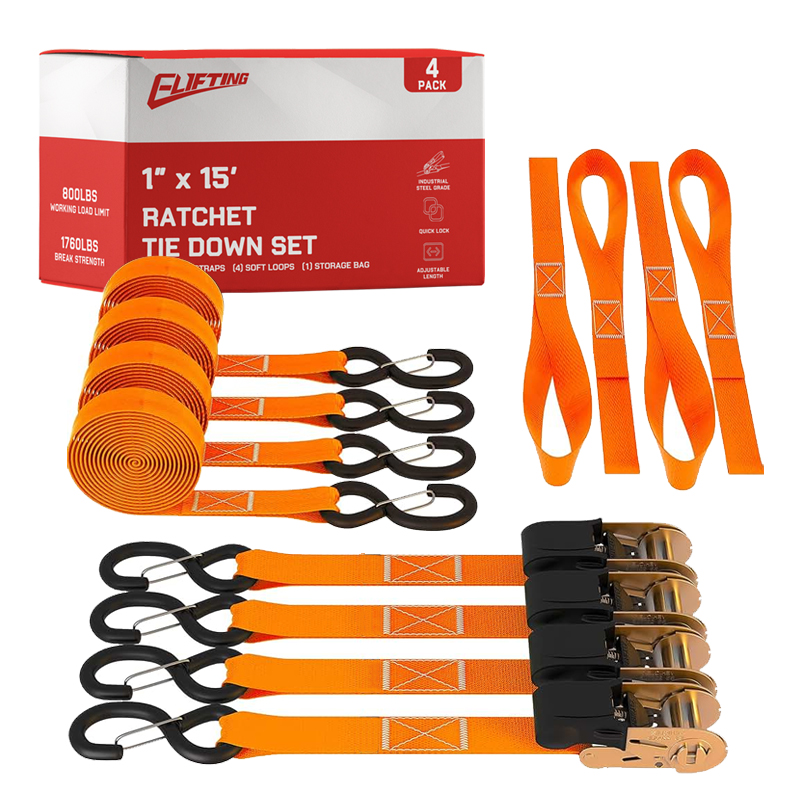
High Strength: Made from durable materials to ensure reliable securing force, suitable for binding and securing various heavy loads. Easy Operation:...
See Details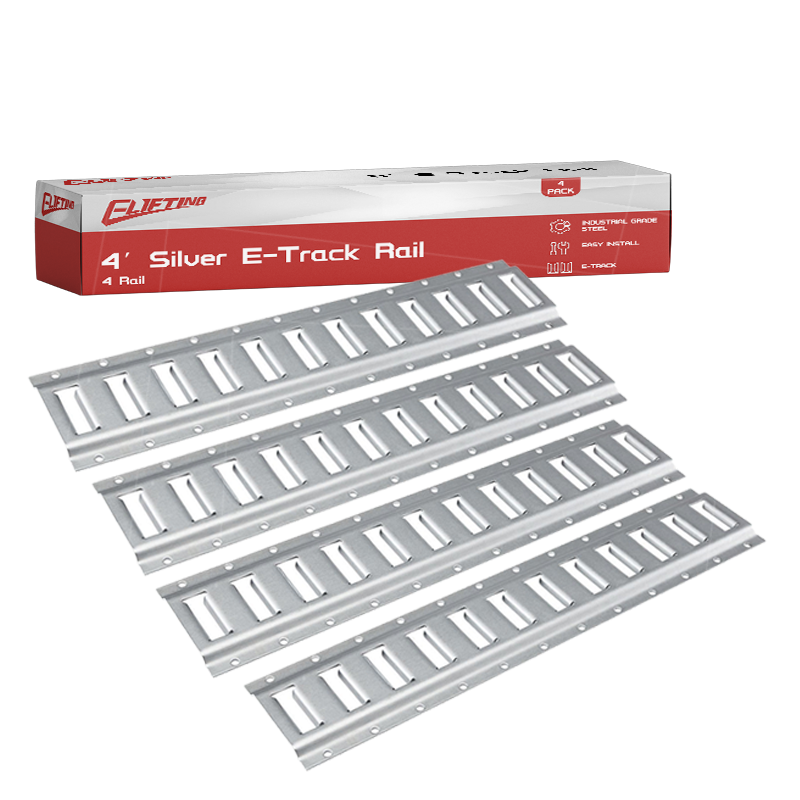
E-Track Rails is a rail system for securing cargo. It consists of a series of aluminum alloy or steel rails with slots, and with different accessories...
See Details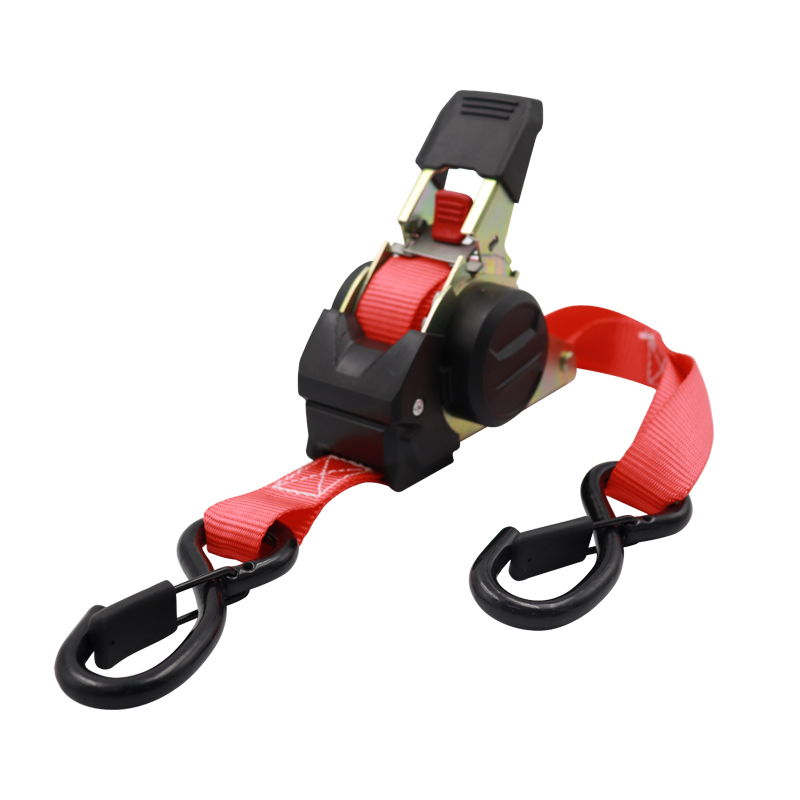
■ Instant automatic retractable strap - Easily retract excess strap length with the click of a button ■ Safety - With cushioning function, the strap ...
See Details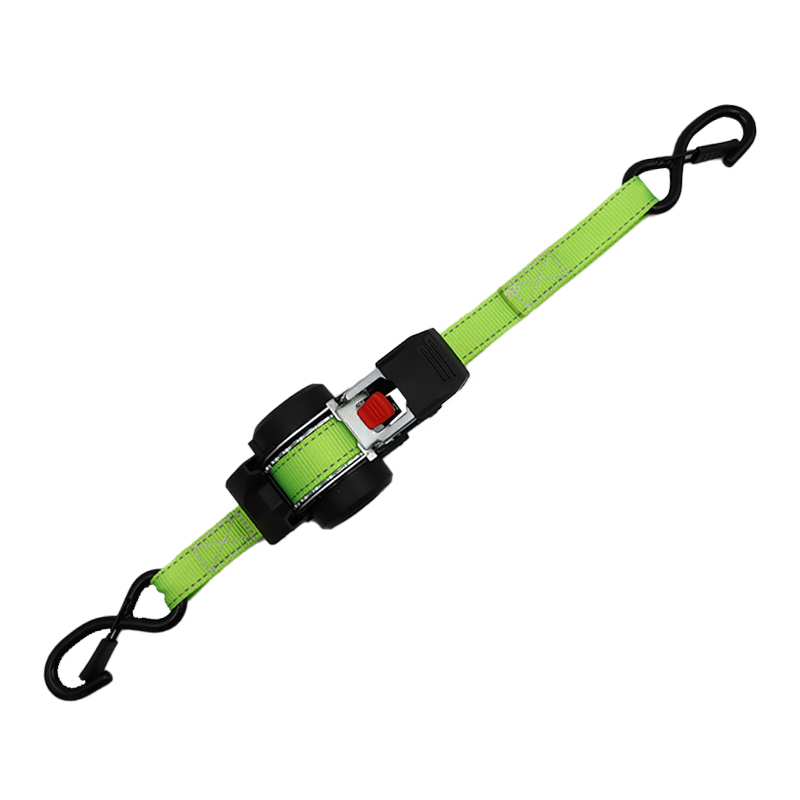
SAFER CONTROLLED RETRACTION - PREVENTS SNAP-BACK: Introducing our enhanced safety design! These retractable ratchet straps feature a built-in speed r...
See Details
Shangcheng Village, Tangxi Town, Ningbo, Zhejiang, China
+86 139 5782 7340
