How to Undo a Ratchet Tie Down: The Short Answer
Start by gripping the loose end of the webbing with one hand, then lift the spring-loaded release lever on the ratchet handle with the other. The moment the pawl clears the gear teeth, the drum spins free and the strap can be fed out under control. The move takes about five seconds on a well-kept strap, and the only real danger is letting the webbing fly while tension is still stored in it.
We build ratchet tie downs every day at Easy Lifting, and the question we hear most from drivers, yard crews and trailer owners is not how to tighten a strap. It is how to get one off again without a fight. The release side of a ratchet is simple once you know what happens inside the handle, so this guide walks through the mechanism, a step-by-step release, the load numbers behind the tension, and what to do when a lever refuses to move.
What Is Really Happening Inside the Ratchet Handle
A ratchet tie down is a drum, a gear wheel, a spring and a pawl. The webbing winds onto the drum, the gear is fixed to the drum, and the pawl is a small metal finger that the spring presses into the teeth of the gear. Turn the handle one way and the pawl clicks from tooth to tooth while the drum holds position. Try to turn it the other way and the pawl wedges against a tooth and blocks it. That one-way lock is the whole reason a strap holds a load without a knot.
The Pawl and the Gear Wheel
Because the pawl is spring loaded, undoing a strap is not about unwinding the drum. It is about lifting the pawl out of the teeth. When the release lever swings the pawl clear, the lock disappears and the tension you cranked in during tightening is free to push the webbing back out. The tighter the strap, the harder the pawl presses into its tooth, and the stiffer the lever feels in your hand.
Finding the Release Lever on Your Strap
Almost every ratchet handle carries its release on the top or the side of the handle body, close to where the drum sits. On our 1-inch and 1.5-inch handles it is usually a flat plate with a slightly curled tip; on 2-inch handles it is often a wider lever or a trigger that squeezes toward the handle. Some models tuck the release underneath in a deep recess, which protects it from knocks but hides it from gloved fingers. Run a thumb along a new handle once and you will find it in seconds every time after that.
Retractable and Cam Buckle Straps Release Differently
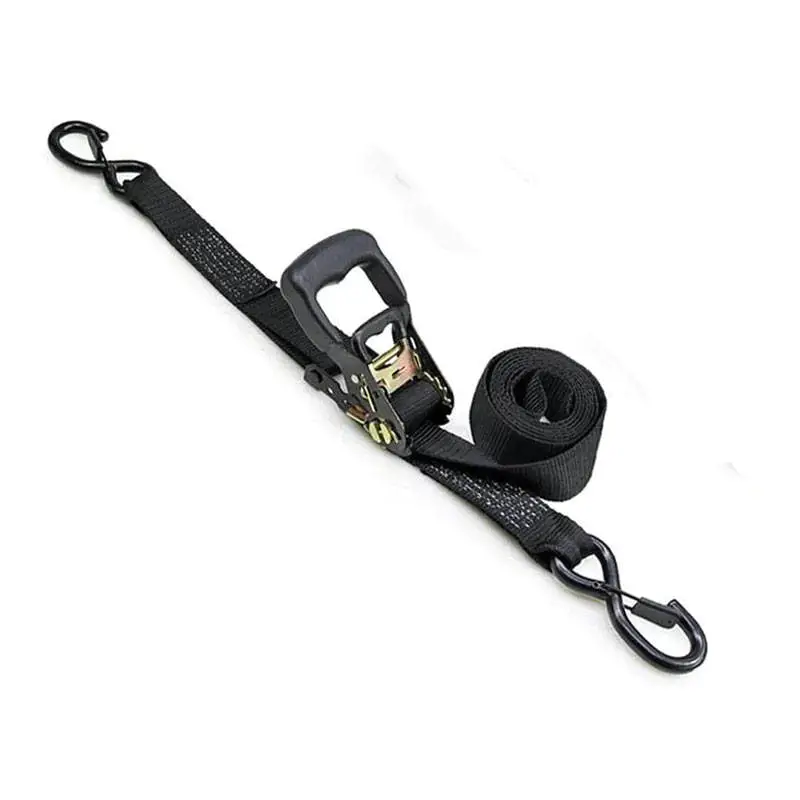
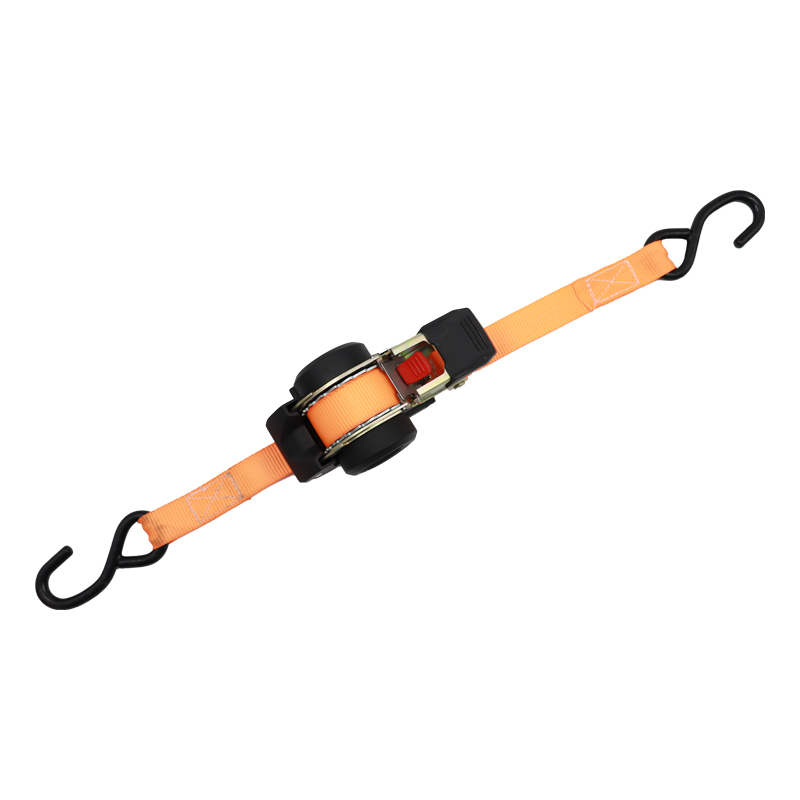
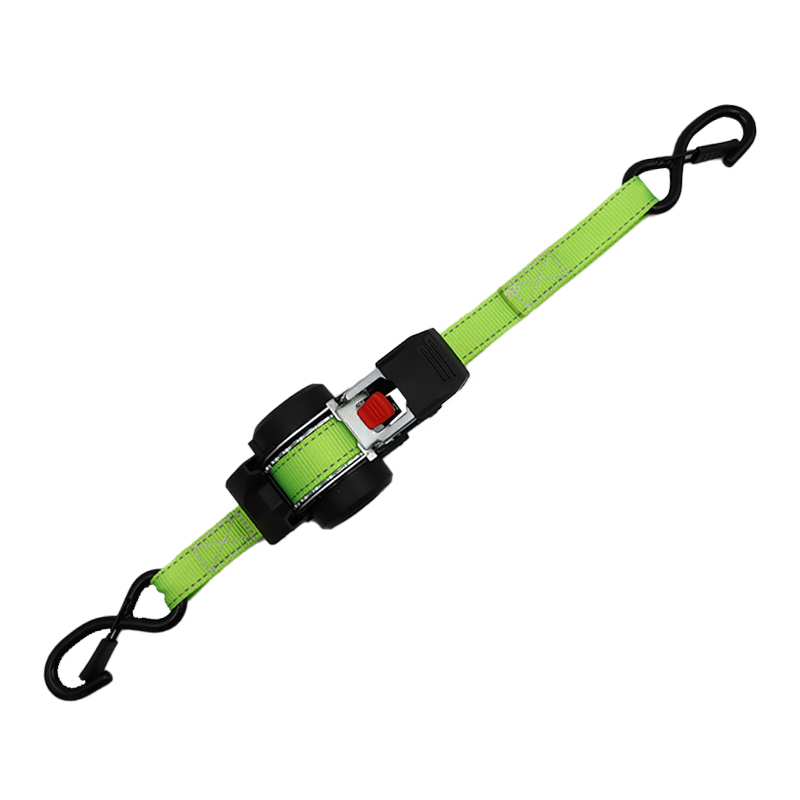
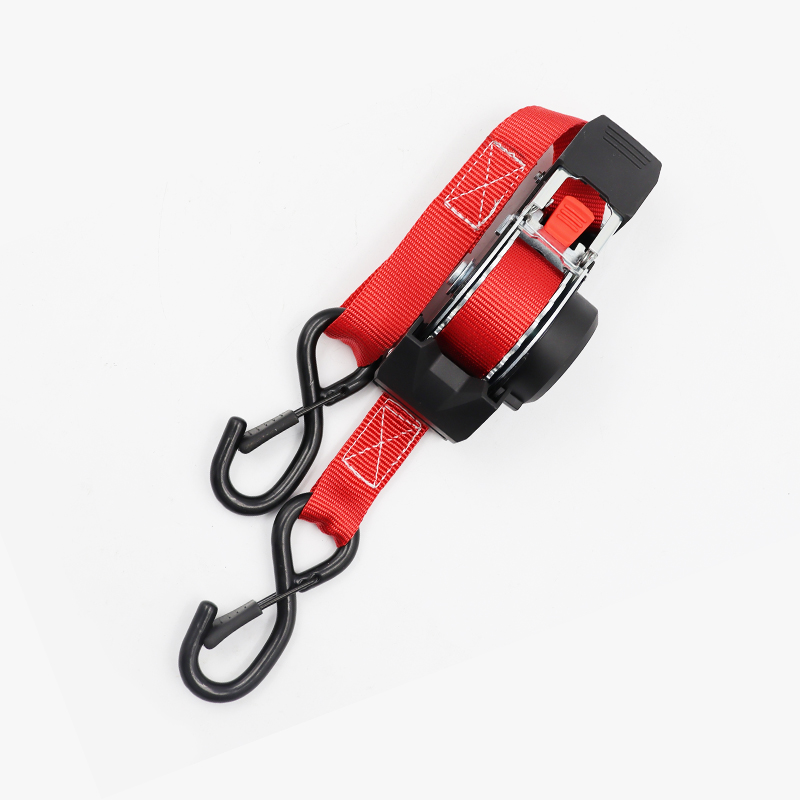
Retractable ratchet straps still use a pawl, but they add a coil spring inside the drum. Press the release and the spring winds the webbing back in on its own, so keep a hand on the hook end and guide it home instead of letting it fly. A cam buckle has no pawl and no gear at all: it holds by pinching the webbing between a spring-loaded cam and the frame, and it undoes when you tip the cam back with your thumb while pulling the webbing through. Both designs show up every day in logistics and transportation, where crews release dozens of straps per shift.
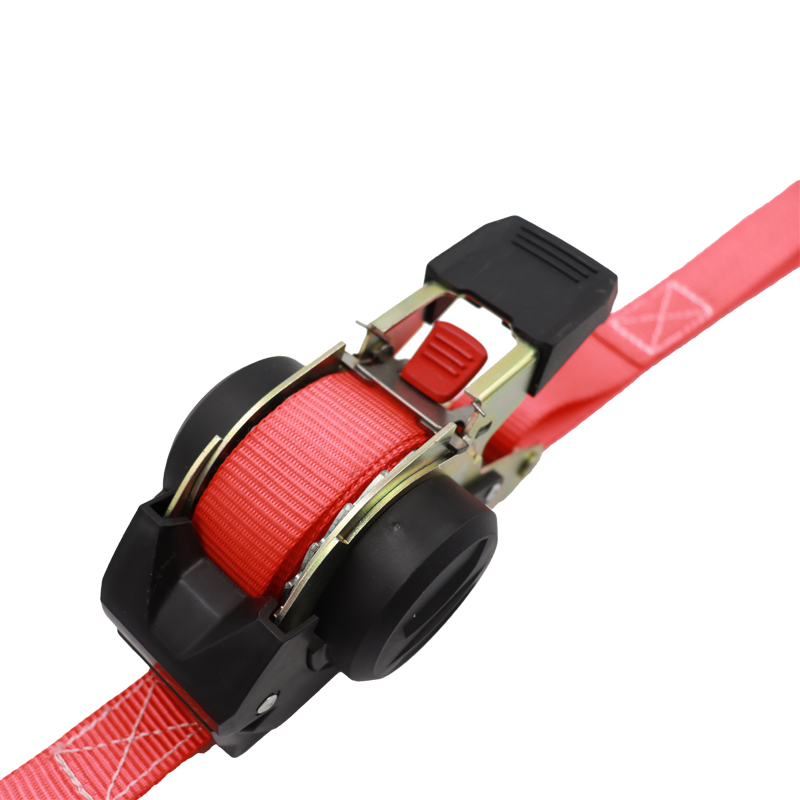 Easylifting 1 inch X 10 ft 1760LBS Retractable ratchet strap1.5"x15" heavy duty ratchet straps With J HookView Product →
Step-by-Step: Undoing a Ratchet Tie Down Without a Snap
Work through these steps in order, especially on a trailer deck, where loose webbing can whip across an arm or a face.
- 1Make the load safe first. Park on level ground, set the parking brake and chock the wheels. A strap is a backup to a stable load, never the only thing holding it.
- 2Stand out of the strap line. Position yourself to the side of the webbing rather than in front of it, so a rebound travels past you instead of into you.
- 3Take control of the free end. Wrap the loose webbing once around a gloved hand, thumb on top. This is what stops the strap from snapping back the instant the pawl lets go.
- 4Unload the pawl. Push the handle forward a fraction, as if you were tightening, to take pressure off the gear tooth. On a heavily tensioned strap this small move is the difference between a lever that moves and one that feels welded shut.
- 5Lift the release lever and unwind slowly. Hold the lever fully open and turn the handle backward, or let the drum pay out webbing while your other hand meters the speed. Feed it out in short, even pulls.
- 6Unhook, inspect and roll. Once the webbing is slack, unhook both ends, check the hooks and the webbing edges, then coil the strap for storage.
On a retractable strap, step five changes slightly: press the retract release, then walk the hook back toward the handle while the spring winds the webbing in.
Tension, Load and Why the Lever Fights Back
Working load limit is usually about one third of the breaking strength, so a 5,000 lb strap is rated to hold roughly 1,670 lb in normal service.
Every pound of tension cranked into the webbing is also a pound pressing the pawl into a gear tooth. That is why a strap that released with two fingers on an empty trailer can feel locked solid on a loaded one, and why a heavy-duty handle has a longer lever arm than a light one. More leverage when tightening means more stored force against the pawl when you undo it.
Three things change how the release feels. Tension is the biggest, and it drops quickly once the pawl clears. Temperature comes next, because cold webbing stiffens and grips the drum while a freezing handle makes the lever sluggish. Dirt is the third, since grit packed into the gear teeth raises friction and can leave the pawl hanging on a burr.
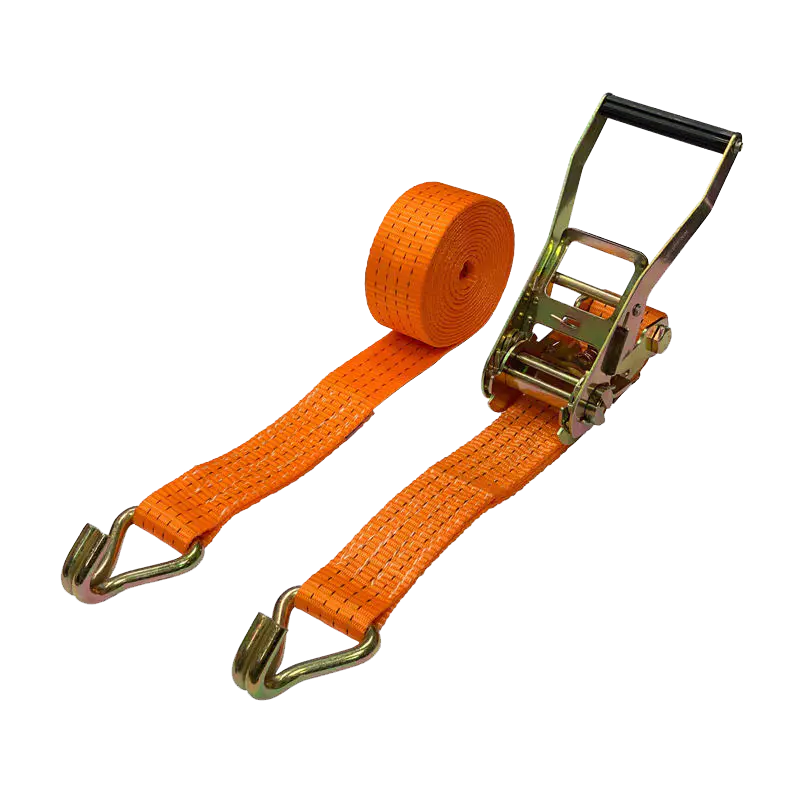
Heavy hauling brings all three together at once. A 2-inch x 15 ft heavy-duty ratchet tie down built for flatbed and equipment loads is designed to hold serious tension all day, which is exactly why it deserves a slow, deliberate release: unload the pawl, hold the free end, and let the drum pay out inch by inch.
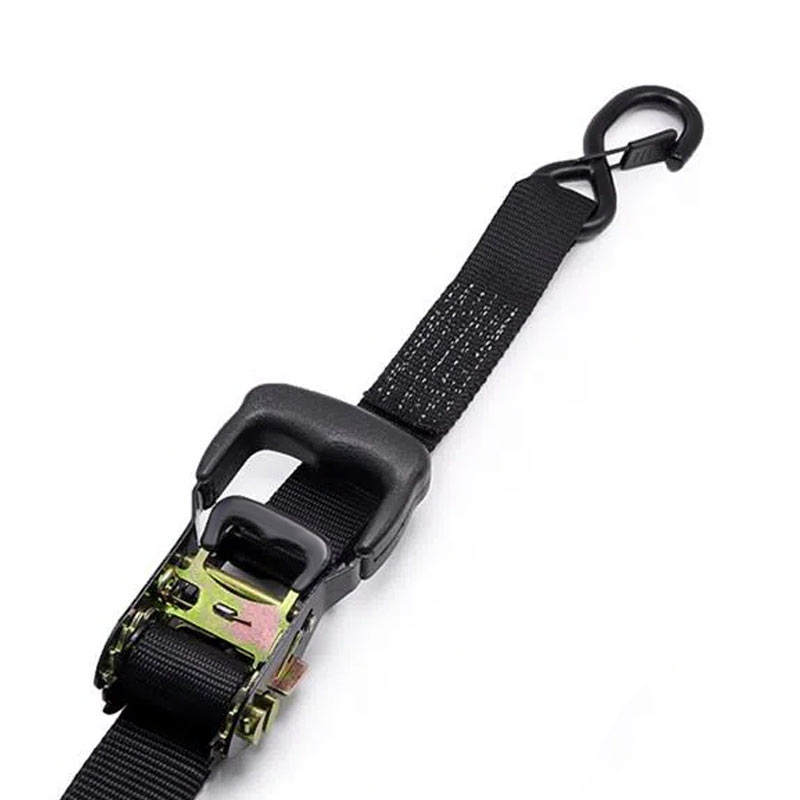 2" x 15" Heavy Duty Ratchet Tie Down StrapsProduct specifications Width 2 inch Length 15 FT or Customized Working Strength 5000 LBS Breaking Strength 11000 LBS Material Polyester Strap Type Ratchet End Fitting ...View Product →
Match the Strap to the Job Before You Ever Tighten It
Release problems are often sizing problems. A strap that is too small for the load has to be over-tensioned to feel secure, and over-tensioned straps are the ones that fight back at the lever. The table below shows how the most common widths compare in practice.
Approximate working load limits are calculated at one third of the stated breaking strength; always confirm the rating printed on your own strap.
| Strap width |
Typical breaking strength |
Approximate working load limit |
Common use |
Release feel |
| 1 in (25 mm) |
1,600 lb |
about 530 lb |
Light cargo, ATVs, small trailers |
Light lever, one-finger release |
| 1.5 in (38 mm) |
5,000 lb |
about 1,670 lb |
General cargo and equipment |
Firm lever, full travel |
| 2 in (50 mm) |
5,000 lb and up |
about 1,670 lb and up |
Heavy equipment, flatbed loads |
Two hands and steady control |
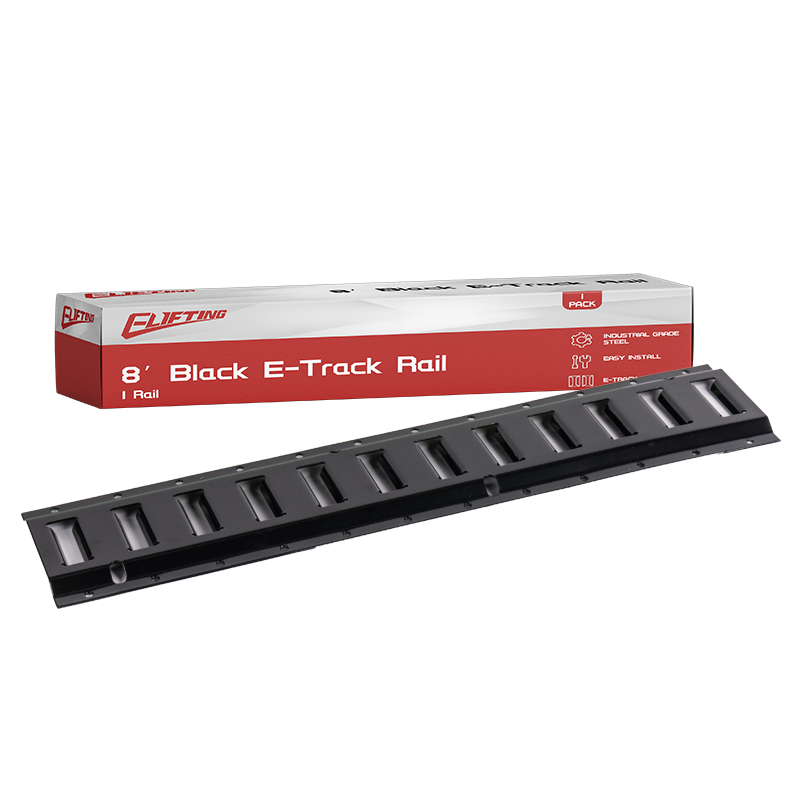
| 2 in E-Track |
5,000 lb and up |
set by the track rating |
Trailer and van interior loads |
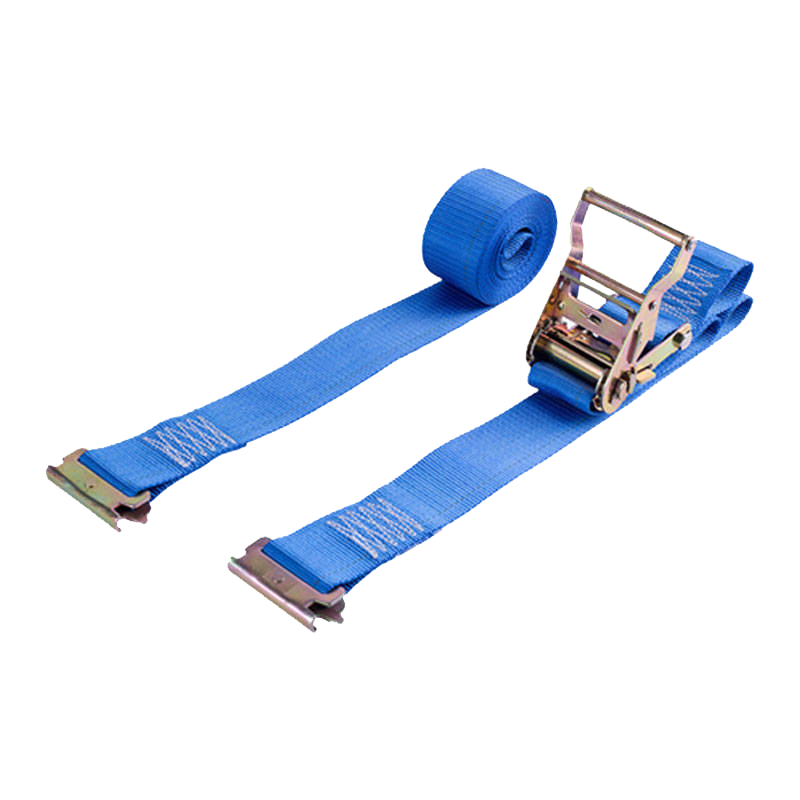
Same lever, plus a track fitting |
Importers and fleet buyers usually standardise on two widths, so one release technique covers most of the trailers in the yard.
Troubleshooting: When a Ratchet Tie Down Will Not Undo
Most release faults come down to tension, dirt or webbing wrapped on the drum, and none of them need tools.
If a strap still will not release after these checks, retire the ratchet rather than forcing the mechanism.
| Problem |
Why it happens |
What to do |
| The lever will not budge |
The pawl is pressed hard against a loaded gear tooth |
Push the handle forward slightly to unload the tooth, then lift the lever with a gloved hand |
| The strap releases and snaps back |
Stored tension in stretched webbing |
Keep a hand wrapped around the free end and pay the webbing out slowly |
| The drum turns but the webbing stays tight |
Webbing has wrapped over itself on the drum |
Pull the free end out by hand, straighten the wrap, then release again |
| The cam buckle will not loosen |
The cam is still biting the webbing |
Tip the cam fully back with your thumb and pull the webbing through at an angle |
| The lever moves but the drum stays locked |
Grit or a burr is holding the pawl down |
Brush the gear clean, rinse with water, dry it fully and check the pawl spring |
| The lever is bent or missing |
Handle dropped, pried or run over |
Replace the ratchet; never lever the pawl with a screwdriver or bar |
Shop Floor Tips for a Cleaner Release
Push before you pull. The most useful trick on our production floor is rocking the handle forward a fraction before lifting the release. It takes the load off the pawl and turns a two-handed fight into a one-finger click.
Work the lever through its full travel. A half-lifted lever lets the pawl drop back onto the next tooth, which is how straps end up skipping and jamming instead of releasing smoothly. Lift until you feel the pawl let go, hold it there, and unwind.
Wear gloves and never stand over the strap. Keep both feet clear of the webbing line, release from the side, and practise on an unloaded strap first so the movements are automatic before you are standing next to a loaded trailer.
Keep the hardware dry and clean. A drop of oil on the pivot is fine, but never on the webbing itself.
Habits That Keep Straps Easy to Undo Next Time
- Coil the strap loosely instead of knotting it. A knot pulls tight under load, jams the webbing and makes the next release far harder.
- Store straps dry and off the floor, because damp webbing stiffens, mildews and loses strength over time.
- Inspect the release lever, pawl spring and gear teeth after every heavy job, and clear out grit before it hardens.
- Check the webbing edges and stitching regularly; a cut in 1-inch webbing spreads quickly once tension is applied.
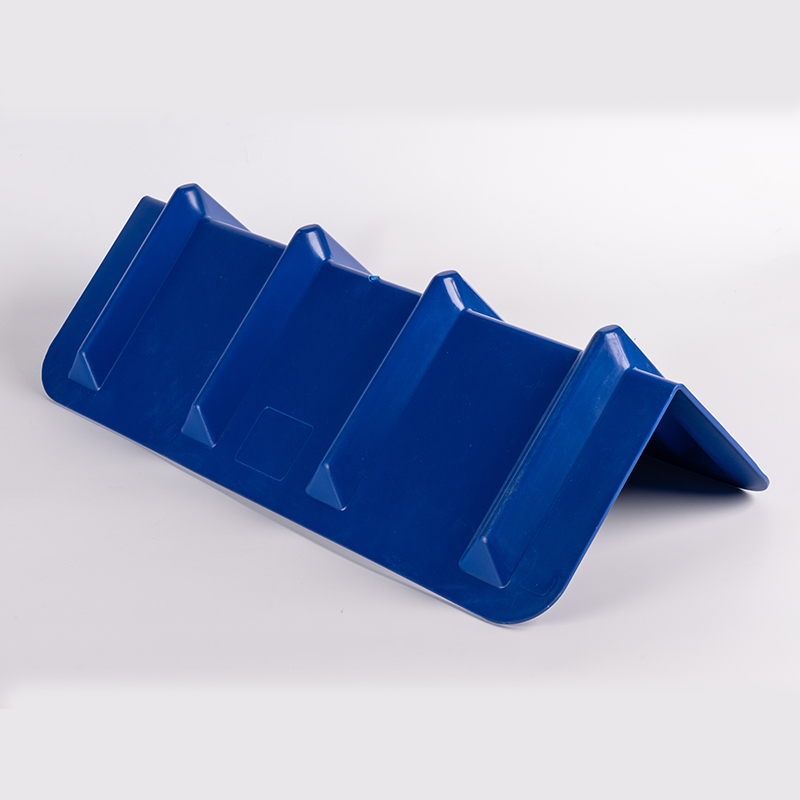
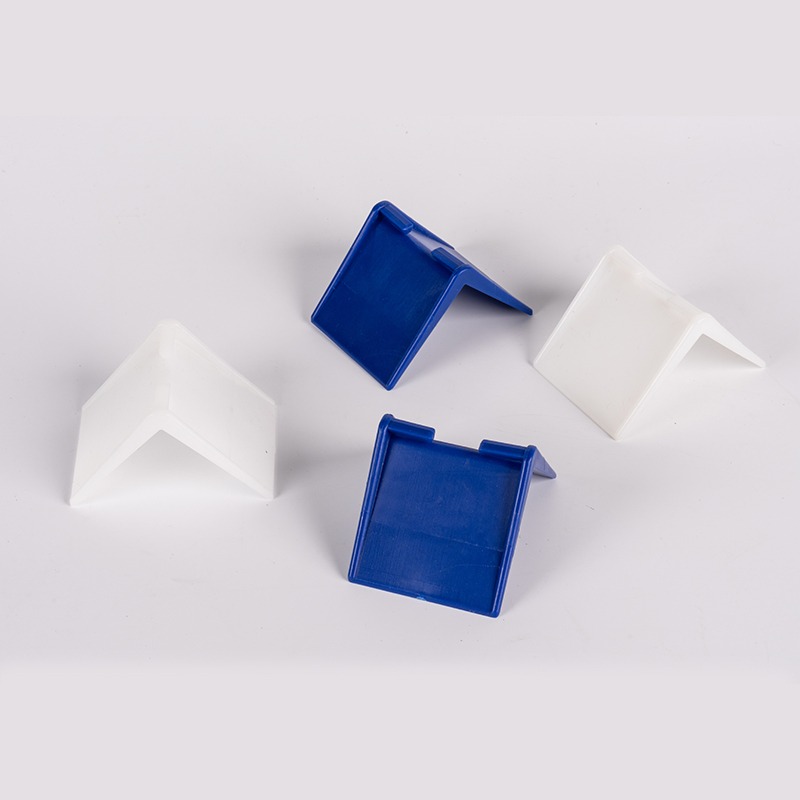
- Use plastic corner protectors on sharp edges so the webbing is not damaged where it bends around the load, which keeps release tension predictable.
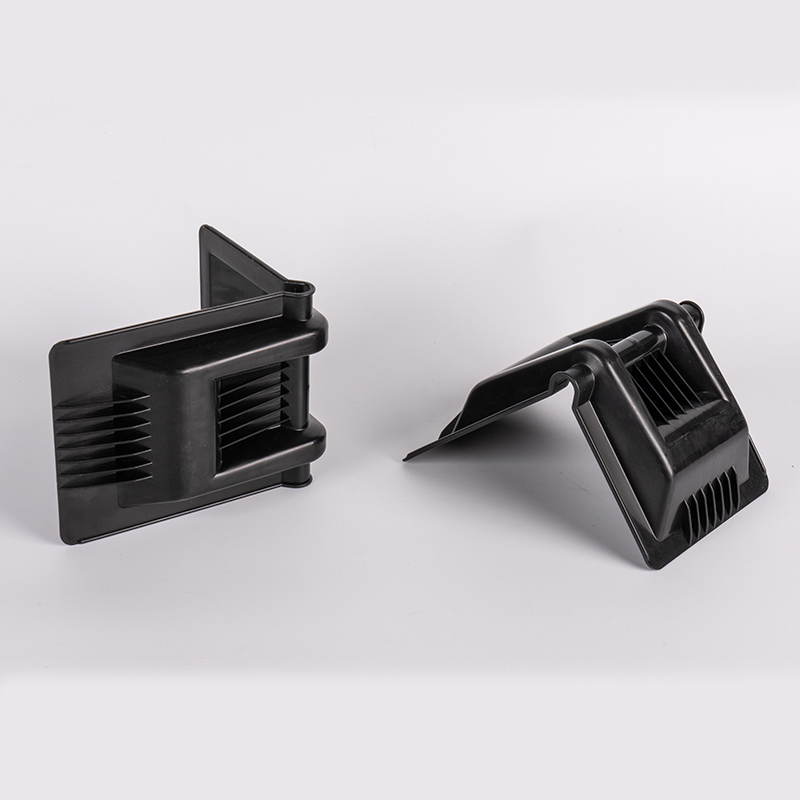 6 Inch Guard Cargo Plastic Corner Guard Fits Straps Up To 4 InchesProduct specifications Width 8.66 inch Length 6 inch Depth 2.83 inch Material Plastic Color Black or Customized Quantity 1 PackView Product →
Safety Notes Before You Release Anything
A loaded strap stores energy, and releasing it is the moment that energy goes somewhere. Stay out of the strap line, keep your face and body to the side, and never release a strap while standing on top of the load.
Never pry a pawl with a screwdriver, bar or knife. If the lever will not move after you unload the tooth, the mechanism needs cleaning or replacing, not more force.
Retractable straps house a coiled spring under tension, so do not open the drum housing to investigate a slow retract.
Retire any strap with cuts, glazing or damaged stitching, and never exceed the working load limit printed on the label. After release, check both hooks for bending or cracks before the strap goes back in the box.
Straps That Release as Well as They Hold
Easy Lifting has been manufacturing cargo securement hardware in Ningbo since 2005, producing ratchet tie downs, cam buckle straps, hooks, E-Track rails and plastic corner protectors for importers, trailer builders and logistics operators around the world. Every handle we ship is designed so that the release side is as reliable as the tightening side, because a strap that comes off cleanly is a strap that gets used properly. If you would like to see how different strap types behave across different jobs, our overview of ratchet strap applications is a good next read, and our export team is always happy to discuss a specification with you.




 English
 中文简体
中文简体