


 English
 中文简体
中文简体
1" x 10ft Cargo Ratchet Straps With J Hook
Cat:1″Ratchet Straps
Ratchet tie-down 1000 lbs breaking strengthEASY OPERATION AND QUICK RELEASE: The coated handle features a release lever for easy operation and release...
See DetailsRetractable ratchet straps have quietly become one of the most practical tools in modern cargo control. Instead of wrestling with loose webbing and tangled hooks, you pull, tension, release, and let the mechanism wind the strap back into a compact housing. That small convenience changes how crews work on flatbeds, trailers, and service trucks every day.
At Easy Lifting, we have spent years building tie-down systems for customers who move heavy loads in real conditions. This guide shares what matters when you choose, use, and maintain retractable ratchet straps.
Content
Traditional ratchet straps work well, but they leave you with a pile of webbing after every job. Retractable models solve that by keeping the strap attached to a spring-loaded drum. When tension is released, the webbing retracts automatically, so storage takes seconds rather than minutes. For fleets and owner-operators, that means less clutter in the cab, fewer trip hazards on the deck, and a lower chance of damaged webbing from being slammed in a door or dragged over concrete.
A retractable ratchet strap stores itself in seconds — no loose webbing, no tangled hooks, no guesswork.
The principle is simple: a ratchet mechanism tensions the strap, and a return spring winds it back. The best versions use corrosion-resistant housings and reinforced webbing, because a strap that retracts beautifully but fails under load is no bargain. If your work involves regular cargo movement, you can see how this fits into broader logistics and transportation operations.
Width is not just a size preference. It determines the breaking strength, the hardware compatibility, and how well the strap spreads load across cargo edges. The table below gives a practical starting point, though you should always confirm the working load limit for your specific application.
| Strap Width | Typical Breaking Strength | Common Applications |
|---|---|---|
| 1 inch | 1,600 to 1,760 lb | ATVs, small equipment, light cargo |
| 1.5 inch | Up to 5,000 lb | Utility trailers, compact loads |
| 2 inch | 5,000 lb and above | Heavy cargo, flatbeds, vehicles |
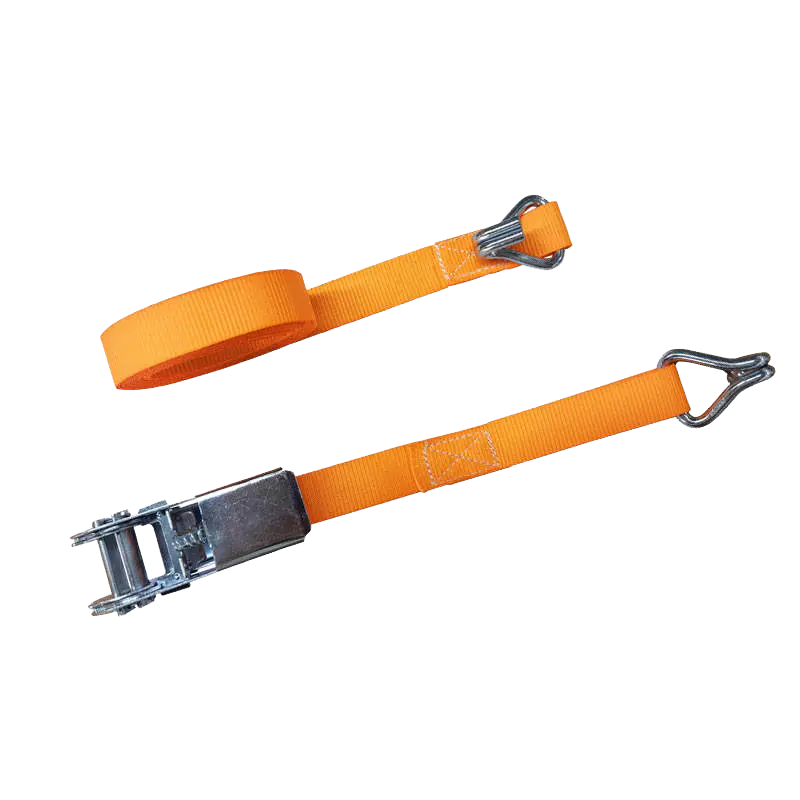
For heavier jobs, a 2-inch strap with a secure hook is often the right foundation. Our 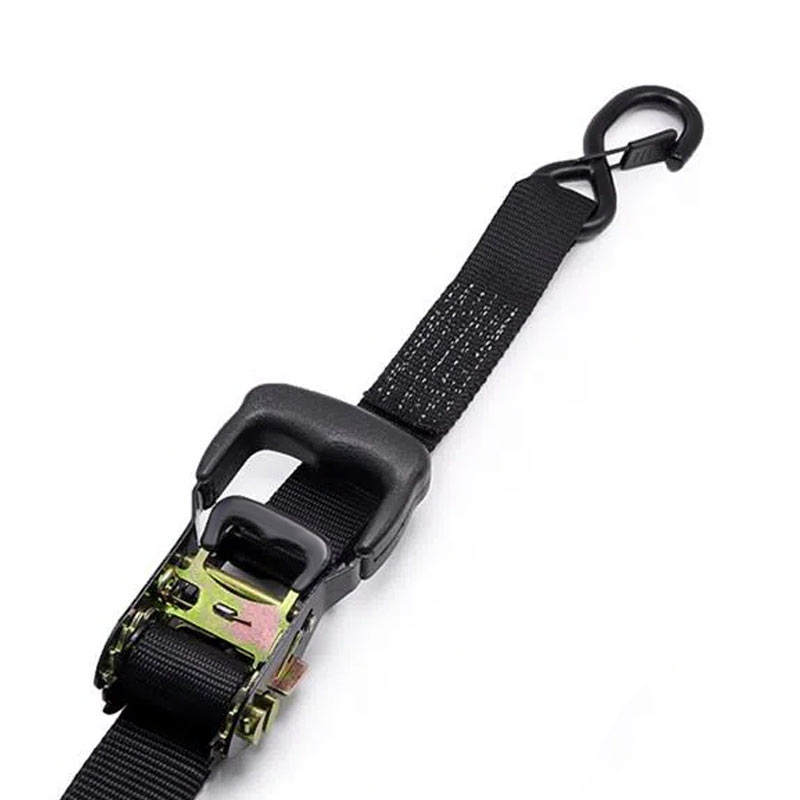 2" x 15" Heavy Duty Ratchet Tie Down StrapsProduct specifications Width 2 inch Length 15 FT or Customized Working Strength 5000 LBS Breaking Strength 11000 LBS Material Polyester Strap Type Ratchet End Fitting ...View Product → is built for that kind of daily punishment, with a wide webbing profile and a ratchet handle that gives you leverage without fighting the mechanism.
The retraction system is more than a spring. It is a sequence of mechanical actions that must work together every time. Here is what happens from the moment you grab the strap to the moment it is stored.
A well-made retractable strap makes these steps smooth. Our 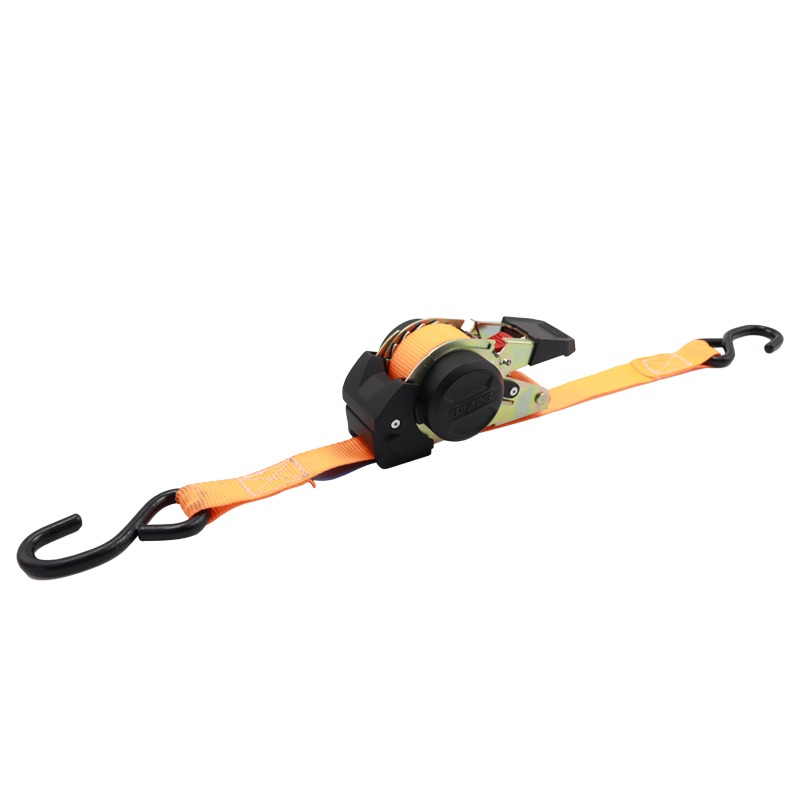 Easylifting 1 inch X 10 ft Retractable automatic ratchet strap2"x 20" E Track Ratchet Cargo Tie DownsView Product → is designed for this exact rhythm, so the strap returns cleanly instead of bunching inside the housing.
The ratchet is only half the system. The hook or fitting at the end determines how well the strap connects to your anchor points and how much wear the webbing sees over time. J-hooks are the classic choice for trailer rails and D-rings. S-hooks work well when the anchor has a wide opening. Double-J hooks give you two contact points for better stability on long loads. Soft loops protect delicate finishes and reduce abrasion on chrome or painted surfaces.
If your trailer uses E-Track, the strap should match that system. An E-Track fitting locks into the rail and slides to the best position, which is especially useful when you carry mixed loads. You can read more about ratchet strap applications to see how different fittings solve different problems.
For trailers set up with E-Track rails, a dedicated E-Track strap keeps the connection secure and adjustable.
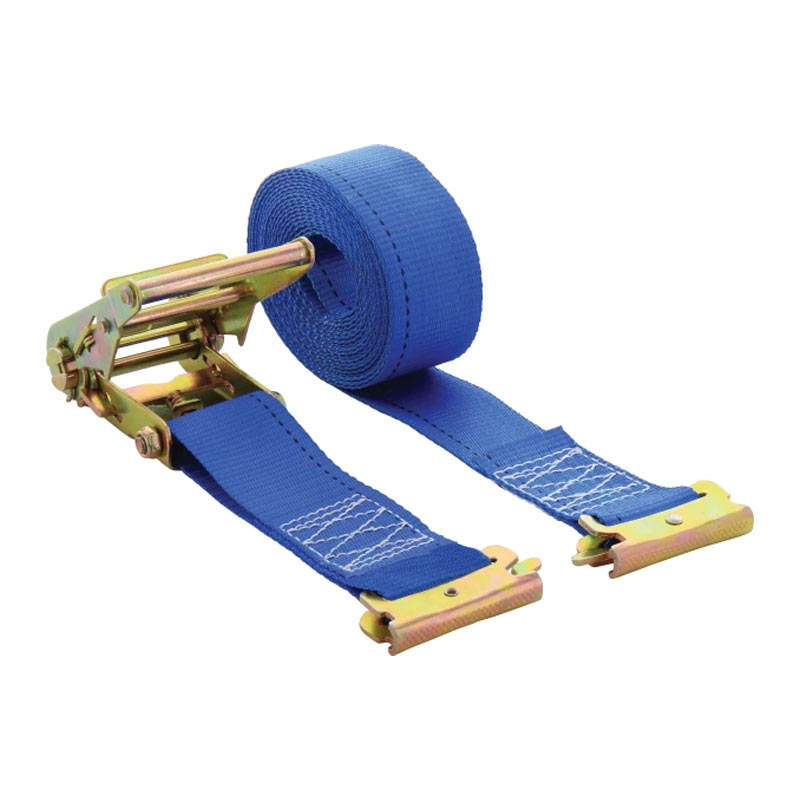 2"x 20" E Track Ratchet Cargo Tie DownsProduct specifications Width 2 inch Length 20 FT or Customized Working Strength 2720 LBS Breaking Strength 6000 LBS Material Polyester Strap Type Ratchet End Fitting E...View Product →
Most strap failures are not caused by manufacturing defects. They come from small habits that add up over hundreds of loads. The table below compares common mistakes with better approaches.
| Common Mistake | Better Approach |
|---|---|
| Twisting the webbing during retraction | Guide the strap flat as it winds back into the housing |
| Exceeding the working load limit | Match the strap rating to the actual load, not the maximum load |
| Hooking directly over sharp edges | Use plastic corner protectors or edge guards |
| Ignoring frayed webbing or bent hooks | Inspect before every trip and remove damaged straps from service |
| Leaving the strap loose after unloading | Retract and store the strap so it is ready for the next load |
Retractable straps are durable, but they last longer when you treat them like the tools they are. These habits take seconds and save replacement costs over a season.
Cargo securement is a safety system, not a one-time purchase. Before every trip, confirm that the strap's working load limit is appropriate for the load, the anchor points are rated and in good condition, and the hooks are fully engaged. Use corner protectors whenever webbing contacts a sharp edge, and re-check tension after the first few miles. If a strap shows cuts, heavy abrasion, or a damaged ratchet, retire it. A retractable strap that fails to lock or retract smoothly should be inspected before it goes back into service.
These checks are especially important for high-value or irregular loads. When in doubt, add a second strap and spread the tension.
Yes, when they are rated for the same working load. The retraction mechanism adds a housing and spring, but the webbing and ratchet components determine the actual strength. Always check the working load limit on the strap.
It depends on the width and rating. A 2-inch retractable strap with a suitable hook can handle heavy cargo, but you must stay within the working load limit and use proper anchor points.
Guide the webbing with your hand as it winds back. Let the strap feed evenly into the housing instead of letting it snap back on its own.
Keep them clean and dry, inspect the webbing regularly, and follow the manufacturer's lubrication guidance. Avoid storing them under tension.
Ratchet tie-down 1000 lbs breaking strengthEASY OPERATION AND QUICK RELEASE: The coated handle features a release lever for easy operation and release...
See Details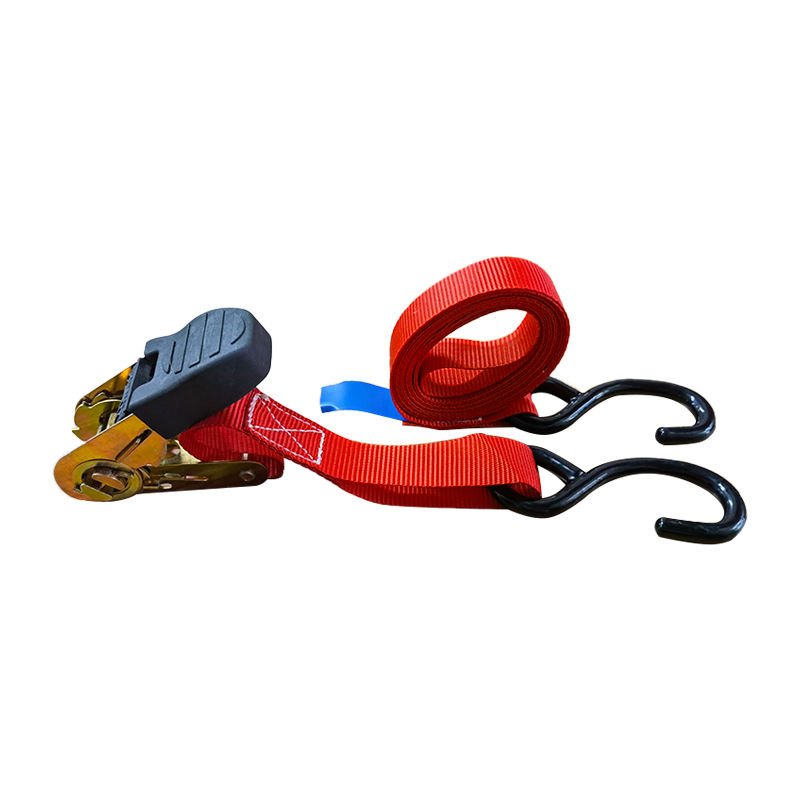
Crafted from high-grade polyester webbing and robust steel or plastic ratchet buckles, our 1" x 20' ratchet strap can withstand even the demanding tas...
See Details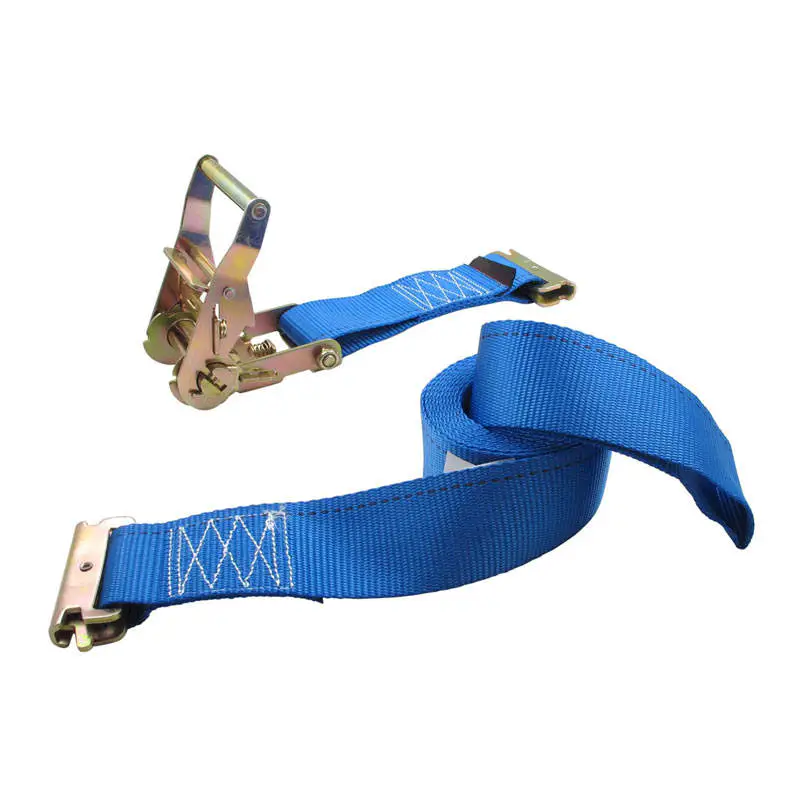
The ingenious E Track fitting design makes attaching and detaching the strap a breeze. Simply slide the E Track fitting into the E Track rail, engage ...
See Details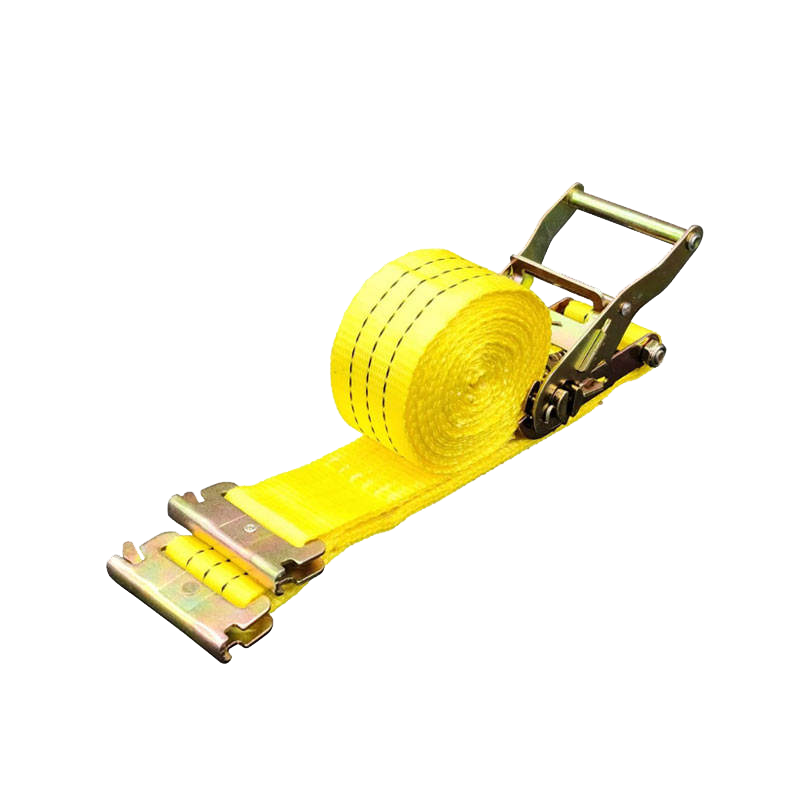
The 2" E Track ratcheting straps set is a true all-rounder, excelling in a diverse range of applications, making it an indispensable tool for any carg...
See Details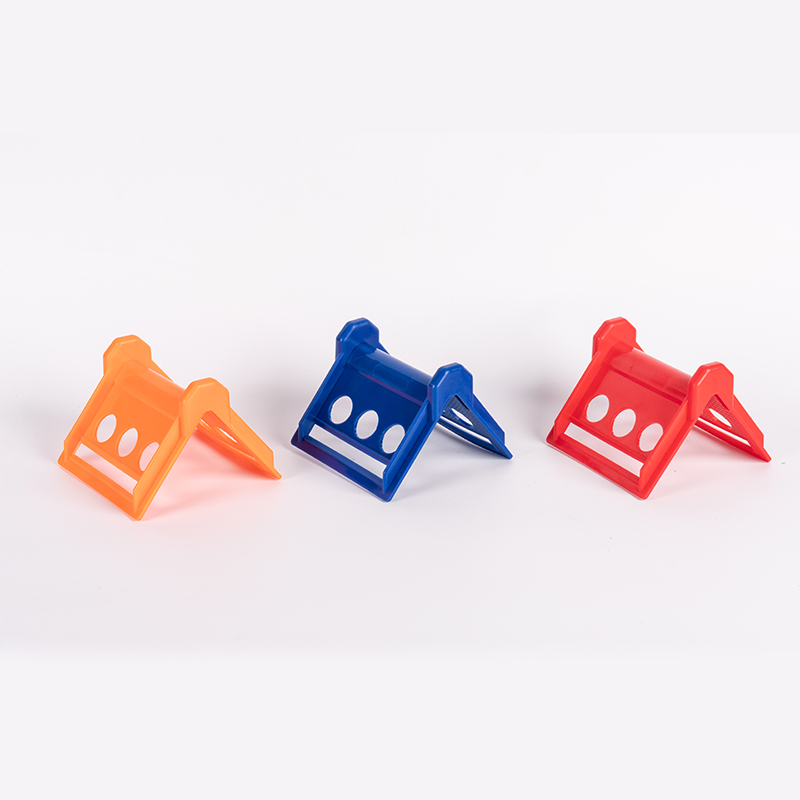
This economical corner protector is great for loads requiring a little extra protection for the strap or for the cargo. Raised edges ensure straps sta...
See Details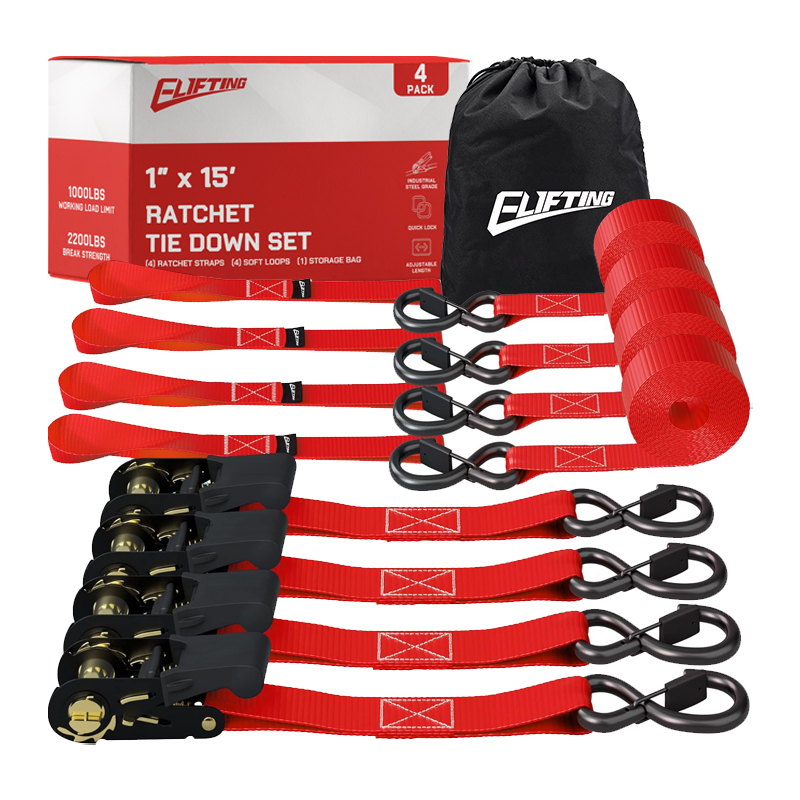
High Strength: Made from durable materials to ensure reliable securing force, suitable for binding and securing various heavy loads. Easy Operation:...
See Details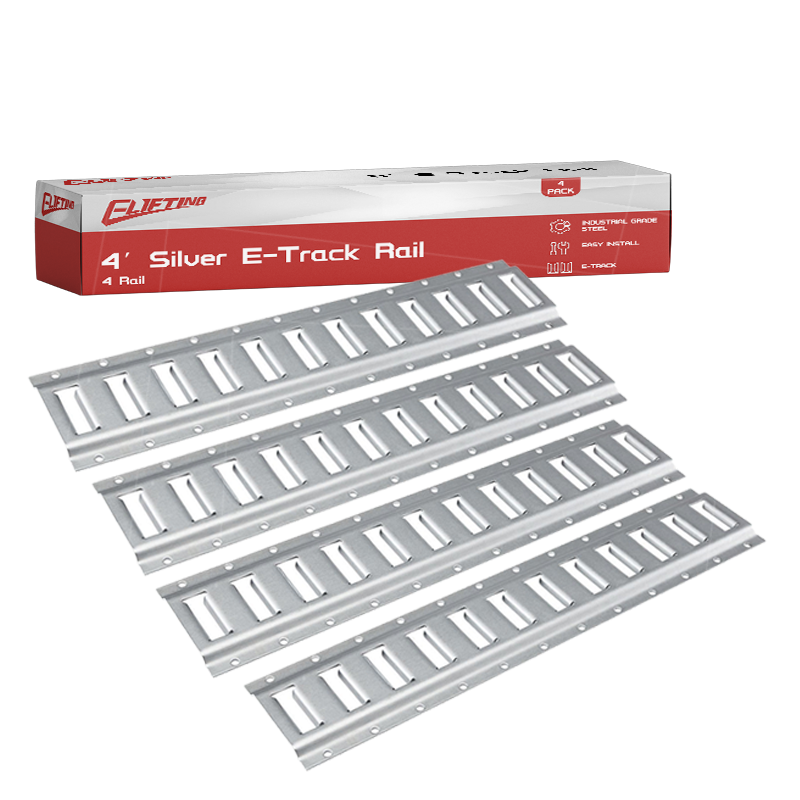
E-Track Rails is a rail system for securing cargo. It consists of a series of aluminum alloy or steel rails with slots, and with different accessories...
See Details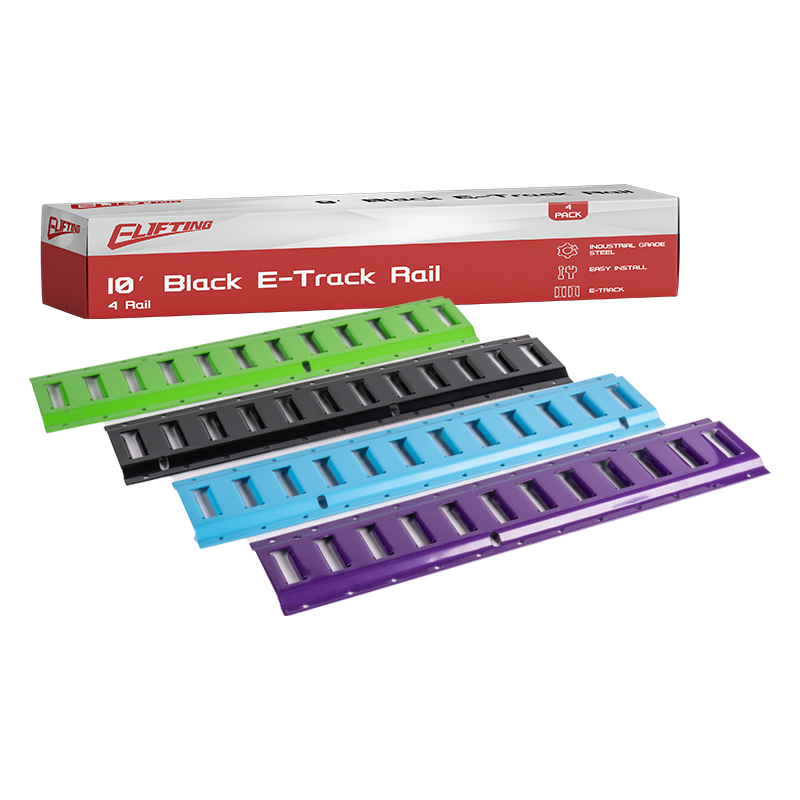
E-Track Rails is a rail system for securing cargo. It consists of a series of aluminum alloy or steel rails with slots, and with different accessories...
See Details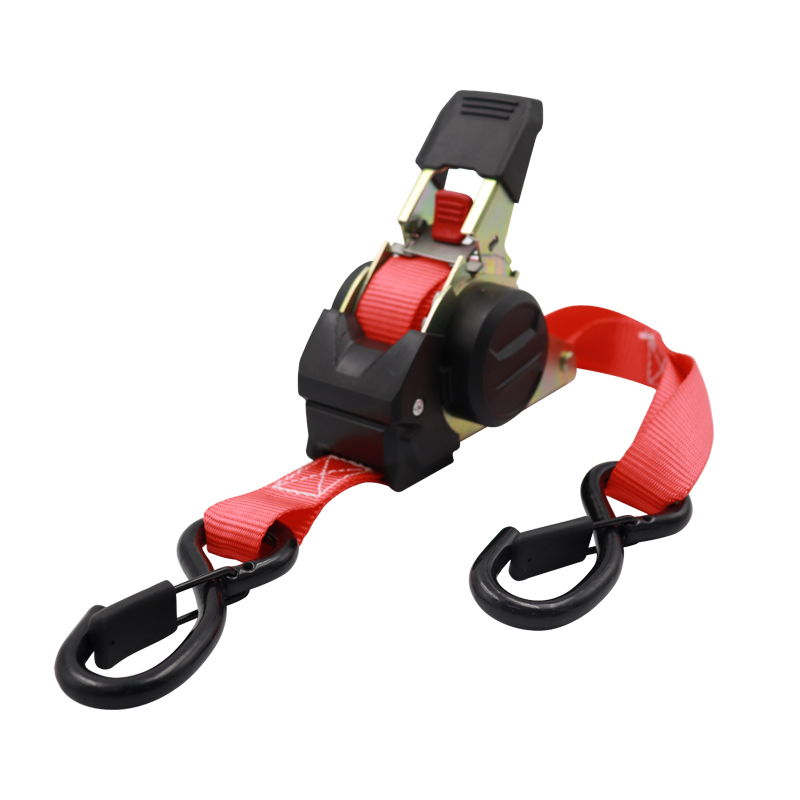
■ Instant automatic retractable strap - Easily retract excess strap length with the click of a button ■ Safety - With cushioning function, the strap ...
See Details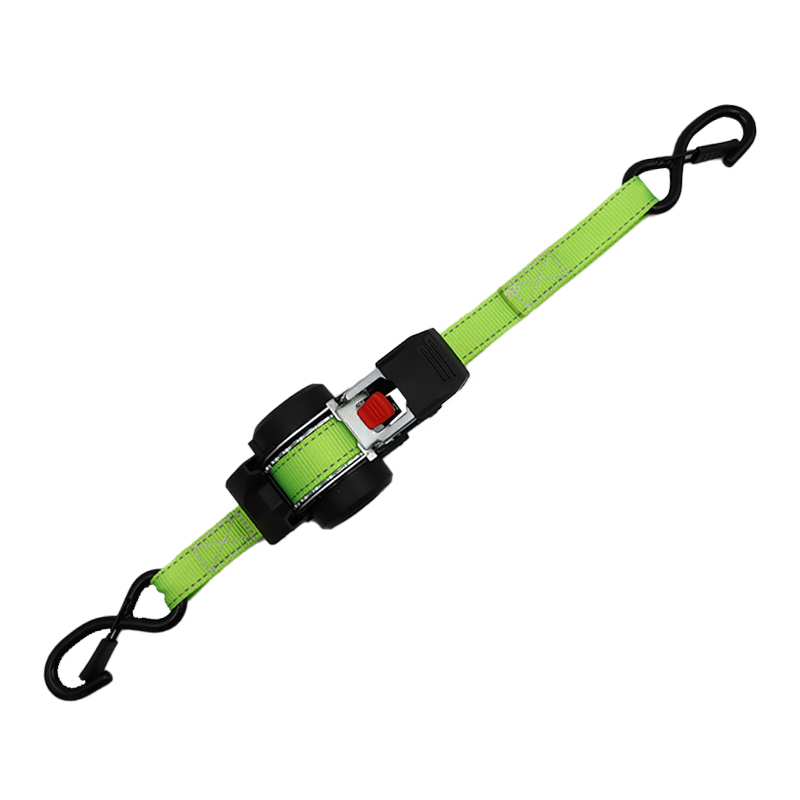
SAFER CONTROLLED RETRACTION - PREVENTS SNAP-BACK: Introducing our enhanced safety design! These retractable ratchet straps feature a built-in speed r...
See Details
Shangcheng Village, Tangxi Town, Ningbo, Zhejiang, China
+86 139 5782 7340
