


 English
 中文简体
中文简体
1" x 10ft Cargo Ratchet Straps With J Hook
Cat:1″Ratchet Straps
Ratchet tie-down 1000 lbs breaking strengthEASY OPERATION AND QUICK RELEASE: The coated handle features a release lever for easy operation and release...
See DetailsThreading a ratchet strap looks like a small task, but it is the difference between a load that stays put and a load that shifts on the highway. In our workshop, we have tested thousands of straps, and we can tell you that most tension problems start with the few seconds before the handle is closed. Get this simple step right, and your cargo becomes steadier, your straps last longer, and every driver feels safer.
This guide walks through the complete process of threading a ratchet strap, including the tools you need, common mistakes, and the habits that keep loads secure mile after mile.
Content
Before you thread, identify each part. The webbing is the long strap, the fixed end is the short section with a hook, and the loose end is the long section pulled from the reel. The ratchet handle contains the spool and locking pawls that wind the webbing tight.
| Component | Function | Example Spec |
|---|---|---|
| Webbing | Carries the load tension | 1–2 in width |
| Fixed end hook | Anchors the strap to one point | J-hook, S-hook |
| Loose end | Threads through the spool | Longest section |
| Ratchet handle | Winds and locks the webbing | Release lever + spool |
Once you know these parts, threading becomes a sequence that you can repeat on any strap model.
Your first step is matching the strap to the load. A 1-inch strap suits lighter cargo, while a 2-inch heavy-duty strap handles heavy equipment. Using a correctly rated strap prevents over-tension and wear.
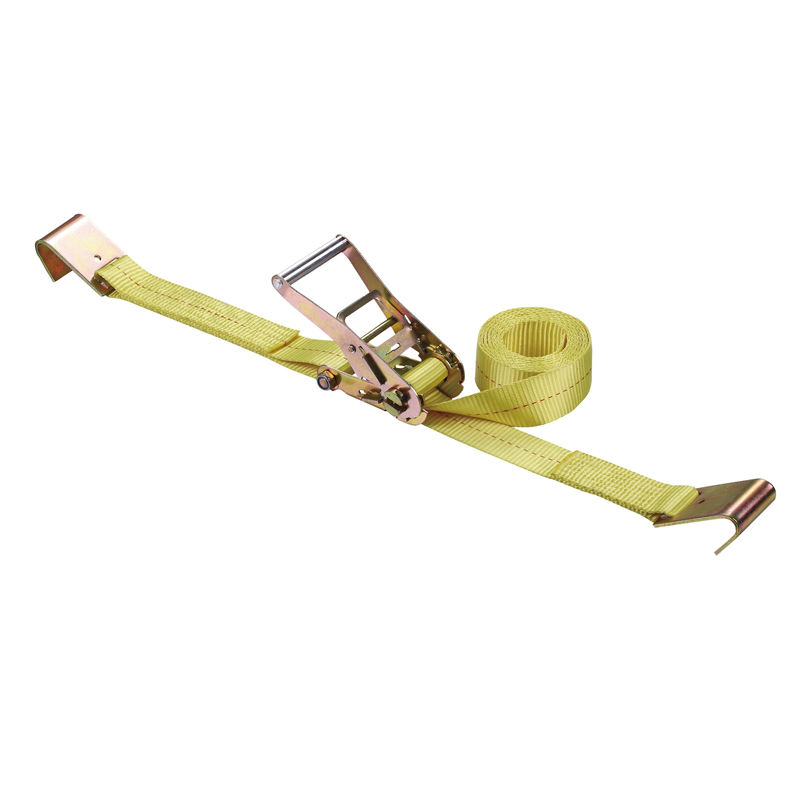 2-Inch x 15-Foot Ratchet Strap with J Hook, 5000 lb Working StrengthThis heavy-duty strap handles large loads with a 5000 lb working strength. Pair it with matching hooks and hardware for secure tie-downs.View Product →
When you choose a strap, check the breaking strength and ensure the hooks match your anchor points. A threaded strap is only as good as the hardware it pulls against.
For a broader look at where these straps fit in daily work, read our overview of ratchet strap applications.
If the strap feels jammed, reopen the release lever and straighten the webbing. Most threading problems come from a twisted or off-centre feed.
Even experienced drivers occasionally make these threading errors. Recognising them is the fastest way to improve your tie-down routine.
| Common Mistake | How to Fix It |
|---|---|
| Webbing not pulled far enough through the spool | Leave at least 4 inches of tail so the strap cannot pop out. |
| Twisted webbing inside the spool | Lay the strap flat before feeding; open the lever and re-thread if needed. |
| Ratchet operated with release lever open | Close the lever and listen for a click before pumping the handle. |
| Frayed or cut webbing at the anchor | Inspect the full length and replace the strap if damage is found. |
| Over-tightening a light load | Use a 1-inch strap for lighter cargo and avoid cranking past the strap's working load limit. |
After years of manufacturing and testing tie-downs, we have picked up a few habits that make threading easier and safer.
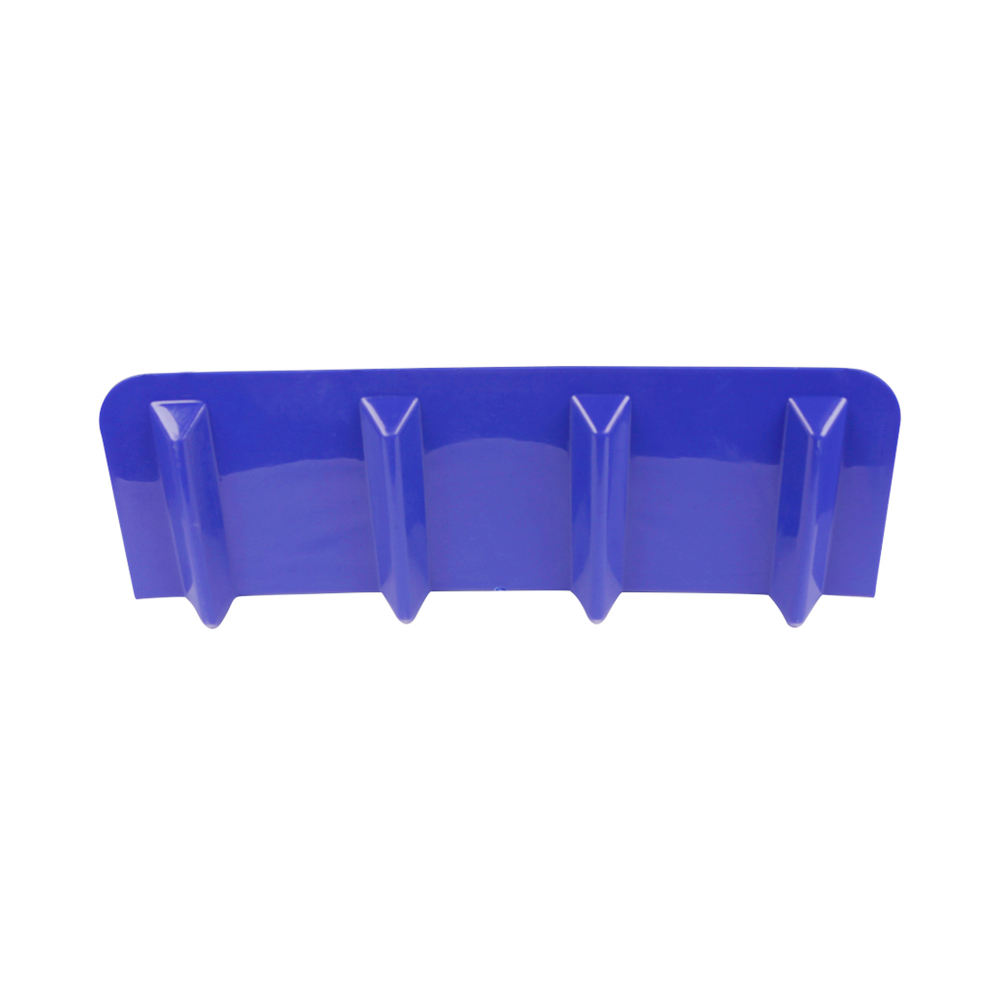 24-Inch Plastic Corner Protector for Flatbed CargoProtects cargo edges from strap wear during transport. A simple addition that improves load stability and prevents damage on every trip.View Product →
Take two minutes before each load to run through this checklist. It turns threading from a routine into a safety habit.
Using a matched set of straps is part of a balanced tie-down. A complete set keeps tension even and makes strapping faster.
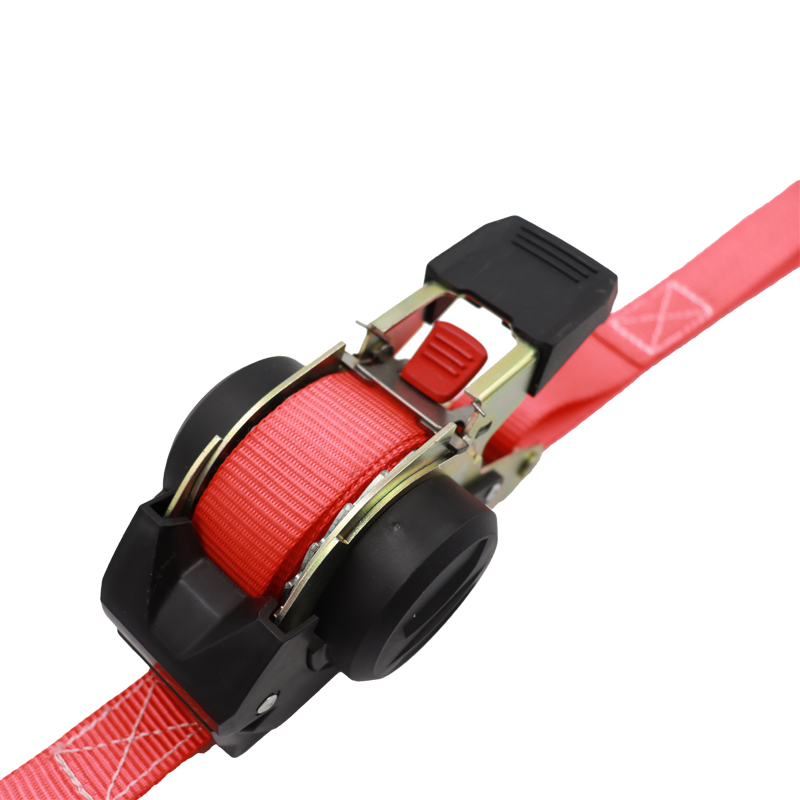 1-Inch x 10-Foot Auto Retractable Ratchet Straps, 4-PackA matched set of four retractable straps with 1760 lb breaking strength. They keep tension even and speed up the strapping process for balanced loads.View Product →
Always stand to the side when ratcheting, never directly in front of the strap. If a strap fails under tension, it can whip suddenly.
Stretch your legs, but do not stretch your straps. A damaged webbing should be replaced immediately, not tied or taped.
Remember that the breaking strength is not the working load limit. Stay within the rated working load and re-tighten your straps after the first 30 minutes of driving, as cargo settles.
It depends on the ratchet design. Some straps are meant to feed upward through the slot, while others feed from the bottom. Check the frame of your strap; the slot is usually positioned so the webbing enters from the side facing the anchor point.
The loose end was probably not pulled far enough through the spool. Leave at least 4 inches of tail, then close the release lever completely before tightening.
No. Overloading can stretch and weaken the webbing and deform the hooks. Replace any strap that has been subjected to a severe shock load.
Length alone does not change the working load limit, but extra length can create more slack and rubbing points. Use the shortest strap that reaches your anchor points and secure the excess tail neatly.
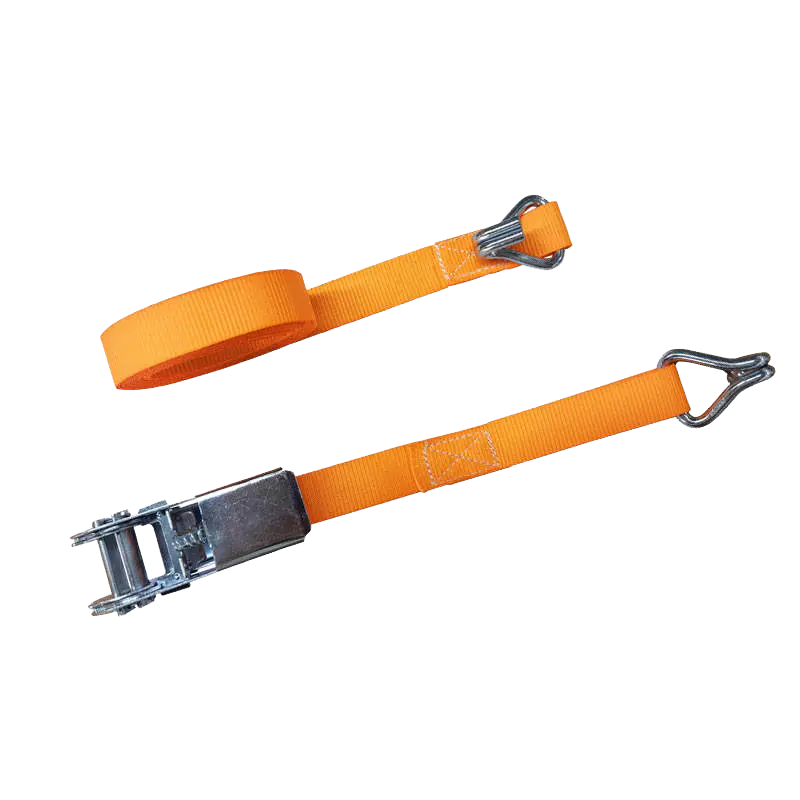
Ratchet tie-down 1000 lbs breaking strengthEASY OPERATION AND QUICK RELEASE: The coated handle features a release lever for easy operation and release...
See Details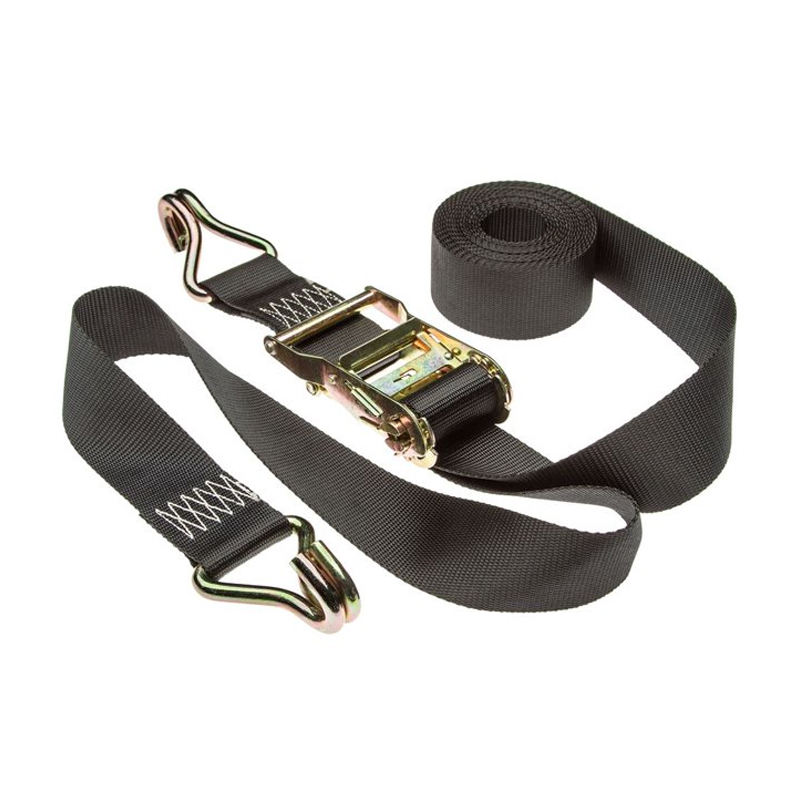
Crafted from high-tensile polyester webbing and robust steel or plastic ratchet buckles, our 1.5" x 8' ratchet strap is engineered to withstand the ri...
See Details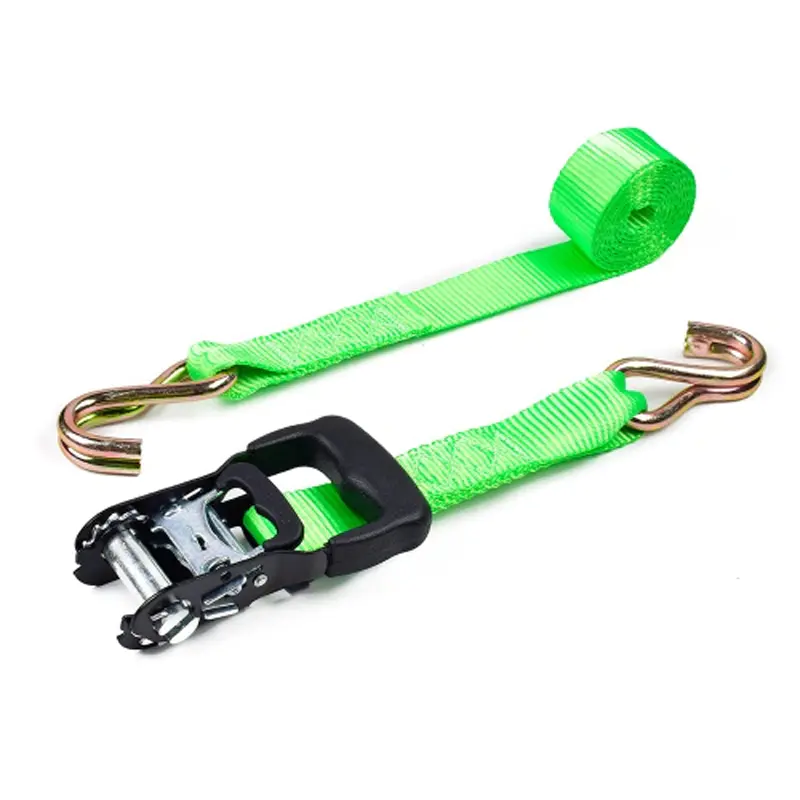
HEAVY DUTY: 1.5-inch webbing width & 15-foot length with a 4400LB breaking strength & 2200LB working load limitDURABLE: corrosion-resistant, z...
See Details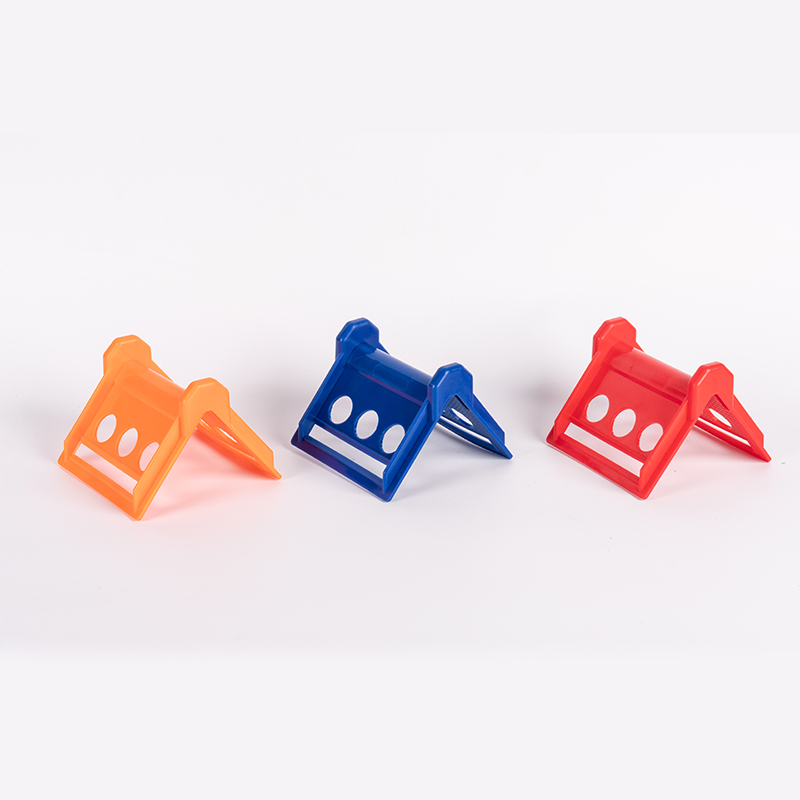
This economical corner protector is great for loads requiring a little extra protection for the strap or for the cargo. Raised edges ensure straps sta...
See Details
Corner protector shields drywall, plywood sheeting, and much more from damage during loading and transport. High density polyethylene is flexible, so ...
See Details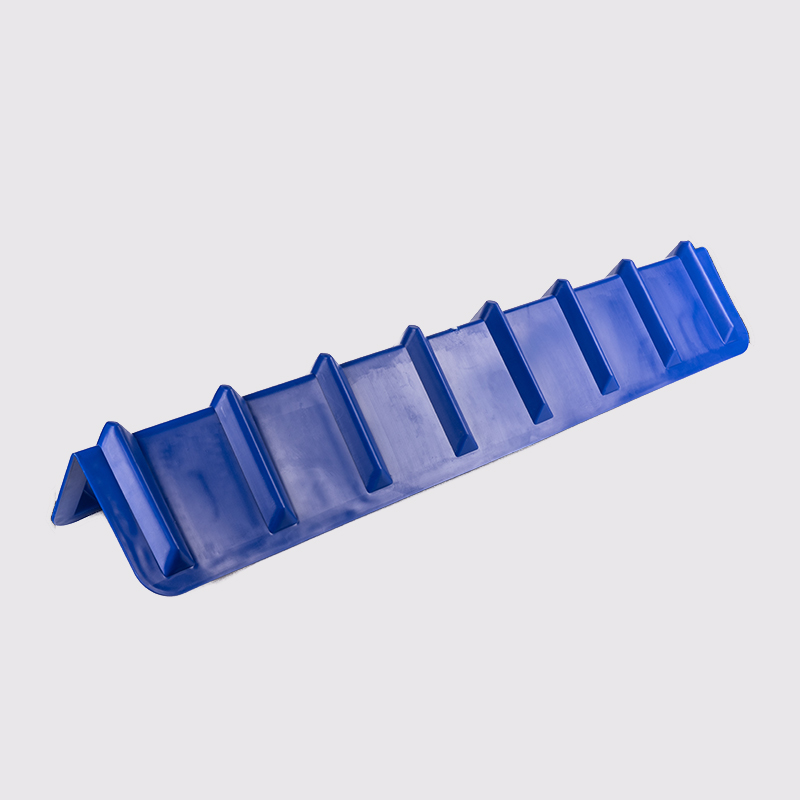
The 48-inch plastic corner guards offer strong resistance to impact and abrasion, protecting your cargo from potential damage in the shipping environm...
See Details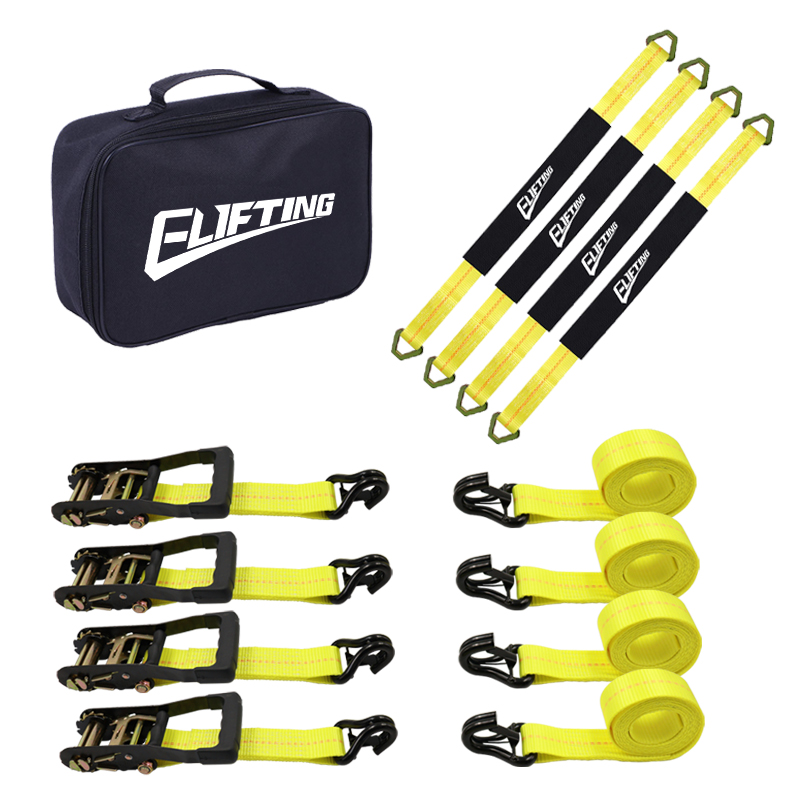
Tie Down Axle Straps Set is a set of high-strength straps designed for securing and stabilizing heavy loads during transportation. Made from durable p...
See Details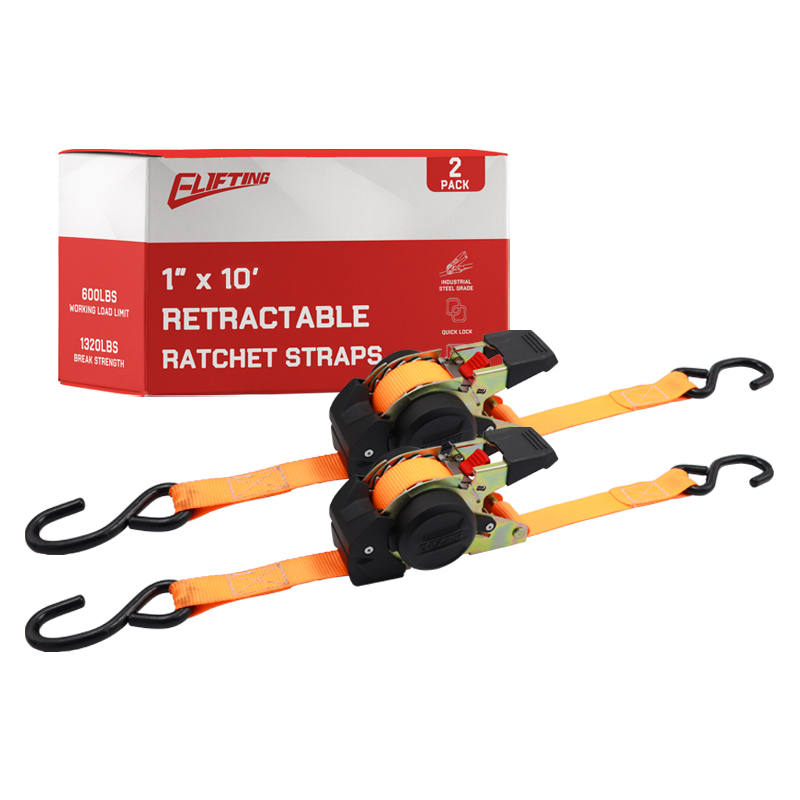
■ Instant automatic retractable strap - Easily retract excess strap length with the click of a button ■ Safety - With cushioning function, the strap ...
See Details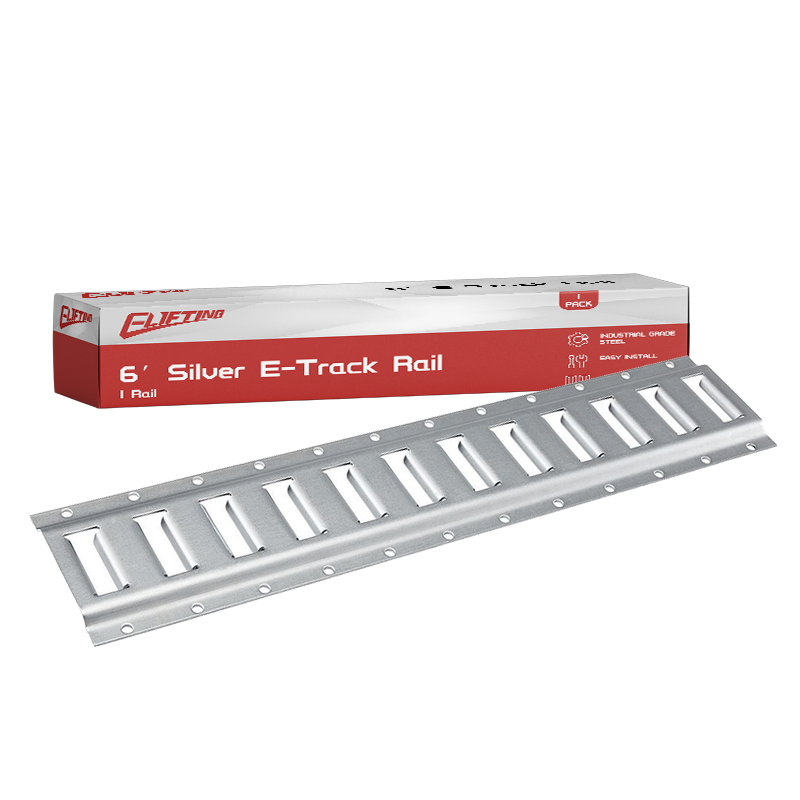
E-Track Rails is a rail system for securing cargo. It consists of a series of aluminum alloy or steel rails with slots, and with different accessories...
See Details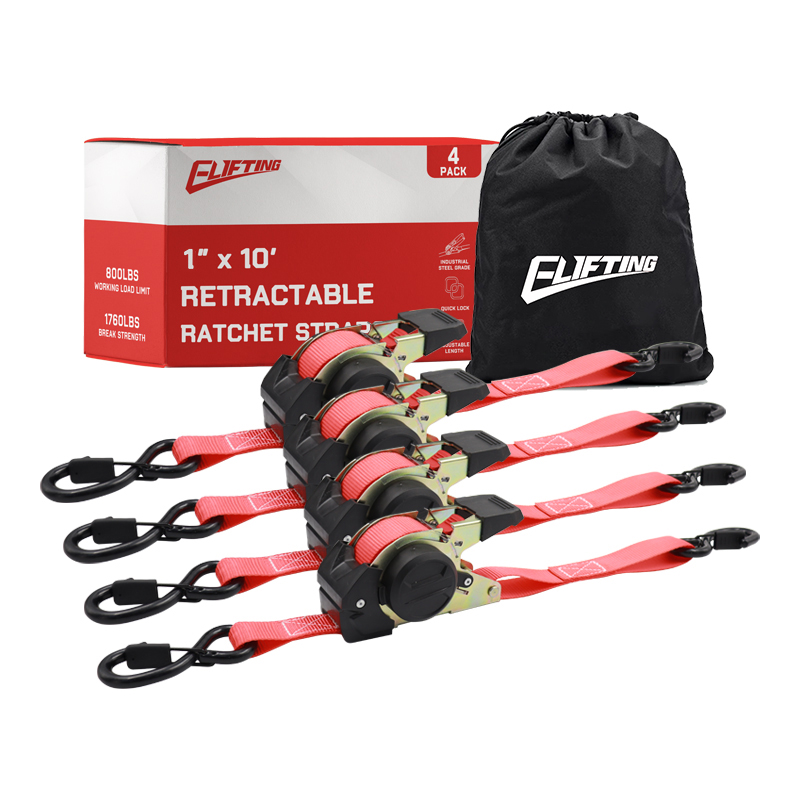
■ Instant automatic retractable strap - Easily retract excess strap length with the click of a button ■ Safety - With cushioning function, the strap ...
See Details
Shangcheng Village, Tangxi Town, Ningbo, Zhejiang, China
+86 139 5782 7340
