


 English
 中文简体
中文简体
1" X 20" Ratchet Tie Down With S hook
Cat:1″Ratchet Straps
Crafted from high-grade polyester webbing and robust steel or plastic ratchet buckles, our 1" x 20' ratchet strap can withstand even the demanding tas...
See DetailsContent
The strength of E-Track Rails depends on three things: the steel gauge of the rail, the quality of the mounting hardware, and how the fittings are spaced along the track. Under normal industry benchmarks, a rail made from 12-gauge to 14-gauge galvanized steel and properly bolted to solid framing can support a working load limit (WLL) of roughly 1,000 to 2,000 lbs per fitting, with the rail section itself able to distribute a combined load well above 4,000 lbs when anchored every 16 inches. In short, E-Track Rails are strong enough for serious cargo securing work, but only when the gauge, the fasteners, and the fittings are all matched correctly. The rest of this article breaks down exactly what determines that strength, so you can select and install E-Track Rails with confidence. For reference specifications, you can also view our E-Track Rails product line.
Even the strongest E-Track Rails will underperform if they are installed incorrectly. Follow this sequence to get the full rated strength out of your rail system.
A 12-gauge steel rail paired with rated fittings can hold up to 2,000 lbs per anchor point.
Beyond the rail itself, the fittings you attach to E-Track Rails carry their own independent ratings. A standard spring fitting is typically rated around 1,100 lbs, while a heavy-duty O-track fitting can reach 2,000 lbs. Manufacturers generally build in a safety factor of 3:1 to 4:1 between the stated WLL and the actual break strength, meaning a rail rated for 1,000 lbs may not fail structurally until closer to 3,000–4,000 lbs. That margin exists for safety, not as a target working weight.
Quality E-Track Rails are stamped or labeled with a working load limit directly on the steel. If a rail or fitting has no visible rating, treat it as unverified and avoid loading it beyond a conservative estimate.
A cargo securing system is only as strong as its weakest link. If your rail is rated 2,000 lbs but your strap and fitting are rated 800 lbs, your effective system capacity is 800 lbs, not 2,000.
Many strength complaints about E-Track Rails actually trace back to installation or usage errors rather than the rail itself. The table below outlines frequent problems and how to correct them.
| Problem | Solution |
|---|---|
| Mounting into thin sheet metal or plywood skin | Anchor into structural framing or backing plates |
| Using generic bolts instead of rated hardware | Use manufacturer-approved fasteners only |
| Spacing fasteners too far apart | Keep spacing at 16 inches or less |
| Loading a single point instead of distributing weight | Spread load across multiple fittings along the rail |
Correcting these issues restores E-Track Rails to their full rated strength.
Never load E-Track Rails beyond their stated working load limit, even if the steel appears capable of handling more. The gap between WLL and actual failure point exists specifically as a safety margin, not extra usable capacity.
Always inspect fittings before each use, and never mix components from unknown or unrated sources into a load-bearing setup. Sudden shock loads, such as hard braking or abrupt shifting cargo, can exceed static ratings even when the listed capacity seems sufficient, so build in a buffer whenever loads are dynamic rather than stationary.
QCan E-Track Rails be cut to custom lengths without losing strength?
Yes, as long as the cut ends are still anchored with the required fastener spacing. Cutting does not weaken the steel gauge itself, but unsupported cut ends should not be used as load points.
QIs vertical E-track as strong as horizontal E-track?
Vertical and horizontal E-Track Rails can share the same steel gauge and WLL rating, but vertical installations rely more heavily on wall framing quality, so mounting surface strength matters even more.
QDoes temperature affect the strength of E-Track Rails?
Standard galvanized steel rails hold their rated strength across typical operating temperature ranges. Extreme cold can slightly increase brittleness in some steels, so inspect more frequently in harsh climates.
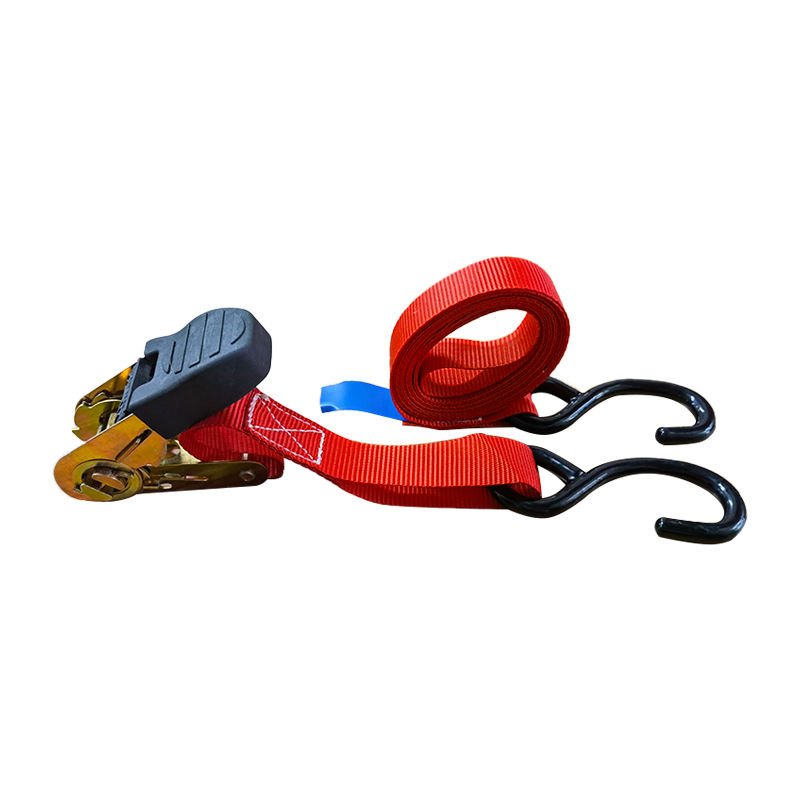
Crafted from high-grade polyester webbing and robust steel or plastic ratchet buckles, our 1" x 20' ratchet strap can withstand even the demanding tas...
See Details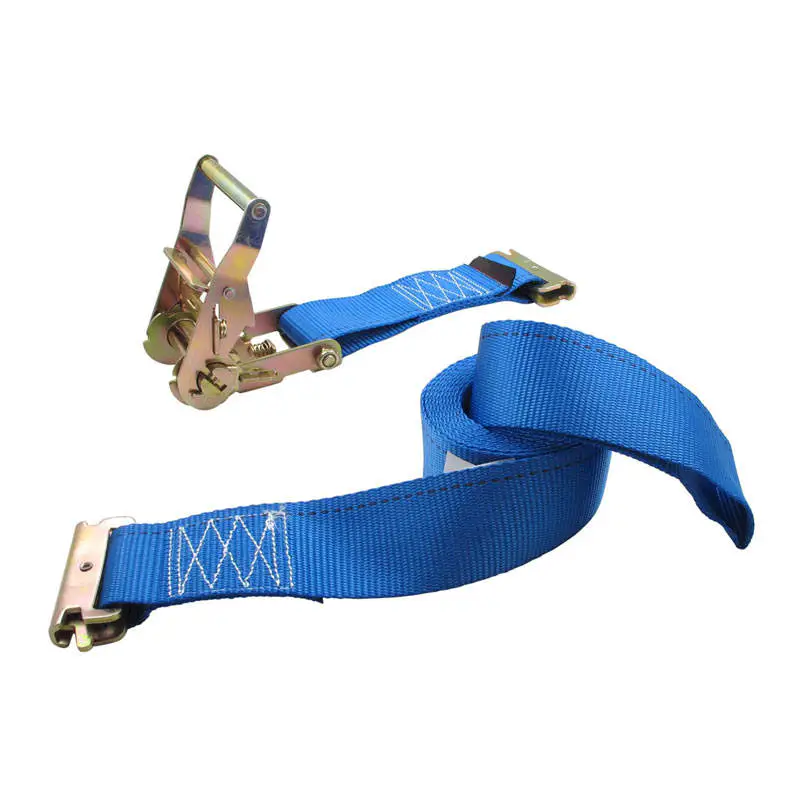
The ingenious E Track fitting design makes attaching and detaching the strap a breeze. Simply slide the E Track fitting into the E Track rail, engage ...
See Details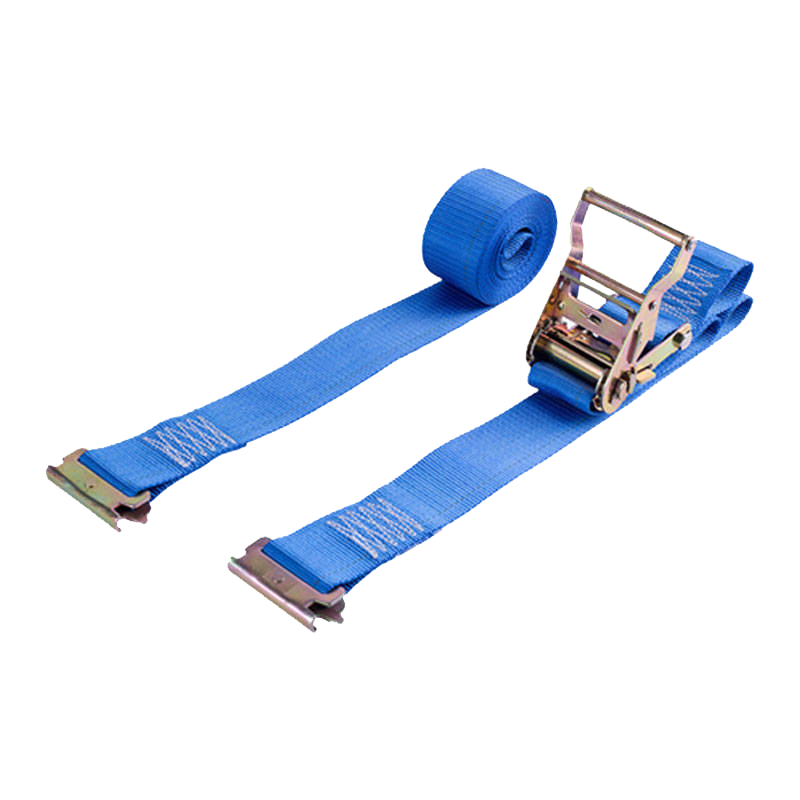
E Track Ratcheting Straps have a breaking strength of 4400 lbs. and a working load limit of 1460 lbs. and are equipped with high quality E track sprin...
See Details
Corner protector shields drywall, plywood sheeting, and much more from damage during loading and transport. High density polyethylene is flexible, so ...
See Details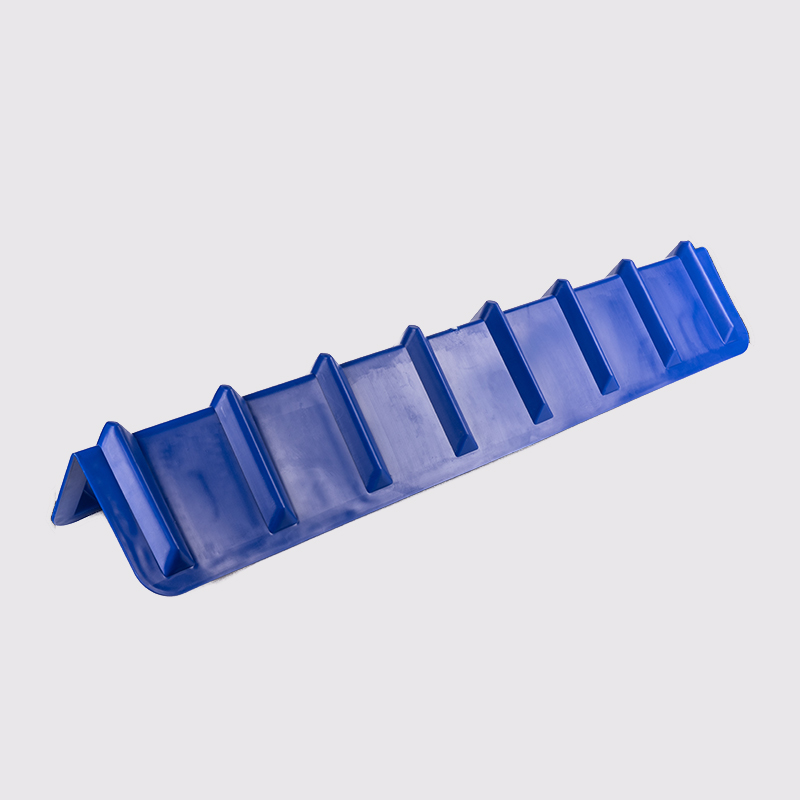
The 48-inch plastic corner guards offer strong resistance to impact and abrasion, protecting your cargo from potential damage in the shipping environm...
See Details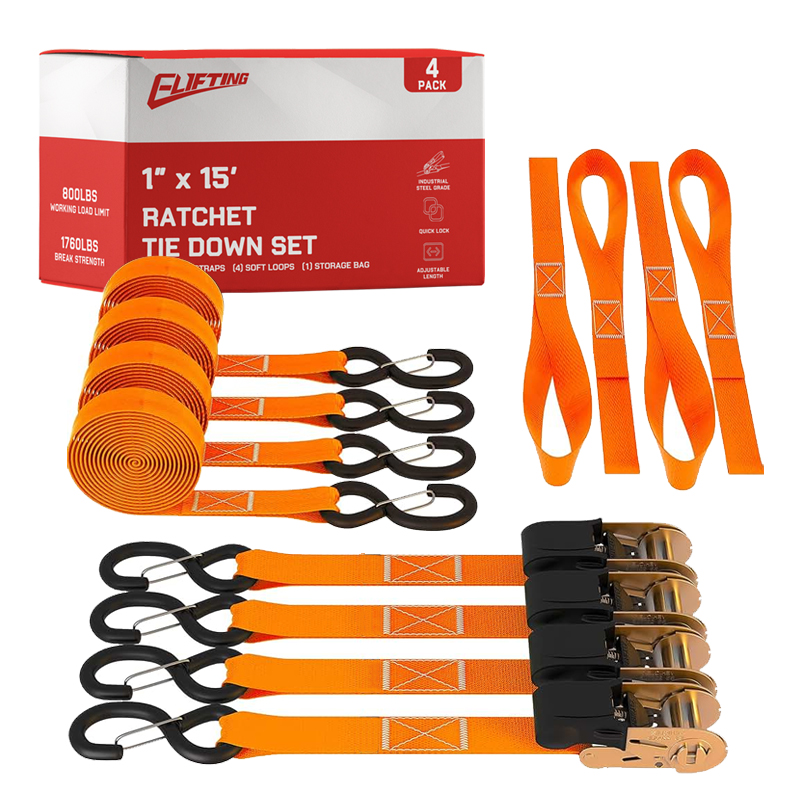
High Strength: Made from durable materials to ensure reliable securing force, suitable for binding and securing various heavy loads. Easy Operation:...
See Details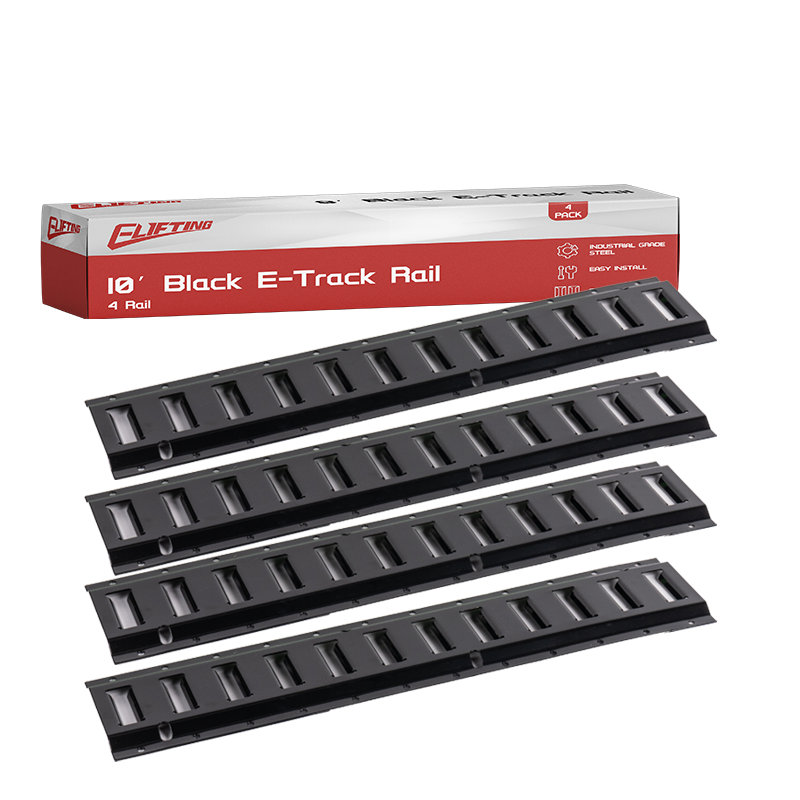
E-Track Rails is a rail system for securing cargo. It consists of a series of aluminum alloy or steel rails with slots, and with different accessories...
See Details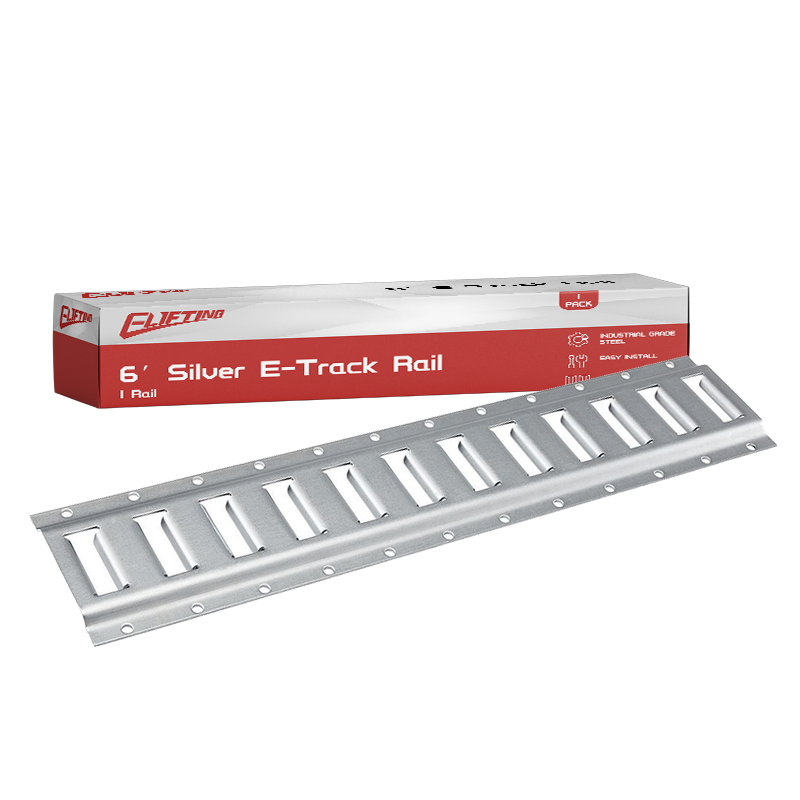
E-Track Rails is a rail system for securing cargo. It consists of a series of aluminum alloy or steel rails with slots, and with different accessories...
See Details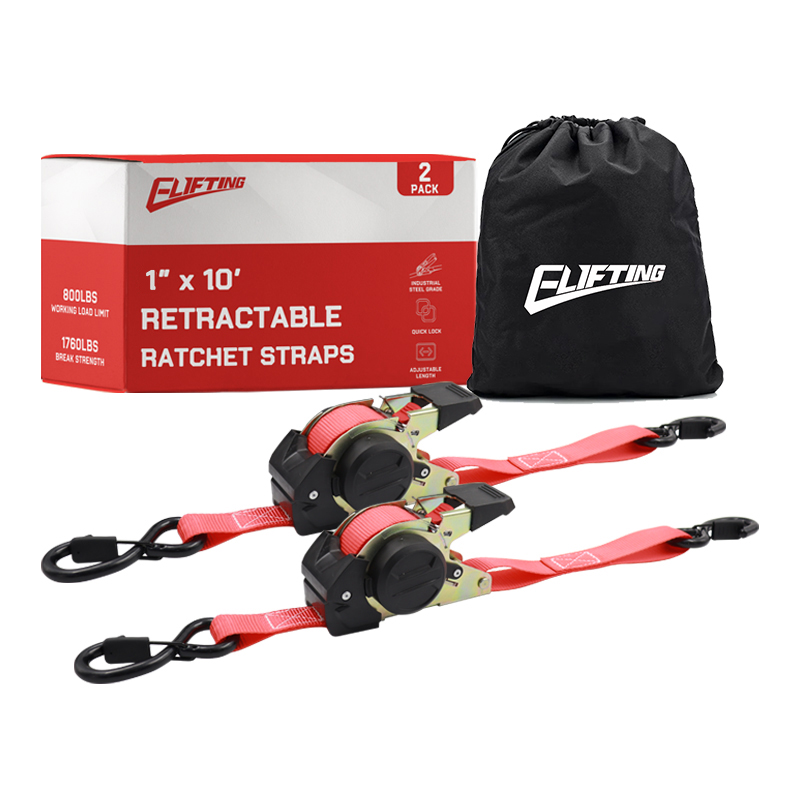
■ Instant automatic retractable strap - Easily retract excess strap length with the click of a button ■ Safety - With cushioning function, the strap ...
See Details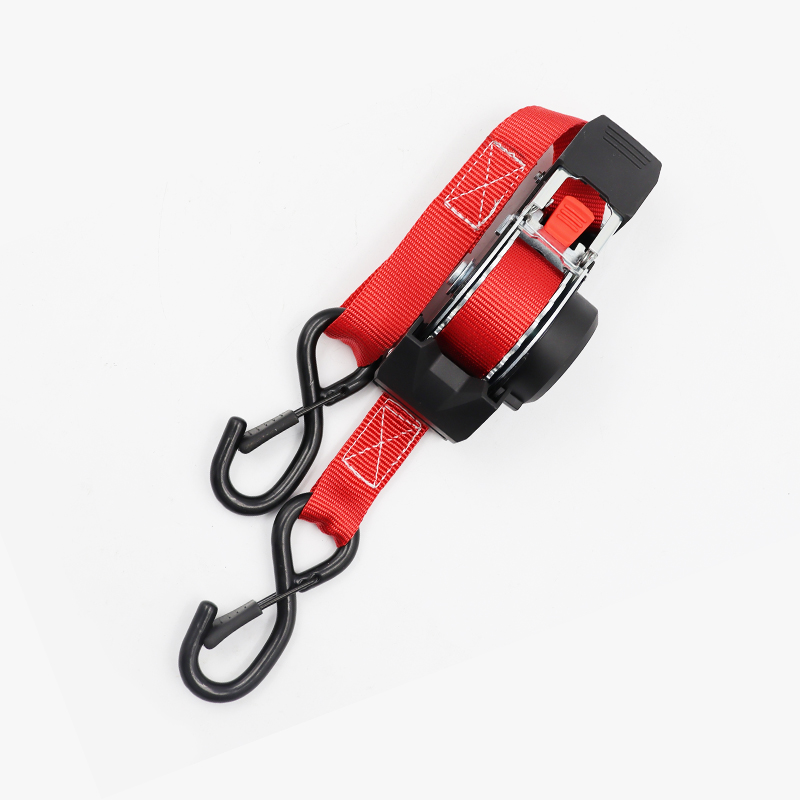
SAFER CONTROLLED RETRACTION - PREVENTS SNAP-BACK: Introducing our enhanced safety design! These retractable ratchet straps feature a built-in speed r...
See Details
Shangcheng Village, Tangxi Town, Ningbo, Zhejiang, China
+86 139 5782 7340
