


 English
 中文简体
中文简体
1.5"x15" heavy duty ratchet straps With J Hook
Cat:1.5 Inch Ratchet Straps
HEAVY DUTY: 1.5-inch webbing width & 15-foot length with a 4400LB breaking strength & 2200LB working load limitDURABLE: corrosion-resistant, z...
See DetailsContent
For anyone who ties down cargo more than a few times a month, a retractable ratchet strap is worth the extra cost. The auto-rewind spool inside the housing pulls the loose webbing back in the moment you release the ratchet lever, so there is no loose tail flapping against your truck bed, no manual coiling, and no strap left dragging on the highway. Independent user surveys collected by cargo-control retailers show that tangled or loose straps are among the top three complaints reported with standard ratchet straps, and the retractable design solves that specific problem directly. If your priority is speed, tidiness, and reduced snag risk during daily hauling, this style earns its place in the toolbox. If you only tie down cargo once or twice a year and price is the only concern, a basic strap will still do the job.
A retractable ratchet strap (sometimes typed as a Retainable Ratchet Strap in search queries) looks like a standard ratchet tie-down at first glance, but it hides a spring-loaded or gear-driven spool inside the ratchet housing. Instead of pulling the excess webbing out and letting it hang, the operator presses a release button or lever and the mechanism reels the slack back into the housing automatically.
Because the spool sits inside the same housing as the ratchet, the overall unit is only slightly heavier and larger than a conventional strap, but it changes the entire daily-use experience for anyone loading and unloading trailers repeatedly.
The table below lines up the two designs side by side across the criteria buyers ask about most.
| Criteria | Retractable Ratchet Strap | Standard Ratchet Strap |
|---|---|---|
| Excess webbing handling | Auto-rewinds into housing | Must be coiled or tied by hand |
| Typical price | Moderately higher | Lower |
| Snag or trip hazard | Low | Higher if not secured |
| Speed of daily use | Faster loading and unloading | Slower, extra coiling step |
| Weight and bulk | Slightly heavier housing | Lighter, more compact |
| Best suited for | Frequent haulers, fleets, daily loaders | Occasional or one-off use |
Comparison based on typical 1 inch and 2 inch polyester tie-down products commonly used for light to medium cargo.
The retractable design is not a novelty upgrade; it solves a real operational problem for people who tie things down repeatedly during a single day. Common scenarios where the extra cost pays off quickly include:
In each of these cases, the time saved on not coiling a strap adds up, and the reduced tangle risk means fewer stops mid-route to fix a flapping tail against the trailer wall.
Regardless of the retractable feature, the strap still has to carry a load safely. Buyers should compare the working load limit (WLL) and breaking strength printed on the label, since these two numbers determine whether the strap is appropriate for the cargo weight.
| Strap Width | Typical Working Load Limit | Typical Breaking Strength |
|---|---|---|
| 1 inch | Around 500 lbs | Around 1,650 lbs |
| 1.5 inch | Around 1,100 lbs | Around 3,300 lbs |
| 2 inch | Around 1,667 lbs | Around 5,000 lbs |
Figures represent common manufacturer specifications for polyester webbing and will vary by brand and construction.
As a general safety rule, the working load limit should always be higher than the actual weight of the cargo, and the number of straps used should account for braking, cornering, and road vibration, not just static weight.
No design is perfect for every situation, so it helps to know the trade-offs in advance.
A little routine maintenance keeps the rewind spool and webbing performing correctly for years.
A retractable ratchet strap is worth the investment for delivery fleets, movers, equipment haulers, and anyone tying down cargo on a regular schedule. The time saved from not manually coiling webbing, combined with the reduced risk of a loose tail causing damage or a trip hazard, offsets the higher unit price within the first few months of frequent use. Manufacturers such as Ningbo Easy Lifting Auto Accessories Co., Ltd., which produces the ELIFTING line of retractable ratchet straps, build these units with reinforced housings and tested breaking strengths so the auto-rewind feature does not come at the cost of load security. Buyers who only need a strap for the occasional weekend trip can still get by with a standard ratchet strap, but for daily commercial use, the retractable design is the more practical and safer long-term choice.
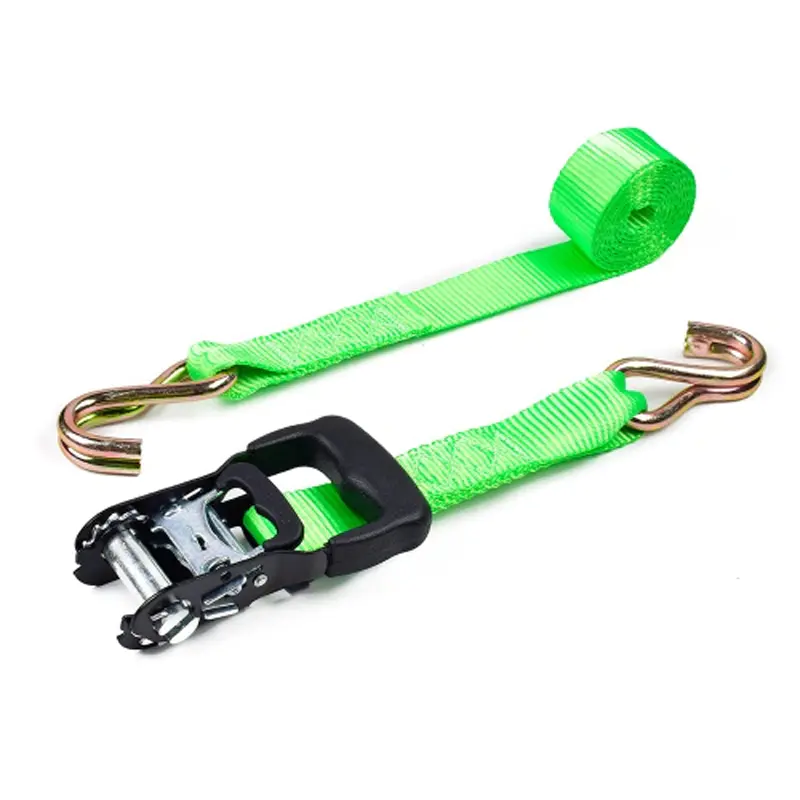
HEAVY DUTY: 1.5-inch webbing width & 15-foot length with a 4400LB breaking strength & 2200LB working load limitDURABLE: corrosion-resistant, z...
See Details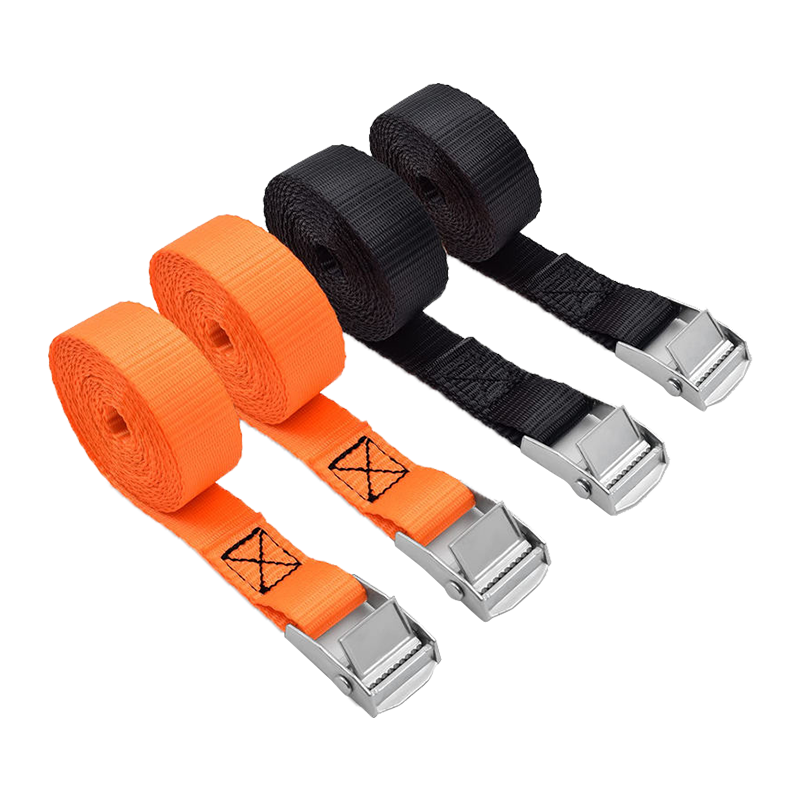
Adjustable Length: With a length of 12 feet, our strap offers flexibility to accommodate different cargo sizes. Easily adjust the length to achieve th...
See Details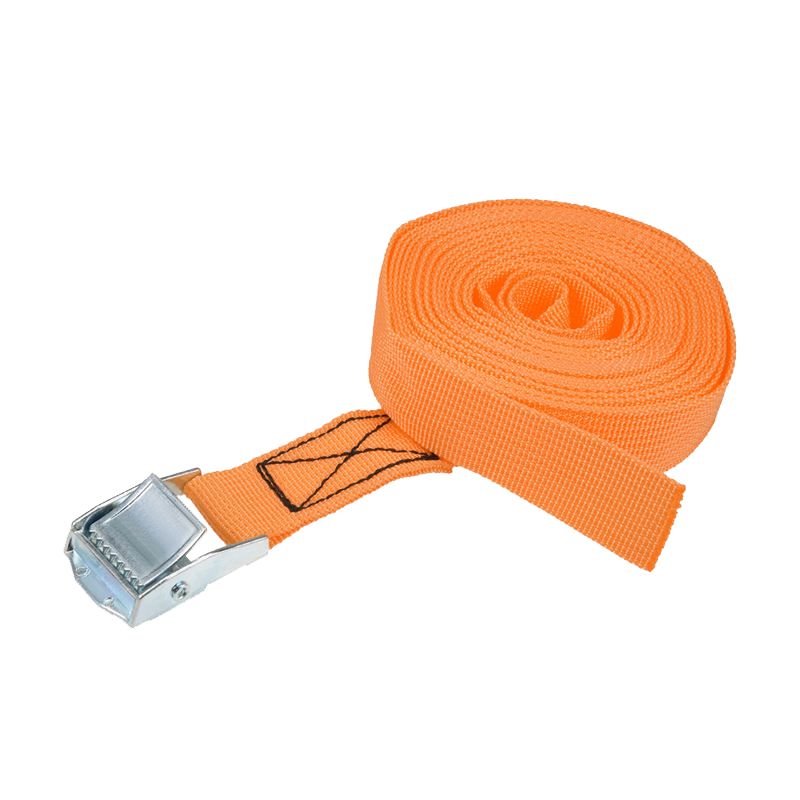
Heavy-Duty Construction: Crafted from high-quality zinc alloy, our cam buckle tie down strap is built to withstand heavy loads and tough conditions, e...
See Details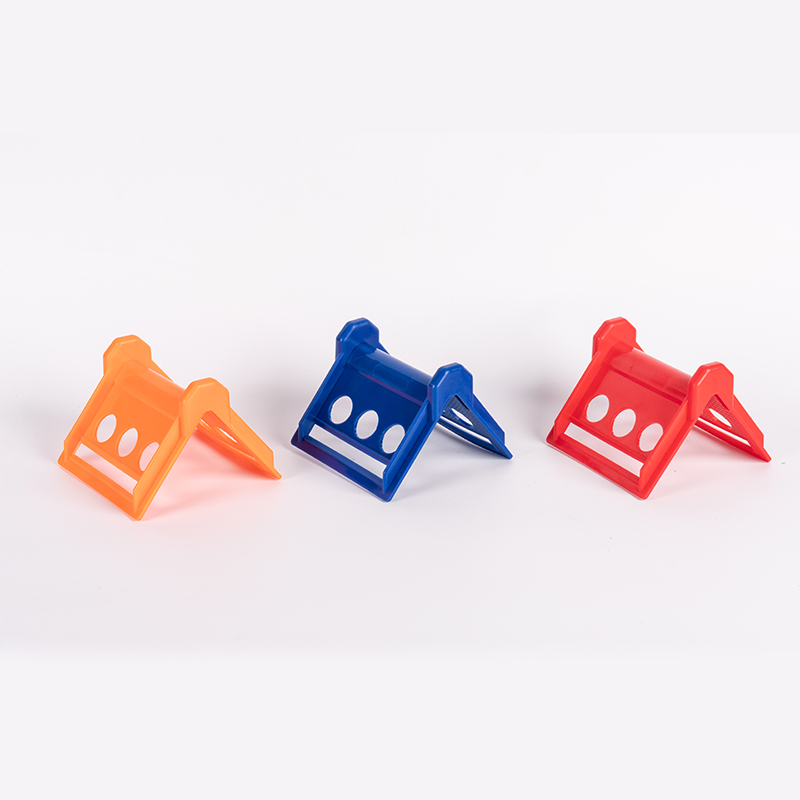
This economical corner protector is great for loads requiring a little extra protection for the strap or for the cargo. Raised edges ensure straps sta...
See Details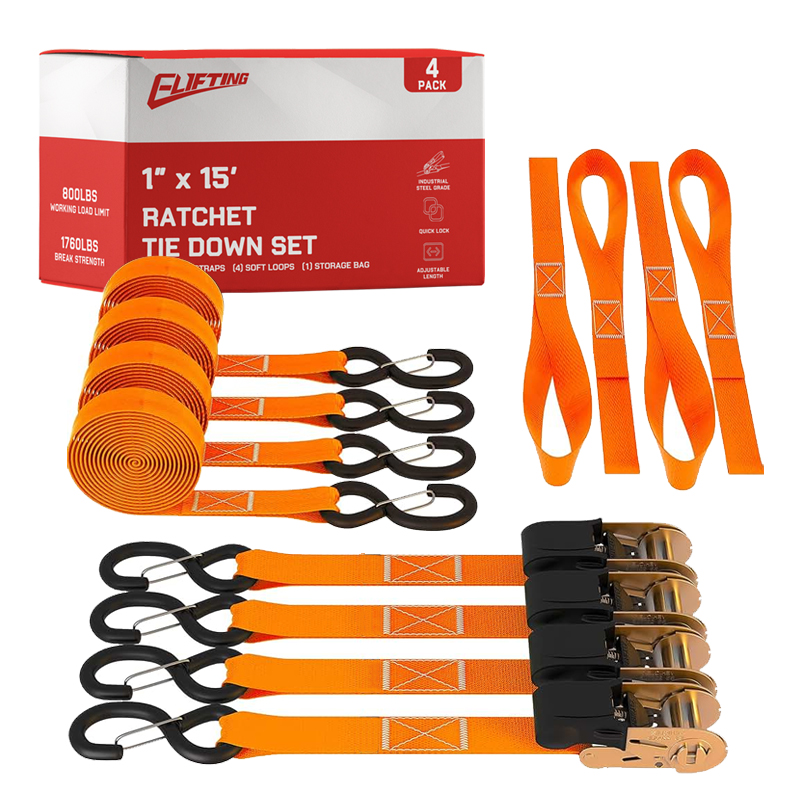
High Strength: Made from durable materials to ensure reliable securing force, suitable for binding and securing various heavy loads. Easy Operation:...
See Details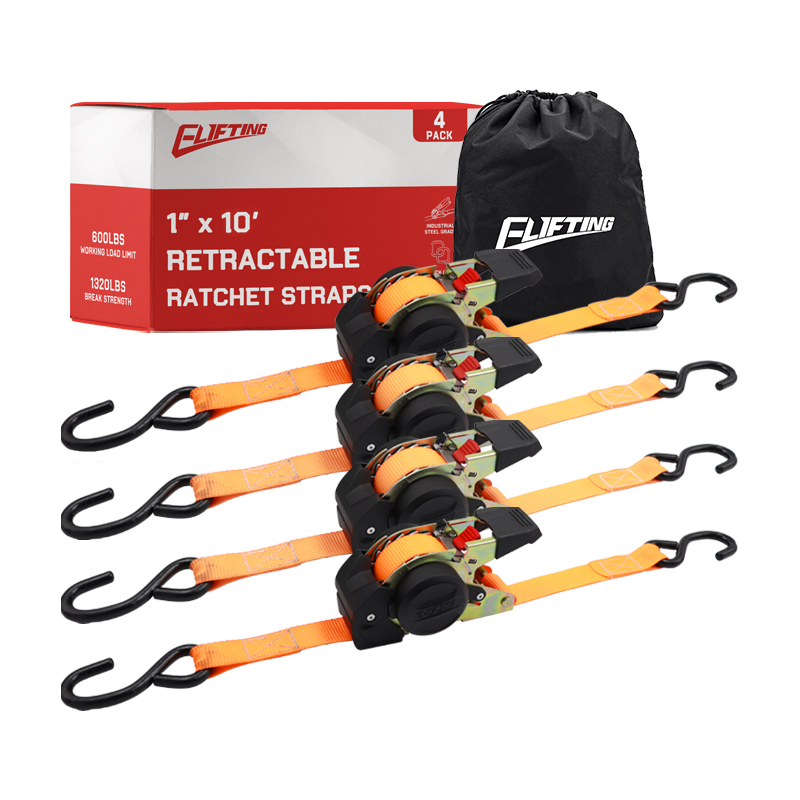
■ Instant automatic retractable strap - Easily retract excess strap length with the click of a button ■ Safety - With cushioning function, the strap ...
See Details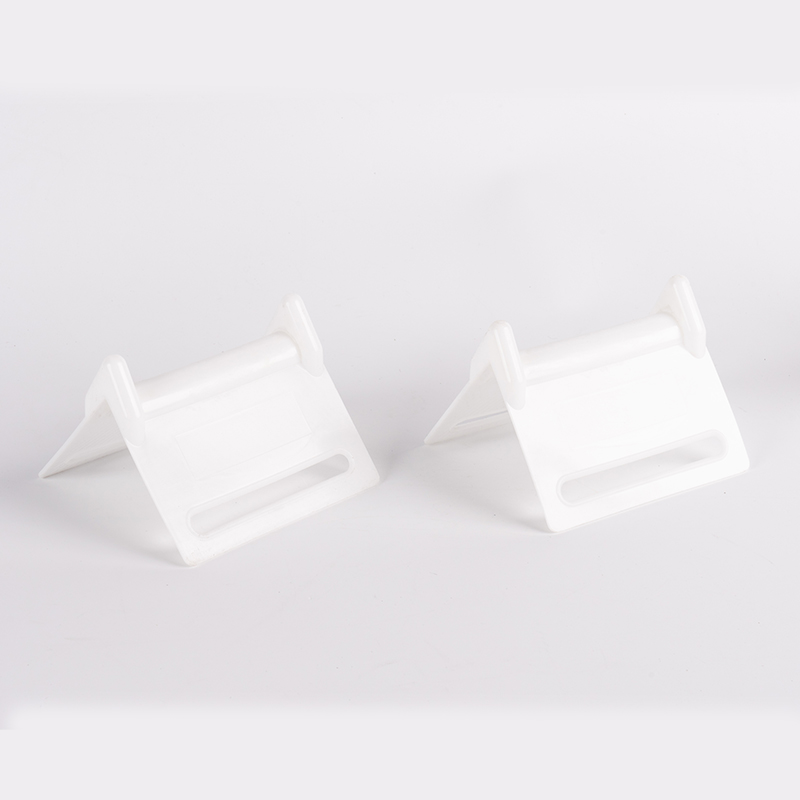
Made from high-quality plastic, our corner protectors protect against damage caused by straps and straps and are resistant to wear, tear and deformati...
See Details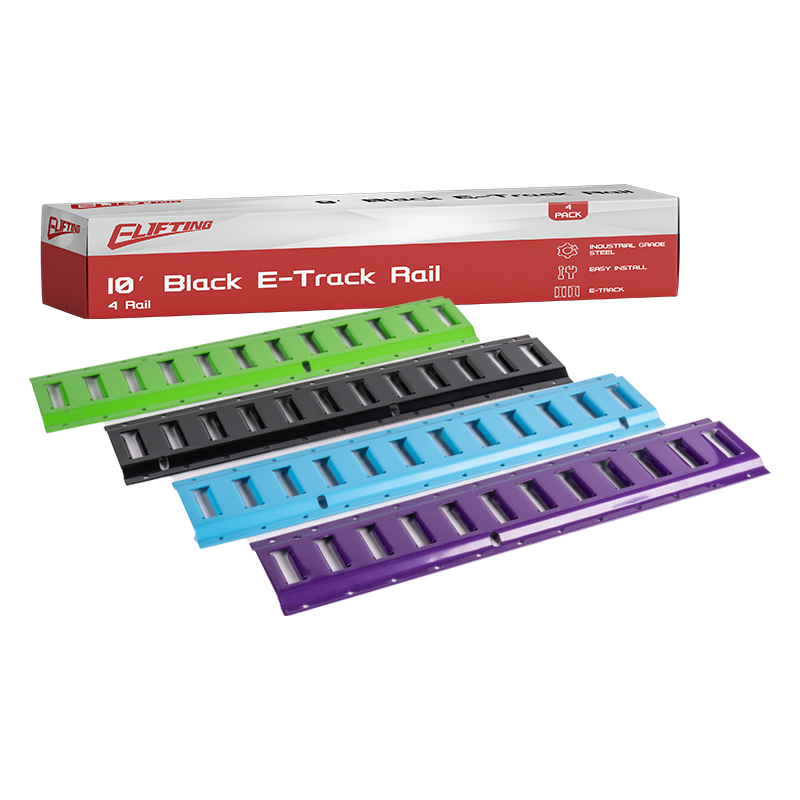
E-Track Rails is a rail system for securing cargo. It consists of a series of aluminum alloy or steel rails with slots, and with different accessories...
See Details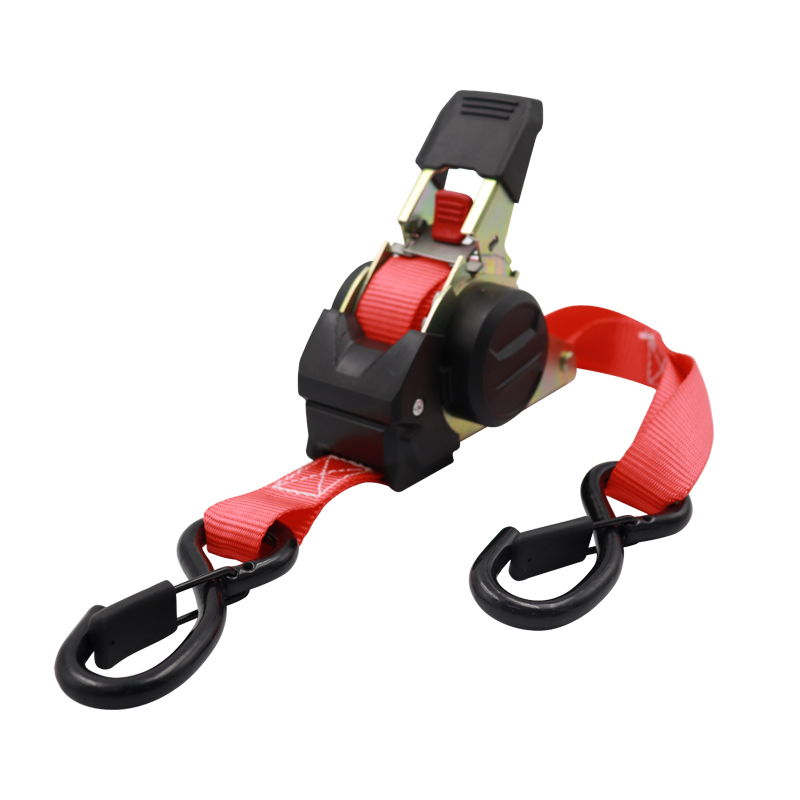
■ Instant automatic retractable strap - Easily retract excess strap length with the click of a button ■ Safety - With cushioning function, the strap ...
See Details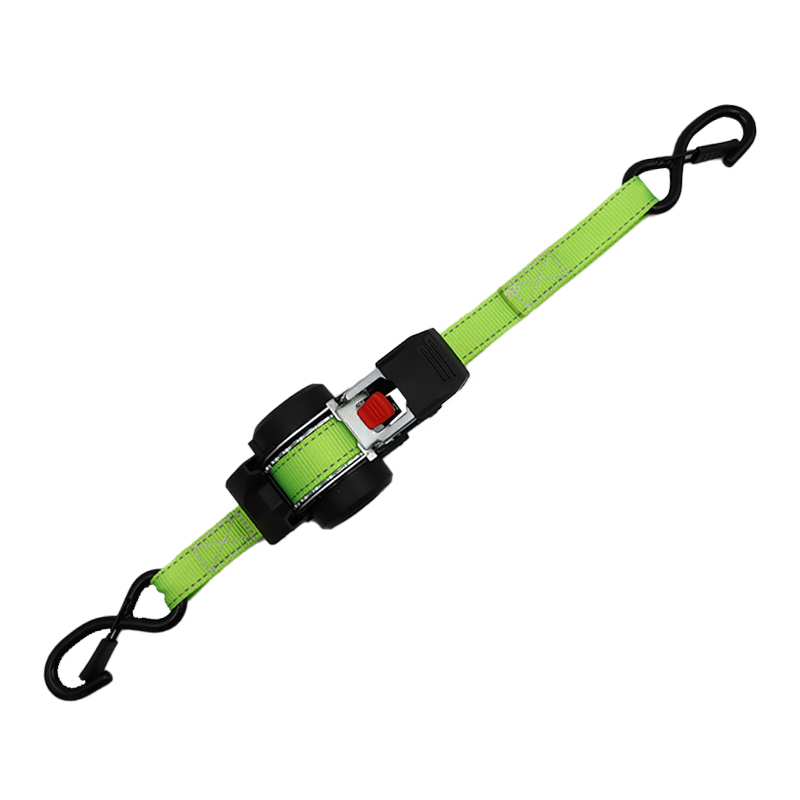
SAFER CONTROLLED RETRACTION - PREVENTS SNAP-BACK: Introducing our enhanced safety design! These retractable ratchet straps feature a built-in speed r...
See Details
Shangcheng Village, Tangxi Town, Ningbo, Zhejiang, China
+86 139 5782 7340
