


 English
 中文简体
中文简体
1.5" X 16" Cargo Straps With Heavey Duty
Cat:1.5 Inch Ratchet Straps
Dimensions - 1.5 inch wide x 16ft long, ratchet tie-down straps are made from industrial-grade polyesterCOATING J-HOOKS - Stay Damage-Free, Protect Yo...
See DetailsContent
The core difference is the tightening mechanism. A ratchet strap uses a mechanical ratchet handle to generate high, adjustable tension, making it suitable for heavy or shifting loads. A basic tie-down strap (often a cam buckle or hook-and-loop strap) is tightened by hand pulling, which is faster to use but produces far less holding force. In short, ratchet straps are built for strength and heavy-duty cargo, while simpler tie-down straps are built for speed and light-duty securing.
A ratchet strap consists of a webbing strap, a ratchet handle with a gear system, and typically a hook or loop end. The user threads the strap through the ratchet spool and pumps the handle back and forth, which winds the webbing tighter with each stroke. This mechanical advantage allows the strap to reach very high tension levels, often several times stronger than what a person could achieve by hand.
A general-purpose tie-down strap relies on a cam buckle, a friction buckle, or a simple hook-and-loop closure. The webbing is pulled by hand through the buckle until it feels snug, and the cam or friction plate locks the webbing in place. There is no mechanical winding action, so the maximum tension is limited by the user's grip strength.
Because ratchet straps generate mechanical leverage, their working load limit (WLL) is significantly higher than that of standard cam buckle tie-down straps of the same webbing width. The table below summarizes typical differences based on common 1-inch and 2-inch webbing sizes.
| Feature | Ratchet Strap | Cam Buckle Tie-Down | Hook-and-Loop Tie-Down |
|---|---|---|---|
| Typical WLL (1 inch) | 400 to 500 lbs | 150 to 300 lbs | 30 to 50 lbs |
| Typical WLL (2 inch) | 1667 to 3335 lbs | 500 to 1000 lbs | Not standard |
| Tightening speed | Slower, multiple pumps | Fast, one pull | Fastest, instant |
| Best for | Heavy cargo, machinery | Moderate loads | Light items, soft goods |
Figures are general industry ranges for standard polyester webbing and vary by manufacturer and strap length.
Choosing between a ratchet strap and a lighter tie-down strap depends heavily on the weight, shape, and movement risk of the cargo being secured.
For all of the scenarios above, a ratchet strap is generally the safer choice because it can be tightened incrementally and re-checked during transit. A basic tie-down strap is better reserved for lighter, non-shifting items where speed of setup matters more than maximum holding force.
One notable variation in the ratchet strap category is the Retainable Ratchet Strap, which is designed to solve a common complaint with traditional models: loose webbing that flaps, tangles, or drags on the ground after the strap is tightened.
Instead of leaving excess strap length hanging, a Retainable Ratchet Strap uses a built-in mechanism to wind the extra webbing back into the housing after use. This keeps the working area tidy, reduces trip hazards, and extends the service life of the webbing by preventing it from being crushed under wheels or dragged across abrasive surfaces.
This design makes the Retainable Ratchet Strap especially useful for fleets and repeat users who load and unload cargo daily, since it removes a small but repetitive annoyance without sacrificing strength.
Before selecting a strap, weigh the following factors against your specific cargo and transport conditions.
Regardless of whether you use a ratchet strap or a tie-down strap, following basic safety practices reduces the risk of cargo loss or strap failure.
Inspect the webbing for cuts, fraying, or UV damage, and check that hooks and buckles move freely without cracks or corrosion. A strap showing any of these signs should be retired, since even a small defect can significantly cut the actual working load limit.
Recheck tension after the first few miles, since webbing can settle and loosen slightly once the cargo shifts into position. This is especially important for a ratchet strap holding a heavy load, where even a small amount of slack can allow dangerous movement.
Store straps away from direct sunlight and moisture to prevent premature webbing degradation. For a Retainable Ratchet Strap, allow the retraction mechanism to fully wind the webbing before storage so it stays ready for the next use.
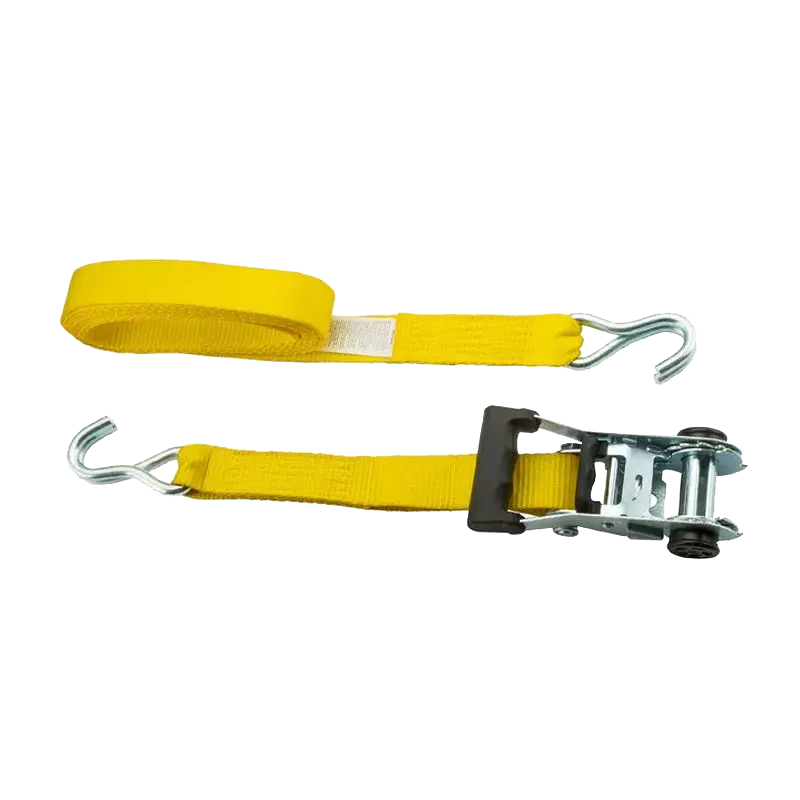
Dimensions - 1.5 inch wide x 16ft long, ratchet tie-down straps are made from industrial-grade polyesterCOATING J-HOOKS - Stay Damage-Free, Protect Yo...
See Details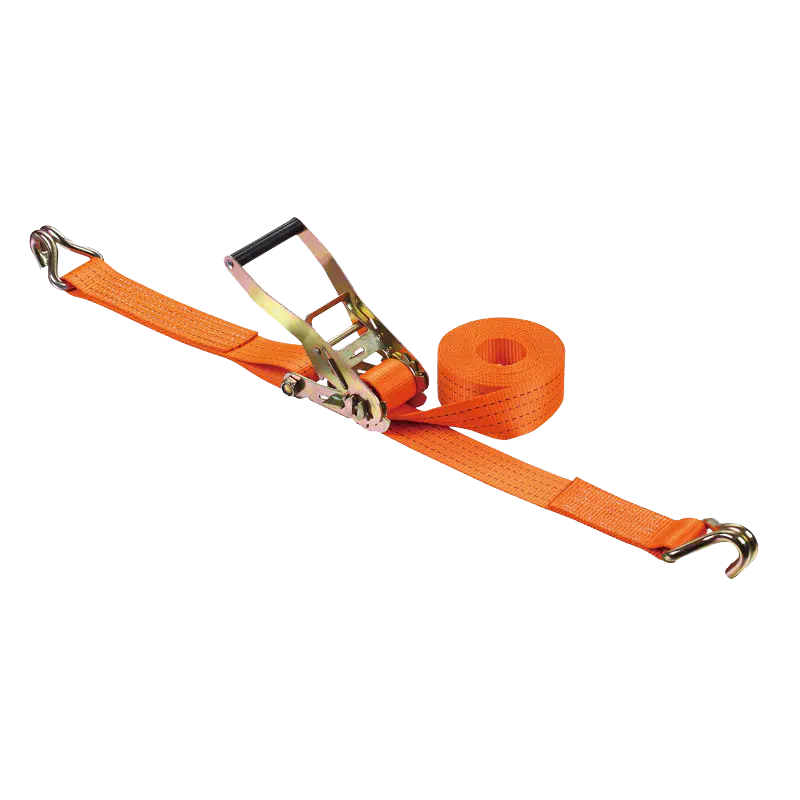
The ingenious ratchet buckle mechanism makes tightening and releasing the strap a breeze. Simply thread the strap through the buckle, pull the webbing...
See Details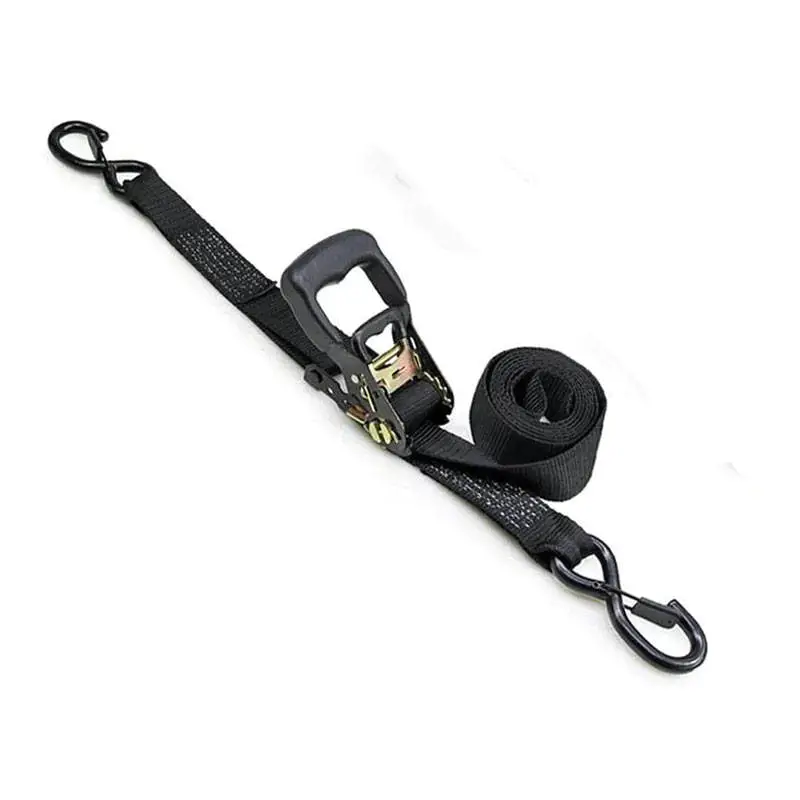
The compact and lightweight design of our 2" x 15' ratchet strap makes it easy to store and transport. Whether you're keeping it in your toolbox, glov...
See Details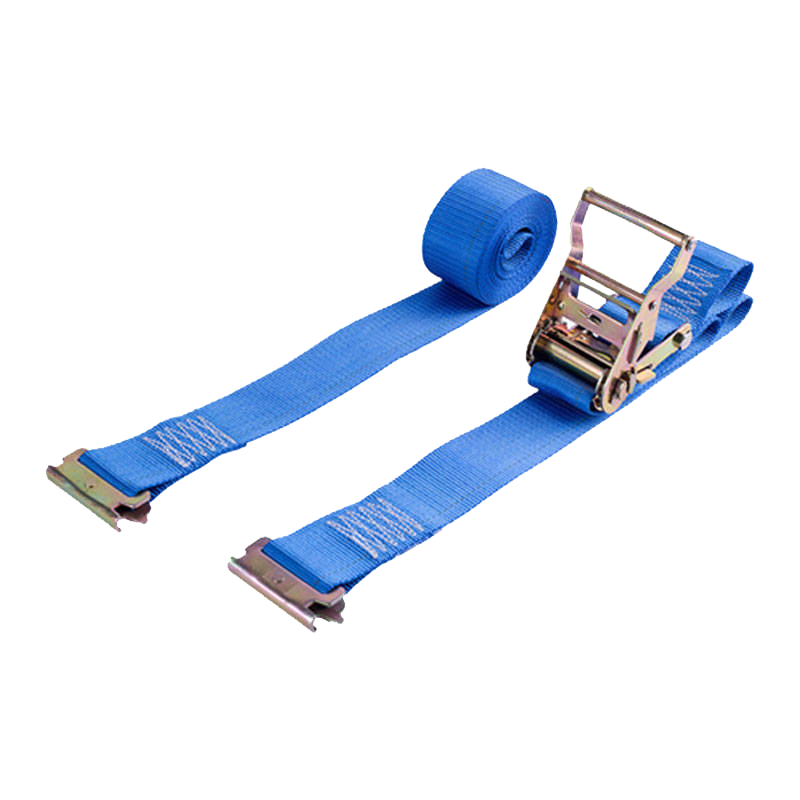
E Track Ratcheting Straps have a breaking strength of 4400 lbs. and a working load limit of 1460 lbs. and are equipped with high quality E track sprin...
See Details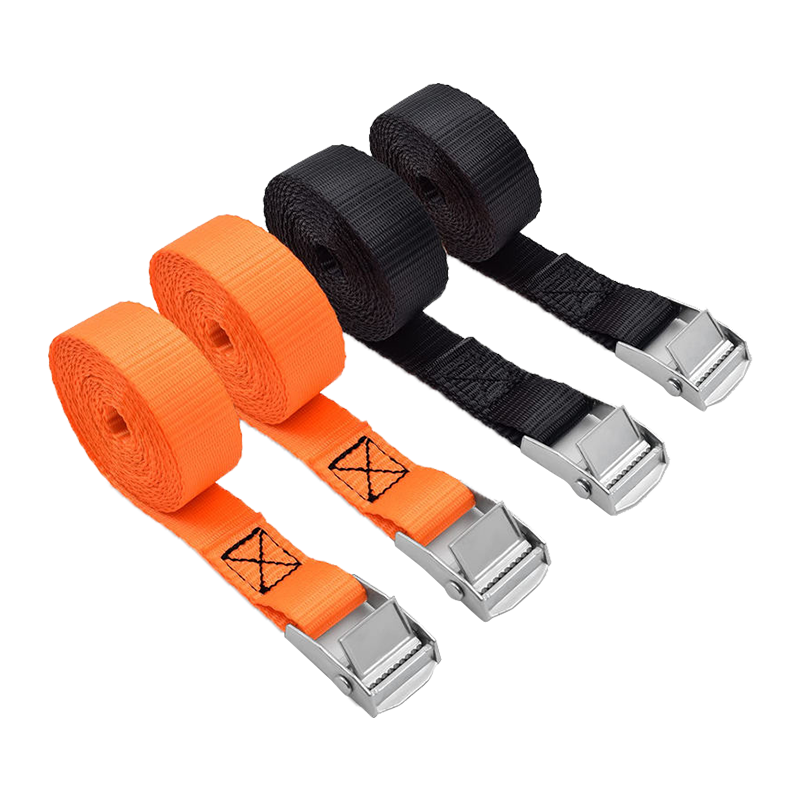
Adjustable Length: With a length of 12 feet, our strap offers flexibility to accommodate different cargo sizes. Easily adjust the length to achieve th...
See Details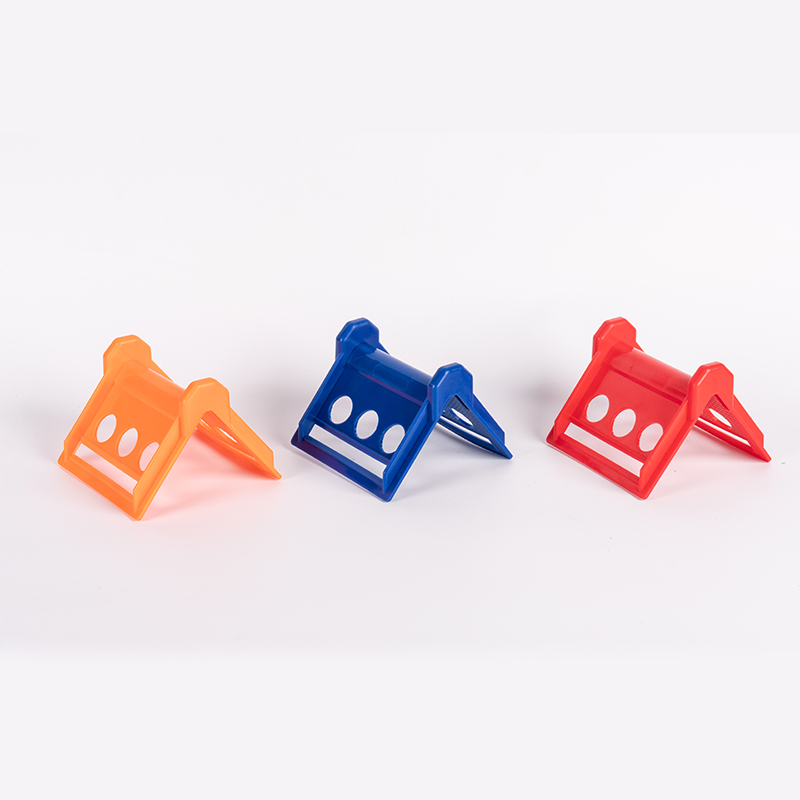
This economical corner protector is great for loads requiring a little extra protection for the strap or for the cargo. Raised edges ensure straps sta...
See Details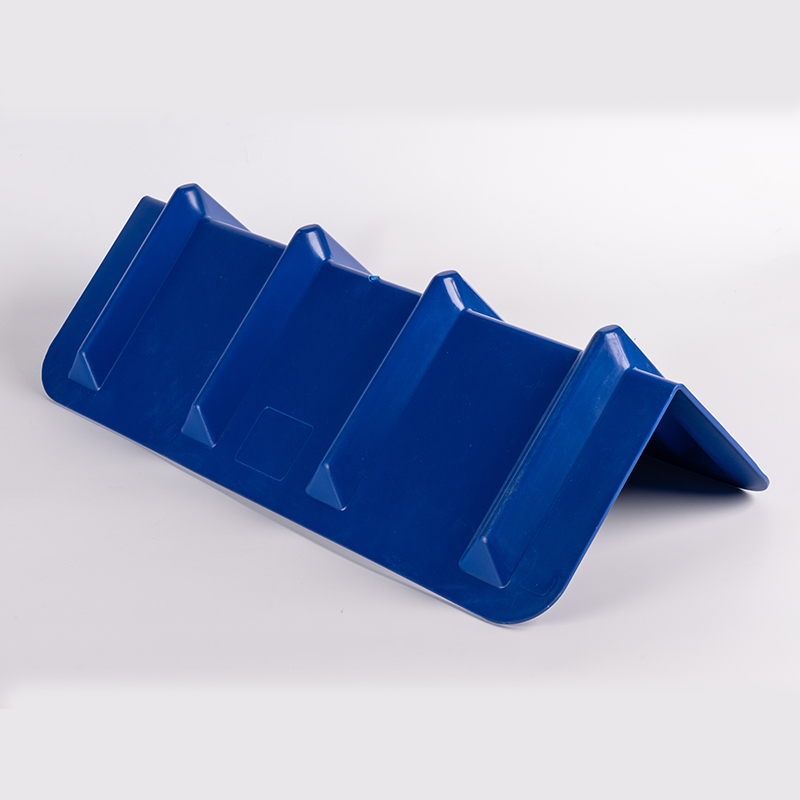
Crafted from high-density polyethylene, our 24-inch plastic corner protector offers exceptional durability and flexibility, making it the ideal barrie...
See Details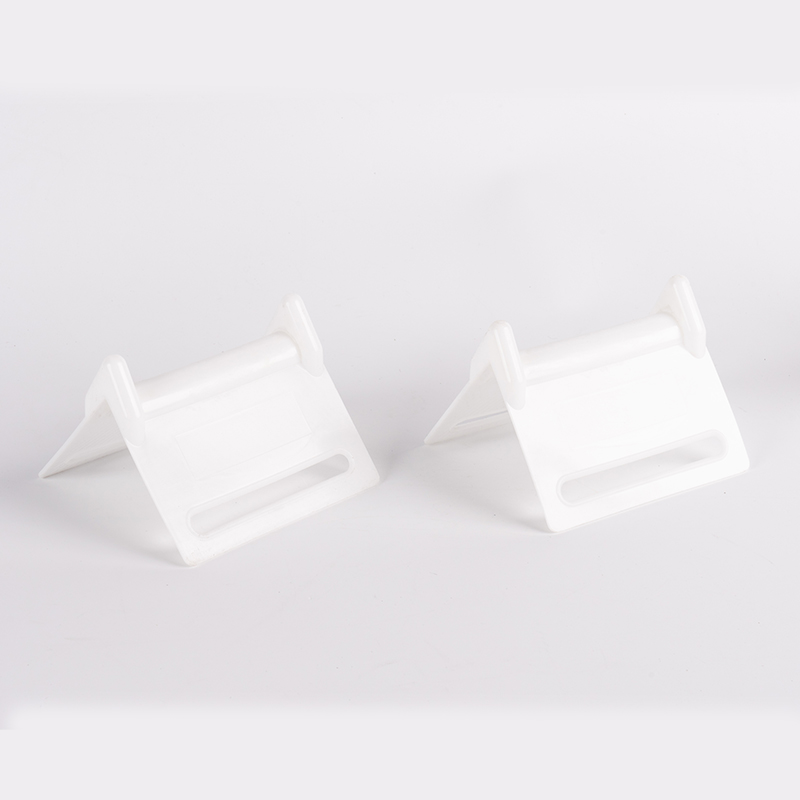
Made from high-quality plastic, our corner protectors protect against damage caused by straps and straps and are resistant to wear, tear and deformati...
See Details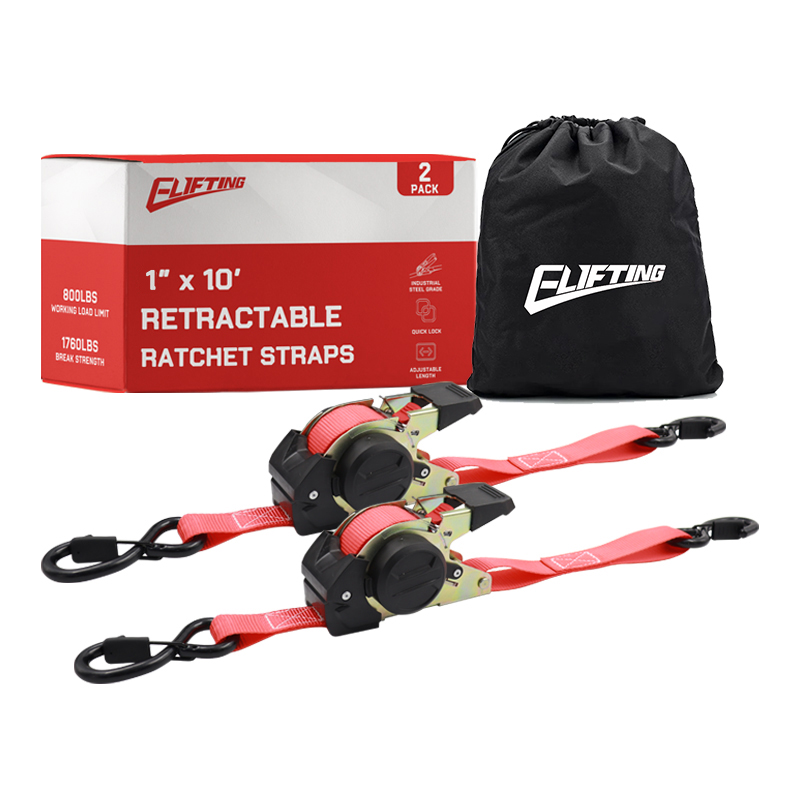
■ Instant automatic retractable strap - Easily retract excess strap length with the click of a button ■ Safety - With cushioning function, the strap ...
See Details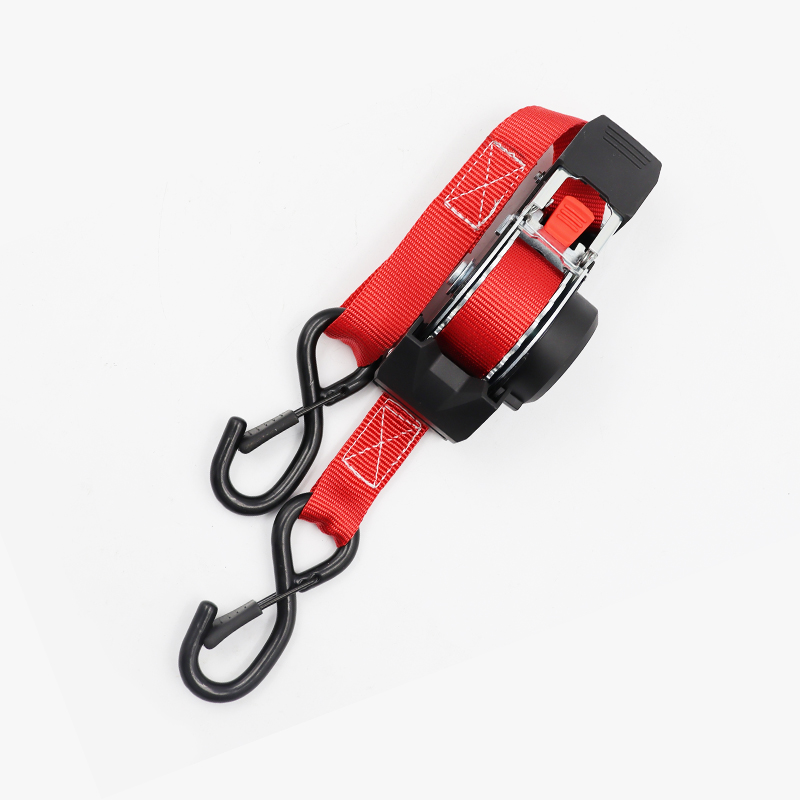
SAFER CONTROLLED RETRACTION - PREVENTS SNAP-BACK: Introducing our enhanced safety design! These retractable ratchet straps feature a built-in speed r...
See Details
Shangcheng Village, Tangxi Town, Ningbo, Zhejiang, China
+86 139 5782 7340
