


 English
 中文简体
中文简体
1" x 10ft Cargo Ratchet Straps With J Hook
Cat:1″Ratchet Straps
Ratchet tie-down 1000 lbs breaking strengthEASY OPERATION AND QUICK RELEASE: The coated handle features a release lever for easy operation and release...
See DetailsContent
E-Track rails significantly improve cargo safety by providing multiple, repositionable anchor points along the full length of a trailer, truck bed, or cargo van floor and wall. Unlike fixed tie-down rings that restrict securement to a few predetermined locations, E-Track systems allow straps, beam fittings, and cargo bars to be positioned exactly where the load requires them — dramatically reducing the opportunity for cargo shift during braking, cornering, and road impact.
According to the Federal Motor Carrier Safety Administration (FMCSA), cargo securement failures contribute to approximately 25,000 road incidents annually in the United States. A properly installed E-Track rails system addresses the root cause of most of these incidents: inadequate or improperly positioned restraint points. In 2026, with stricter DOT cargo securement enforcement and increasing freight density per load, E-Track has become a baseline expectation rather than an optional upgrade in professional transport operations.
E-Track is a standardized slotted rail system originally developed for the logistics and transport industry. The rail profile features a series of oval-shaped slots — typically spaced 2 inches on center — into which E-Track fittings, hooks, and accessories lock with a simple insert-and-rotate motion. Once engaged, fittings are mechanically locked against lateral movement and cannot slip out under load without a deliberate release action.
The E-Track standard is an open, widely adopted specification, which means fittings and accessories from any compliant manufacturer are interchangeable with any compliant rail — creating a highly modular system that can be expanded and reconfigured as transport needs change. Rails are available in horizontal and vertical orientations, allowing installation on trailer floors, sidewalls, bulkheads, and cargo van interior panels depending on the application.
A standard E-Track fitting consists of a spring-loaded tab that inserts into the rail slot at an angle, then rotates 90 degrees to engage behind the slot lip. When a load is applied — typically via a ratchet strap or cargo bar — the fitting is drawn tighter against the rail face, increasing mechanical grip under load. This self-tightening characteristic means that the harder the load pulls on the fitting, the more securely it locks — a fundamental safety advantage over simple ring hooks or non-locking cleats.
Material selection is the most consequential decision when specifying an E-Track installation. The two primary options — steel and aluminum — have distinct performance profiles that suit different operational contexts.
| Property | Steel E-Track Rails | Aluminum E-Track Rails |
|---|---|---|
| Tensile Strength | Higher (400–600 MPa) | Moderate (200–310 MPa) |
| Weight per 8ft Rail | ~8–10 lbs | ~3–4 lbs |
| Corrosion Resistance | Requires coating/galvanizing | Naturally corrosion-resistant |
| Working Load Limit | Up to 5,000 lbs per fitting | Up to 3,300 lbs per fitting |
| Best Application | Heavy freight, flatbeds, semi-trailers | Cargo vans, food transport, marine, RV |
| Typical Finish | Zinc-plated, powder-coated, e-coat | Mill finish, anodized |
For most long-haul commercial operations transporting heavy palletized freight or equipment, steel E-Track rails remain the industry standard due to their higher working load limits. Aluminum E-Track rails are the preferred choice for food-grade transport, refrigerated trailers, cargo vans, and marine vessels where weight savings and corrosion immunity are operationally critical. A refrigerated delivery fleet, for example, benefits substantially from aluminum rails — the weight saved per van translates directly to increased payload capacity over thousands of delivery cycles.
Truck cargo E-Track rails are designed to operate within the cargo securement framework established by FMCSA regulations (49 CFR Part 393, Subpart I). Understanding how E-Track fits into the regulatory picture is essential for fleet operators who face DOT inspection and compliance risk.
The FMCSA requires that all cargo securement devices meet minimum working load limit (WLL) thresholds relative to the weight of the load being secured. Specifically:
Standard steel E-Track fittings rated at 3,300–5,000 lbs WLL per attachment point satisfy these requirements for a broad range of freight types. A trailer fitted with continuous E-Track rails on both sidewalls and the floor provides dozens of potential anchor locations that can be combined in any configuration — giving operators the flexibility to meet regulatory WLL requirements for any load geometry without the limitations of fixed anchor points.
The value of E-Track rails multiplies significantly when combined with the right accessories. The rail itself is the anchor infrastructure; the accessories are what translate that infrastructure into practical cargo control for specific load types.
Single-leg and double-leg strap anchors insert directly into E-Track slots and provide attachment points for ratchet straps, cam buckle straps, and chains. O-ring fittings offer 360-degree rotation, accommodating strap angles from any direction — critical when securing irregularly shaped cargo that requires oblique strap angles to prevent lateral movement.
E-Track cargo bars (also called load bars or decking bars) are telescoping metal poles that span the trailer width and lock into opposing wall-mounted E-Track rails. They act as physical barriers preventing loads from sliding forward, backward, or across the trailer floor. A standard 48-inch aluminum cargo bar rated for 3,000 lbs end load provides effective pallet separation without adding significant weight to the trailer.
Dedicated E-Track pallet strap systems combine a floor-mounted E-Track slot fitting with a retractable ratchet strap on each side of a pallet position. These systems allow a single operator to secure a standard 48×40 inch pallet in under 60 seconds — a significant productivity benefit in high-volume loading operations compared to manually routing individual straps under the pallet.
Small-diameter rope rings and S-hook fittings for E-Track provide low-profile attachment points for bungee cords, nets, rope ties, and light-duty strap anchors. These are commonly used in cargo vans, pickup truck beds, and recreational vehicles where frequent access and varied cargo types require flexible, low-effort attachment options at multiple points.
Standard E-Track rails are available in lengths from 2 feet to 8 feet, but many commercial transport and specialty vehicle applications benefit from custom E-Track rails cut to specific lengths, drilled with non-standard mounting hole patterns, or manufactured in non-standard profiles for unique vehicle architectures.
Common scenarios that justify custom specification include:
For high-volume fleet applications, working with a supplier that offers custom E-Track rails cut to length with pre-drilled mounting patterns eliminates field fabrication, reduces installation time per vehicle, and ensures dimensional consistency across every unit in the fleet.
Proper installation is as important as rail specification. An E-Track system is only as strong as its attachment to the vehicle structure. Follow these installation principles:
Understanding where E-Track rails outperform and where they complement other securement systems helps operators make well-informed equipment investment decisions.
| System | Anchor Flexibility | WLL Per Point | Setup Time | Best Use Case |
|---|---|---|---|---|
| E-Track Rails | Very High (2-inch increments) | 3,300–5,000 lbs | Fast (insert & rotate) | Mixed freight, vans, trailers |
| Fixed D-Rings | Low (fixed locations) | 2,000–4,000 lbs | Fast | Dedicated/regular freight runs |
| L-Track (Logistic Track) | High (continuous slot) | 2,500–4,000 lbs | Moderate | Aircraft, RV interiors |
| Cargo Nets | Moderate | Low (light loads only) | Fast | Multiple small items, truck beds |
| Chain + Binder | Low–Moderate | Very High (5,000–10,000 lbs) | Slow | Heavy machinery, flatbeds |
E-Track's primary competitive advantage is its combination of high WLL and repositionable anchor flexibility. No other system provides comparable load ratings at 2-inch positioning increments without requiring fixed installation points — making truck cargo E-Track rails the most adaptable securement solution for operations that carry varied freight types and dimensions across multiple loads.
A properly maintained E-Track rails system has a service life measured in years — but only if inspection and maintenance are conducted consistently. The following practices protect the system's integrity and the safety of every load it secures:
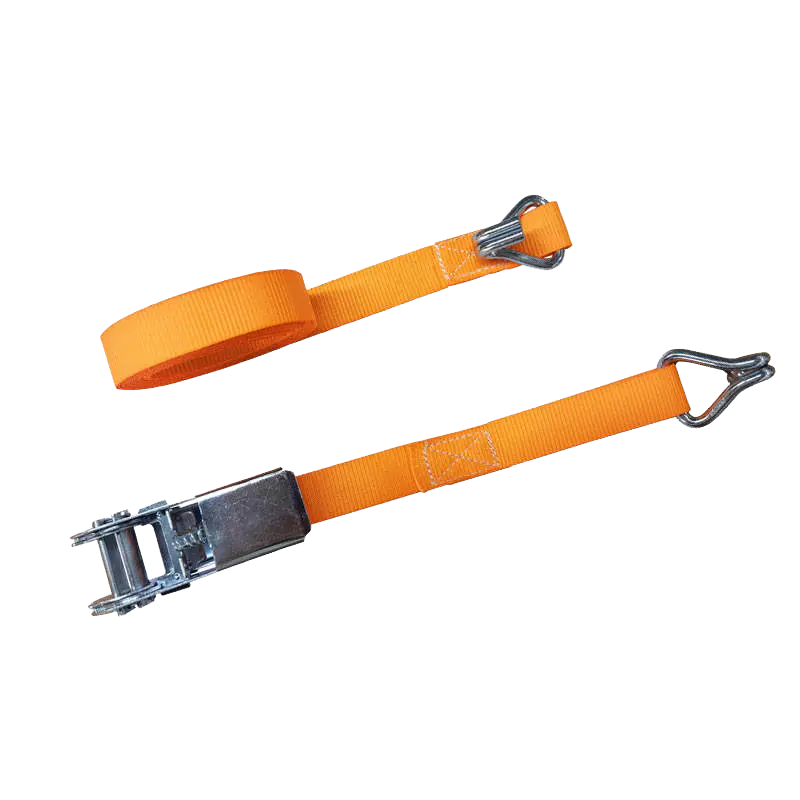
Ratchet tie-down 1000 lbs breaking strengthEASY OPERATION AND QUICK RELEASE: The coated handle features a release lever for easy operation and release...
See Details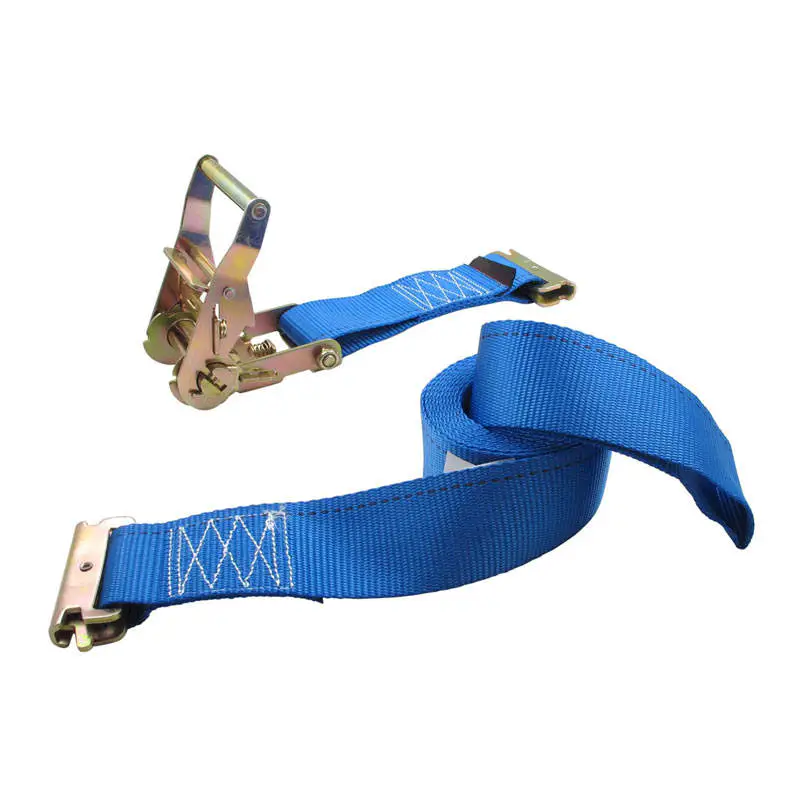
The ingenious E Track fitting design makes attaching and detaching the strap a breeze. Simply slide the E Track fitting into the E Track rail, engage ...
See Details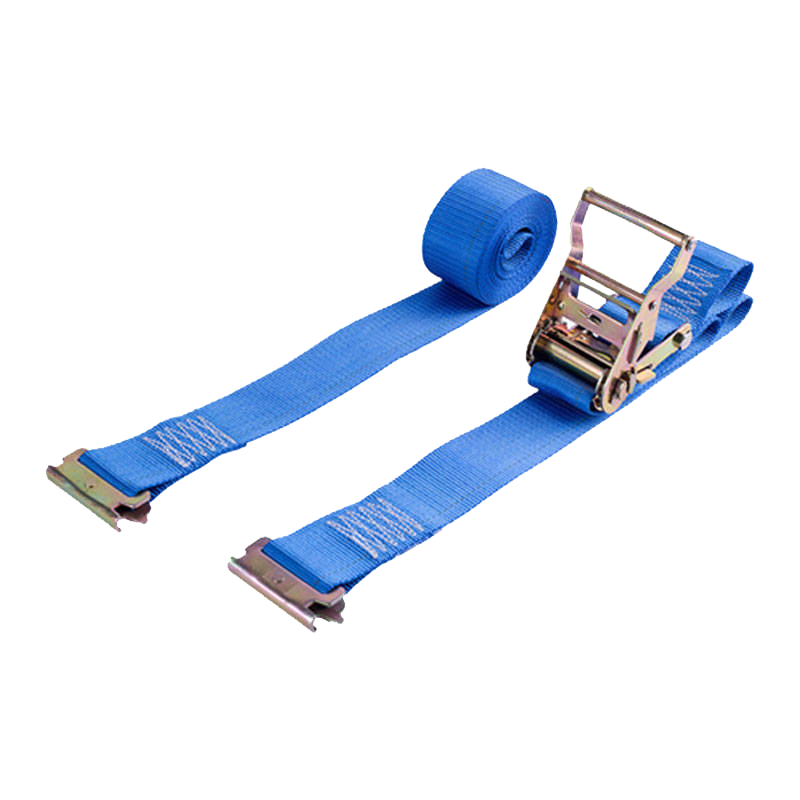
E Track Ratcheting Straps have a breaking strength of 4400 lbs. and a working load limit of 1460 lbs. and are equipped with high quality E track sprin...
See Details
To ensure the safety of goods during transportation, our 6-inch plastic corner protectors are included. Made of durable plastic material, it can effec...
See Details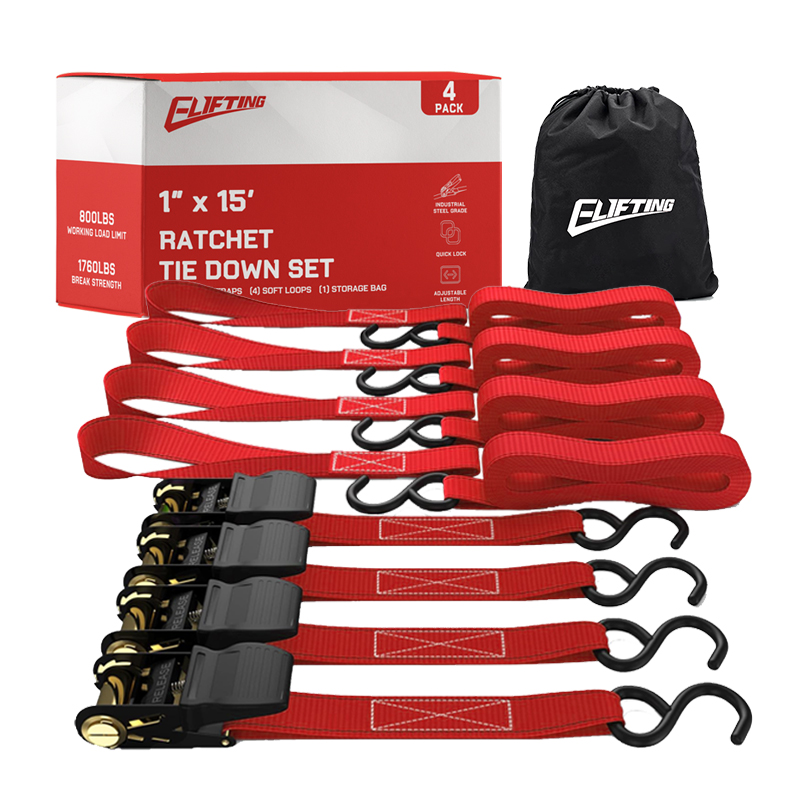
High Strength: Made from durable materials to ensure reliable securing force, suitable for binding and securing various heavy loads. Easy Operation:...
See Details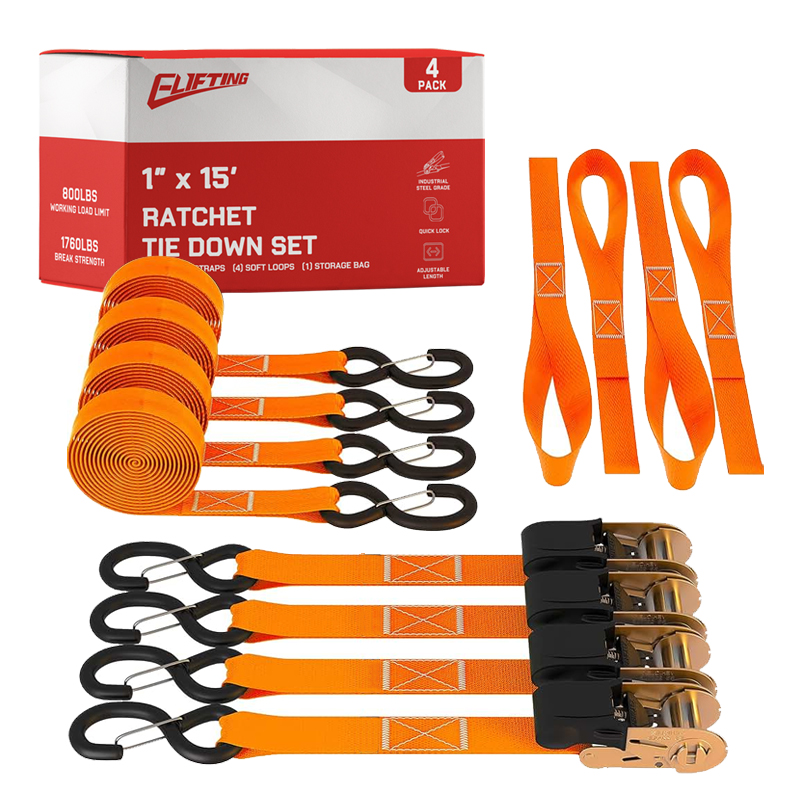
High Strength: Made from durable materials to ensure reliable securing force, suitable for binding and securing various heavy loads. Easy Operation:...
See Details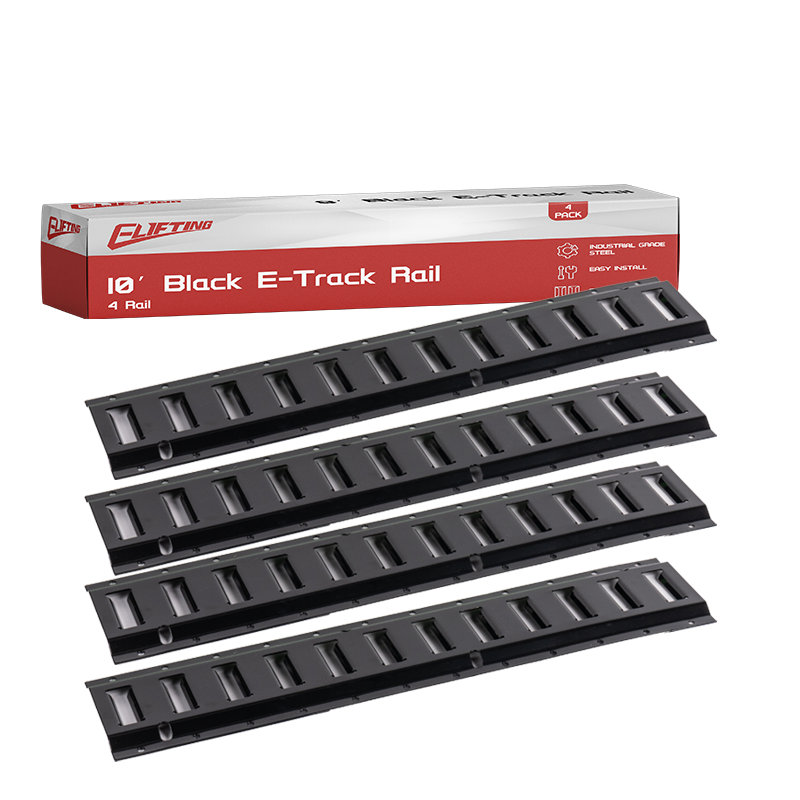
E-Track Rails is a rail system for securing cargo. It consists of a series of aluminum alloy or steel rails with slots, and with different accessories...
See Details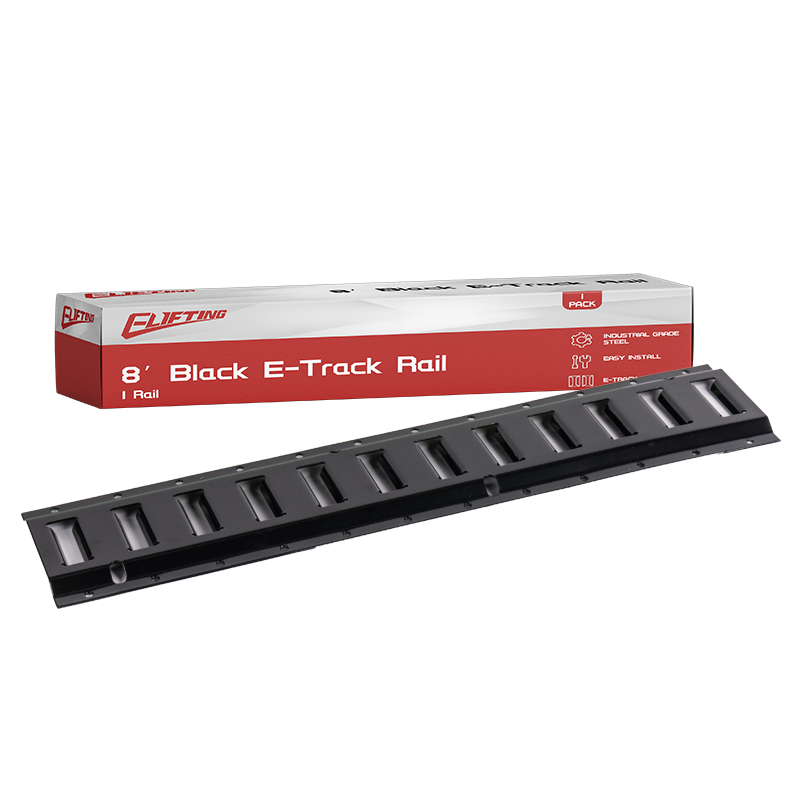
E-Track Rails is a rail system for securing cargo. It consists of a series of aluminum alloy or steel rails with slots, and with different accessories...
See Details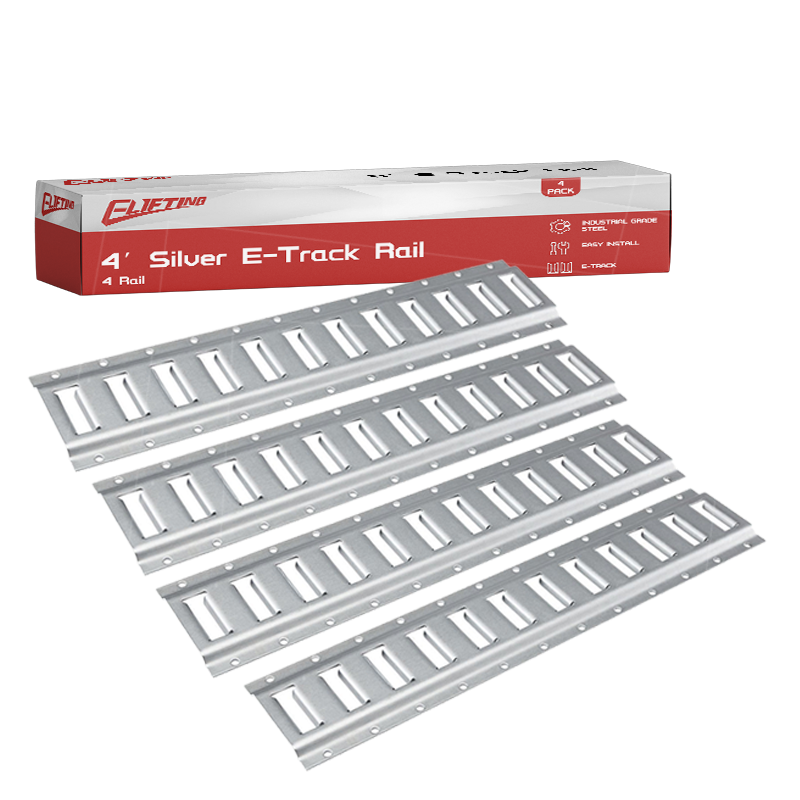
E-Track Rails is a rail system for securing cargo. It consists of a series of aluminum alloy or steel rails with slots, and with different accessories...
See Details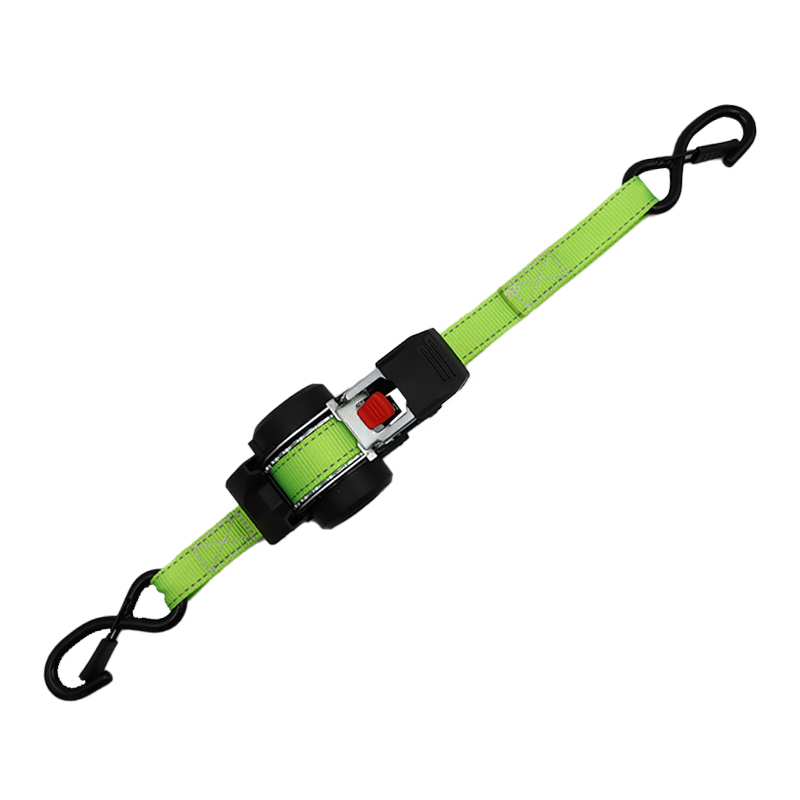
SAFER CONTROLLED RETRACTION - PREVENTS SNAP-BACK: Introducing our enhanced safety design! These retractable ratchet straps feature a built-in speed r...
See Details
Shangcheng Village, Tangxi Town, Ningbo, Zhejiang, China
+86 139 5782 7340
