


 English
 中文简体
中文简体
2" x 15" Heavy Duty Ratchet Tie Down Straps
Cat:2 Inch Ratchet Straps
The compact and lightweight design of our 2" x 15' ratchet strap makes it easy to store and transport. Whether you're keeping it in your toolbox, glov...
See DetailsQuick answer: To use E track ratchet tie downs correctly, insert the E-fitting into the E-track slot and slide it to a firm anchor point, thread the strap through the ratchet mandrel, loop the free end around or beneath the cargo, engage the ratchet to apply tension until the strap is taut with no slack, then verify all fittings are locked. The working load limit of the entire system — track, fittings, ratchet buckle, and strap — must meet or exceed the calculated tie-down requirement for the cargo weight and geometry.
Content
E track ratchet tie downs are a cargo securing system combining two components: an E-track rail permanently mounted to a trailer floor, wall, or deck, and a ratchet strap fitted with a standardized E-fitting (also called a snap hook or E-track fitting) that slides and locks into the track at any position along its length. This gives the user an adjustable, repositionable anchor point rather than a fixed ring or hook — a significant operational advantage when load configurations change between hauls.
The E-track rail takes its name from the cross-sectional profile of its slots, which resemble the letter E. Rails are typically manufactured from 12-gauge or 14-gauge steel and come in standard lengths of 5 ft, 10 ft, and 20 ft. They are rated for specific tie-down loads per fitting position, most commonly 3,333 lbs (1,512 kg) per E-fitting when the rail is correctly mounted to structural framing.
The ratchet mechanism provides mechanical advantage to tension the strap far beyond what hand-pulling alone achieves — typically 4:1 to 6:1 mechanical advantage depending on handle length and mandrel diameter — enabling a single operator to apply several hundred kilograms of restraining force to a load without requiring additional tools.
Incorrect setup is the most common cause of cargo shift and tie-down failure in practice. Following a consistent procedure eliminates the most common setup errors.
Before threading a single strap, verify that all components are in serviceable condition. Check the ratchet mechanism engages cleanly and does not slip under manual load. Inspect the strap webbing for cuts, fraying, UV degradation (indicated by loss of color intensity or surface chalking), and chemical contamination. Inspect E-fittings for bent or cracked hooks that prevent full engagement with the track slot. Any damaged component must be removed from service.
Tilt the E-fitting at approximately 45 degrees to insert it into the nearest open track slot, then rotate it flat and slide it to the desired anchor position. A correctly engaged E-fitting will not lift out of the track when pulled upward — test this before loading tension onto the strap. Position the anchor point so the strap runs at an angle of no more than 30 degrees from vertical where possible — flatter strap angles reduce the vertical restraint component and require more straps to achieve equivalent cargo control.
Open the ratchet fully by pressing the release lever and swinging the handle to the fully open position. Feed the free end of the strap through the mandrel slot from underneath, pulling several inches of webbing through until resistance is felt. Close the handle partially to grip the webbing without applying tension. Ensure the strap lies flat through the mandrel — twisted webbing reduces working load capacity and causes uneven wear.
Pass the strap end under or around the cargo, ensuring the webbing contacts a structurally sound part of the load — not a protrusion, sharp edge, or fragile component. For loads without natural anchor points, use load bars, cargo bars, or edge protectors between the strap and cargo surface to distribute contact force and prevent strap abrasion damage.
Pump the ratchet handle in full strokes to take up slack and apply tension progressively. Continue until the strap is firm and the cargo does not move when pushed laterally. The strap should have no visible sag or slack between the ratchet and cargo contact point. Once at working tension, ensure the pawl is fully engaged in the ratchet teeth. Fold excess strap webbing and secure with the integrated keeper strap or a rubber band to prevent road flutter that accelerates webbing degradation.
After completing all tie-downs, attempt to move the cargo by hand in the forward, rearward, and lateral directions. Any perceptible movement indicates insufficient tie-down force or an insufficient number of straps for the cargo weight. Re-tension or add additional tie-down points as needed. Re-check tension after the first 50 miles (80 km) of travel — strap webbing settles under vibration and initial tension commonly reduces by 10 to 20% during this settling period.
The number of E track ratchet tie downs required for a given load is not arbitrary — it is governed by physics and, in commercial transport, by regulation. Most cargo securing standards (including 49 CFR Part 393 in the US and EN 12195 in Europe) base tie-down quantity on the cargo's weight relative to the aggregate working load limit of the restraint system.
Under US DOT regulations, the aggregate WLL of all tie-downs must equal at least 50% of the cargo weight for forward restraint, and 50% for lateral and rearward restraint. A 2,000 lb load therefore requires tie-downs with a combined forward WLL of at least 1,000 lbs — and if each strap is rated at 833 lbs WLL, a minimum of two straps are required for this load.
| Cargo Weight | Min. Total WLL Required | Straps Needed (833 lb WLL each) | Straps Needed (1,667 lb WLL each) |
|---|---|---|---|
| 500 lbs (227 kg) | 250 lbs (113 kg) | 1 (min. regulatory) | 1 |
| 1,500 lbs (680 kg) | 750 lbs (340 kg) | 1 (marginal) → use 2 | 1 |
| 3,000 lbs (1,360 kg) | 1,500 lbs (680 kg) | 2 | 1 (marginal) → use 2 |
| 6,000 lbs (2,722 kg) | 3,000 lbs (1,360 kg) | 4 | 2 |
| 10,000 lbs (4,536 kg) | 5,000 lbs (2,268 kg) | 6 | 3 |
These are regulatory minimums. In practice, adding one additional strap beyond the minimum is a widely recommended safety margin — particularly for loads with high centers of gravity, irregular shapes, or significant vibration exposure during transit.
An enclosed trailer presents specific cargo securing considerations that differ from flatbed applications. E track ratchet tie downs for enclosed trailer use must work within the trailer's interior geometry, where vertical wall-mounted E-track rails supplement or replace floor track for securing loads against lateral movement and tipping.
Most enclosed trailers use a combination of floor-mounted E-track (running longitudinally along the trailer length) for forward and rearward restraint, and wall-mounted E-track (running horizontally at one or two heights) for lateral restraint and load stacking control. Wall track is particularly valuable when securing tall or top-heavy loads that have a high tipping risk in cornering or evasive maneuver scenarios.
For a standard enclosed cargo trailer, a common installation uses two longitudinal floor rails running the full trailer length, plus horizontal wall rails at 24 inches and 48 inches height on both sidewalls. This configuration covers the majority of cargo securing geometries without requiring additional hardware beyond the installed E-track network.
In an enclosed space, straps are typically routed in one of three configurations:
Heavy duty E track ratchet tie down straps for cargo are not a single product — the category spans a range of strap widths, breaking strengths, and webbing materials suited to different cargo types and load weights. Selecting the correct specification for your application is as important as using the straps correctly.
Strap width is the primary determinant of WLL and breaking strength in polyester webbing tie-downs:
Polyester is the standard webbing material for cargo tie-down applications. It has minimal stretch under load (typically 1–3% elongation at WLL), excellent UV resistance, and does not absorb water — maintaining its rated strength when wet. Nylon, by contrast, stretches significantly more under load (8–12% elongation at WLL), which makes it unsuitable for cargo control where maintaining a tight, stable restraint is critical. Nylon's stretch characteristics make it appropriate for towing applications, not cargo tie-downs.
| Strap Width | Typical WLL | Break Strength | Primary Application |
|---|---|---|---|
| 1 inch (25mm) | 500–833 lbs | 1,500–2,500 lbs | Motorcycles, light loads |
| 2 inch (50mm) | 1,667–3,333 lbs | 5,000–10,000 lbs | General cargo, vehicles, enclosed trailer |
| 3 inch (75mm) | 3,333–5,000 lbs | 10,000–15,000 lbs | Heavy equipment, construction loads |
| 4 inch (100mm) | 5,400+ lbs | 16,000+ lbs | Oversized loads, industrial machinery |
Tie-down straps are safety-critical equipment. Unlike most cargo hardware, webbing degrades invisibly — UV damage, chemical exposure, and internal fiber fatigue reduce breaking strength without producing obvious external changes until failure is imminent.
Ningbo Easy Lifting Auto Accessories Co., Ltd. is a professional lashing equipment manufacturer in China, specializing in stainless steel center buckles, ratchet tie-down series, cam buckles, hooks, and webbing slings. As a professional China OEM E track ratchet tie downs manufacturer and factory, the company is committed to improving safety and security standards in the cargo control industry.
The manufacturing facility operates with a well-equipped infrastructure, managed by a team of engineers and professionals who conduct strict inspection and supervision at all stages of production. All lashing equipment complies with relevant GS and EC standards, ensuring products meet international safety requirements for commercial cargo securing applications. Custom product specifications — including non-standard WLL ratings, strap lengths, and fitting configurations — are accepted based on customer requirements.
EasyLifting's dedicated export department is fully versed in global shipping and documentation requirements, enabling direct purchase availability from any country without logistics complexity. This capability supports both wholesale and OEM customers across multiple international markets.
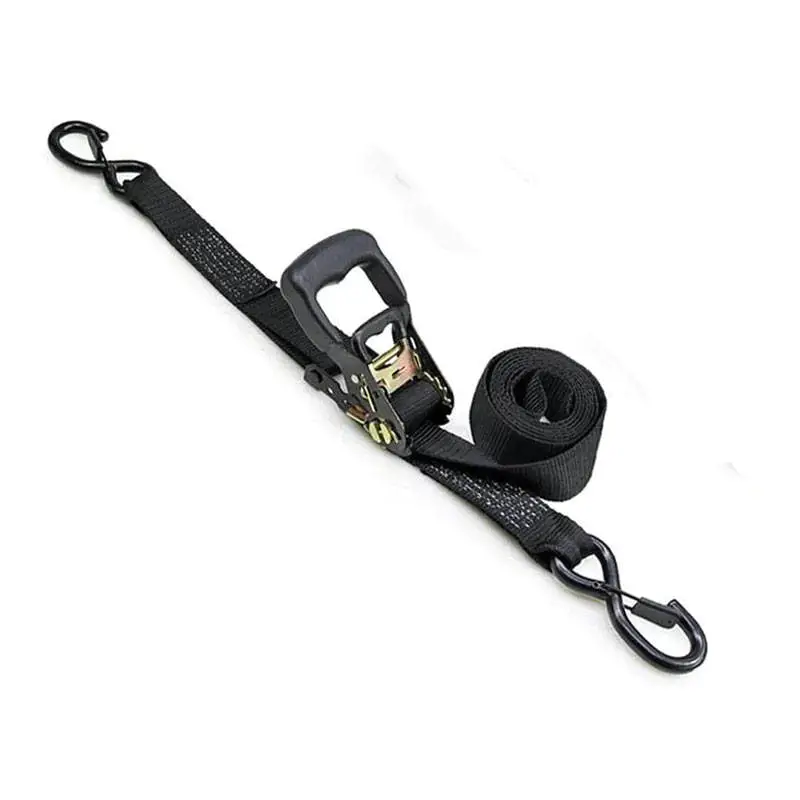
The compact and lightweight design of our 2" x 15' ratchet strap makes it easy to store and transport. Whether you're keeping it in your toolbox, glov...
See Details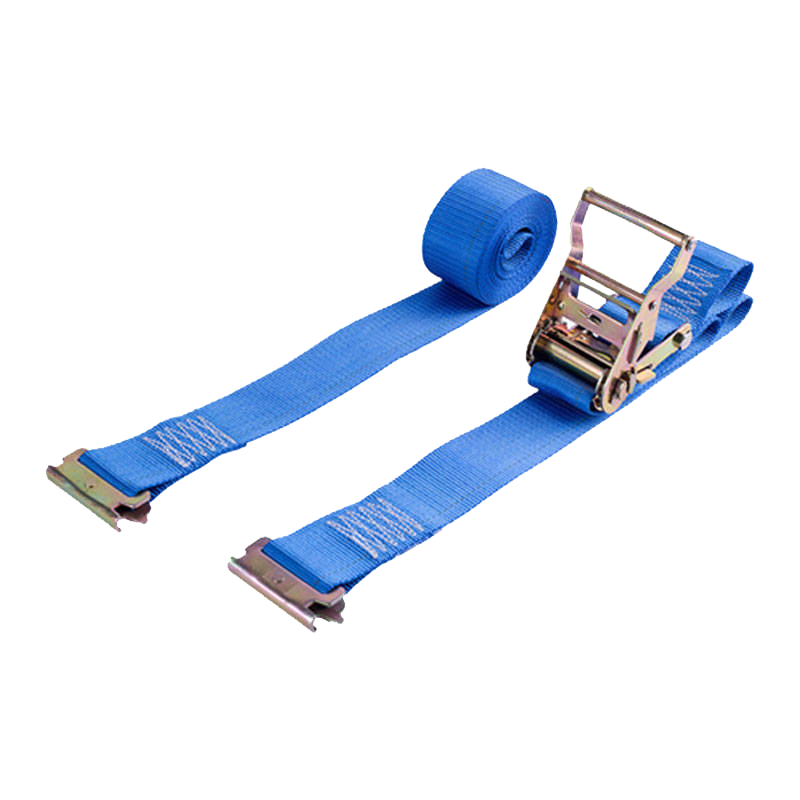
E Track Ratcheting Straps have a breaking strength of 4400 lbs. and a working load limit of 1460 lbs. and are equipped with high quality E track sprin...
See Details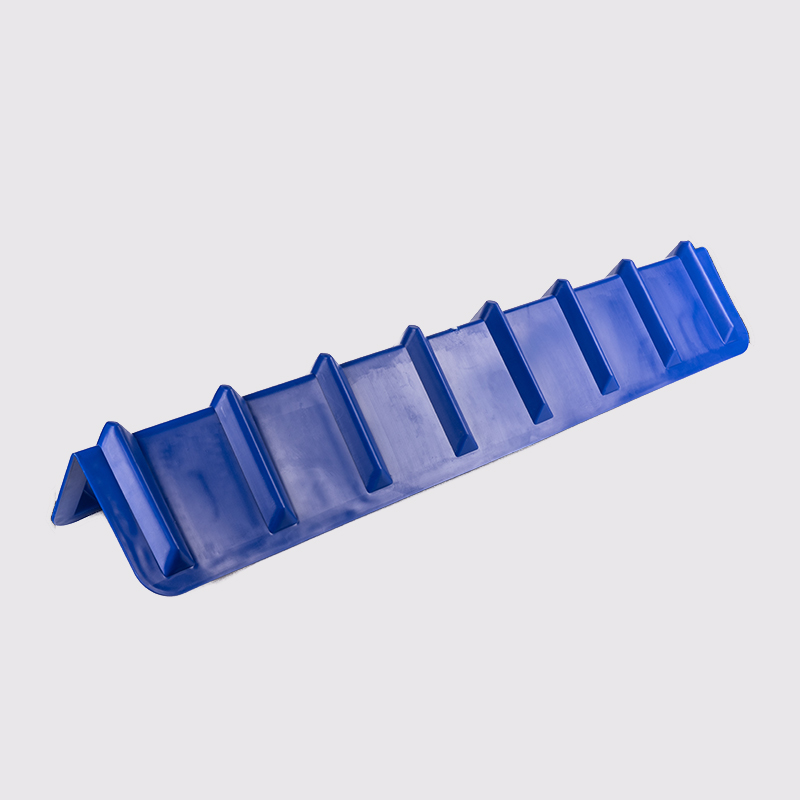
The 48-inch plastic corner guards offer strong resistance to impact and abrasion, protecting your cargo from potential damage in the shipping environm...
See Details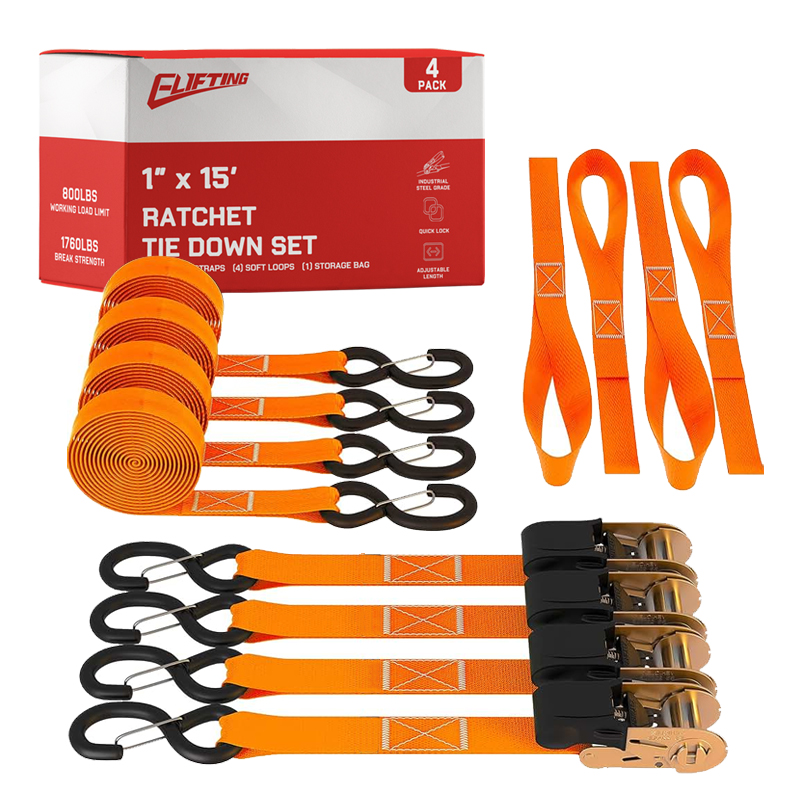
High Strength: Made from durable materials to ensure reliable securing force, suitable for binding and securing various heavy loads. Easy Operation:...
See Details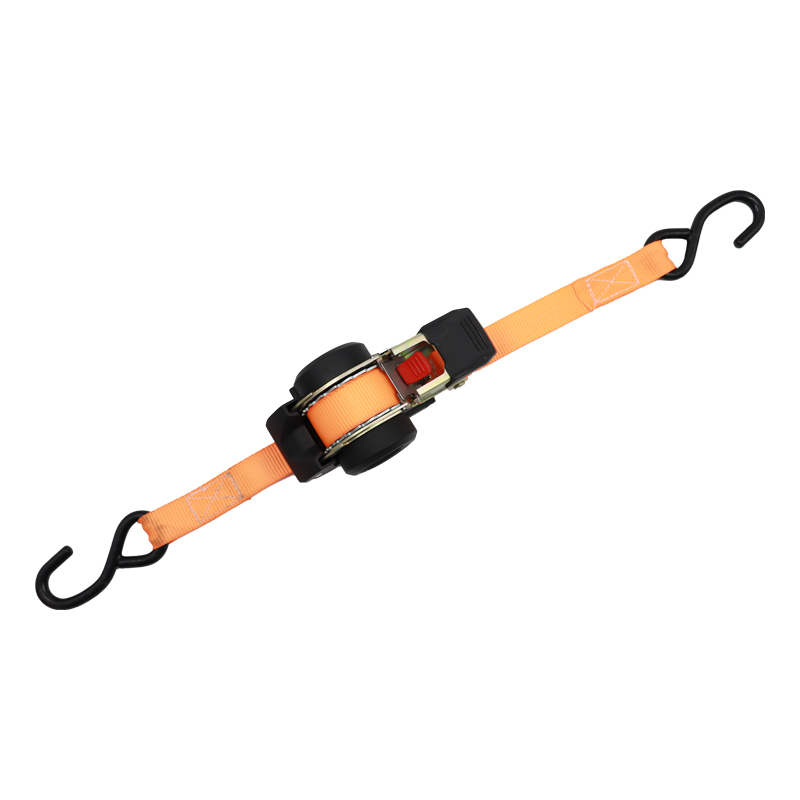
■ Instant automatic retractable strap - Easily retract excess strap length with the click of a button ■ Safety - With cushioning function, the strap ...
See Details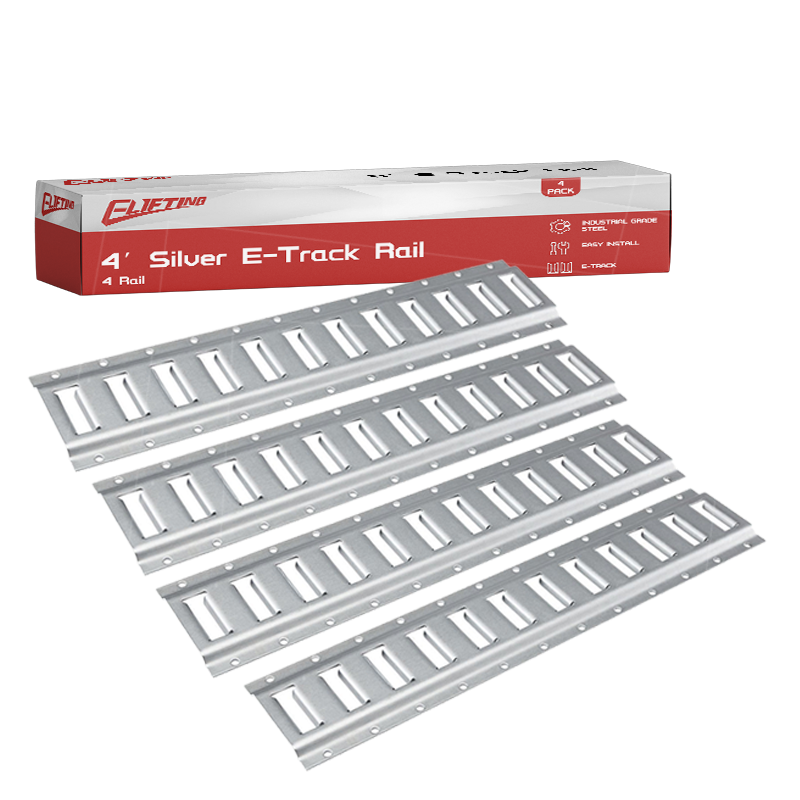
E-Track Rails is a rail system for securing cargo. It consists of a series of aluminum alloy or steel rails with slots, and with different accessories...
See Details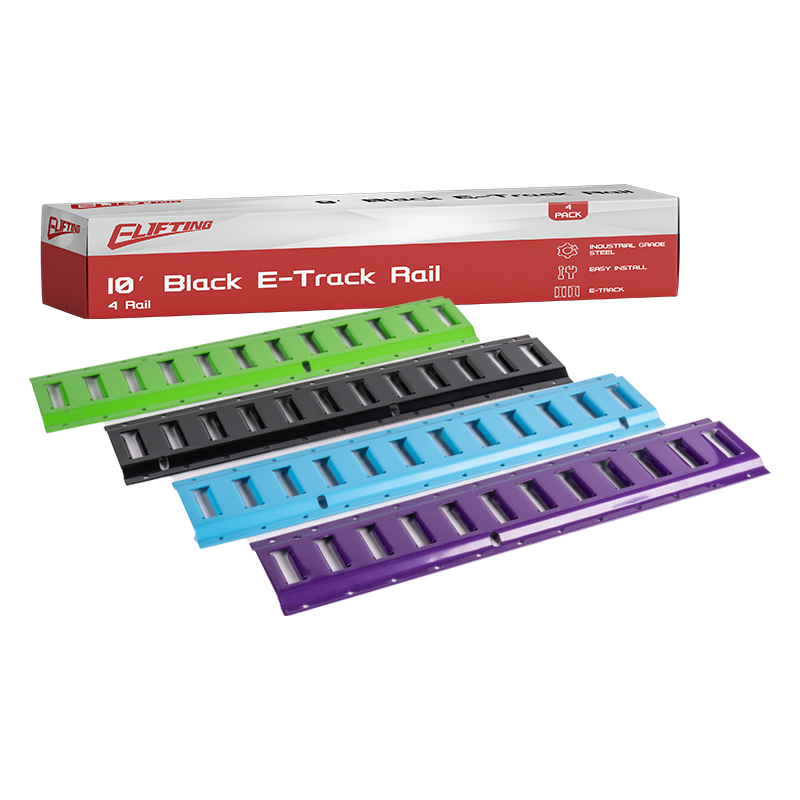
E-Track Rails is a rail system for securing cargo. It consists of a series of aluminum alloy or steel rails with slots, and with different accessories...
See Details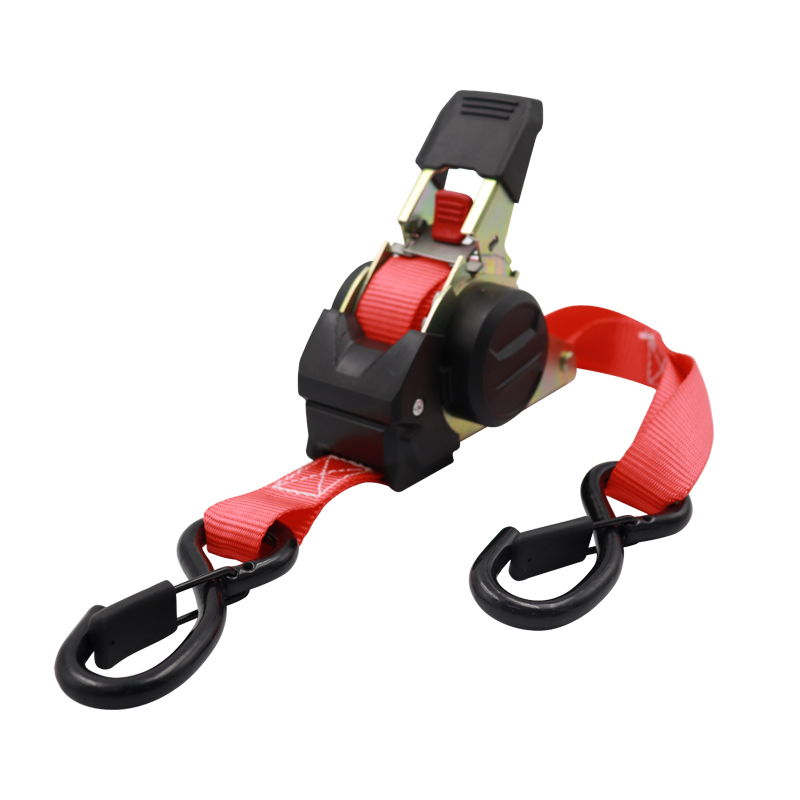
■ Instant automatic retractable strap - Easily retract excess strap length with the click of a button ■ Safety - With cushioning function, the strap ...
See Details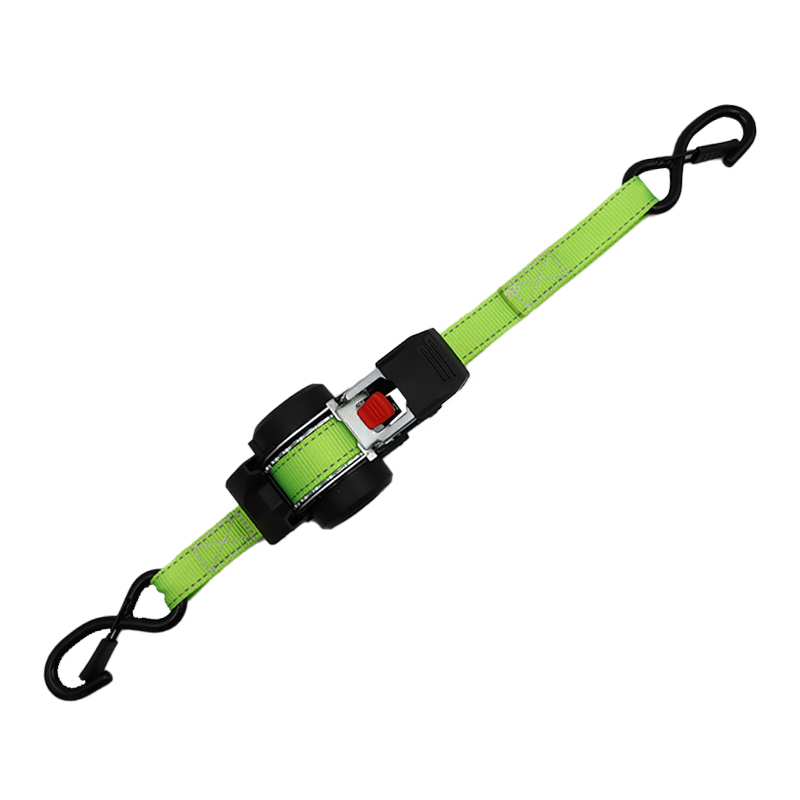
SAFER CONTROLLED RETRACTION - PREVENTS SNAP-BACK: Introducing our enhanced safety design! These retractable ratchet straps feature a built-in speed r...
See Details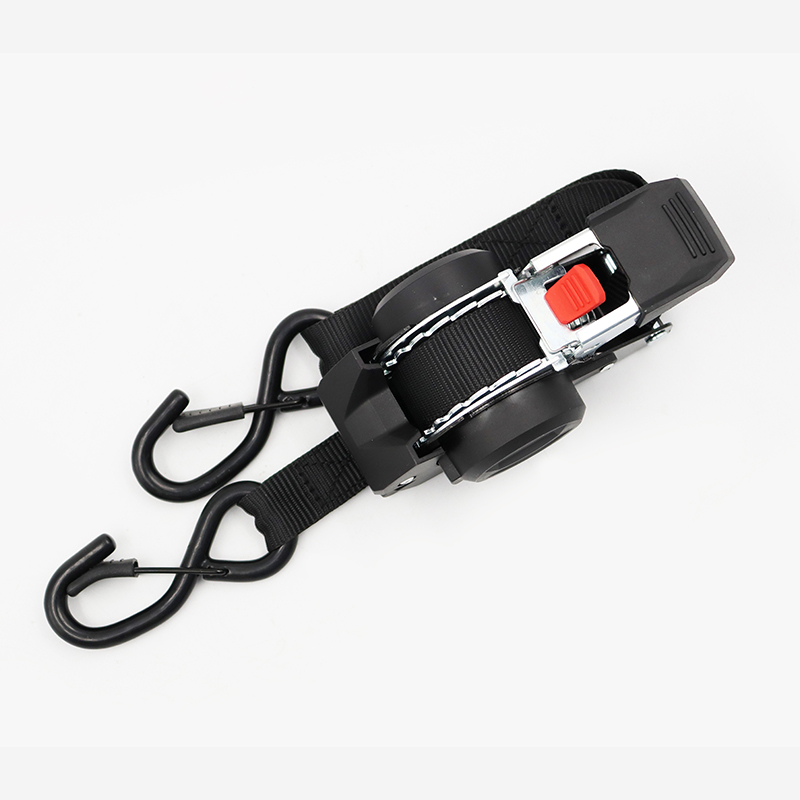
SAFER CONTROLLED RETRACTION - PREVENTS SNAP-BACK: Introducing our enhanced safety design! These retractable ratchet straps feature a built-in speed r...
See Details
Shangcheng Village, Tangxi Town, Ningbo, Zhejiang, China
+86 139 5782 7340
