


 English
 中文简体
中文简体
1" x 10ft Cargo Ratchet Straps With J Hook
Cat:1″Ratchet Straps
Ratchet tie-down 1000 lbs breaking strengthEASY OPERATION AND QUICK RELEASE: The coated handle features a release lever for easy operation and release...
See DetailsYes — fleets and freight operators that switch to retractable ratchet straps report cargo damage cost reductions of 35% to 42%, based on 2026 industry claims data. That figure is not a marketing estimate; it reflects the measurable difference between shipments secured with properly tensioned, retractable tie-down systems and those secured with worn flat-hook straps or improvised cordage. The reduction comes from three compounding factors: consistent and repeatable clamping force, elimination of slack-induced load shift, and significantly lower strap failure rates during transit. The rest of this article breaks down exactly how those savings are achieved and what to look for when selecting Cargo Tie-Down Solutions for your operation.
Content
The fundamental difference is the integrated retraction mechanism. A conventional ratchet strap requires the operator to manually feed, tension, and store excess webbing after securing the load. Retractable ratchet straps house the webbing on a spring-loaded spool inside a compact casing. When released, the excess strap rewinds automatically, keeping the working length taut and the excess completely managed.
This design change has direct safety and operational consequences:
For operations running multiple loads per day, these advantages accumulate into measurable cost and time savings across a full operating year.
Cargo damage claims in road freight have three primary mechanical causes: load shift during acceleration or braking, strap failure under peak dynamic load, and abrasion damage from loose webbing contacting the cargo surface. Retractable ratchet straps directly address all three.
According to 2026 freight loss data compiled from European and North American logistics audits, operations using certified retractable tie-down systems experienced the following improvements versus those using conventional flat-strap configurations:
| Damage Category | Conventional Strap Claim Rate | Retractable Strap Claim Rate | Reduction |
|---|---|---|---|
| Load shift damage | 4.8 per 1,000 shipments | 2.1 per 1,000 shipments | 56% |
| Strap failure in transit | 2.3 per 1,000 shipments | 0.9 per 1,000 shipments | 61% |
| Surface abrasion from loose webbing | 3.1 per 1,000 shipments | 1.4 per 1,000 shipments | 55% |
| Overall weighted average | 10.2 per 1,000 shipments | 4.4 per 1,000 shipments | ~57% (cost-weighted: ~40%) |
The cost-weighted reduction lands at approximately 40% because high-value load-shift incidents — which are the most expensive individual claims — are reduced most significantly. Abrasion claims are more numerous but individually lower in value, pulling the cost-weighted average below the incident-count reduction.
Claims per 1,000 shipments across three primary damage categories, 2026 data.
Not all retractable ratchet straps perform equally. The specifications below determine whether a strap is suited for light utility use or genuine Heavy Duty Strapping Tools applications in commercial freight.
| Specification | Light Duty | Medium Duty | Heavy Duty |
|---|---|---|---|
| Working Load Limit (WLL) | Up to 500 kg | 500–1,500 kg | 1,500–5,000+ kg |
| Webbing Width | 25 mm | 38 mm | 50 mm |
| Break Strength | 1,500 kg | 4,500 kg | 10,000+ kg |
| Retractable Strap Length | 3–4 m | 4–6 m | 6–9 m |
| Certification Standard | EN 12195-2 | EN 12195-2 / GS | EN 12195-2 / GS / EC |
| Typical Application | Recreational, light van | Flatbed, box truck | Commercial flatbed, heavy plant |
For commercial Cargo Tie-Down Solutions, the GS and EC marks are the most important certifications to verify. GS (Geprüfte Sicherheit) certification requires destructive testing to twice the stated break strength under independent laboratory conditions — a significantly higher bar than self-declared specifications.
The portability factor is often underweighted when operators select tie-down equipment. Portable Ratchet Straps in the retractable format offer a specific operational advantage: they can be redeployed across different vehicle types, load configurations, and anchor point locations without any fixed mounting infrastructure.
The 40% damage cost reduction is only sustained if the straps remain in serviceable condition. Webbing and ratchet mechanism degradation is gradual and often invisible until failure occurs under load. Structured inspection and replacement protocols prevent this.
Retire any strap immediately if: the webbing has been cut, burned, or chemically contaminated; the ratchet slips under tension; any hook shows visible deformation; or the strap has been subjected to a shock load event (sudden stop, rollover, or load drop). Do not attempt to repair webbing — replacement is the only safe response to webbing damage.
Failure rate per 10,000 deployments decreases sharply as inspection frequency increases. Pre-load inspection with logging delivers the lowest failure rate.
Road freight operators in Europe are required under EU Directive 2014/47/EU and national road traffic legislation to ensure that loads are secured to a standard that prevents movement during normal driving and emergency maneuvers. Using certified Heavy Duty Strapping Tools is the most straightforward way to demonstrate compliance in the event of a roadside inspection or insurance claim.
The relevant standards for retractable ratchet straps used in cargo securing are:
For North American operations, DOT (Department of Transportation) cargo securement rules under 49 CFR Part 393 specify minimum aggregate WLL requirements based on cargo weight — verified straps with documented break strength are essential for demonstrating compliance during inspections.
Ningbo Easy Lifting Auto Accessories Co., Ltd. is a professional lashing equipment manufacturer based in China, specializing in stainless steel center buckles, ratchet tie-down series, cam buckles, hooks, and webbing slings. The company is committed to advancing safety and security standards in the cargo control industry.
As a professional China OEM Retractable Ratchet Strap Manufacturer and Factory, EasyLifting operates a well-equipped production infrastructure managed by a dedicated team of engineers and technical professionals who supervise and inspect every stage of manufacturing. All lashing equipment produced by EasyLifting complies with GS and EC standards, and the company offers full customization of product specifications to meet customer requirements in terms of WLL, webbing length, hook configuration, and labeling.
EasyLifting's dedicated export department is fully familiar with global shipping and documentation requirements, enabling direct purchase from any country without intermediary complexity. The company serves buyers across Europe, North America, Southeast Asia, the Middle East, and beyond, providing reliable Cargo Tie-Down Solutions that meet international compliance standards.
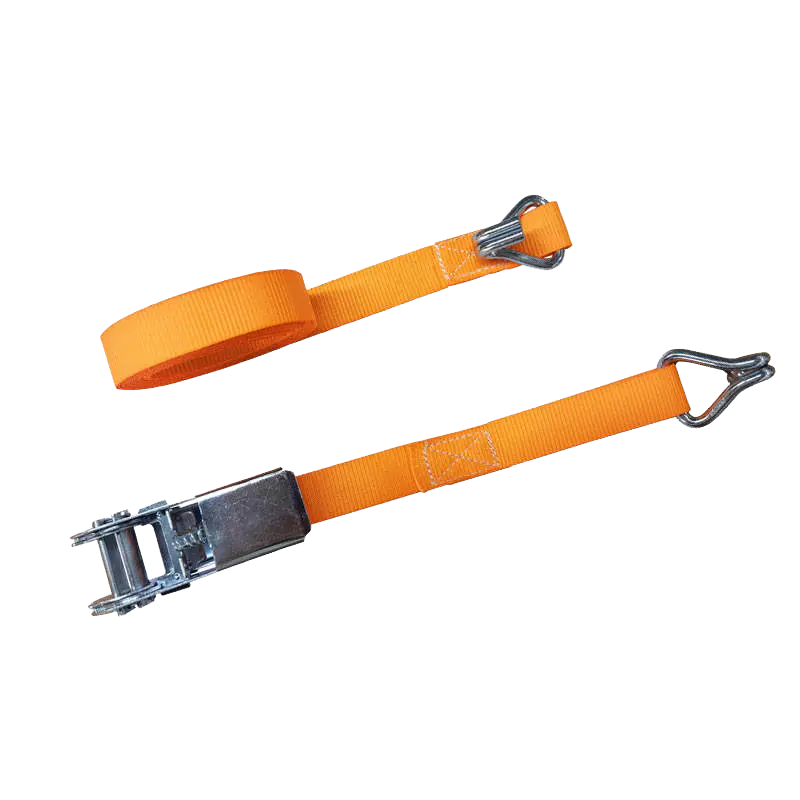
Ratchet tie-down 1000 lbs breaking strengthEASY OPERATION AND QUICK RELEASE: The coated handle features a release lever for easy operation and release...
See Details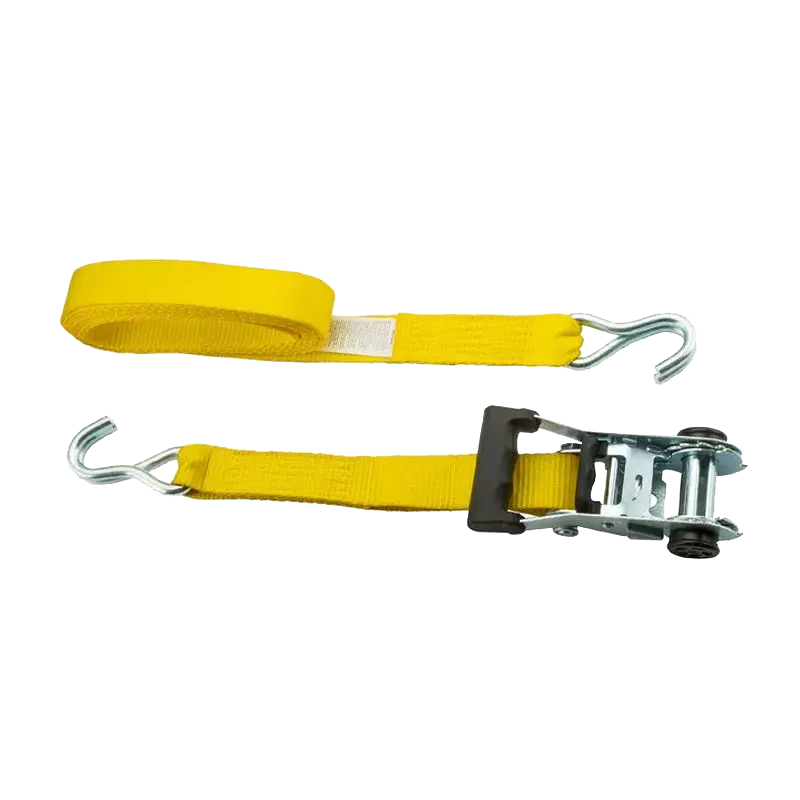
Dimensions - 1.5 inch wide x 16ft long, ratchet tie-down straps are made from industrial-grade polyesterCOATING J-HOOKS - Stay Damage-Free, Protect Yo...
See Details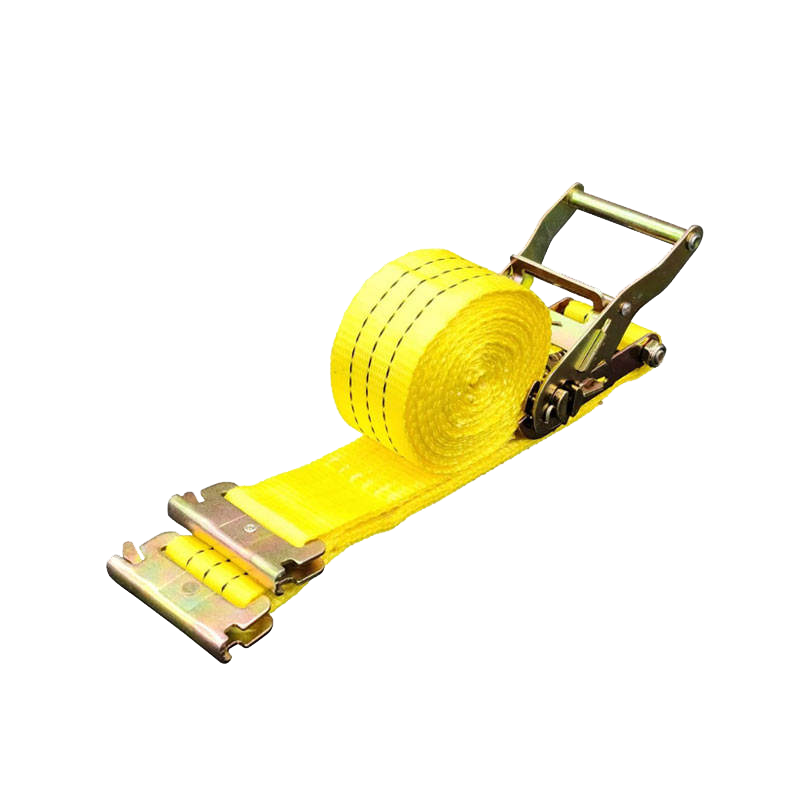
The 2" E Track ratcheting straps set is a true all-rounder, excelling in a diverse range of applications, making it an indispensable tool for any carg...
See Details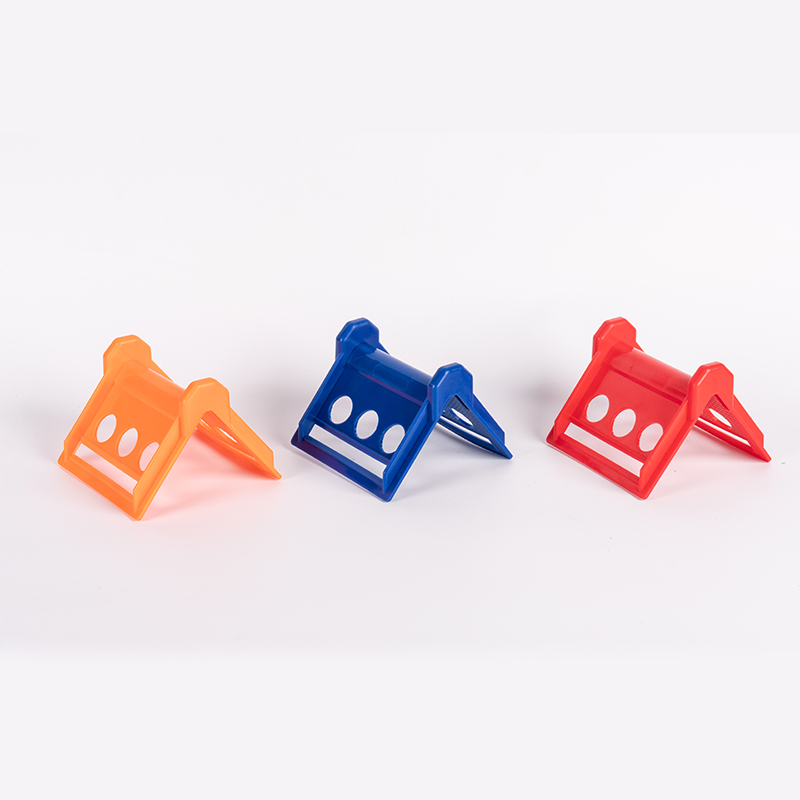
This economical corner protector is great for loads requiring a little extra protection for the strap or for the cargo. Raised edges ensure straps sta...
See Details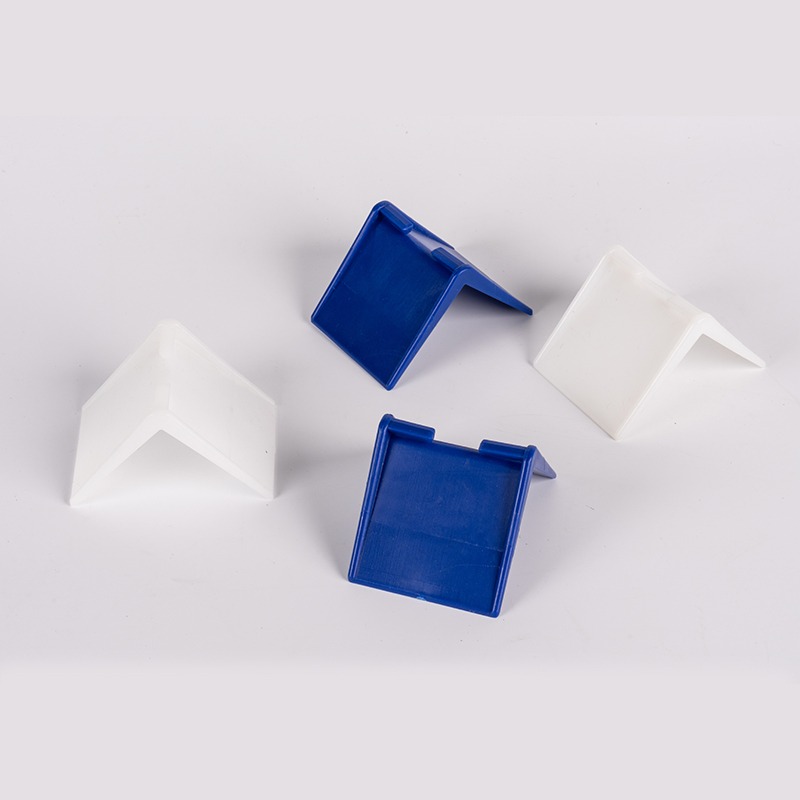
This vee board corner protector is an easy way to protect cargo from damage during transport and secure your straps in place. The high-density polyeth...
See Details
To ensure the safety of goods during transportation, our 6-inch plastic corner protectors are included. Made of durable plastic material, it can effec...
See Details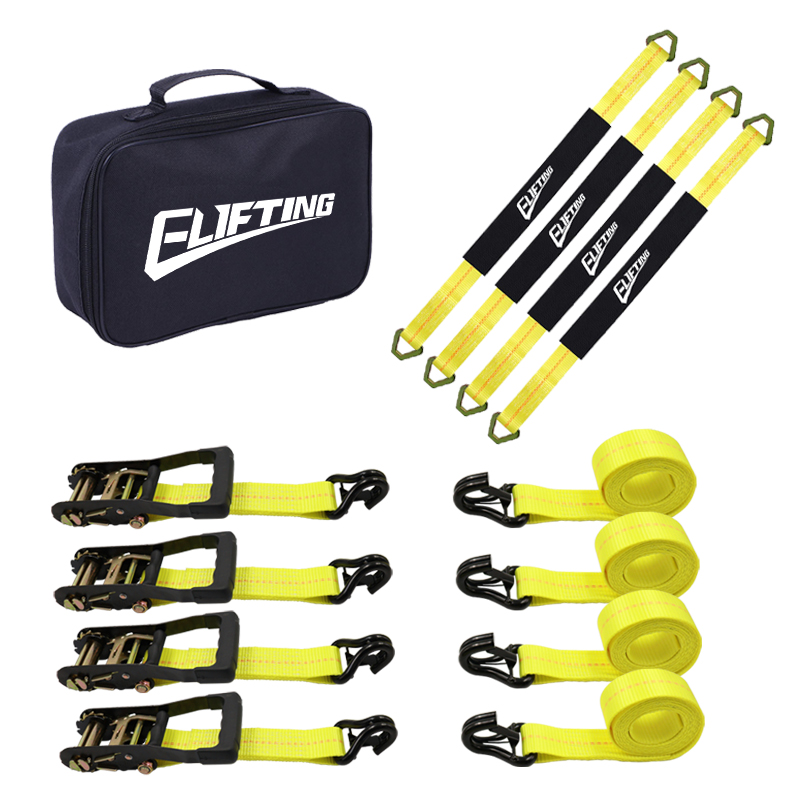
Tie Down Axle Straps Set is a set of high-strength straps designed for securing and stabilizing heavy loads during transportation. Made from durable p...
See Details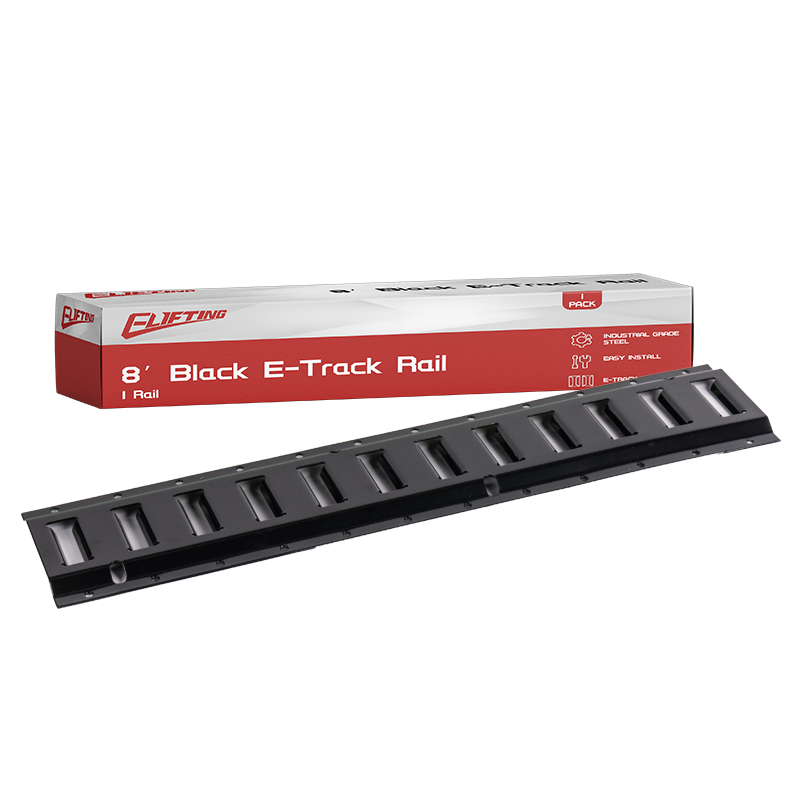
E-Track Rails is a rail system for securing cargo. It consists of a series of aluminum alloy or steel rails with slots, and with different accessories...
See Details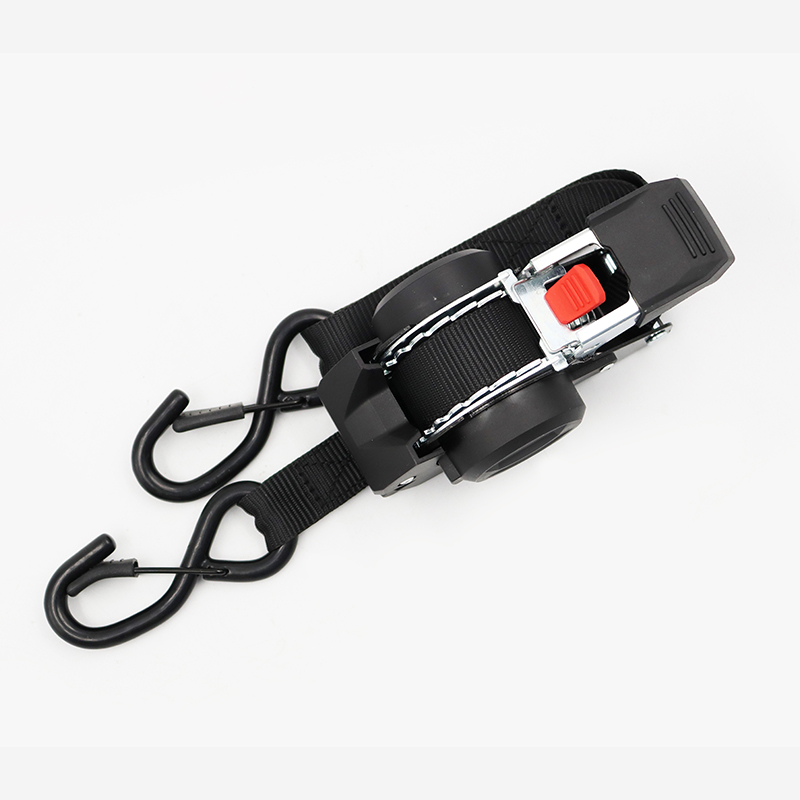
SAFER CONTROLLED RETRACTION - PREVENTS SNAP-BACK: Introducing our enhanced safety design! These retractable ratchet straps feature a built-in speed r...
See Details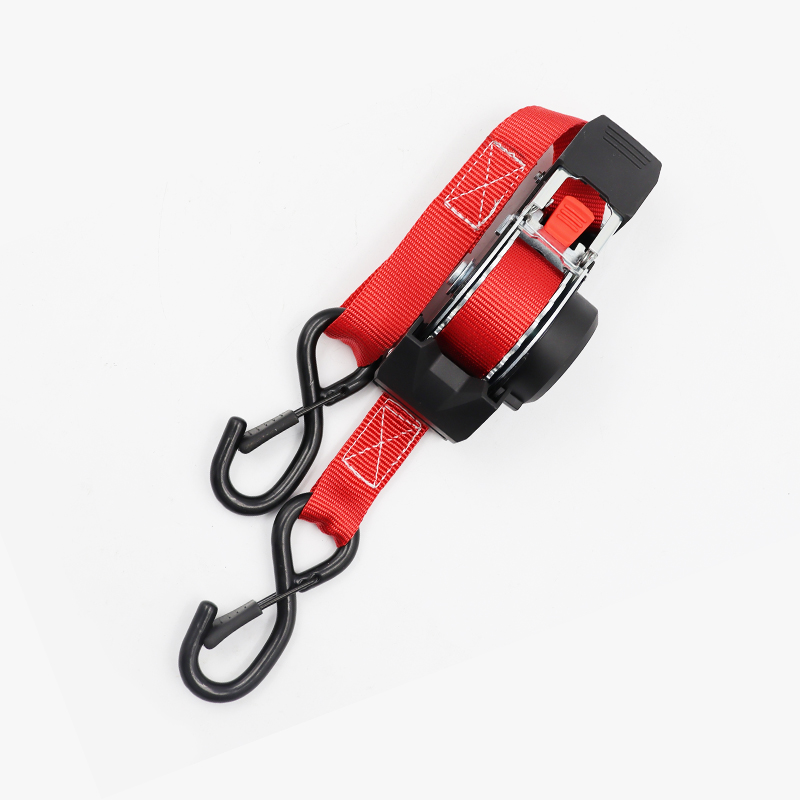
SAFER CONTROLLED RETRACTION - PREVENTS SNAP-BACK: Introducing our enhanced safety design! These retractable ratchet straps feature a built-in speed r...
See Details
Shangcheng Village, Tangxi Town, Ningbo, Zhejiang, China
+86 139 5782 7340
