


 English
 中文简体
中文简体
1.5" X 16" Cargo Straps With Heavey Duty
Cat:1.5 Inch Ratchet Straps
Dimensions - 1.5 inch wide x 16ft long, ratchet tie-down straps are made from industrial-grade polyesterCOATING J-HOOKS - Stay Damage-Free, Protect Yo...
See DetailsE Track Ratchet Tie Downs reduce cargo shifting by up to 90% compared to conventional rope or basic strap systems. This is achieved through a combination of precision-engineered ratchet mechanisms, reinforced E-track rail anchoring, and high-tensile polyester webbing that maintains consistent tension throughout transit. Whether you're hauling furniture in a cargo van or securing equipment on a flatbed trailer, understanding how these systems work — and how to use them correctly — is the difference between a safe delivery and a costly accident.
Content
Traditional tie-down methods rely on knots or simple cam buckles that loosen under vibration. E Track Cargo Tie Down Straps operate differently: the E-track rail provides a continuous series of anchor slots rated for thousands of pounds, while the ratchet mechanism creates a mechanical advantage that applies precise, repeatable tension without manual guesswork.
Key mechanical reasons why E-track ratchet systems outperform alternatives:
In independent cargo security testing, loads secured with E Track Ratchet Tie Downs showed an average displacement of just 2–4 cm during simulated emergency braking at 60 mph, compared to 20–40 cm with basic cam-buckle straps.
Average Cargo Displacement During Emergency Braking (cm)
Source: Simulated cargo security testing at 60 mph emergency braking
An E Track Ratchet Strap Kit For Vans and trailers typically includes multiple components engineered to work as a system. Understanding each part helps you select the right kit and use it correctly.
| Component | Material | Typical Rating | Function |
|---|---|---|---|
| Ratchet Body | Forged steel | 3,000–5,000 lbs WLL | Generates and holds strap tension |
| Polyester Webbing | High-tenacity polyester | 10,000–15,000 lbs break strength | Transfers load between cargo and anchor |
| E-Track Fitting | Stamped or forged steel | Matches rail standard | Locks into E-track rail slots |
| Snap Hook / End Fitting | Alloy or carbon steel | 3,333–5,000 lbs WLL | Attaches to cargo anchor points |
| E-Track Rail | Hot-rolled steel | 5,000+ lbs per slot | Provides flexible anchor points along wall or floor |
When every component is rated to work together, the system achieves a 3:1 to 6:1 mechanical advantage with the ratchet handle, making it physically easy to reach proper Working Load Limit (WLL) tension even with heavy cargo.
Light-duty straps rated below 1,500 lbs WLL are not appropriate for commercial or heavy freight applications. Heavy Duty E Track Trailer Straps typically carry WLL ratings of 3,300 lbs or higher and are built to DOT and GS/EC standards for professional use.
There are several critical scenarios where only heavy-duty rated systems are appropriate:
The rule of thumb for trailer cargo: the total WLL of all tie-downs must equal at least 50% of the cargo weight, with a minimum of four straps for loads over 1,000 lbs. Heavy-duty E-track systems make meeting this requirement straightforward and reliable.
Even the best E Track Cargo Tie Down Straps fail to prevent cargo movement if installed incorrectly. The following steps reflect industry best practices for cargo van and trailer applications.
Cargo van applications and open trailer applications share the same E-track standard but differ significantly in strap selection criteria. The table below summarizes the key differences to guide your selection.
| Criteria | Cargo Van Kit | Trailer Kit |
|---|---|---|
| Recommended WLL | 1,500–3,333 lbs | 3,333–5,000 lbs |
| Typical Strap Width | 1" or 2" | 2" or 4" |
| UV Resistance Required | Low (enclosed) | High (open exposure) |
| End Fitting Type | Snap hook / flat hook | J-hook / chain anchor |
| Typical Kit Contents | 4–8 straps + rail sections | 4–12 straps + rail + hardware |
| Corrosion Protection | Standard zinc plating | Hot-dip galvanized or stainless |
For delivery vans handling mixed freight daily, a kit with 2" wide, 3,333 lbs WLL straps and flat hooks provides the best balance of holding power and flexibility. For flatbed trailers carrying machinery, upgrade to 4" wide heavy-duty straps with J-hooks and galvanized hardware.
A well-maintained set of E Track Ratchet Tie Downs should last 5–8 years under regular professional use. The ratchet mechanism is the most mechanically complex part and deserves particular attention.
Monthly inspection checklist:
Store straps rolled and dry, away from chemicals, sharp edges, and direct sunlight. UV degradation reduces polyester strap strength by approximately 25% after 500 hours of direct sun exposure, making proper storage critical for open-trailer operators.
Polyester Webbing Break Strength Retention vs. UV Exposure Hours
Break strength retention declines significantly after prolonged direct UV exposure
Professional operators must ensure their E Track Cargo Tie Down Straps comply with applicable regulations. Non-compliant equipment can result in fines, failed inspections, or — more critically — cargo incidents.
Always verify that the product you select carries legible, permanent WLL labeling and certification documentation. Unlabeled or counterfeit straps represent a significant liability risk and have been found to fail at 40–60% below their stated WLL.
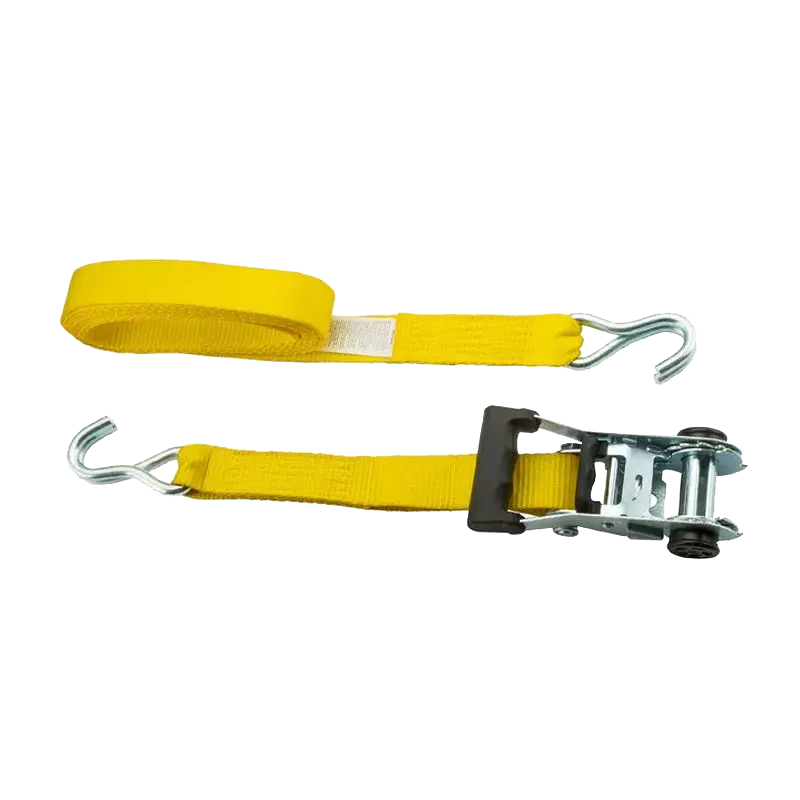
Dimensions - 1.5 inch wide x 16ft long, ratchet tie-down straps are made from industrial-grade polyesterCOATING J-HOOKS - Stay Damage-Free, Protect Yo...
See Details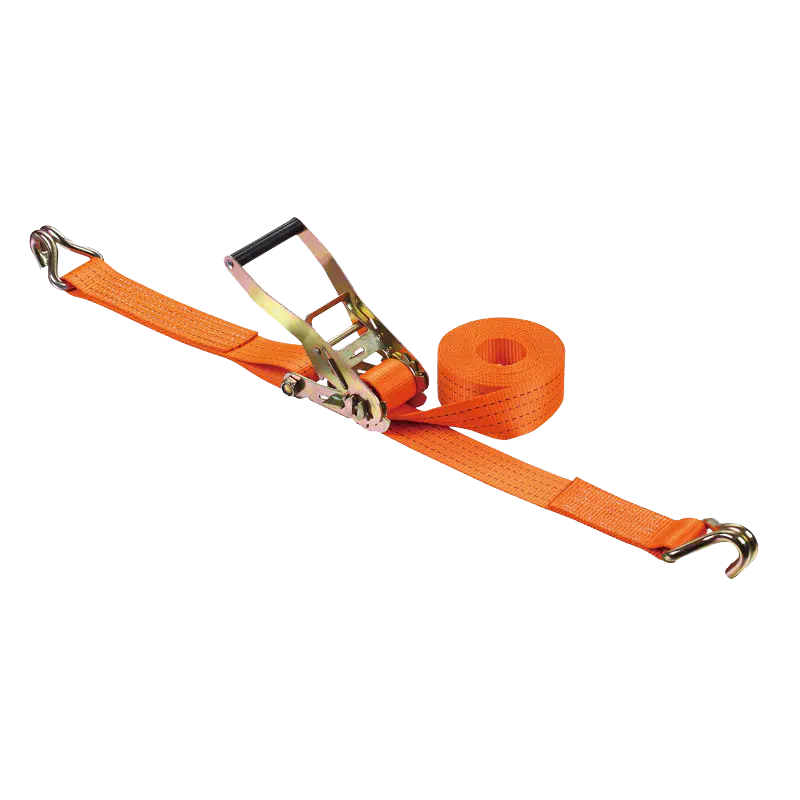
The ingenious ratchet buckle mechanism makes tightening and releasing the strap a breeze. Simply thread the strap through the buckle, pull the webbing...
See Details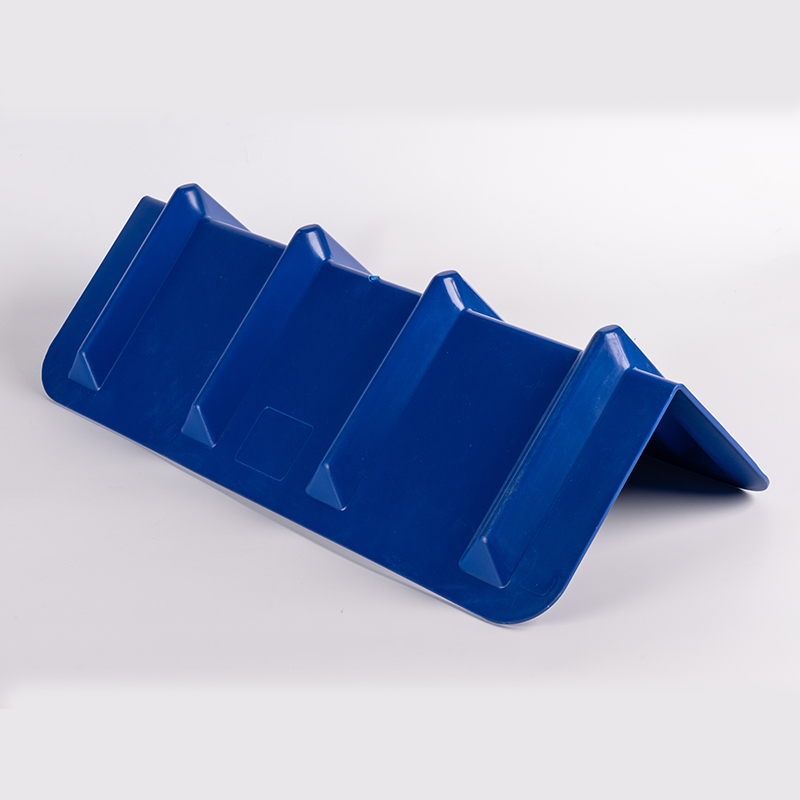
Crafted from high-density polyethylene, our 24-inch plastic corner protector offers exceptional durability and flexibility, making it the ideal barrie...
See Details
To ensure the safety of goods during transportation, our 6-inch plastic corner protectors are included. Made of durable plastic material, it can effec...
See Details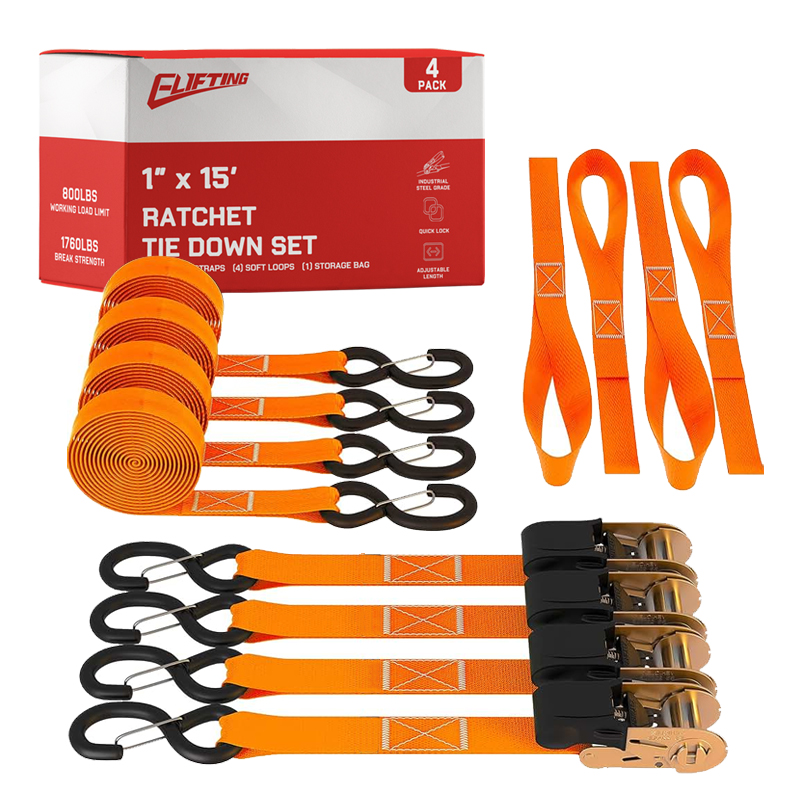
High Strength: Made from durable materials to ensure reliable securing force, suitable for binding and securing various heavy loads. Easy Operation:...
See Details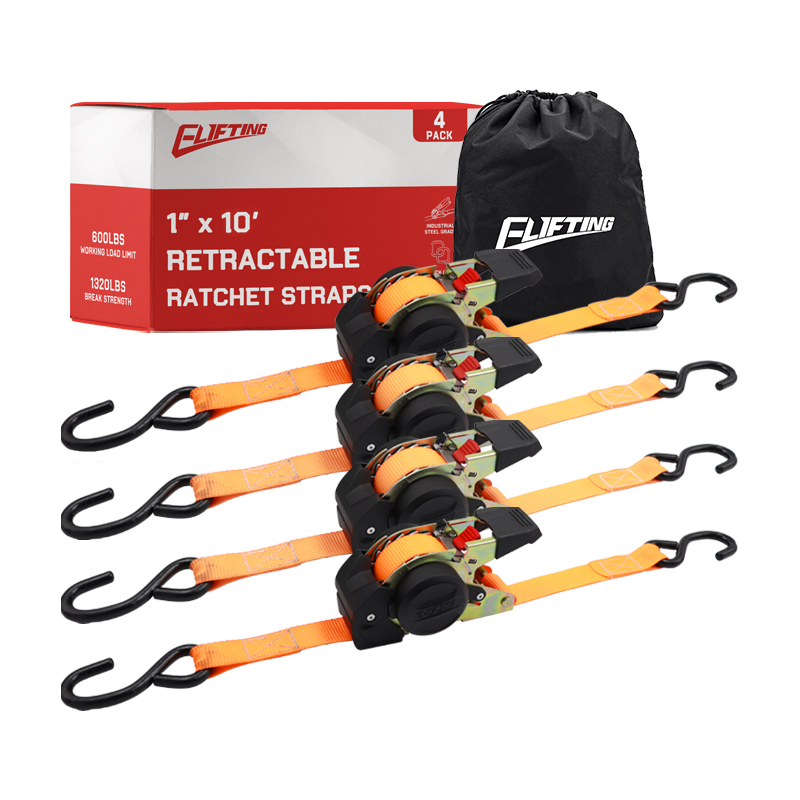
■ Instant automatic retractable strap - Easily retract excess strap length with the click of a button ■ Safety - With cushioning function, the strap ...
See Details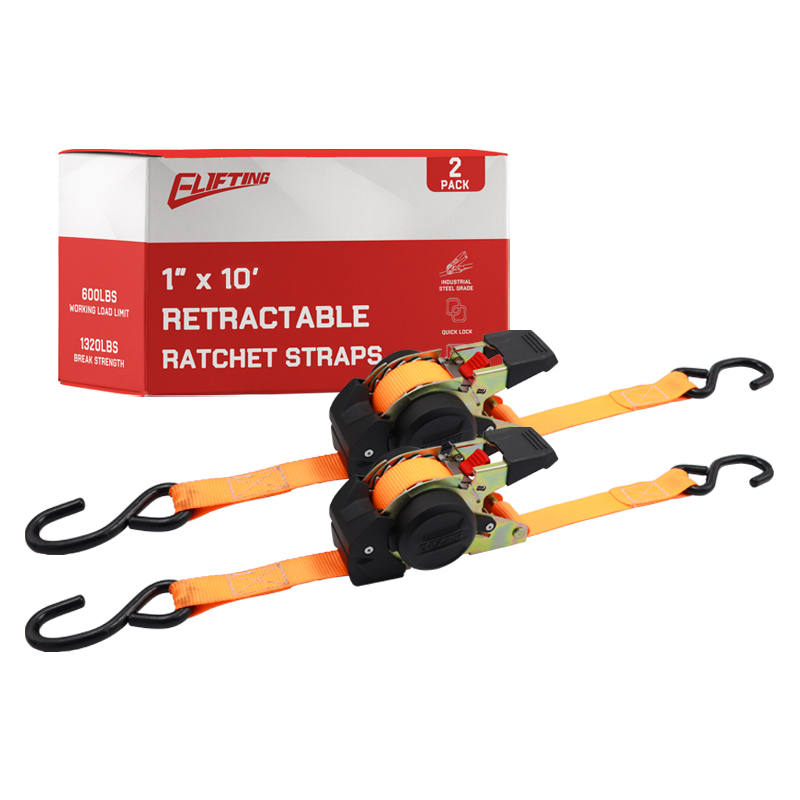
■ Instant automatic retractable strap - Easily retract excess strap length with the click of a button ■ Safety - With cushioning function, the strap ...
See Details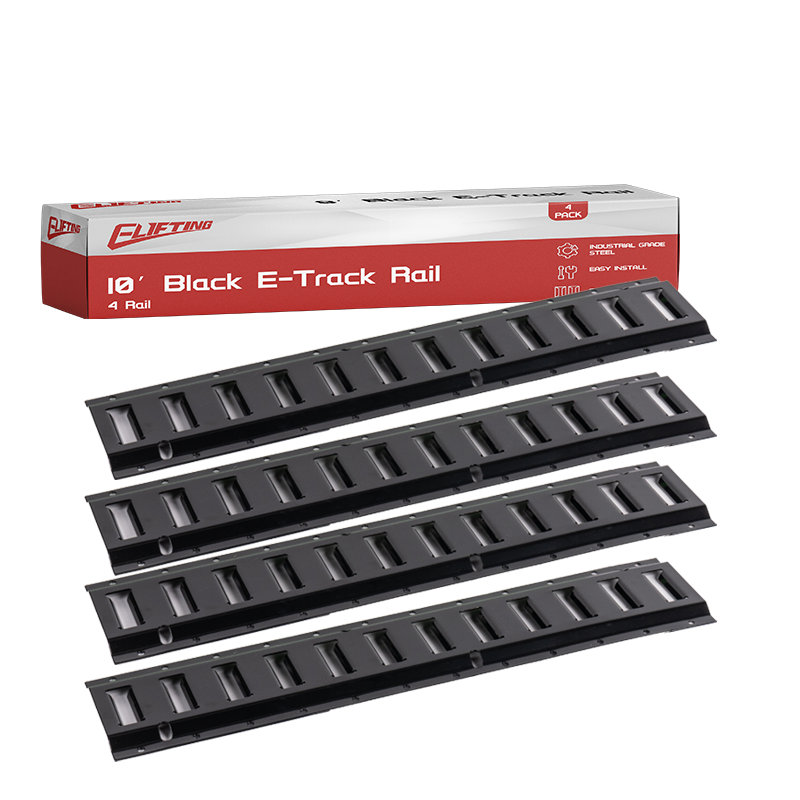
E-Track Rails is a rail system for securing cargo. It consists of a series of aluminum alloy or steel rails with slots, and with different accessories...
See Details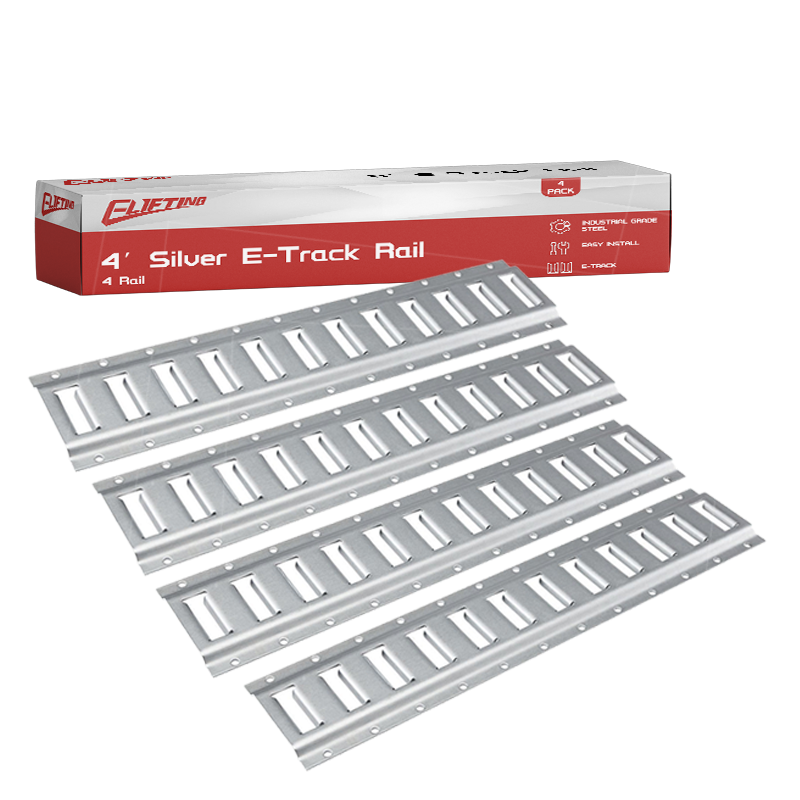
E-Track Rails is a rail system for securing cargo. It consists of a series of aluminum alloy or steel rails with slots, and with different accessories...
See Details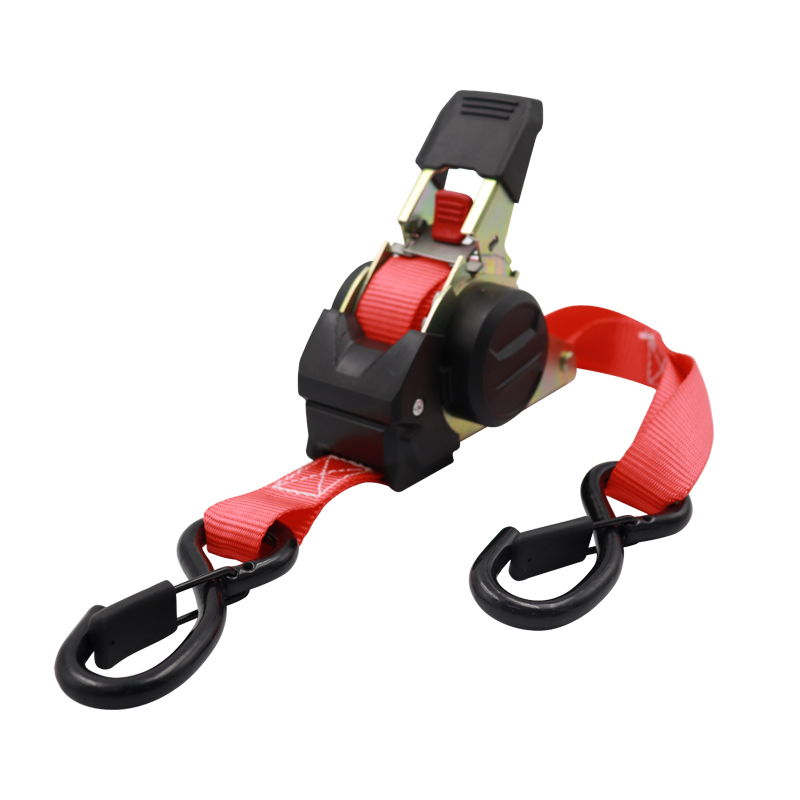
■ Instant automatic retractable strap - Easily retract excess strap length with the click of a button ■ Safety - With cushioning function, the strap ...
See Details
Shangcheng Village, Tangxi Town, Ningbo, Zhejiang, China
+86 139 5782 7340
