


 English
 中文简体
中文简体
1" X 20" Ratchet Tie Down With S hook
Cat:1″Ratchet Straps
Crafted from high-grade polyester webbing and robust steel or plastic ratchet buckles, our 1" x 20' ratchet strap can withstand even the demanding tas...
See DetailsRetractable ratchet straps reduce cargo securing time by up to 50% compared to conventional fixed-length tie-down straps — not through a single feature, but through the elimination of every manual step that slows down standard lashing workflows. The built-in retraction mechanism automatically takes up slack, removes the need to manually feed and fold excess webbing, and delivers consistent pre-tension without repeated handle cycling. For transport professionals managing multiple loads per shift, this time saving accumulates into a measurable productivity gain every working day.
Content
Standard ratchet tie-down straps require the operator to perform a sequence of manual steps at both setup and release. Each step is individually minor, but across a full load of cargo — typically 6 to 20 straps on a flatbed or van — the cumulative time adds up significantly. Field observations from freight and logistics operations consistently show that strap management accounts for 15 to 25 minutes per load when using conventional fixed-length straps.
The steps that consume the most time with standard straps include: manually threading excess webbing through the ratchet housing, folding and securing loose strap tails to prevent tangling in transit, and untangling or re-spooling webbing before the next use. None of these steps add securing force — they are pure administrative overhead imposed by a fixed-length design.
Auto retractable ratchet straps integrate a spring-loaded spool inside the strap housing. When the operator hooks the strap to the anchor point and begins tensioning, the spool automatically feeds out only the webbing length required to span the distance between hook and load. All excess webbing is retained on the spool under spring tension — it never enters the working environment as loose material.
| Step | Standard Strap (sec) | Retractable Ratchet Strap (sec) |
|---|---|---|
| Hook attachment | 10 | 10 |
| Threading / feeding webbing | 25 | 0 (automatic) |
| Ratchet tensioning | 20 | 12 |
| Securing loose strap tail | 15 | 0 (retracted) |
| Release and re-spool | 30 | 8 |
| Total per strap | 100 sec | 30 sec |
Across a load secured with 10 straps, this translates to approximately 17 minutes saved per load. For an operation running three loads per driver per shift, the daily time saving reaches nearly one hour — time that is redirected to productive driving or loading rather than strap management.
The time savings of retractable cargo tie down straps are a direct result of specific engineering decisions in the strap's construction. Understanding these features helps buyers select the right specification for their application.
The retraction spring must deliver sufficient tension to take up slack webbing under field conditions — including cold temperatures where spring steel loses elasticity. Quality auto retractable ratchet straps use high-carbon spring steel rated for reliable operation from -30°C to +70°C, covering all standard transport climate ranges without loss of retraction force.
Retractable ratchet straps use the same polyester webbing as standard tie-downs. Polyester is specified for cargo lashing because it absorbs less than 0.4% moisture by weight when wet — maintaining working load limit (WLL) even in rain-exposed applications, unlike nylon webbing which can lose up to 15% of rated strength when saturated.
The ratchet body on auto retractable ratchet straps must accommodate the retraction spool while maintaining the same handle ergonomics as a standard unit. Zinc-plated or powder-coated steel handles rated to corrosion resistance class C4 (suitable for coastal and high-humidity environments) significantly extend service life compared to uncoated hardware, reducing replacement frequency.
Retractable cargo tie down straps reduce accident risk in ways that fixed-length straps structurally cannot. Loose strap tails flapping in transit are a documented cause of road debris incidents and can be caught in rotating mechanical components during loading. The retraction mechanism eliminates loose webbing entirely.
Not every cargo application benefits equally from retractable cargo tie down straps. The table below maps common transport scenarios to the relative time-saving advantage of retractable versus standard configurations.
| Application | Straps per Load | Time Saving per Load | Suitability |
|---|---|---|---|
| Flatbed truck freight | 10–20 | 17–34 min | Very High |
| Van / box truck delivery | 4–8 | 7–14 min | High |
| Motorcycle / ATV transport | 4 | 7 min | High |
| Boat trailer securing | 2–4 | 4–7 min | Medium–High |
| Construction equipment haulage | 6–12 | 10–20 min | Very High |
Retractable ratchet straps deliver their performance advantages consistently only when used and maintained correctly. Misuse is the leading cause of premature wear and reduced load security.
Ningbo Easy Lifting Auto Accessories Co., Ltd. is a professional lashing equipment manufacturer based in China, specialising in stainless steel centre buckles, ratchet tie-down series, cam buckles, hooks, and webbing slings. The company is committed to raising safety and security standards across the cargo control industry.
As a professional OEM Retractable Ratchet Strap Manufacturer and Factory, EasyLifting operates a well-equipped production facility managed by a team of engineers and qualified professionals who conduct strict inspection and supervision at every stage of manufacturing. All lashing equipment complies with relevant GS and EC standards, and the company offers full customisation of product range to meet customer-specific requirements and specifications.
With a philosophy of continuous improvement in service and product quality, EasyLifting's dedicated export department is fully familiar with global shipping and documentation requirements — making EasyLifting products available by direct purchase from any country with consistent lead times and compliance documentation.
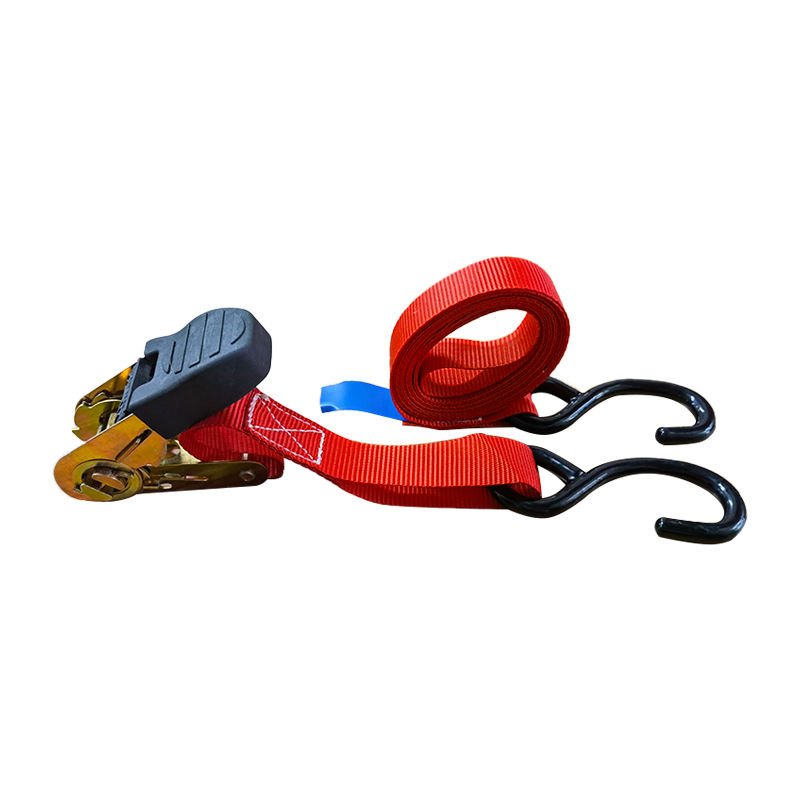
Crafted from high-grade polyester webbing and robust steel or plastic ratchet buckles, our 1" x 20' ratchet strap can withstand even the demanding tas...
See Details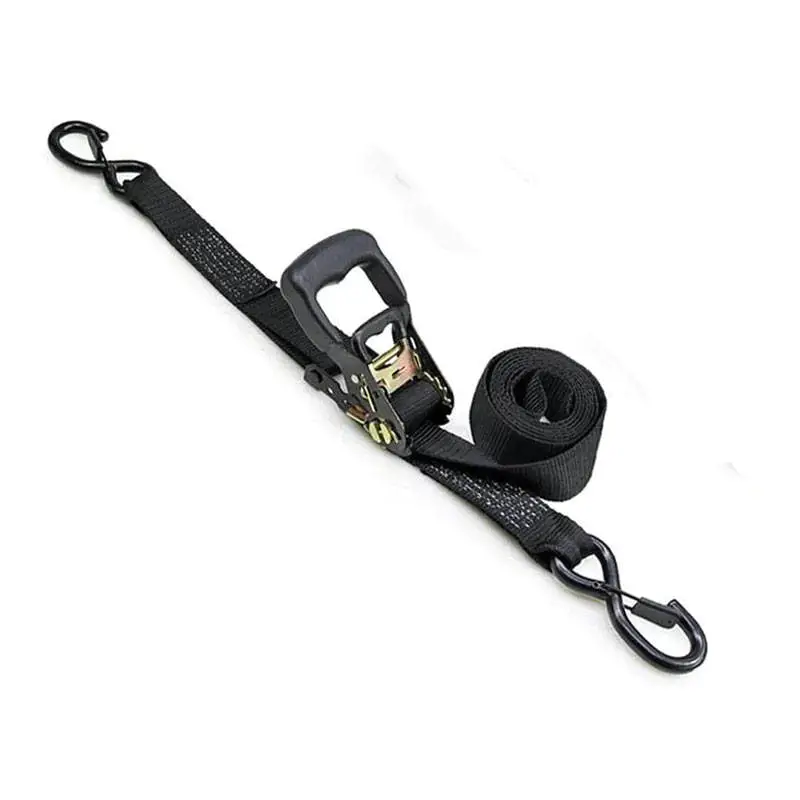
The compact and lightweight design of our 2" x 15' ratchet strap makes it easy to store and transport. Whether you're keeping it in your toolbox, glov...
See Details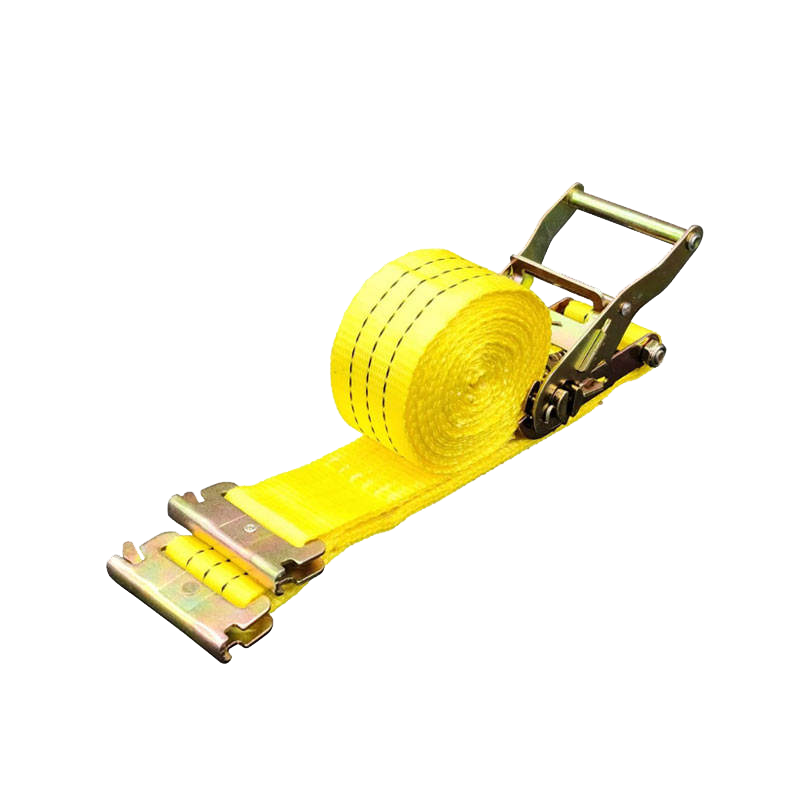
The 2" E Track ratcheting straps set is a true all-rounder, excelling in a diverse range of applications, making it an indispensable tool for any carg...
See Details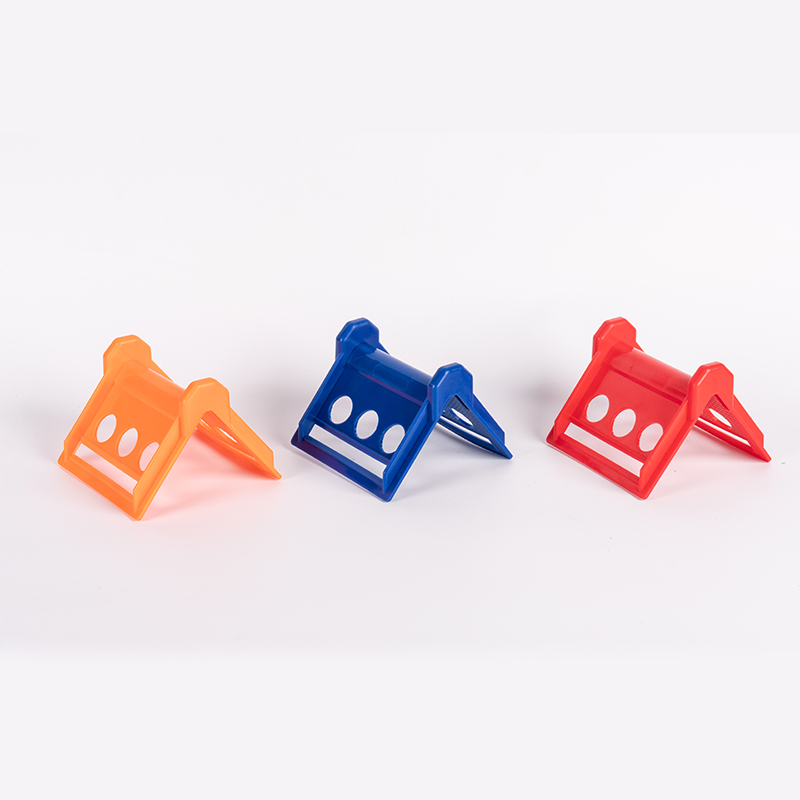
This economical corner protector is great for loads requiring a little extra protection for the strap or for the cargo. Raised edges ensure straps sta...
See Details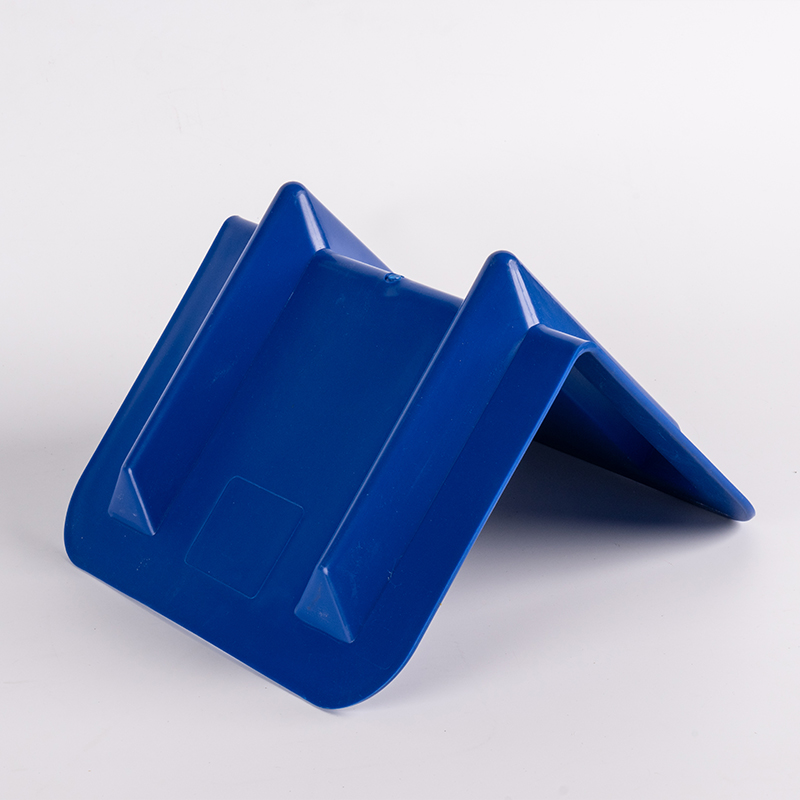
Corner protector shields drywall, plywood sheeting, and much more from damage during loading and transport. High density polyethylene is flexible, so ...
See Details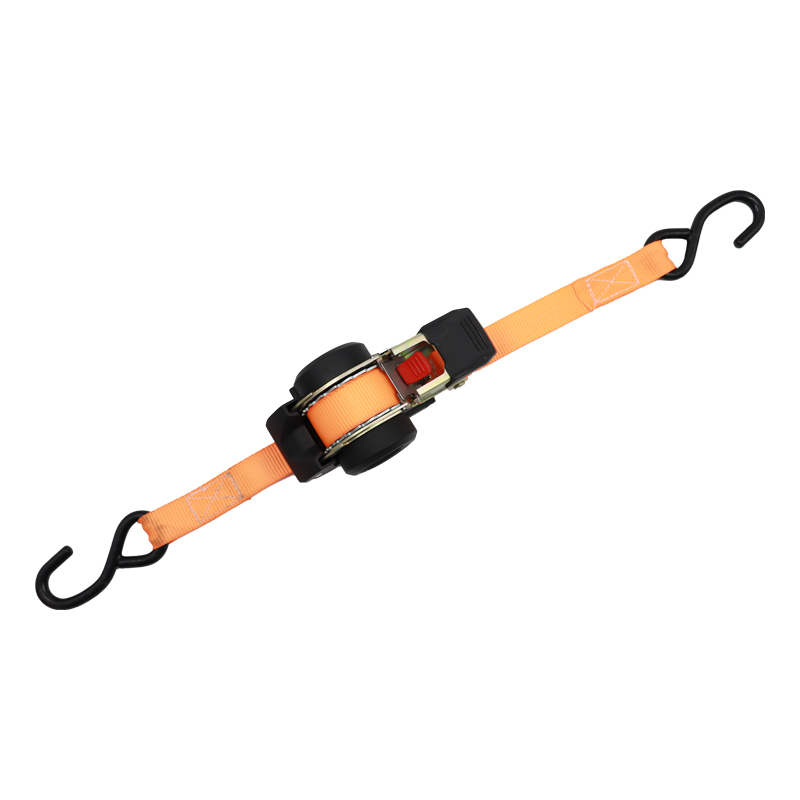
■ Instant automatic retractable strap - Easily retract excess strap length with the click of a button ■ Safety - With cushioning function, the strap ...
See Details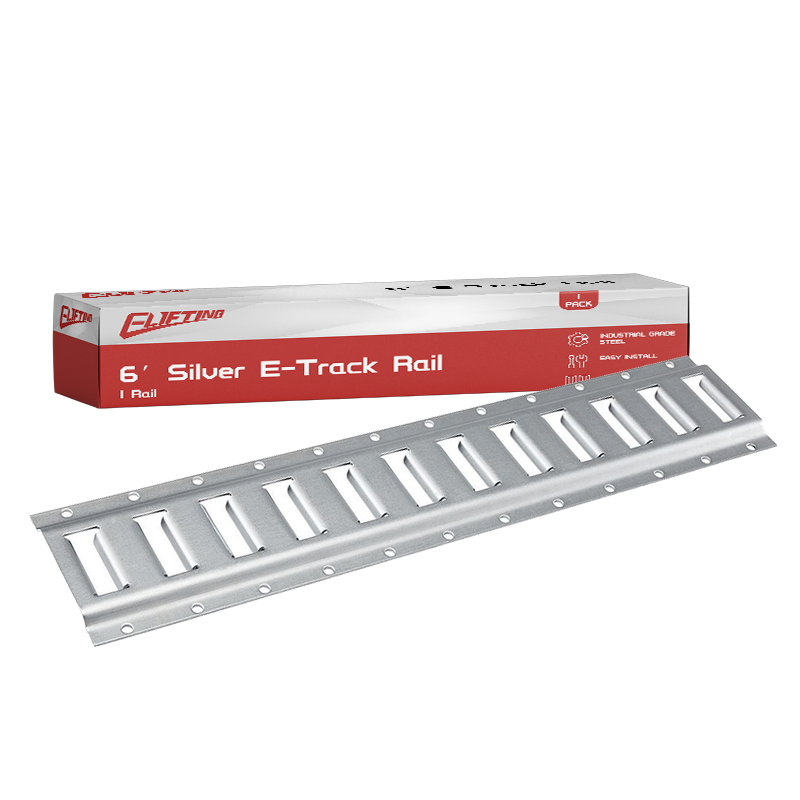
E-Track Rails is a rail system for securing cargo. It consists of a series of aluminum alloy or steel rails with slots, and with different accessories...
See Details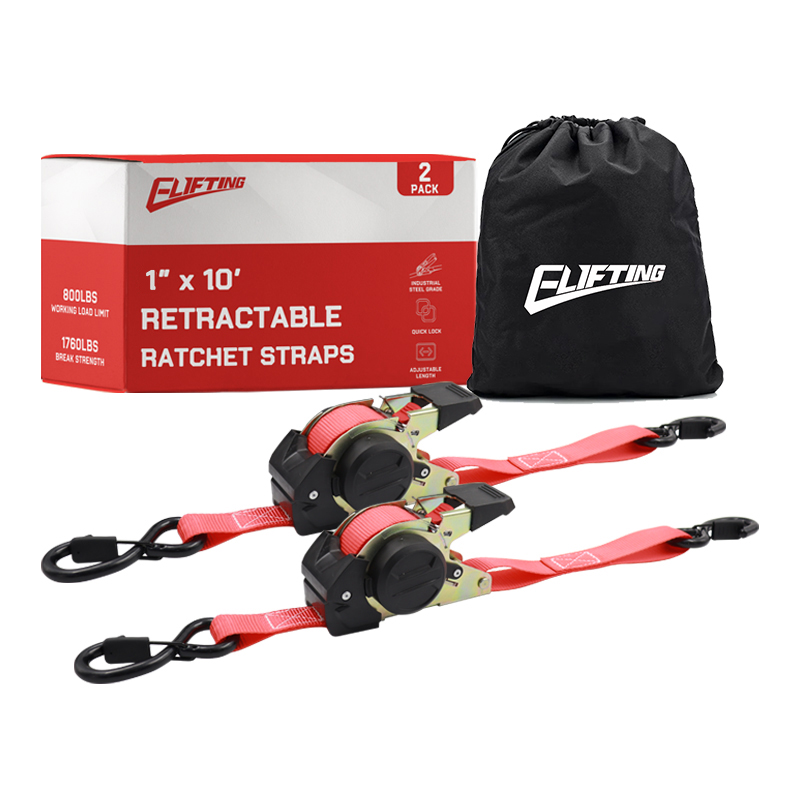
■ Instant automatic retractable strap - Easily retract excess strap length with the click of a button ■ Safety - With cushioning function, the strap ...
See Details
SAFER CONTROLLED RETRACTION - PREVENTS SNAP-BACK: Introducing our enhanced safety design! These retractable ratchet straps feature a built-in speed r...
See Details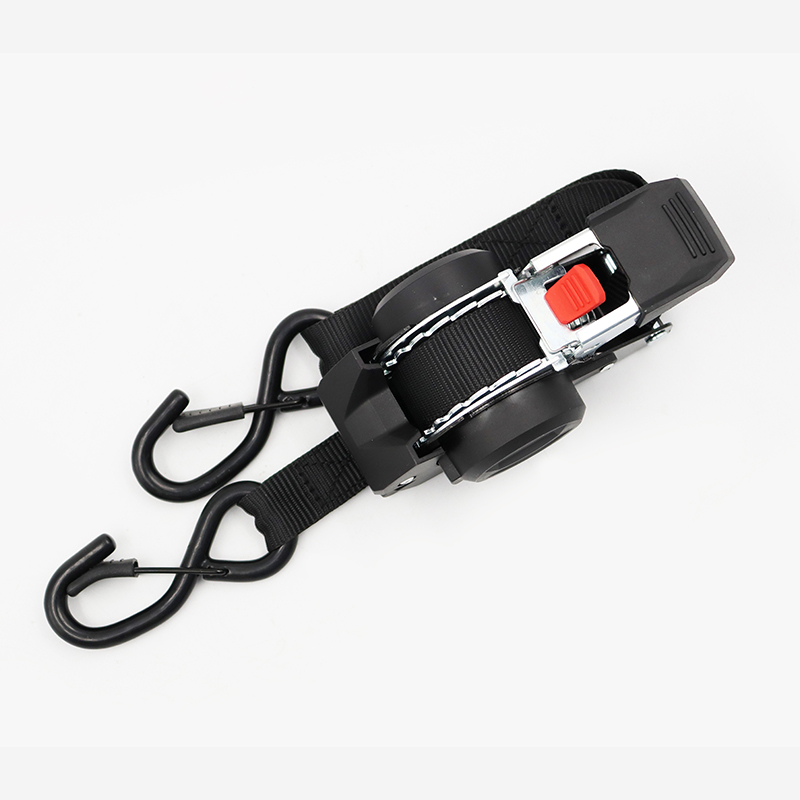
SAFER CONTROLLED RETRACTION - PREVENTS SNAP-BACK: Introducing our enhanced safety design! These retractable ratchet straps feature a built-in speed r...
See Details
Shangcheng Village, Tangxi Town, Ningbo, Zhejiang, China
+86 139 5782 7340
