


 English
 中文简体
中文简体
1.5"x15" heavy duty ratchet straps With J Hook
Cat:1.5 Inch Ratchet Straps
HEAVY DUTY: 1.5-inch webbing width & 15-foot length with a 4400LB breaking strength & 2200LB working load limitDURABLE: corrosion-resistant, z...
See DetailsTo maintain and store tie down straps for long-term use, clean them after every use, inspect the webbing and hardware for damage, dry them completely before storage, and keep them in a cool, dry location away from UV light and chemicals. Following these steps consistently can extend the working life of a quality Tie Down Straps Set from a typical 2–3 years of casual use to well over 5–7 years of regular service. The sections below cover each maintenance step in detail with practical guidance for cam buckle tie down straps, motorcycle tie down straps, and ratchet-style sets alike.
Content
Tie down straps are load-bearing safety equipment. A degraded strap does not just fail to hold cargo — it can cause accidents, property damage, or injury. Webbing that has been weakened by UV exposure, chemical contact, or abrasion may retain its outward appearance while losing a significant portion of its rated breaking strength.
Research on polyester webbing — the most common material used in tie down straps — shows that prolonged UV exposure can reduce tensile strength by 20–40% within 12 months of outdoor storage without protection. For motorcycle tie down straps used during transport season and stored outdoors in between, this deterioration is a realistic risk.
Preventive maintenance costs nothing beyond a few minutes of time per use. Replacing a failed strap after a cargo incident costs far more — in time, money, and safety.
Dirt, road salt, fuel residue, and industrial chemicals accelerate webbing degradation. Regular cleaning removes these contaminants before they cause lasting damage.
For cam buckle tie down straps and ratchet mechanisms, pay specific attention to the metal hardware. Use a dry cloth or compressed air to remove debris from ratchet teeth and cam buckle channels. A light application of a dry lubricant or silicone spray on the ratchet pawl mechanism keeps the action smooth without attracting dust the way oil-based lubricants do. Never submerge a ratchet assembly in water as trapped moisture inside the housing accelerates internal corrosion.
Every tie down strap should be inspected before it is placed under load. This takes under two minutes and can prevent a dangerous failure on the road. Use the following checklist as a standard routine:
| Component | What to Check | Retire Strap If You Find |
|---|---|---|
| Webbing | Cuts, fraying, holes, stiffness, discoloration | Any cut or abrasion deeper than 10% of webbing width |
| Stitching | Broken threads, unraveling at loop or hook attachment | Any broken stitch in the load-bearing seam area |
| Hooks and J-hooks | Cracks, deformation, corrosion, latch function | Bent hook, missing latch, surface cracking |
| Cam Buckle | Cam action, spring tension, body cracks | Cam that slips under load, cracked housing |
| Ratchet Mechanism | Pawl engagement, release handle operation | Pawl that skips teeth, handle that will not release |
| Label / WLL Tag | Working load limit (WLL) still legible | Unreadable WLL — never assume load rating |
Any strap that fails one or more of these checks should be removed from service immediately. Mark it clearly or cut it to prevent accidental re-use.
How you store a Tie Down Straps Set between uses has as much impact on its longevity as how you use it. Incorrect storage is the leading cause of premature webbing failure in straps that appear visually undamaged.
Store straps in temperatures between 5°C and 35°C (41°F – 95°F). Avoid storage in vehicles during summer months — interior temperatures in a parked vehicle can exceed 70°C (160°F), which causes polyester webbing to lose elasticity over repeated cycles. UV radiation from sunlight is equally damaging; even indirect sunlight through a garage window causes cumulative degradation.
Store straps completely dry in a sealed bag or dedicated storage box. Keep them away from battery acid, hydraulic fluid, fuel, and solvents — all of which chemically attack both webbing fibers and metal hardware. If storing motorcycle tie down straps in a garage alongside fuel and oils, a sealed container is essential.
Avoid tightly kinking or sharply folding webbing for extended periods. The preferred method is a loose coil or figure-eight wrap that keeps the webbing relaxed. Many Tie Down Straps Sets include a velcro or hook-and-loop fastener specifically for this purpose — use it to keep each strap tidy without creating stress points in the weave.
Cam buckle tie down straps use a spring-loaded cam mechanism to grip the webbing under load without a ratchet. They are valued for their speed of use and lighter weight, making them a popular choice for securing lighter loads, bicycles, furniture, and equipment up to approximately 450 kg (1,000 lbs) working load limit in most standard configurations.
Maintenance specifics for cam buckle straps:
Motorcycle tie down straps face some of the most demanding conditions of any tie-down application. They are pulled tight over fork tubes, handlebars, or frame points — creating concentrated stress zones — and are frequently exposed to road spray, exhaust residue, and chain lubricant overspray during transport.
Post-transport maintenance routine for motorcycle straps:
For riders who transport frequently, keeping a dedicated set of motorcycle tie down straps that is not shared with general cargo use extends service life and maintains a known inspection history for each strap.
No maintenance routine can indefinitely extend the life of a strap. Knowing when to retire equipment is as important as knowing how to maintain it.
Retire a strap immediately if any of the following conditions are present:
Ningbo Easy Lifting Auto Accessories Co., Ltd. is a professional lashing equipment manufacturer in China. Specializing in stainless steel center buckles, ratchet tie-down series, cam buckles, hooks, and webbing slings, EasyLifting is committed to improving safety and security in the cargo control industry.
As a professional China OEM Tie Down Straps Set Manufacturer and Tie Down Straps Set Factory, EasyLifting operates a well-equipped infrastructure with multiple high-level production facilities. The production team includes qualified engineers who strictly inspect and supervise every stage of manufacturing. All lashing equipment complies with GS and EC standards. EasyLifting also customizes product specifications to meet individual customer requirements.
With a philosophy of continuous improvement in service and product quality, EasyLifting's dedicated export department is fully familiar with global shipping and documentation requirements, making EasyLifting products directly available for purchase from any country worldwide.
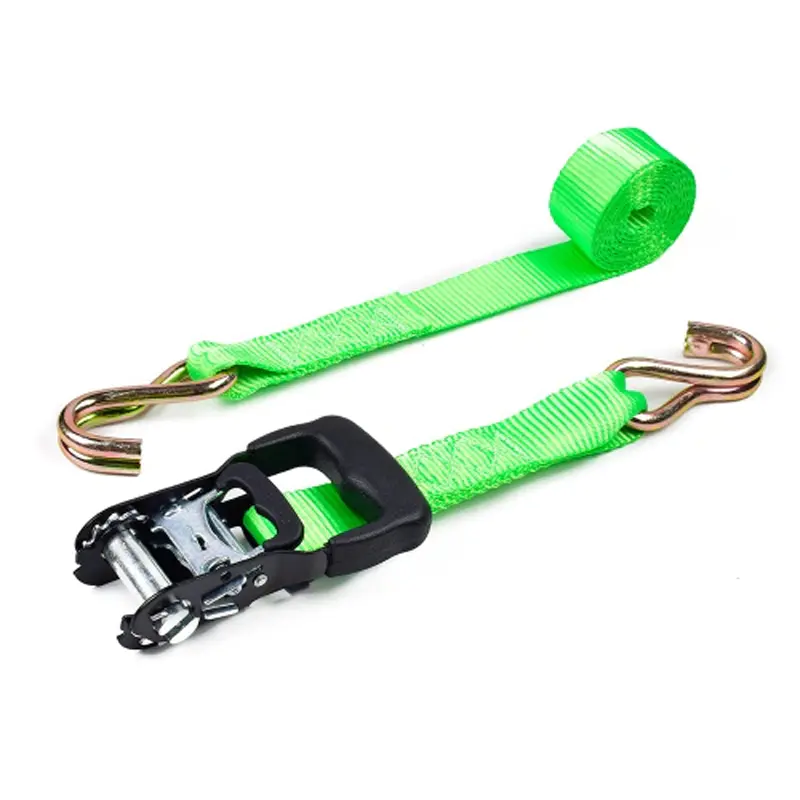
HEAVY DUTY: 1.5-inch webbing width & 15-foot length with a 4400LB breaking strength & 2200LB working load limitDURABLE: corrosion-resistant, z...
See Details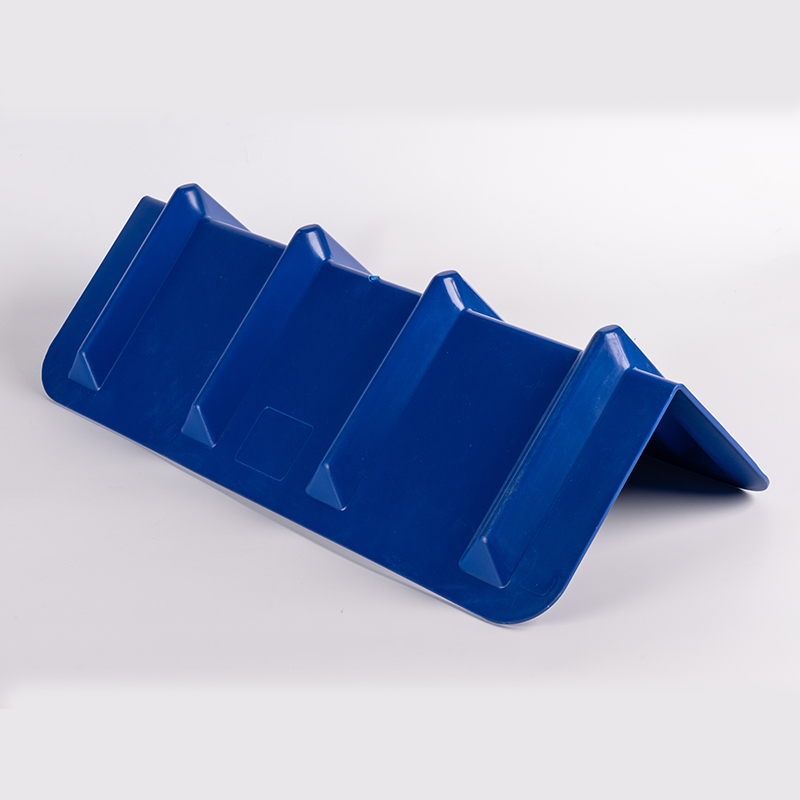
Crafted from high-density polyethylene, our 24-inch plastic corner protector offers exceptional durability and flexibility, making it the ideal barrie...
See Details
To ensure the safety of goods during transportation, our 6-inch plastic corner protectors are included. Made of durable plastic material, it can effec...
See Details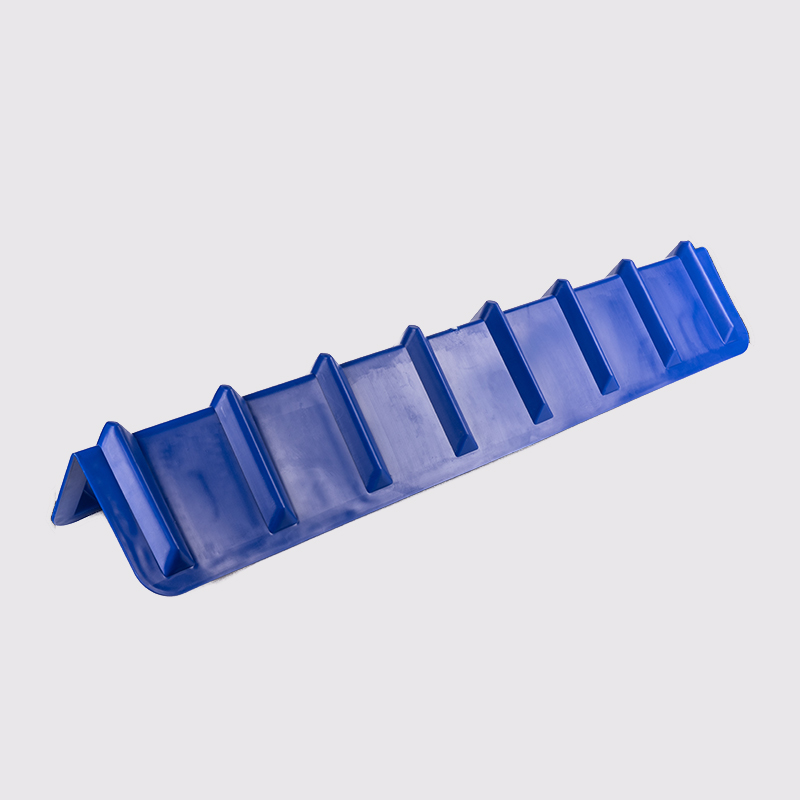
The 48-inch plastic corner guards offer strong resistance to impact and abrasion, protecting your cargo from potential damage in the shipping environm...
See Details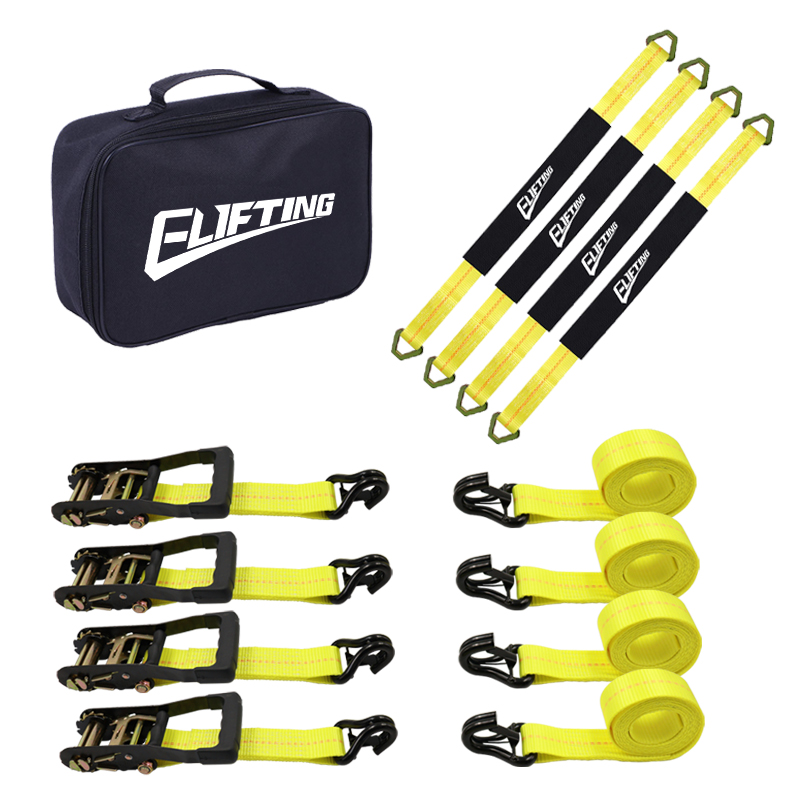
Tie Down Axle Straps Set is a set of high-strength straps designed for securing and stabilizing heavy loads during transportation. Made from durable p...
See Details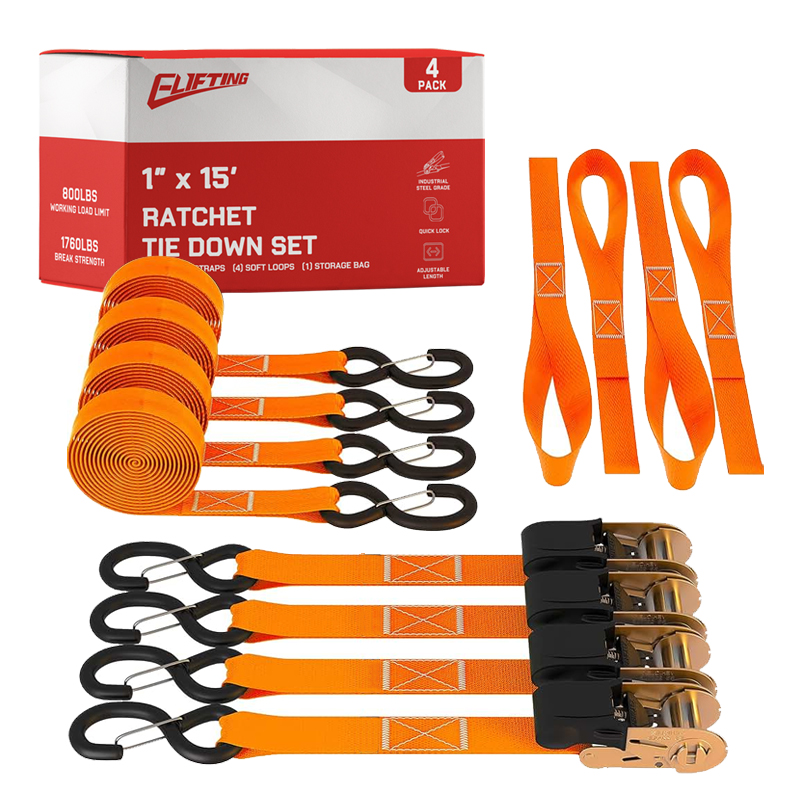
High Strength: Made from durable materials to ensure reliable securing force, suitable for binding and securing various heavy loads. Easy Operation:...
See Details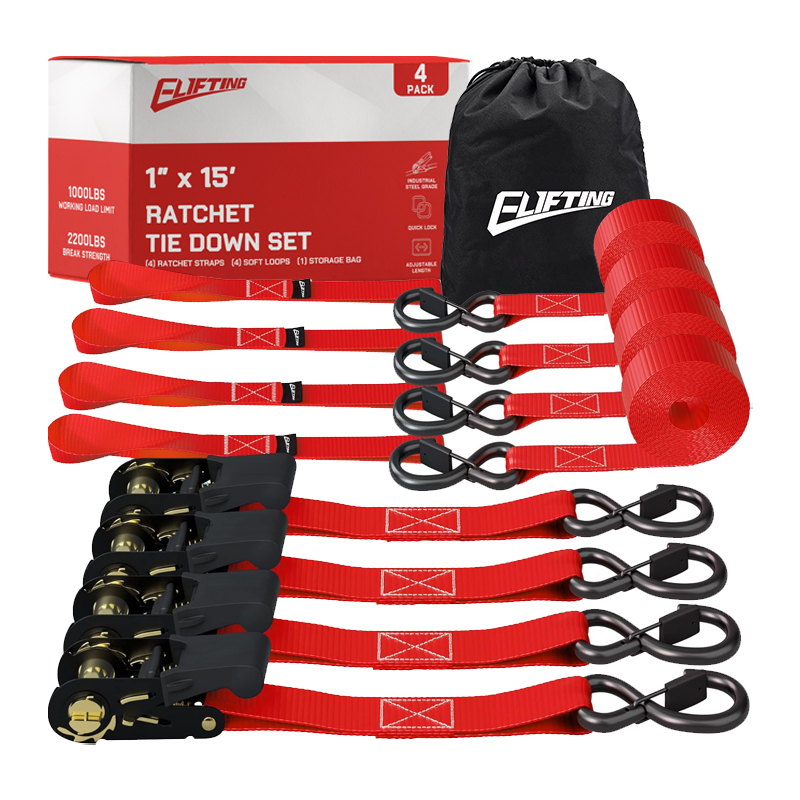
High Strength: Made from durable materials to ensure reliable securing force, suitable for binding and securing various heavy loads. Easy Operation:...
See Details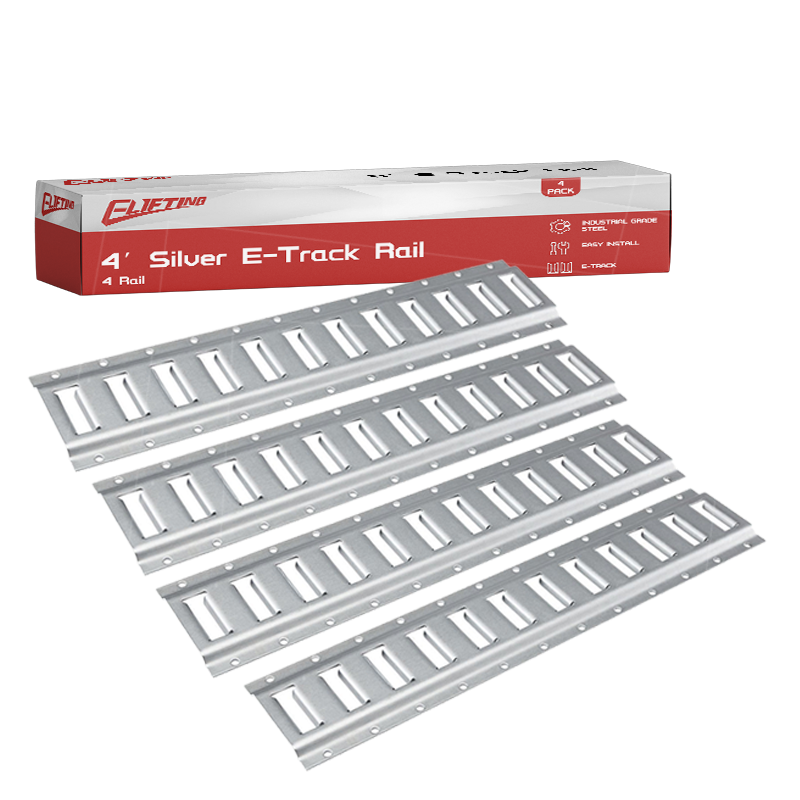
E-Track Rails is a rail system for securing cargo. It consists of a series of aluminum alloy or steel rails with slots, and with different accessories...
See Details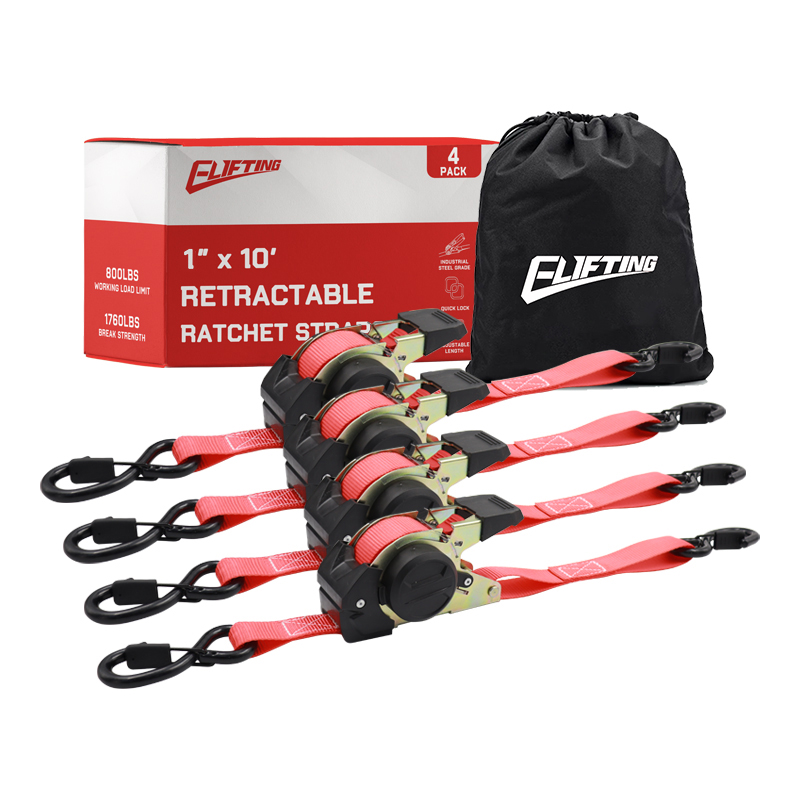
■ Instant automatic retractable strap - Easily retract excess strap length with the click of a button ■ Safety - With cushioning function, the strap ...
See Details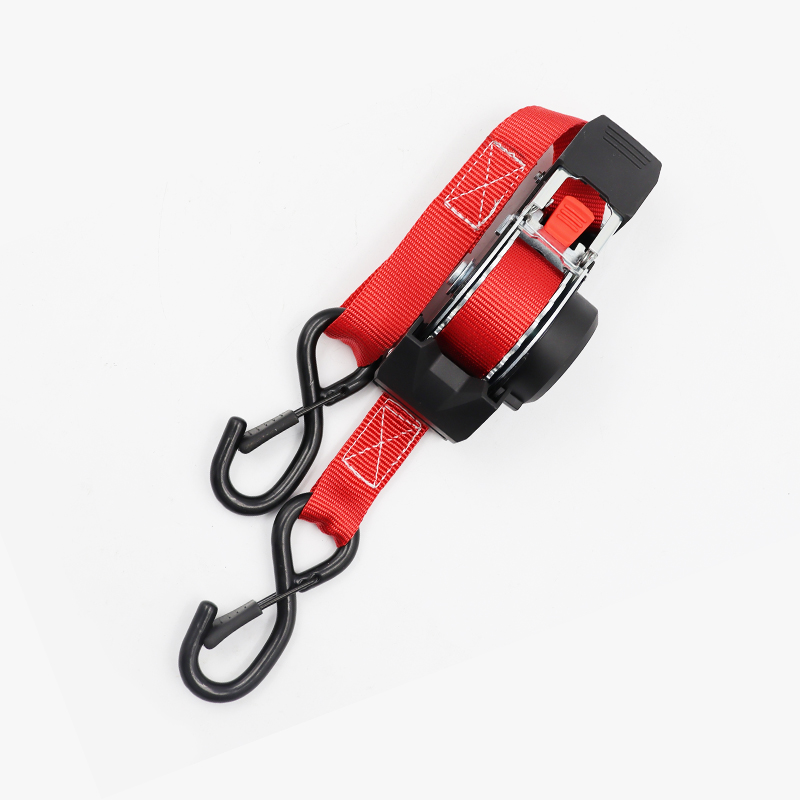
SAFER CONTROLLED RETRACTION - PREVENTS SNAP-BACK: Introducing our enhanced safety design! These retractable ratchet straps feature a built-in speed r...
See Details
Shangcheng Village, Tangxi Town, Ningbo, Zhejiang, China
+86 139 5782 7340
