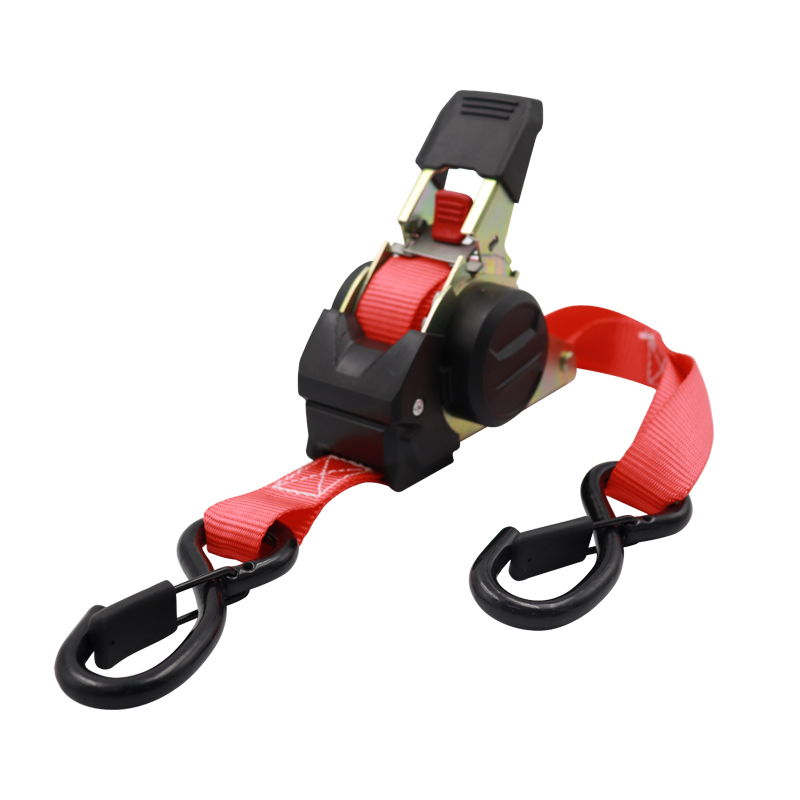
Yes, You Can Use E-Track to Tie Down a Car — Here's How
E-track can absolutely be used to tie down a car, provided the vehicle is secured with wheel straps or axle straps rated for the car's weight, anchored to E-track rails that are properly bolted to a rated flatbed, trailer, or enclosed truck deck. Unlike ratchet straps hooked directly to a bumper or frame point, E-track combined with wheel straps captures the tire itself, which is the safest and most widely used method for securing a vehicle during transport.
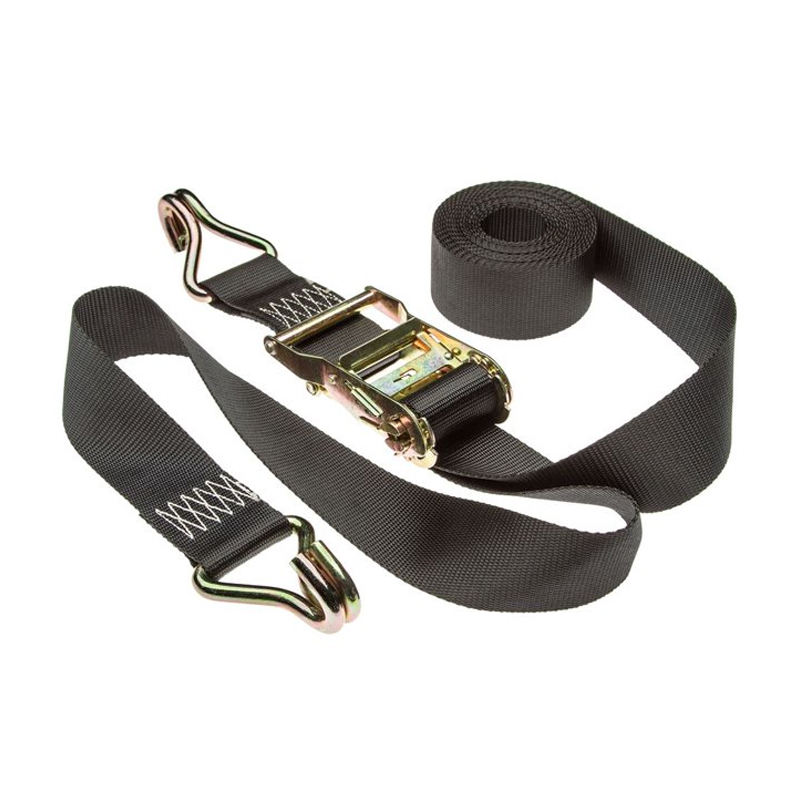
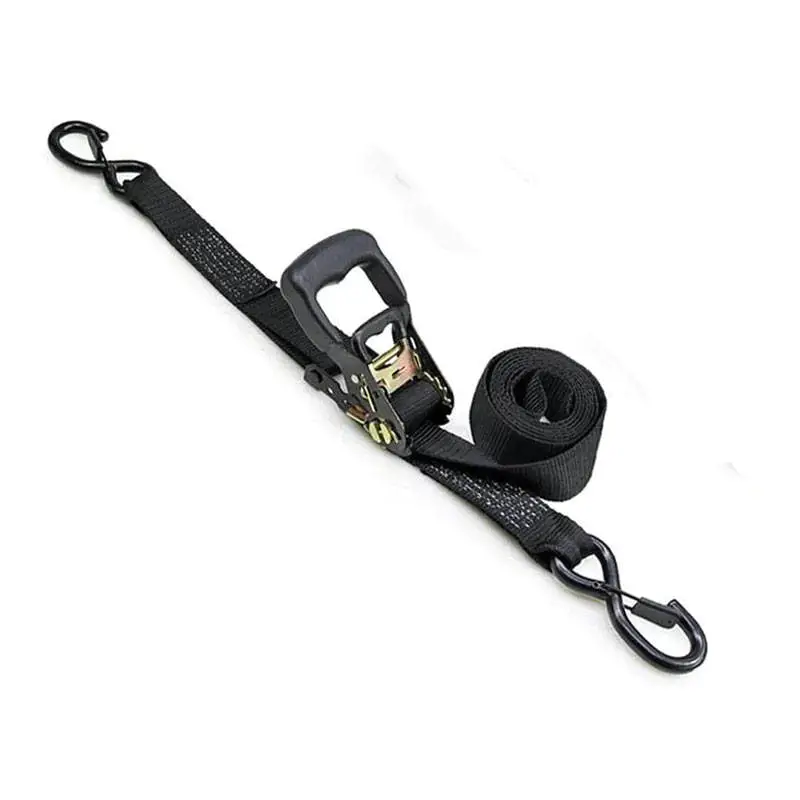
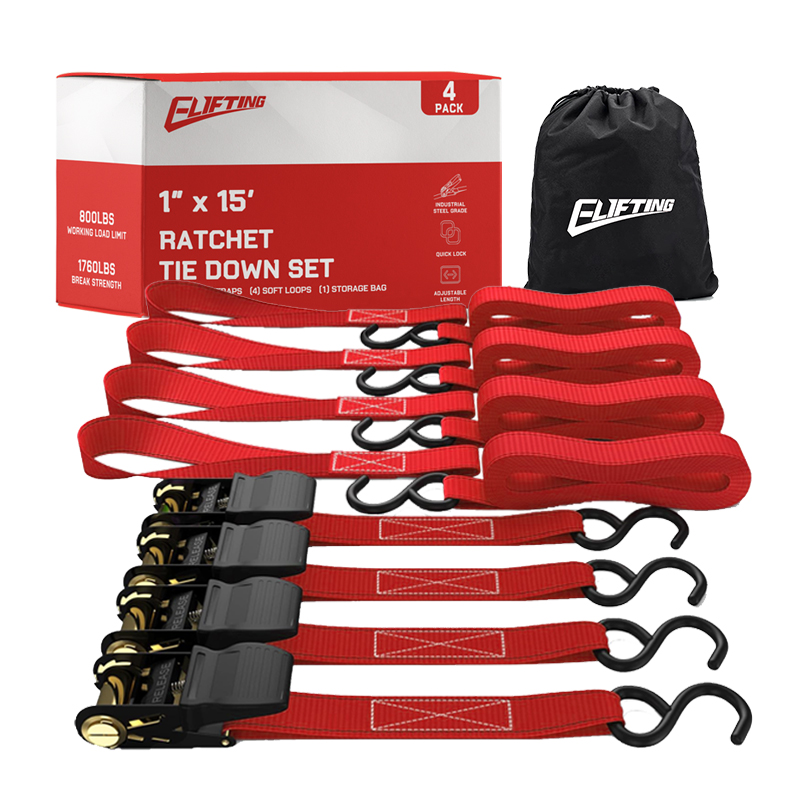
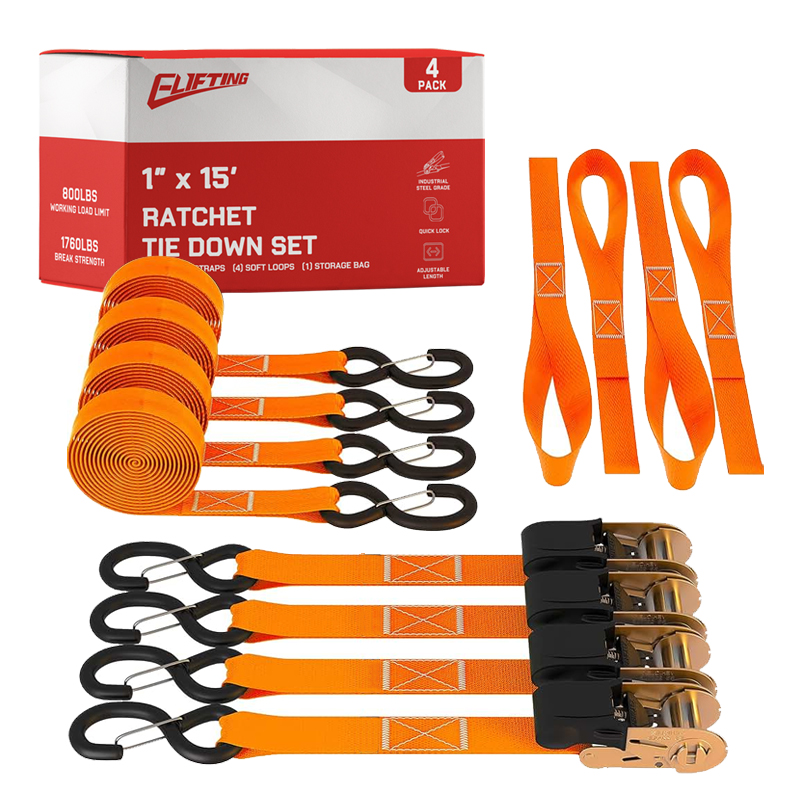
E Track Ratchet Tie Downs are specifically designed to click directly into standard E-track rail slots, giving installers a secure, adjustable anchor point anywhere along the rail rather than being limited to fixed D-rings or bolted hooks.
Why E-Track Works So Well for Car Transport
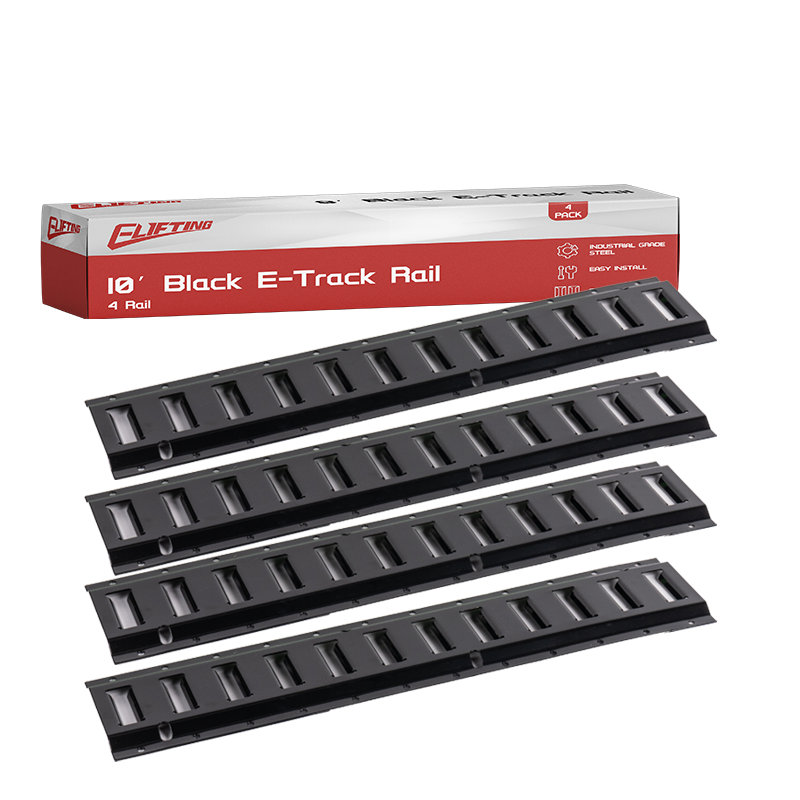
E-track rail systems are commonly built into truck beds, enclosed trailers, and car haulers specifically because they let installers position tie-down points wherever they're needed rather than being locked into a handful of fixed anchor locations. This flexibility matters most when transporting vehicles of different sizes, since wheelbase and tire position vary from one car to the next.
- Adjustable anchor placement — E-track fittings clip in anywhere along the rail, matching the exact tire position of the vehicle being loaded
- Quick-release fittings speed up loading and unloading compared to bolted or welded anchor points
- Compatibility with wheel straps, axle straps, and ratchet straps for different vehicle sizes and cargo types
- Reusable rail system that supports multiple tie-down configurations across different loads, not just cars
Setting Up a Car Tie-Down With E-Track Ratchet Tie Downs
Properly securing a car with E-track ratchet tie downs follows a consistent sequence regardless of vehicle size, and skipping steps is one of the most common causes of load shift during transport.
- Position the vehicle so all four tires align with usable sections of E-track rail on both sides of the deck.
- Set the wheel chocks or use a wheel strap that wraps fully around the tire and rim.
- Clip the E-track fitting on each strap into the nearest rail slot at roughly a 45-degree angle to the tire for the strongest pull direction.
- Tighten each ratchet mechanism evenly, working front to back, so tension is distributed across all four tie-down points.
- Check that the vehicle's suspension is compressed slightly but not overloaded, confirming the straps are snug without excessive tension.
- Re-check strap tension after the first few miles of driving, since initial settling can loosen tie-downs slightly.
Matching Strap Rating to Vehicle Weight
Choosing tie-down equipment with sufficient working load limit (WLL) is essential, since undersized straps are a direct safety risk. The table below outlines general guidance for matching strap capacity to common vehicle categories.
General strap working load limit guidance by vehicle category
| Vehicle Category |
Approx. Vehicle Weight |
Recommended Strap WLL (each) |
| Compact car |
1,100–1,400 kg |
At least 1,500 lbs |
| Mid-size sedan |
1,400–1,700 kg |
At least 2,000 lbs |
| SUV / light truck |
1,800–2,500 kg |
At least 3,300 lbs |
As a general safety principle, the combined working load limit of all tie-down points should equal at least half the total weight of the vehicle, and using four separate tie-down points rather than two spreads this load safely across the car's tires.
Common Mistakes to Avoid When Tying Down a Car
A few recurring mistakes account for most car transport incidents involving E-track tie-downs, and most are easy to avoid with the right setup.
Hooking Directly to Body Panels or Bumpers
Attaching straps to a bumper, tow hook, or body panel instead of the wheel or a rated frame point can cause cosmetic damage or even structural failure under tension. Wheel straps that wrap the tire avoid this risk entirely by transferring load through the wheel and suspension rather than the body.
Uneven Strap Angles
Straps pulled at a sharp, nearly vertical angle provide far less resistance to forward and backward movement than straps set at roughly 45 degrees. Keeping a consistent angle on all four tie-down points helps distribute braking and acceleration forces evenly.
Elifting's E Track Ratchet Tie Downs are designed to click securely into standard E-track rail systems commonly installed in truck beds, vans, and trailers, giving installers a reliable, adjustable anchor point positioned exactly where the load requires it. This E-track compatibility, combined with rated ratchet hardware, makes the straps suitable not only for securing cars but also for general cargo and equipment tie-down needs across a fleet.
Selecting the correct strap length, hook style, and working load limit for the specific vehicle or cargo being transported remains the most important factor in a safe, reliable tie-down setup, regardless of how well-designed the E-track hardware itself may be.
Frequently Asked Questions
Q1: Is E-track strong enough to hold a car in place during transport?
Yes, when the E-track rail is properly rated and bolted to the deck, and the straps used meet the vehicle's weight requirements, E-track systems are a standard and reliable method for securing cars on trailers and truck beds.
Q2: How many tie-down points does a car need?
Four tie-down points, one at each tire, is the standard and safest configuration, since it distributes load evenly and prevents the vehicle from shifting side to side or front to back.
Q3: Can E-track ratchet tie downs be used for cargo other than cars?
Yes, the same E-track fittings and ratchet straps work well for securing general equipment, machinery, and bundled cargo, making them a versatile addition to any fleet or cargo management setup.
Q4: Should straps be tightened as much as possible for car transport?
No, straps should be snug enough to prevent movement without over-compressing the vehicle's suspension; overly tight straps can place unnecessary stress on the suspension components during transport.




 English
 中文简体
中文简体