


 English
 中文简体
中文简体
1.5"x15" heavy duty ratchet straps With J Hook
Cat:1.5 Inch Ratchet Straps
HEAVY DUTY: 1.5-inch webbing width & 15-foot length with a 4400LB breaking strength & 2200LB working load limitDURABLE: corrosion-resistant, z...
See DetailsA properly engaged retractable ratchet strap does not come loose on its own, because the ratchet pawl locks the spool independently of the retraction spring. The auto-rewind feature only controls how the slack webbing is pulled back into the housing when the release lever is pressed, it has no connection to the toothed locking gear that actually holds tension on the cargo. Loosening almost always traces back to a different cause, such as an under-tightened ratchet, a worn pawl tooth, or webbing that was never run through a full ratcheting cycle before the strap was left unattended.
This article walks through why a retractable ratchet strap holds tension the same way a standard ratchet tie down does, where the retraction spring actually sits in the mechanism, and what specifically causes a strap to loosen so you can rule those causes out before assuming the retractable design itself is the weak point.
Content
A retractable ratchet strap has two separate systems working inside the same housing, and confusing them is the main reason people worry the strap will loosen.
This is the load bearing part. A geared spool sits inside the ratchet handle, and a spring loaded pawl drops between the gear teeth every time the handle is closed. The pawl only rotates the gear in one direction, so once the handle stops moving, the load side webbing is mechanically blocked from unwinding. This is the exact same principle used in a standard non retractable ratchet strap.
This is the convenience feature. A separate coil spring sits behind the free end of the webbing, inside the housing on the opposite side of the ratchet gear. When you press the release lever, the spring pulls the loose, unloaded portion of the webbing back into the housing so it does not drag on the ground or tangle in the cargo area. This spring has no physical connection to the ratchet gear or the pawl, so it cannot pull against a load that is already locked in.
| Component | Function | Holds Cargo Tension |
|---|---|---|
| Ratchet gear and pawl | Locks the loaded webbing in one direction | Yes |
| Rewind coil spring | Retracts unloaded slack webbing into the housing | No |
| Release lever | Disengages the pawl to allow strap removal | No, but must stay untouched during transport |
Since the locking gear is mechanically separate from the rewind spring, a loosening strap points to one of the following causes rather than a flaw in the retractable design itself.
Running through this short checklist takes under a minute and removes almost every cause of an unexpected loosening strap.
Not every retractable ratchet strap on the market is built to the same tolerance, and a few construction details make a measurable difference in how reliably the pawl stays engaged.
A deeper, squared pawl tooth seats more firmly into the gear and resists slipping under road vibration better than a shallow or rounded tooth profile. Straps built with hardened steel gears also resist the tooth wear that eventually lets a pawl skip under repeated heavy use.
Some newer retractable ratchet strap designs, including the enhanced models produced by ELIFTING under Ningbo Easy Lifting Auto Accessories Co., Ltd, add a damped or metered rewind that slows the spring return instead of letting the webbing snap back at full speed. This does not change how the load side locks, but it does reduce the whip-back motion that can startle an operator or catch loose clothing during release, which is a genuine safety improvement separate from the tension holding question.
A tightly woven polyester webbing resists stretching under load better than a loosely woven strap, and less stretch over time means less apparent loosening even when the ratchet mechanism itself has not slipped at all.
Because the locking gear and pawl are identical in both designs, a retractable ratchet strap holds cargo with the same working load limit and breaking strength rating as a standard strap of the same webbing width and gear size. The retraction feature changes handling convenience, not the physics of how the tension is held.
| Factor | Retractable Ratchet Strap | Standard Ratchet Strap |
|---|---|---|
| Locking mechanism | Same pawl and gear design | Same pawl and gear design |
| Loose webbing after tightening | Automatically pulled into housing | Must be coiled or tied off by hand |
| Risk of dragging strap tails | Low, since slack retracts on release | Higher if not manually secured |
| Housing complexity | Slightly larger due to spring compartment | Simpler, smaller housing |
No, the rewind spring only acts on the free, unloaded end of the webbing and has no mechanical link to the ratchet gear that holds the loaded side, so it cannot pull tension out of a locked strap.
This is usually cargo settling or webbing stretch rather than the ratchet slipping, and it is common with compressible loads, so a quick tension check after the first stretch of driving is a normal part of using any ratchet strap.
Most manufacturers, including ELIFTING, recommend at least three full wraps around the spool, since fewer wraps reduce the friction that helps resist slow creep under vibration.
Yes, partially lifting the release lever can disengage the pawl enough to let the gear spin freely, so the lever should be positioned where nothing in the cargo area can brush against it during transit.
No, working load limit and break strength depend on the webbing width, weave, and gear size, not on whether the strap includes a rewind spring, so a retractable model and a standard model of matching size hold the same rated load.
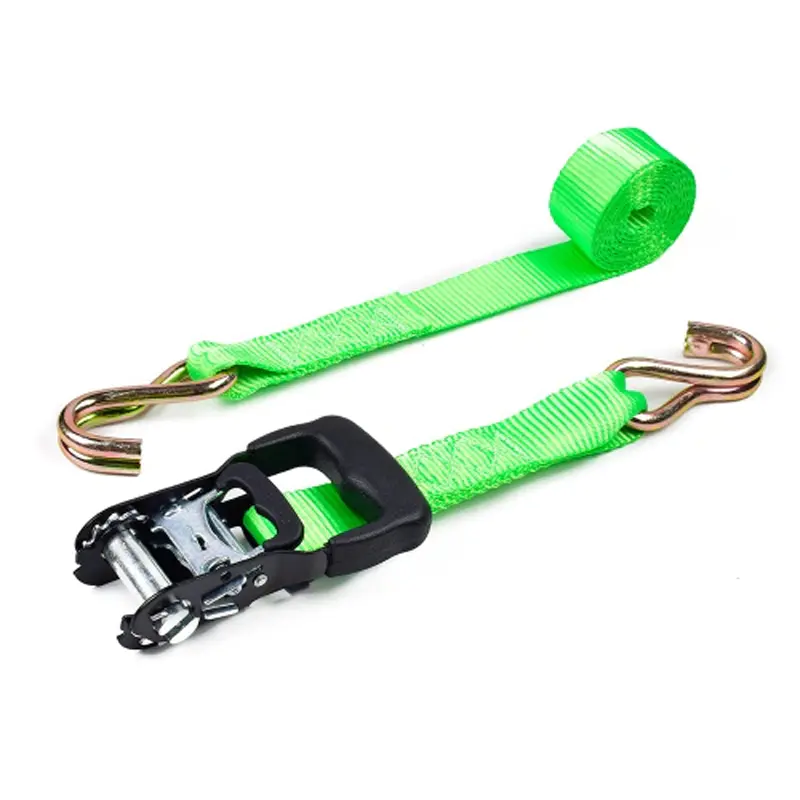
HEAVY DUTY: 1.5-inch webbing width & 15-foot length with a 4400LB breaking strength & 2200LB working load limitDURABLE: corrosion-resistant, z...
See Details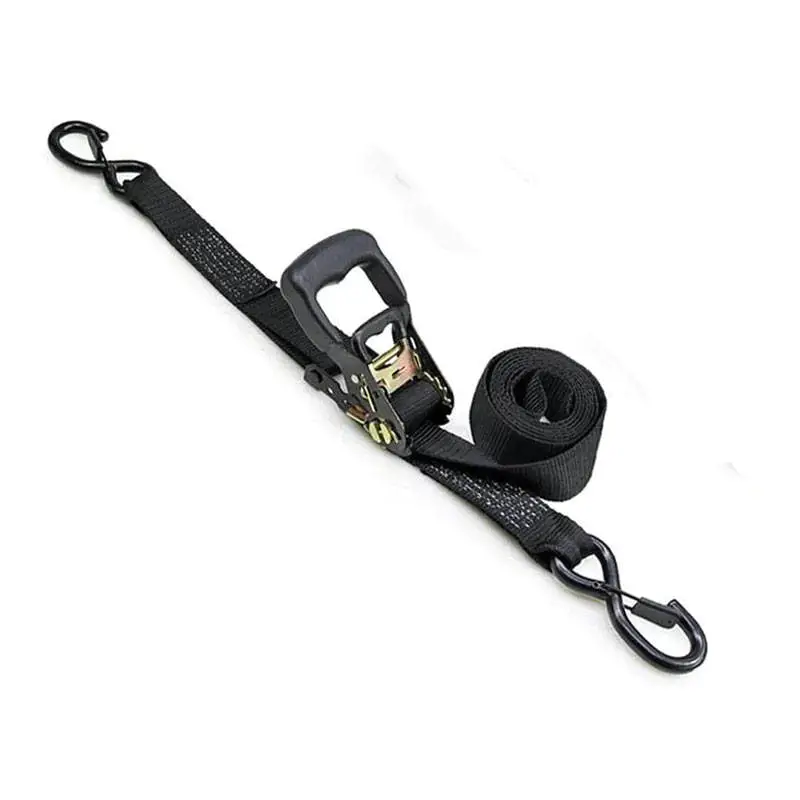
The compact and lightweight design of our 2" x 15' ratchet strap makes it easy to store and transport. Whether you're keeping it in your toolbox, glov...
See Details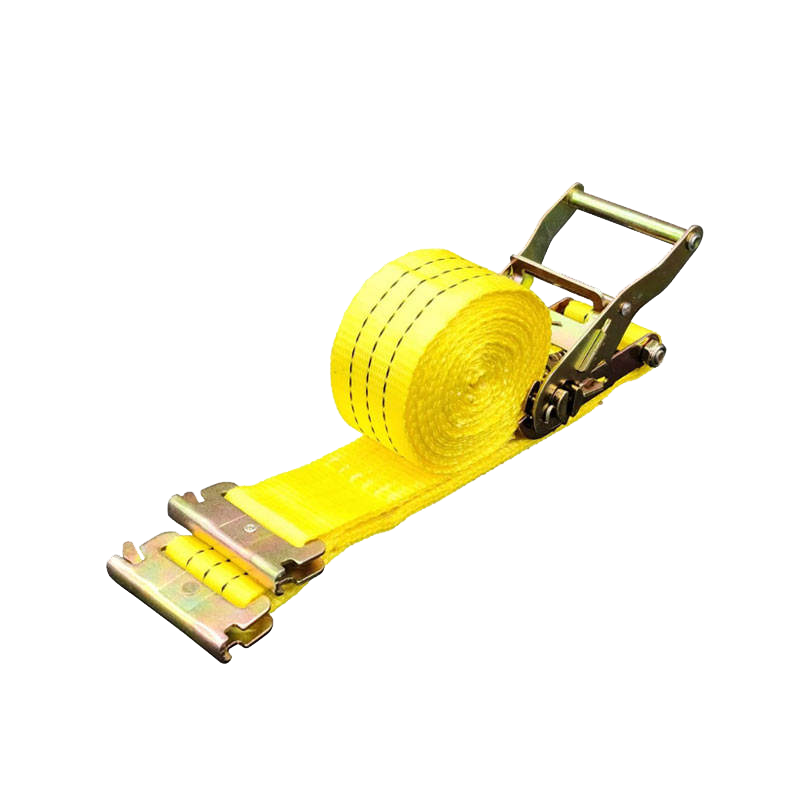
The 2" E Track ratcheting straps set is a true all-rounder, excelling in a diverse range of applications, making it an indispensable tool for any carg...
See Details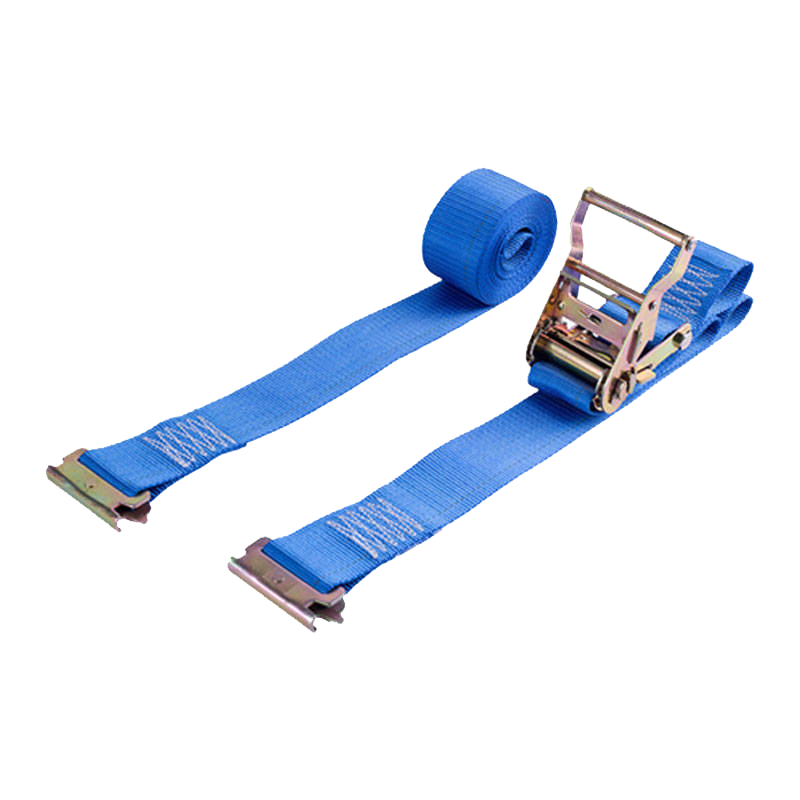
E Track Ratcheting Straps have a breaking strength of 4400 lbs. and a working load limit of 1460 lbs. and are equipped with high quality E track sprin...
See Details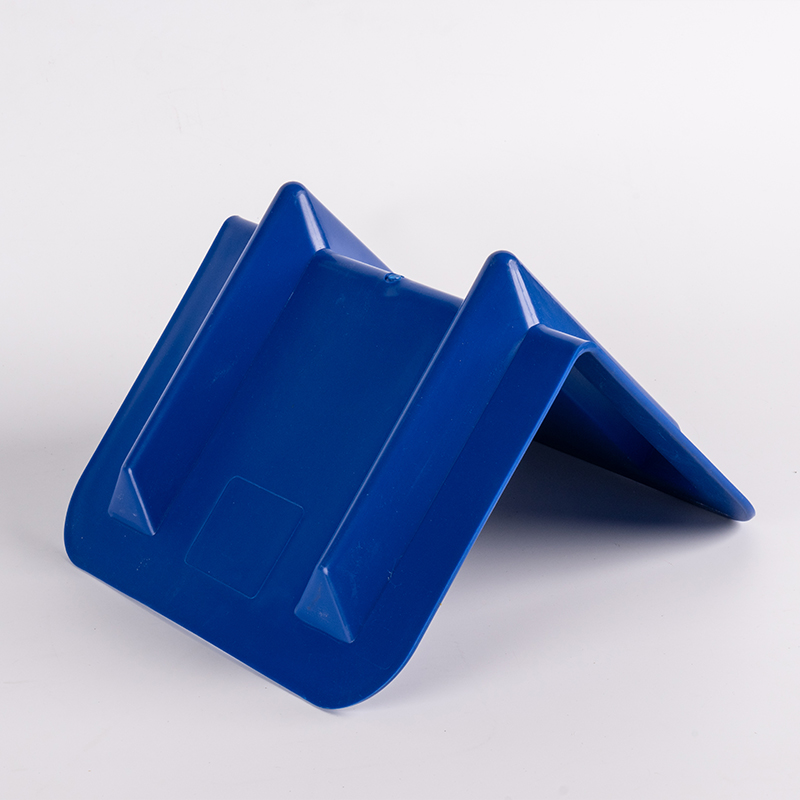
Corner protector shields drywall, plywood sheeting, and much more from damage during loading and transport. High density polyethylene is flexible, so ...
See Details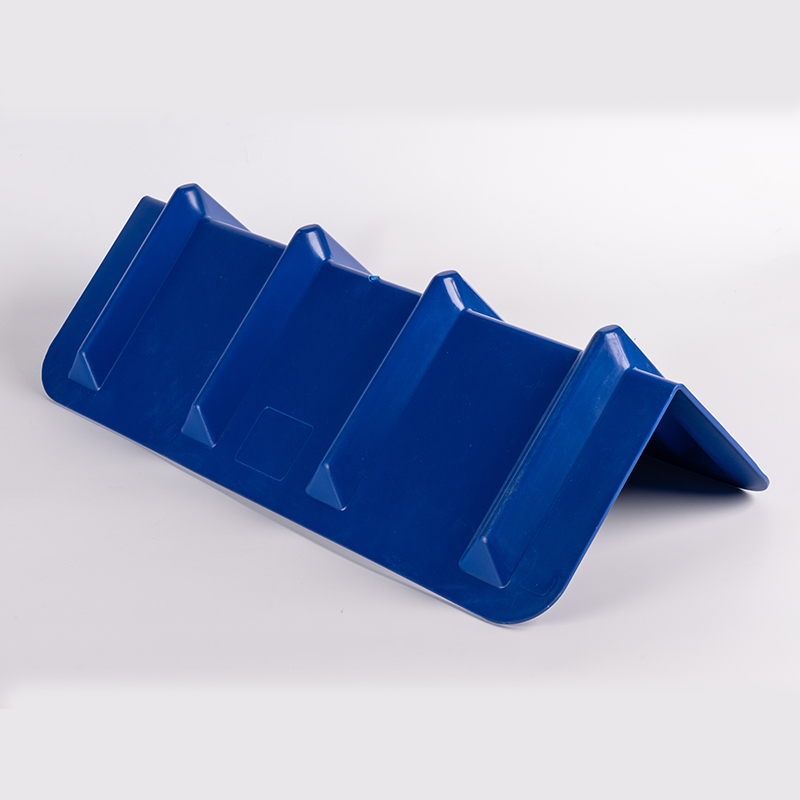
Crafted from high-density polyethylene, our 24-inch plastic corner protector offers exceptional durability and flexibility, making it the ideal barrie...
See Details
To ensure the safety of goods during transportation, our 6-inch plastic corner protectors are included. Made of durable plastic material, it can effec...
See Details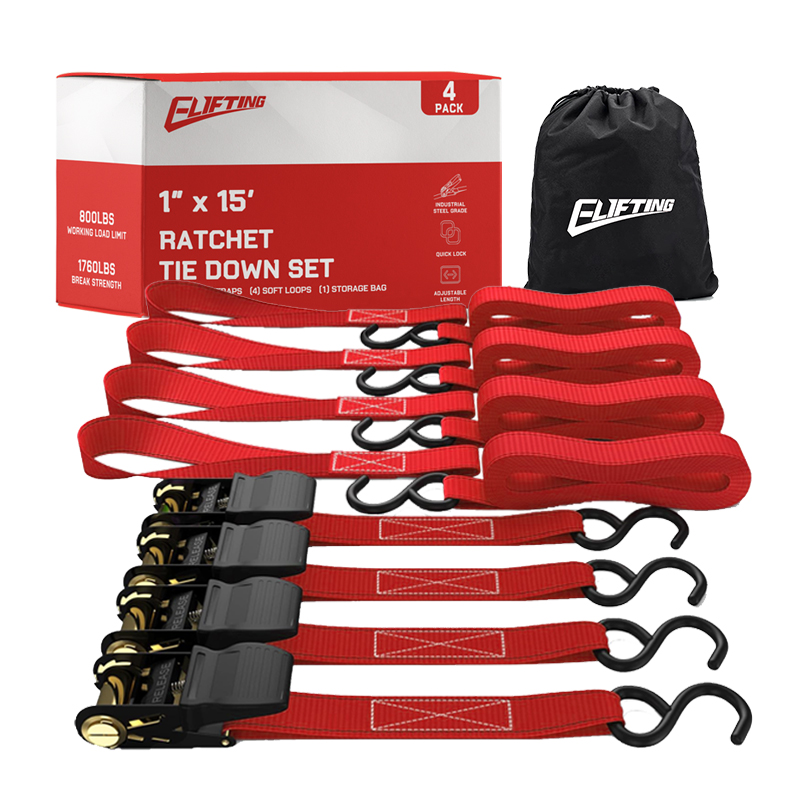
High Strength: Made from durable materials to ensure reliable securing force, suitable for binding and securing various heavy loads. Easy Operation:...
See Details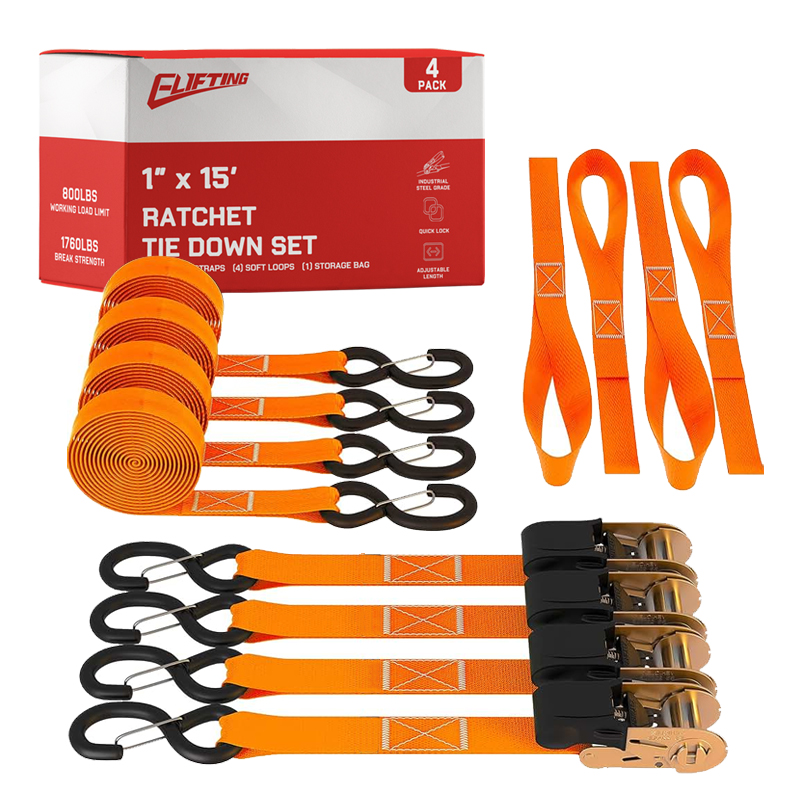
High Strength: Made from durable materials to ensure reliable securing force, suitable for binding and securing various heavy loads. Easy Operation:...
See Details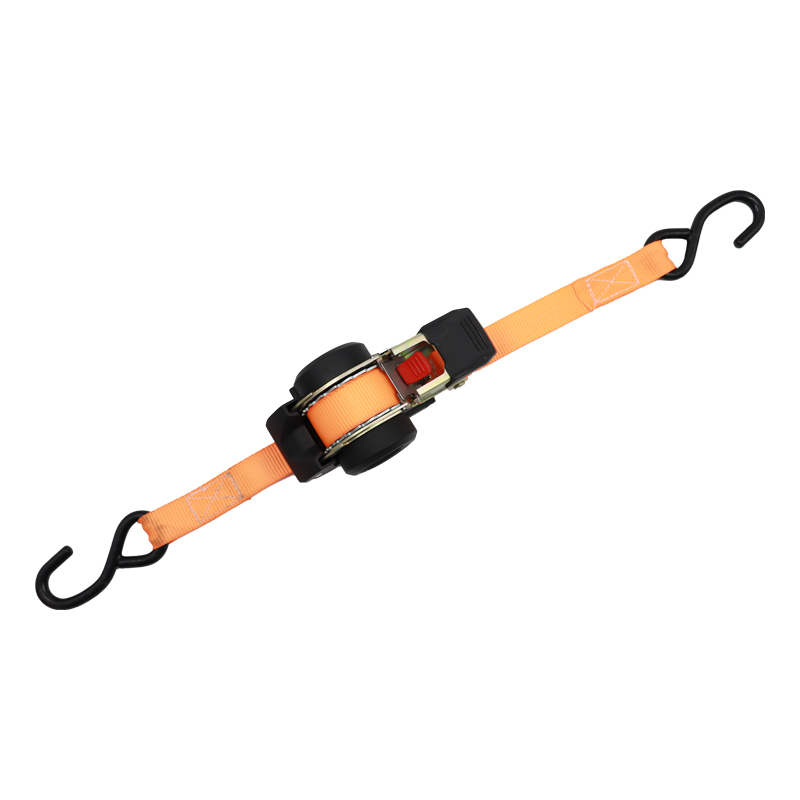
■ Instant automatic retractable strap - Easily retract excess strap length with the click of a button ■ Safety - With cushioning function, the strap ...
See Details
Shangcheng Village, Tangxi Town, Ningbo, Zhejiang, China
+86 139 5782 7340
