


 English
 中文简体

1" x 10ft Cargo Ratchet Straps With J Hook
Cat:1″Ratchet Straps
Ratchet tie-down 1000 lbs breaking strengthEASY OPERATION AND QUICK RELEASE: The coated handle features a release lever for easy operation and release...
See DetailsReleasing a ratchet strap should be the easiest part of any load securement job. Most of the time it takes two seconds: pull the release lever, pull the webbing, and slide the hook out of the anchor. But when a strap has been tensioned for hours, loaded beyond its rated strength, or left in the rain and dust, the release becomes a small battle. The trick is not to attack the strap with a screwdriver or a knife; it is to understand how the ratchet mechanism works and to follow one reliable sequence every time. In this guide, the load securement specialists at Easy Lifting will show you exactly how to release ratchet strap safely and quickly, whether you are unclamping a motorcycle in a trailer, a steel coil on a flatbed, or a stack of boxes in a warehouse.
Content
A ratchet strap is built around a drum, two pawls, and a handle with a release lever. The spring-loaded release lever is the only control you need to let go of stored tension. When you pull that lever, it lifts the locking pawl away from the gear teeth. When you then open the handle fully, the second pawl—the tension pawl—also disengages, allowing the drum to spin freely and the webbing to run out. The table below summarizes the parts that matter during release.
| Component | What It Does | Role in Release |
|---|---|---|
| Release lever | Lifts the locking pawl | Must be pulled and held |
| Ratchet handle | Spins the drum when closing | Must be opened flat |
| Locking pawl | Holds the webbing under tension | The main thing you disengage |
| Tension pawl | Keeps the drum from free-spinning | Disengages when handle opens |
| Webbing tail | The loose end after release | Pull this end to remove slack |
This is the foundation of every release technique. If you memorize the jobs of these four parts, you will never have to guess which lever to pull when a load needs to come off.
Always release a strap from the side—never in line with the handle or the webbing. Then follow these five steps in order.
For standard ratchet straps, the release sequence always follows this pattern. If you pull on the webbing before opening the handle fully, the locking pawl will catch again, and the strap will stay tight.
A typical ratchet strap releases in about two seconds once the handle opens a full 180 degrees.
This simple movement disengages both pawls and drops the tension completely. Many release failures happen because the operator opens the handle only halfway, so the locking pawl falls back into the gear teeth. The next time a strap refuses to release, check the handle angle before you reach for a pry bar. If the handle is not all the way open, it is not time to pull the webbing yet.
Even a well-maintained strap can jam under extreme load, cold weather, or heavy dust. Force is usually the wrong answer. These three field fixes solve most stuck straps without cutting the webbing.
If the release lever will not move, press the lever with one hand and push the ratchet handle slightly forward and back a few millimeters. That motion relieves pressure on the locking pawl, letting the lever pop free.
When the webbing is pinched, pull the handle fully open, then thread the webbing tail back and forth while pulling gently. You are not trying to force it; you are creating an opening for the trapped fold to slide out.
If water has caused rust on the pawls, tap the side of the ratchet housing lightly with your hand or a rubber mallet. Then hold the release lever open and stroke the handle back and forth until the pawl clicks free. Rust is a maintenance issue, not a reason to cut the strap.
Release-friendly design starts in the way the strap is built. If you release ratchet straps multiple times a day, choose a model with a smooth drum and an easy-grip release lever. We recommend the following options from our manufacturing range:
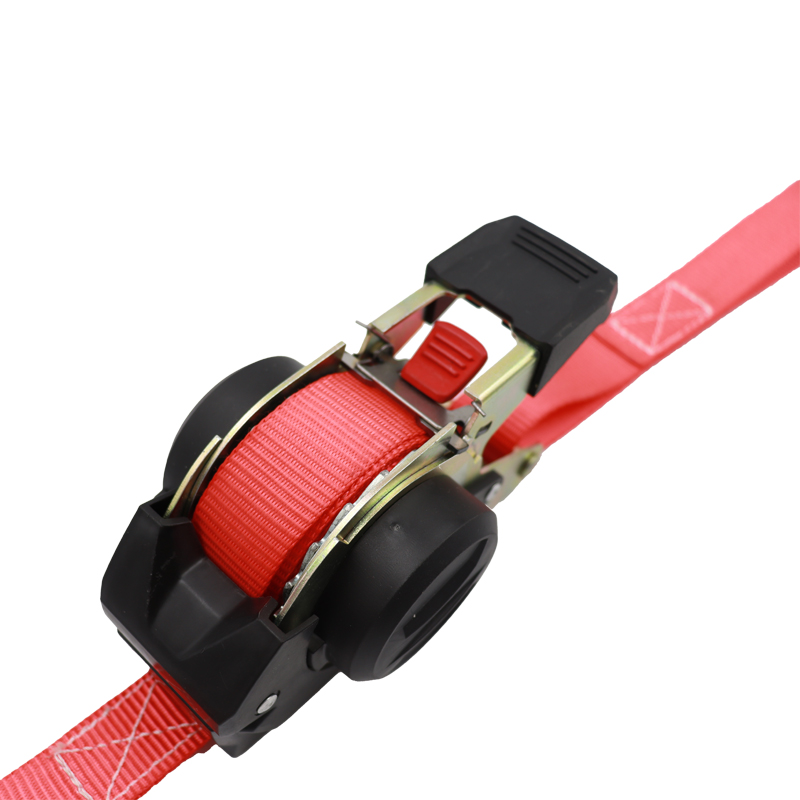 1-Inch x 10 Ft Retractable Ratchet Strap, 1760 lb Breaking StrengthA 1-inch by 10-foot retractable ratchet strap rated to 1,760 pounds breaking strength, suited to frequent release work and keeping webbing tidy between uses.View Product →
The 1760 lb breaking strength 1-inch x 10 ft retractable strap is easy to keep tidy and releases with the same two-second technique.
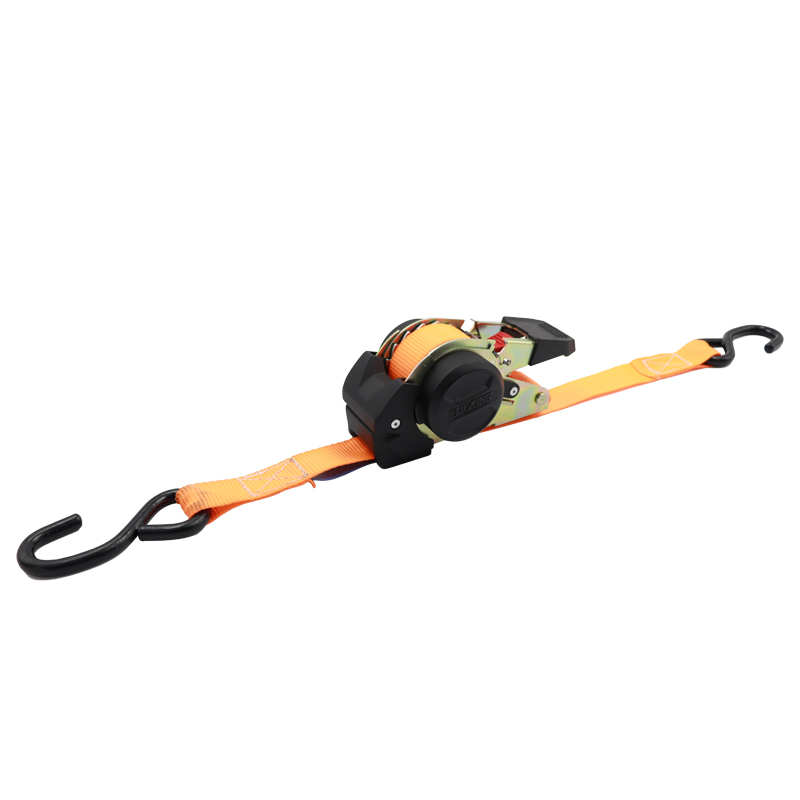 1-Inch x 10 Ft Automatic Retractable Ratchet StrapAutomatic retractable ratchet strap in a 1-inch by 10-foot size, designed for hands-free webbing storage as the strap tucks itself away when the handle opens.View Product →
If you want hands-free webbing storage, the automatic retractable version takes the guesswork out of the final pull—the strap tucks itself away as soon as the handle opens.
 1.5-Inch x 8 Ft J-Hook Ratchet Strap, 5,000 lb Breaking StrengthA 1.5-inch by 8-foot ratchet strap with J hook and 5,000-pound breaking strength, offering a larger handle and cleaner release stroke for heavier cargo.View Product →
For heavier cargo, the 1.5-inch x 8 ft J-hook ratchet strap with 5,000 lb breaking strength gives you a larger handle and a cleaner release stroke under high tension.
Check this quick-reference table before you try to force a strap loose. The left column shows the mistake, the middle column explains why it happens, and the right column gives the release-friendly fix.
| Mistake | Why It Happens | Correct Method |
|---|---|---|
| Pulling the webbing without opening the handle | The locking pawl still holds the gear | Open the handle fully before pulling the tail |
| Yanking the handle back while the lever is closed | Pawl pressure jams the lever | Press the lever slightly and rock the handle a few millimeters |
| Using a screwdriver to pry up the teeth | Misunderstanding of pawl design | Keep pulling the release lever until the pawl clicks |
| Cutting a jammed strap while it is still tensioned | Frustration plus rolled webbing | Relieve tension, remove the anchor, then replace if needed |
Once the correct sequence becomes a habit, you will seldom need more than one hand to release a strap.
Preventive care makes release predictable. Build these five habits into your routine and you will rarely face a jammed release lever again.
Stand to the side when you open the handle and pull the webbing. The strap can snap toward you at any point if the pawl slips.
Never cut a ratchet strap while it is around a load. The stored energy in the webbing can turn the cut ends into projectiles and can damage the cargo.
Do not use a strap that shows frayed webbing, cracked ratchet housing, or a bent release lever. If the component fails during release, it can fail suddenly.
Always choose a ratchet strap rated for the load you are carrying. Overloading is the leading cause of jammed releases and unexpected failures.
Releasing a ratchet strap does not require strength; it requires knowledge. Pull the release lever, open the handle fully, pull the loose webbing, and slide the fitting out of the anchor. That is the entire technique. When a strap jams, slow down and work through the pawls instead of reaching for a cutter. And if you release straps every day, let the mechanism help you: keep it lubricated, keep it dry, and choose equipment designed to unwind as easily as it tightens.
For more guidance on cargo control, see our logistics and transportation load securement applications or read about the common applications of ratchet straps. These articles explain where the release technique matters most, from flatbed loads to warehouse racking.
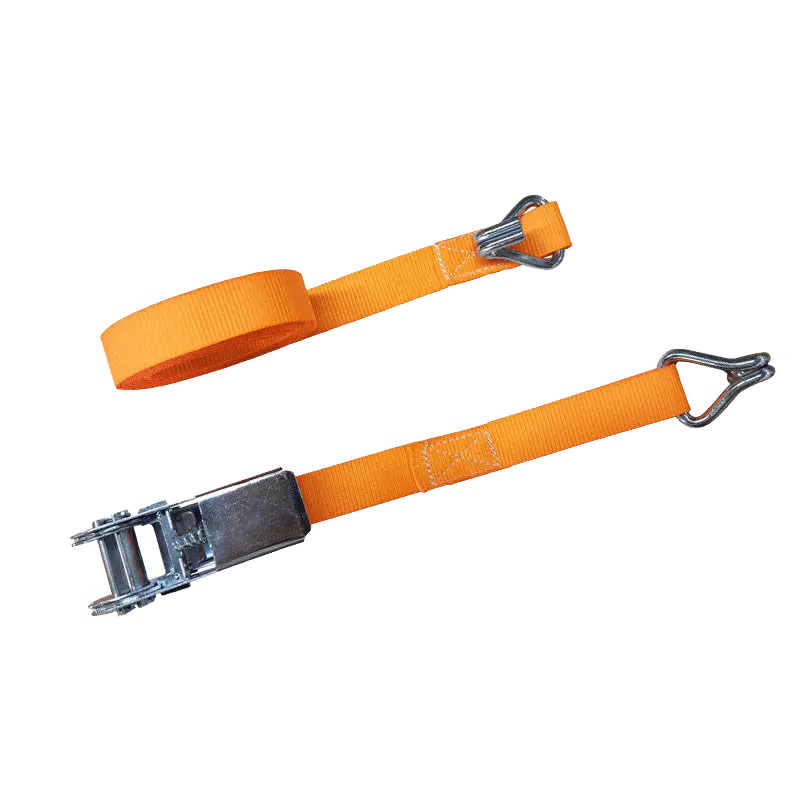
Ratchet tie-down 1000 lbs breaking strengthEASY OPERATION AND QUICK RELEASE: The coated handle features a release lever for easy operation and release...
See Details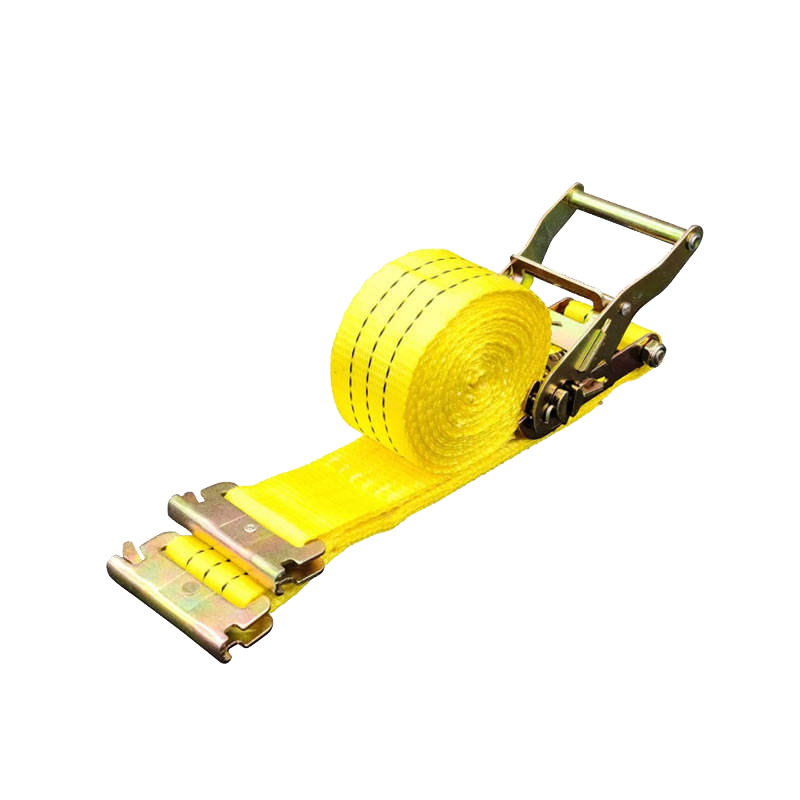
The 2" E Track ratcheting straps set is a true all-rounder, excelling in a diverse range of applications, making it an indispensable tool for any carg...
See Details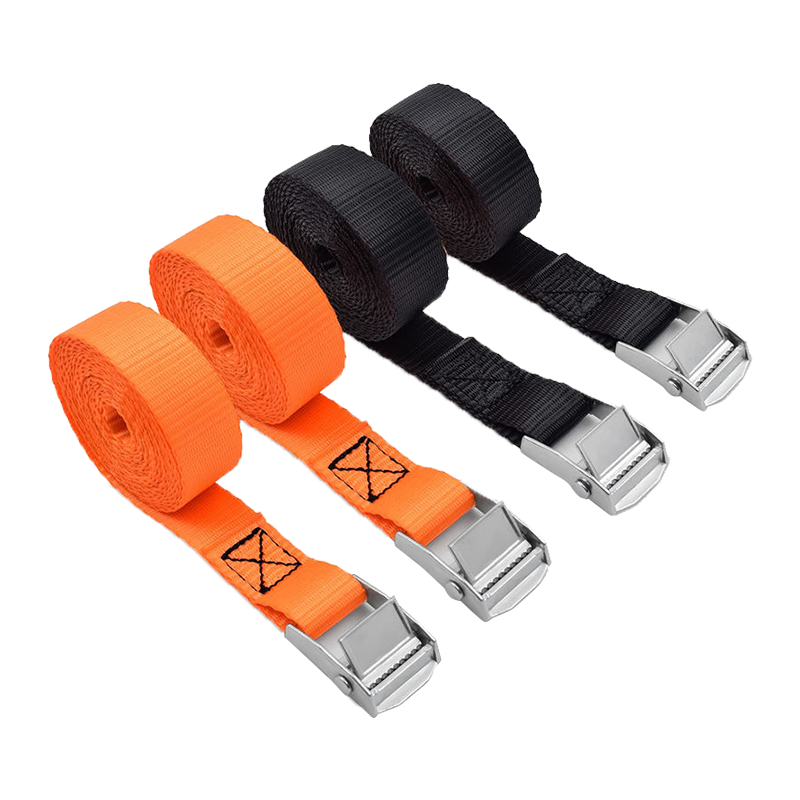
Adjustable Length: With a length of 12 feet, our strap offers flexibility to accommodate different cargo sizes. Easily adjust the length to achieve th...
See Details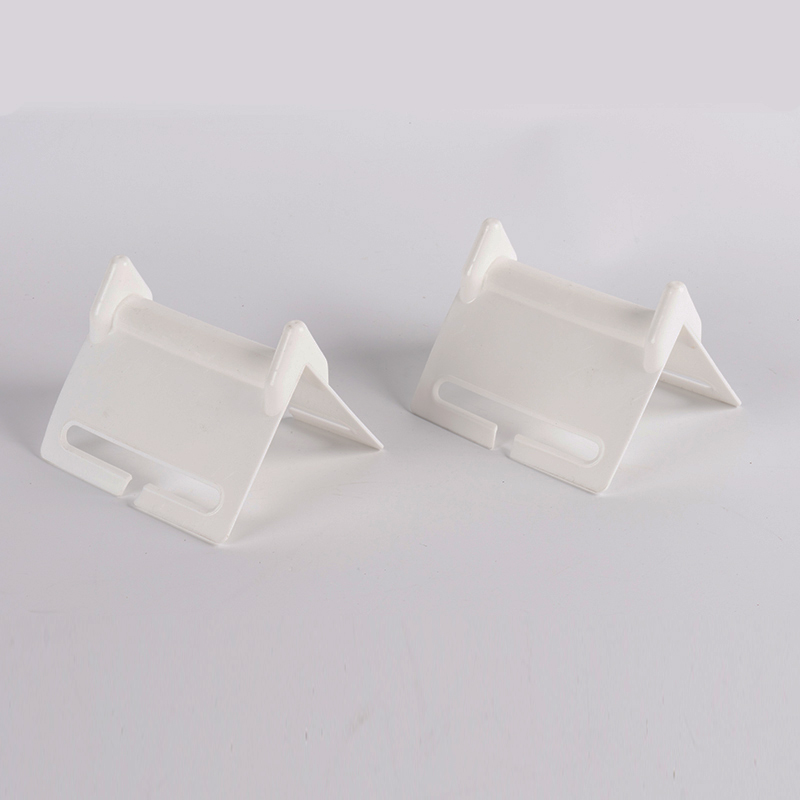
Made from high-quality plastic, our corner protectors protect against damage caused by straps and straps and are resistant to wear, tear and deformati...
See Details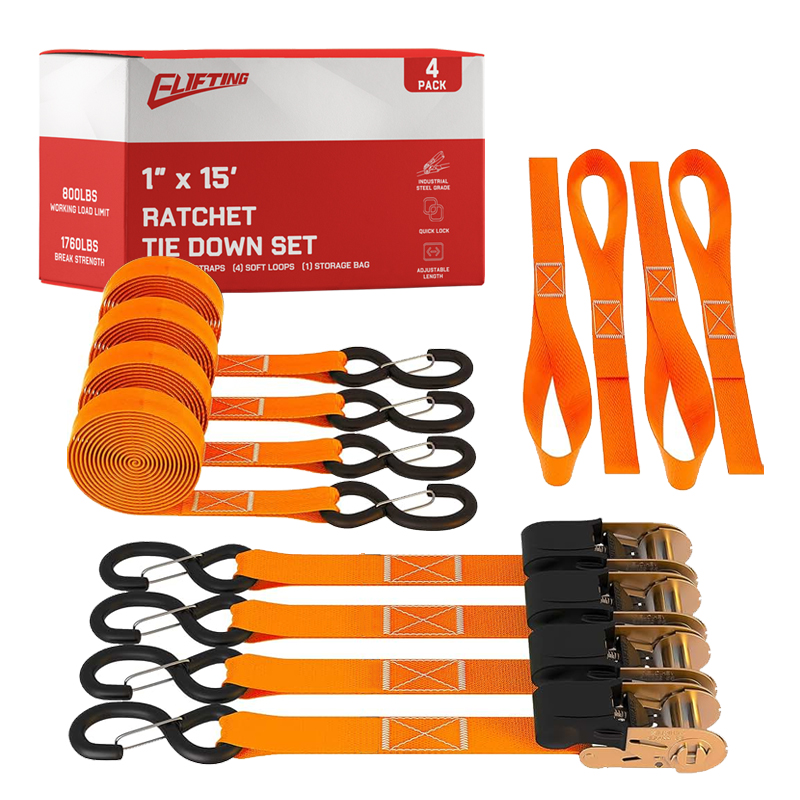
High Strength: Made from durable materials to ensure reliable securing force, suitable for binding and securing various heavy loads. Easy Operation:...
See Details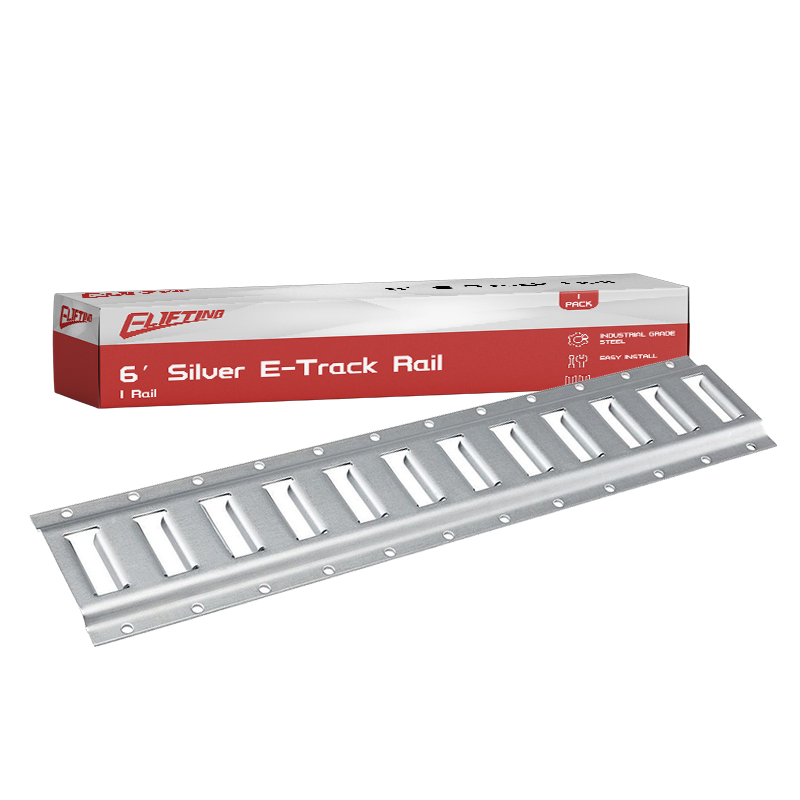
E-Track Rails is a rail system for securing cargo. It consists of a series of aluminum alloy or steel rails with slots, and with different accessories...
See Details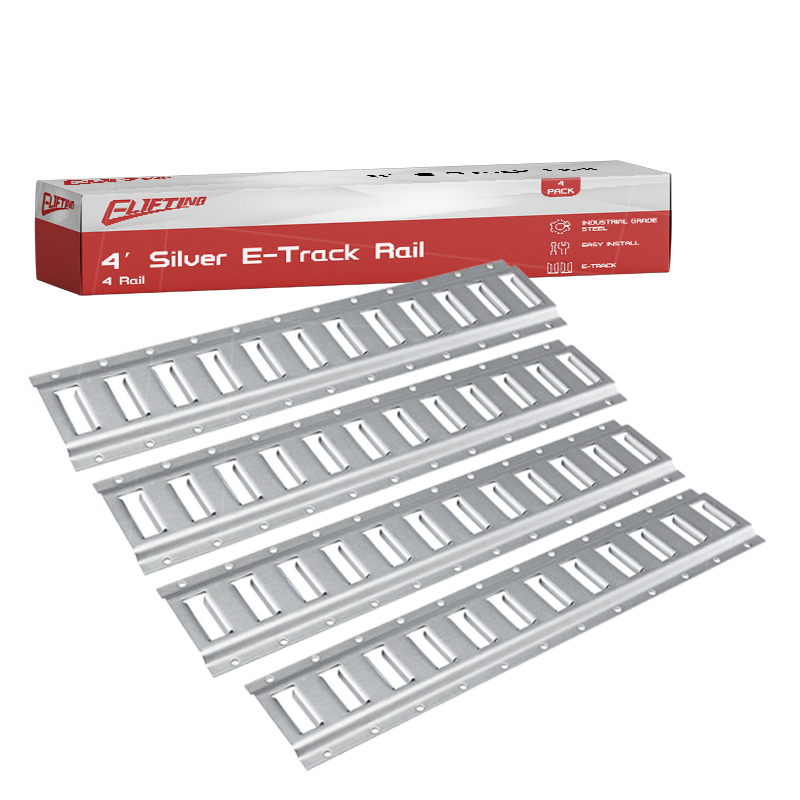
E-Track Rails is a rail system for securing cargo. It consists of a series of aluminum alloy or steel rails with slots, and with different accessories...
See Details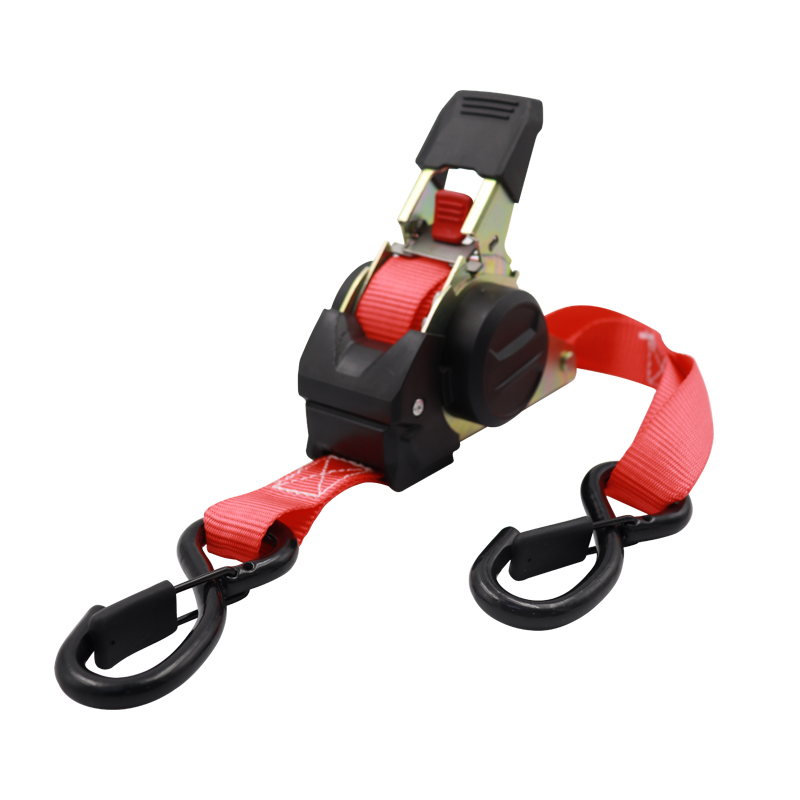
■ Instant automatic retractable strap - Easily retract excess strap length with the click of a button ■ Safety - With cushioning function, the strap ...
See Details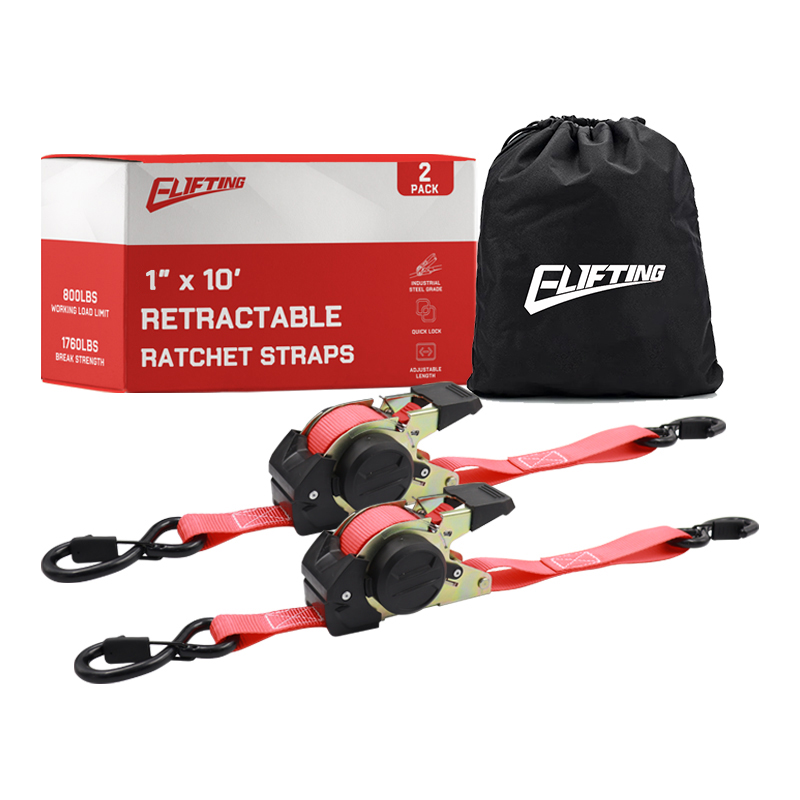
■ Instant automatic retractable strap - Easily retract excess strap length with the click of a button ■ Safety - With cushioning function, the strap ...
See Details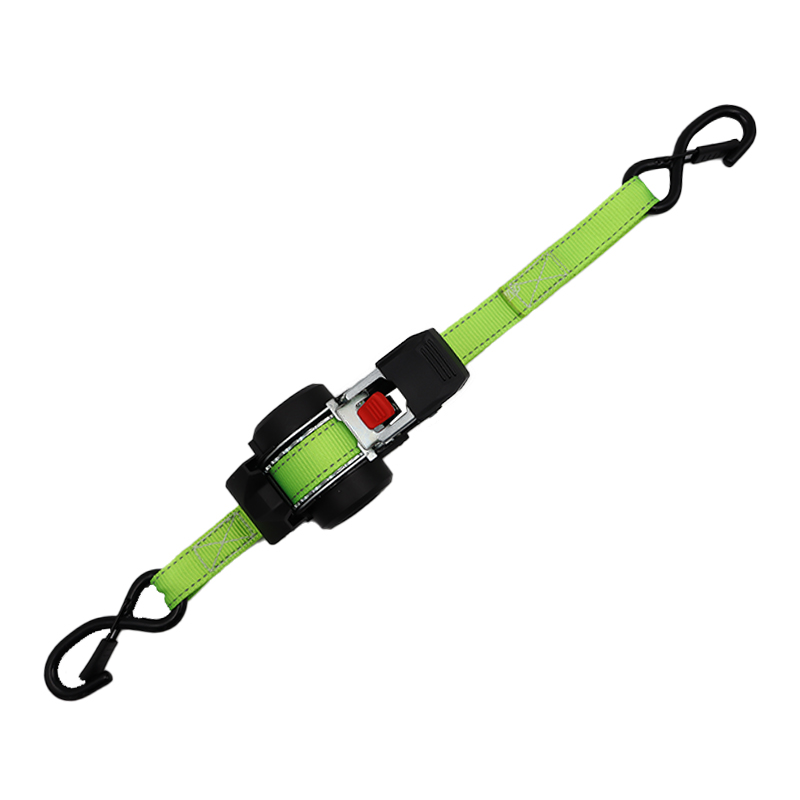
SAFER CONTROLLED RETRACTION - PREVENTS SNAP-BACK: Introducing our enhanced safety design! These retractable ratchet straps feature a built-in speed r...
See Details
Shangcheng Village, Tangxi Town, Ningbo, Zhejiang, China
+86 139 5782 7340
