


 English
 中文简体

1" X 20" Ratchet Tie Down With S hook
Cat:1″Ratchet Straps
Crafted from high-grade polyester webbing and robust steel or plastic ratchet buckles, our 1" x 20' ratchet strap can withstand even the demanding tas...
See DetailsRatchet tie down straps rarely fail because of the strap itself. They fail because of a twisted webbing, a hook that never seated properly, a sharp edge left unprotected, or a handle cranked well past what the cargo needed. Learn the correct sequence once, and every load afterwards takes less than a minute. The rhythm is always the same: anchor the fixed end, run the strap across the load, feed the loose tail through the ratchet mandrel, pull the slack out by hand, then pump the handle until the webbing is taut and the cargo cannot move. To release, open the handle fully to unload the pawl, lift the release latch, and unwind the webbing.
We manufacture ratchet straps, cam buckle straps, E-Track rails and corner protectors in Ningbo, China, and have supplied importers, trailer builders and logistics fleets since 2005. What follows is the same walkthrough we give a first-time buyer: how to choose the right width, how to thread the ratchet, how to tension a load without crushing it, and how to release the strap safely at the other end.
Content
Before threading anything, match the strap to the job. Three numbers matter: width, breaking strength and working load limit. A 1-inch strap with an S-hook is built for light, compact items; a 1.5-inch strap covers a wide middle range; a 2-inch strap with J-hooks is the workhorse for flatbeds and heavy palletized freight.
| Strap Width | Typical Breaking Strength | Best Suited To |
|---|---|---|
| 1 in (25 mm) | 1,600 lb with S-hook; 1,760 lb retractable models | Motorcycles, ATVs, mowers, light boxed freight, enclosed trailers |
| 1.5 in (38 mm) | 1,100 lb to 5,000 lb depending on the model | Mixed pallet loads, utility trailers, medium industrial cargo |
| 2 in (50 mm) | 5,000 lb with J-hook; heavy-duty double J-hook versions | Flatbeds, tractors, building materials, trailer loads |
The end fitting matters as much as the webbing. J-hooks bite into a stake pocket or D-ring; S-hooks clip over a rail; soft loops wrap around a fork or frame without scratching it. If the cargo changes shape between two anchoring systems, E-Track rails with matching E-Track straps give you a repeating anchor point along the trailer wall, which suits logistics and transportation work where the load is different every day.
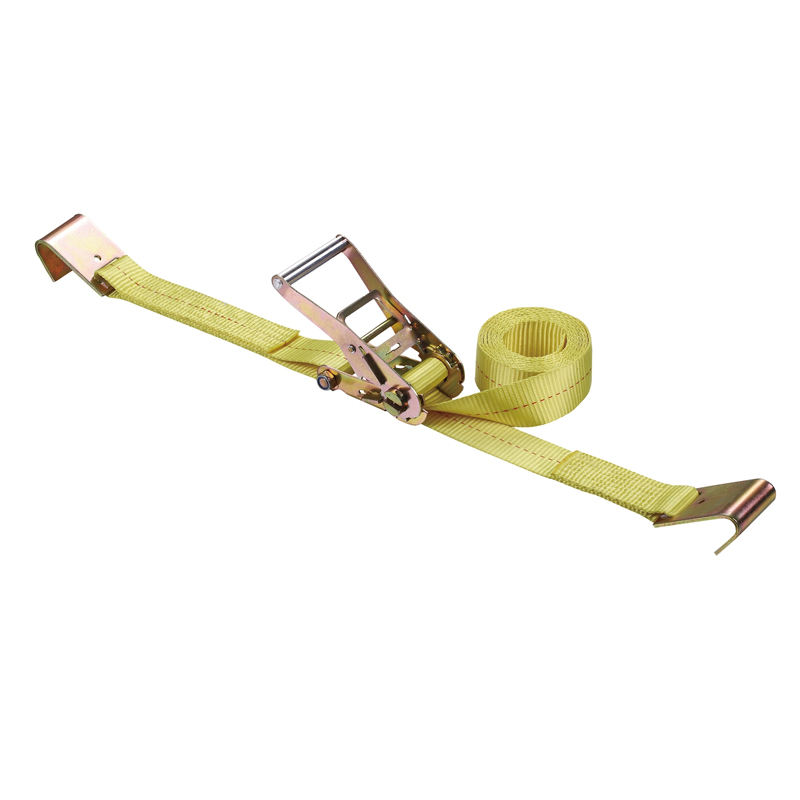 2" X15" Ratchet Strap Tie Down 5000lb J HookProduct specifications Width 2 inch Length 15 FT or Customized Working Strength 5000LBS Breaking Strength 11000 LBS Material Polyester Strap Type Ratchet End Fitting J...View Product →
For short trips and light cargo, an auto-retract strap removes most of the threading work altogether. The webbing rewinds into the housing, so there is nothing loose to coil, tuck or store between jobs.
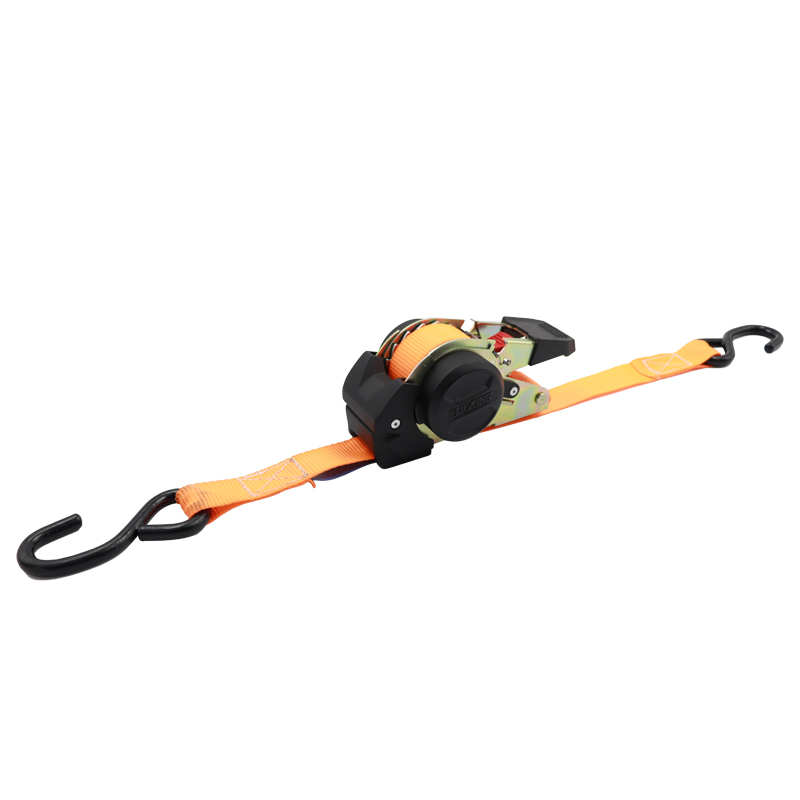 Easylifting 1 inch X 10 ft Retractable automatic ratchet strap2" X15" Ratchet Strap Tie Down 5000lb J HookView Product →
Tie-down practice generally assumes a working load limit of about one-third of the published breaking strength. That margin exists for shock, vibration, temperature swings and the wear that accumulates over hundreds of trips. If your cargo weighs 1,500 lb, a single 2-inch strap rated at 5,000 lb breaking strength is not automatically enough: the anchor points, the hooks, the webbing condition and the angle of the strap all take a share of the load. Use two straps wherever one feels marginal, and re-check tension after the first few miles, once the load has settled into place.
Webbing loses strength wherever it bends around a sharp edge, and a cut strand never recovers. A 24-inch corner protector spreads that pressure across a wide, rounded surface, which matters on steel beams, aluminum extrusion, concrete and stone. If a strap has to cross a rough surface, add protection before you tension it, not after something starts to fray.
A knot concentrates stress on a small section of webbing and can cut capacity dramatically. If the strap is too long, wrap the excess back and forth between the anchor and the ratchet, or simply use a shorter strap for the job.
Sand, salt and grit chew the teeth, and worn teeth slip under load. Rinse the ratchet after coastal or winter work, dry it, and put a drop of light oil on the pivot. If the handle moves freely when it should grip, retire the assembly.
UV and moisture are the two quiet killers of webbing. Coil the strap loosely, hang it indoors, and replace any strap whose webbing has faded to a chalky grey or whose stitching is pulling away from the hook.
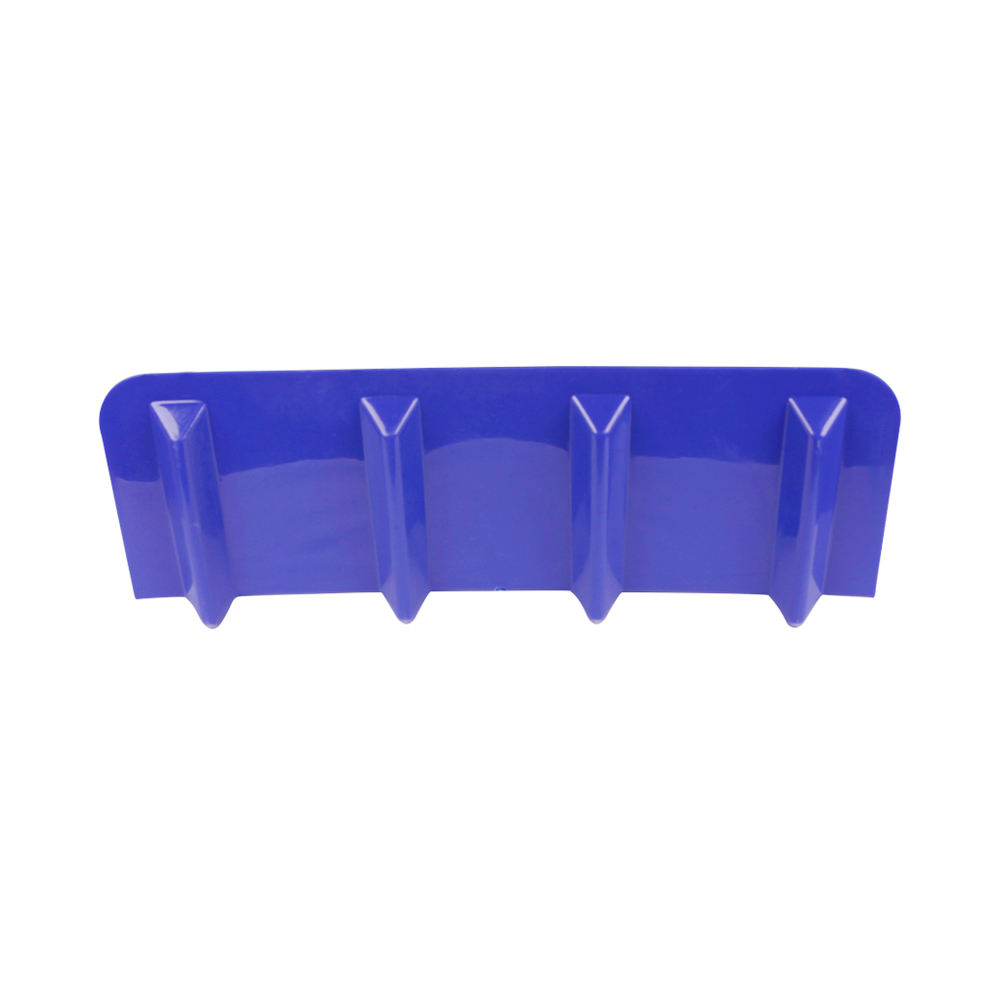 24 Inch Plastic Corner Protector For Flatbed Cargo LoadProduct specifications Width 11.6 inch Length 24 inch Depth 5.5 inch Material Plastic Color Blue or Customized Quantity 1 PackView Product →
Nearly every problem we hear about comes back to the same short list. Here is the correction for each one.
| What Goes Wrong | The Fix |
|---|---|
| Webbing is twisted when the ratchet tightens | Flatten the strap before cranking; a twist loads only a few fibers and quietly reduces capacity. |
| The hook is on the anchor but not seated | Seat it so the pull comes against the closed side, and anchor to a rated point rather than sheet metal or a thin rail. |
| The strap runs straight over a sharp corner | Fit a plastic corner protector; it spreads pressure and stops the webbing from being cut. |
| The handle is cranked until the cargo creaks | Stop once the load is secure; extra tension damages cargo and can loosen again once the trailer flexes. |
| The strap is stored wet, knotted or in direct sun | Dry it, coil it loosely and hang it indoors; knots and UV damage both cost strength. |
| A tie-down is used for lifting or supporting a person | Never. Tie-downs secure loads only; lifting and fall protection require certified equipment. |
Threading a ratchet strap is a small skill with a long reach. It decides whether your cargo arrives in one piece, whether your trailer stays balanced on the highway, and whether the webbing you bought lasts five trips or five hundred. Anchor the fixed end to something rated, protect every edge, keep the webbing flat, tension by hand first, and crank only until the load is secure.
If you would like to see how different strap styles map onto real jobs, our notes on common ratchet strap applications cover motorcycles, flatbeds, warehouse racking and emergency work. And if you need a specific length, hook type, colour or breaking strength, we build to order.
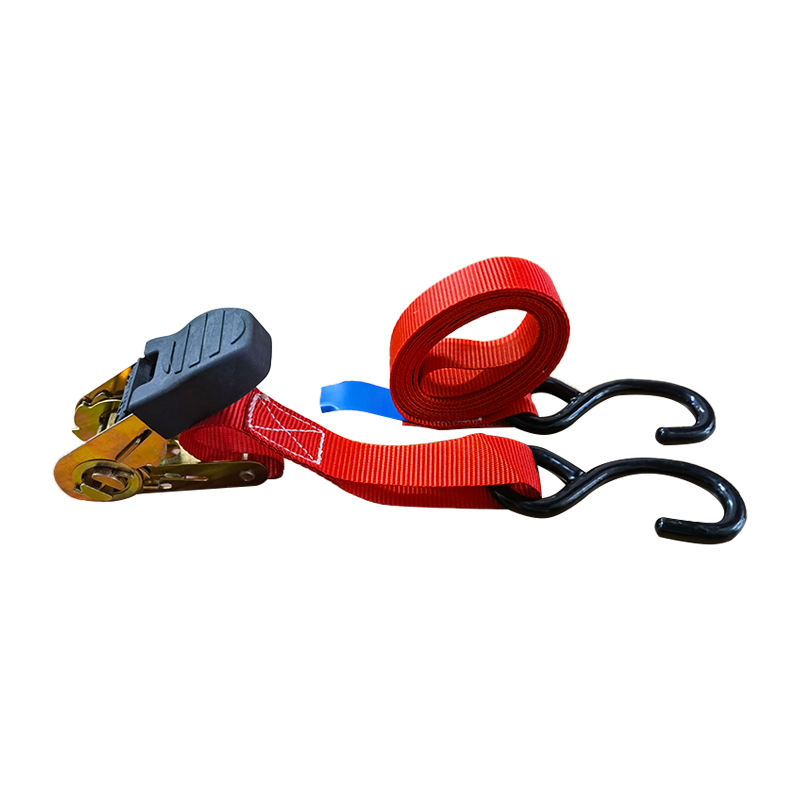
Crafted from high-grade polyester webbing and robust steel or plastic ratchet buckles, our 1" x 20' ratchet strap can withstand even the demanding tas...
See Details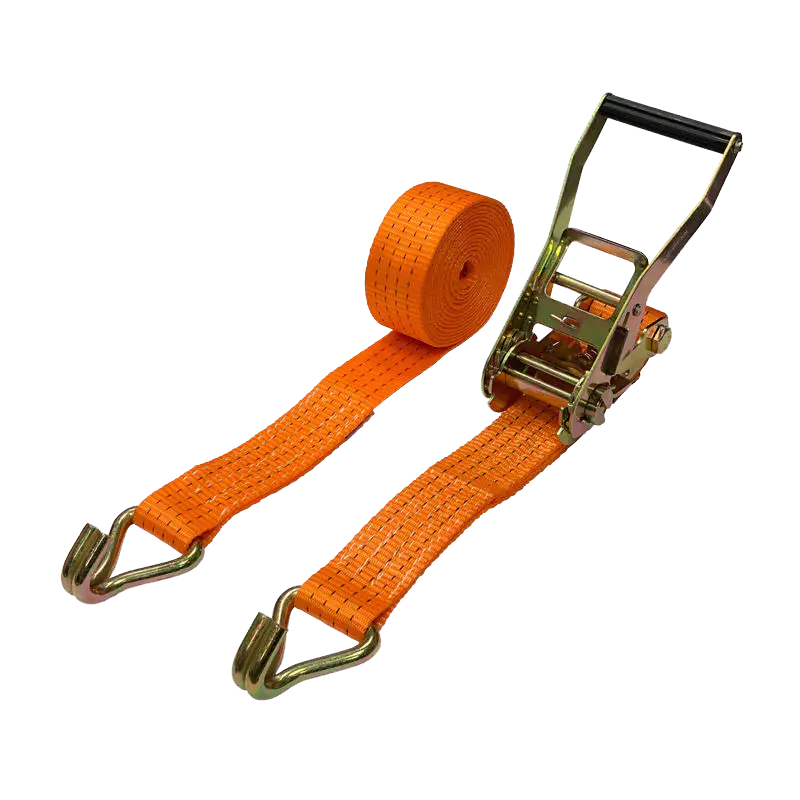
The 2" x 15' ratchet strap is a true all-rounder, adapting to a wide range of applications: Secure cargo in a truck bed: Keep your belongings safely i...
See Details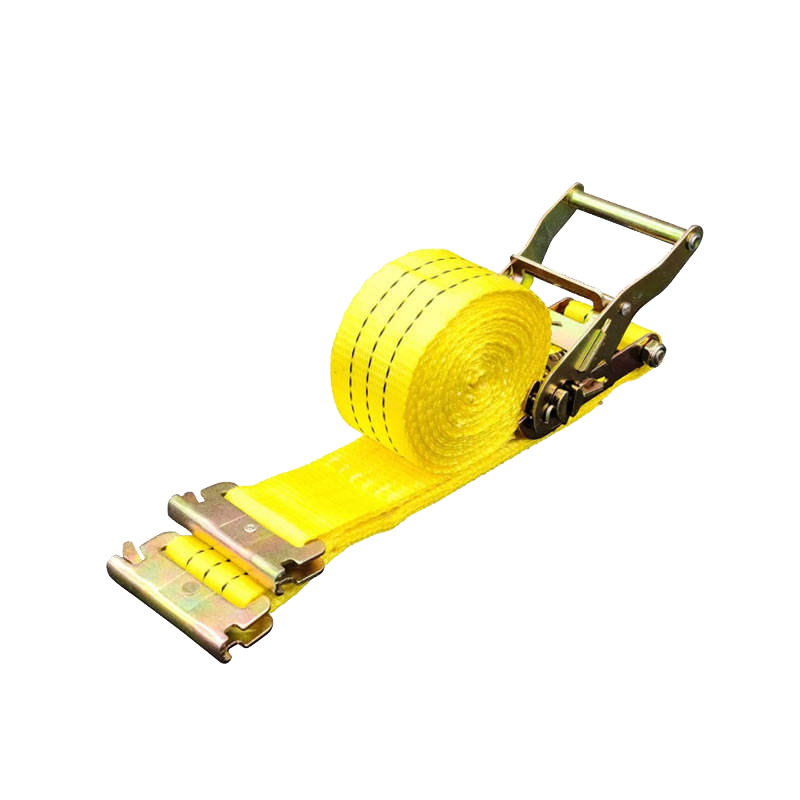
The 2" E Track ratcheting straps set is a true all-rounder, excelling in a diverse range of applications, making it an indispensable tool for any carg...
See Details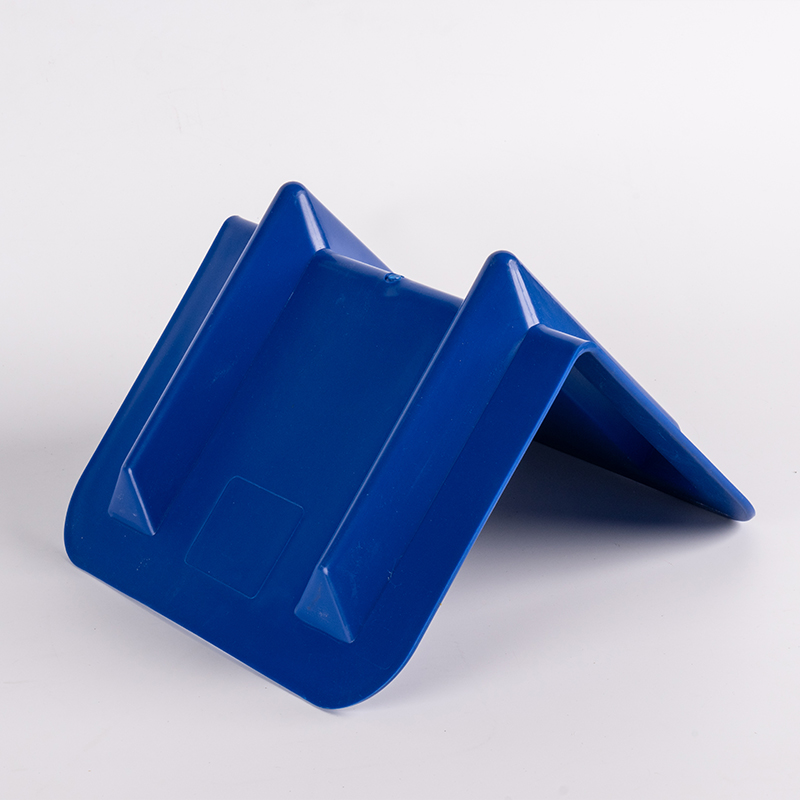
Corner protector shields drywall, plywood sheeting, and much more from damage during loading and transport. High density polyethylene is flexible, so ...
See Details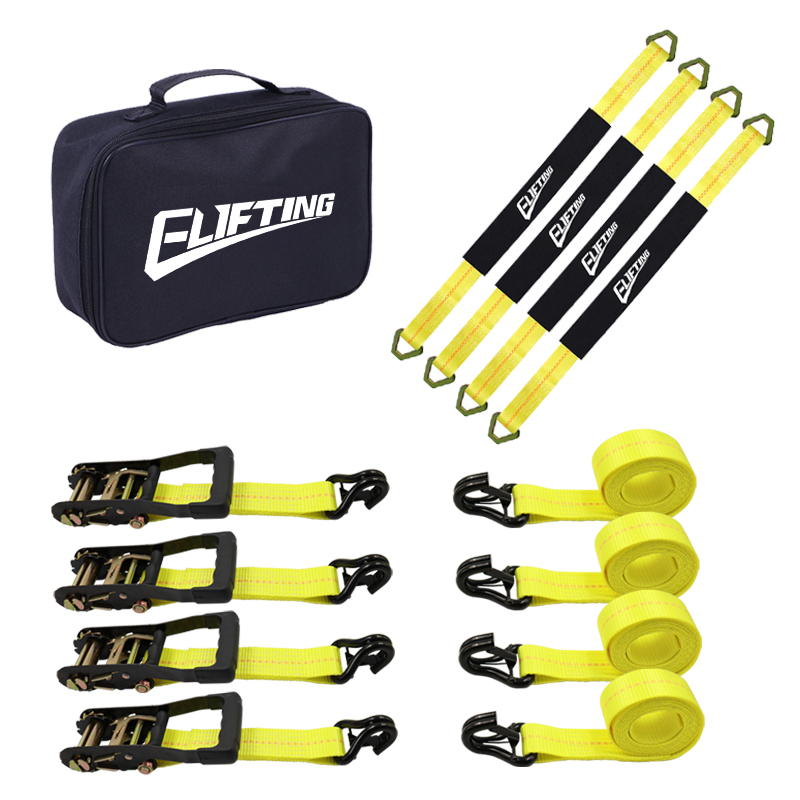
Tie Down Axle Straps Set is a set of high-strength straps designed for securing and stabilizing heavy loads during transportation. Made from durable p...
See Details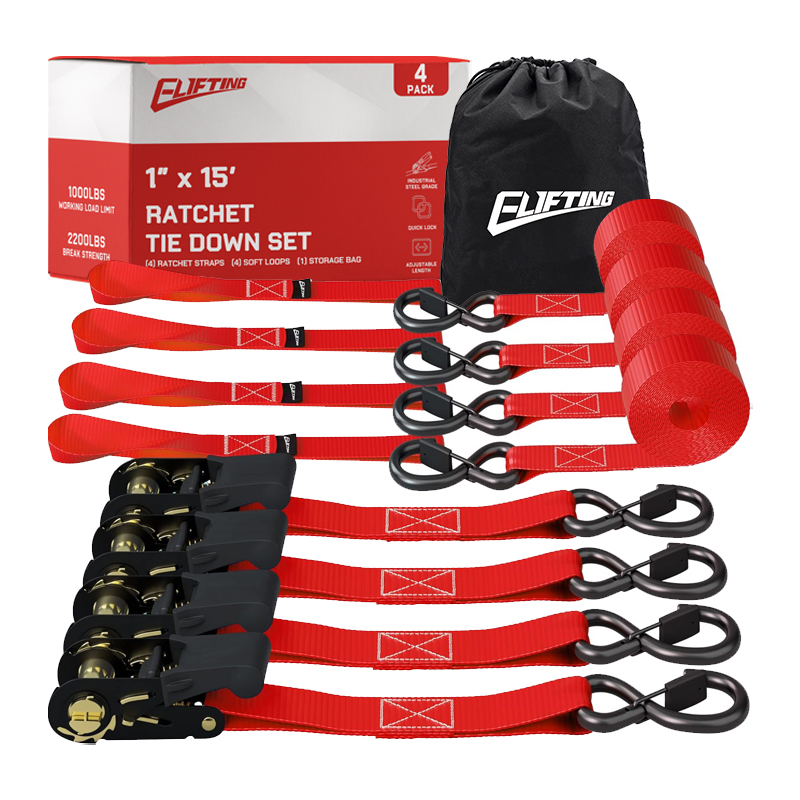
High Strength: Made from durable materials to ensure reliable securing force, suitable for binding and securing various heavy loads. Easy Operation:...
See Details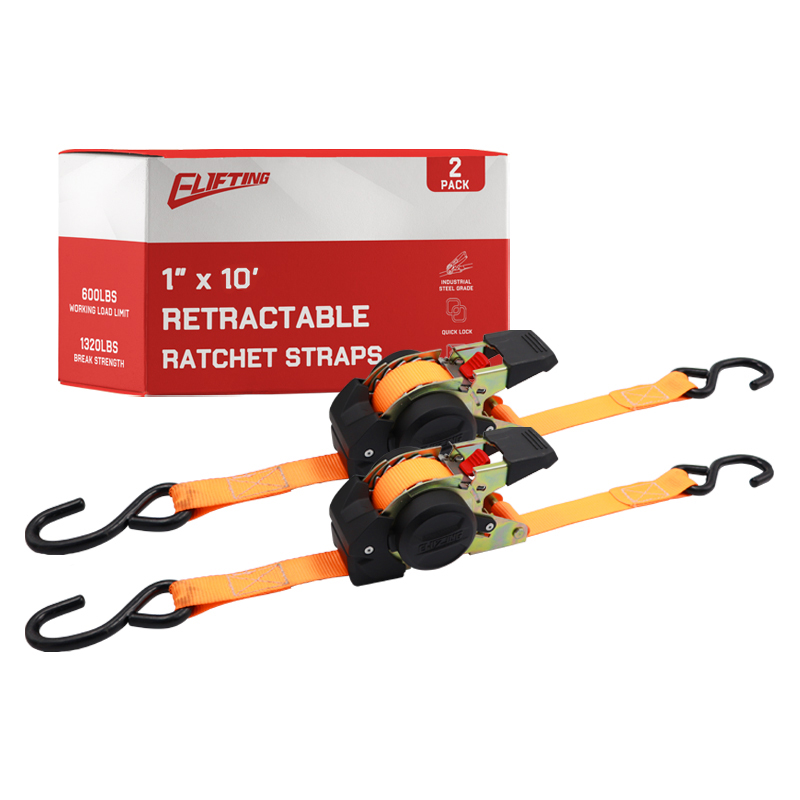
■ Instant automatic retractable strap - Easily retract excess strap length with the click of a button ■ Safety - With cushioning function, the strap ...
See Details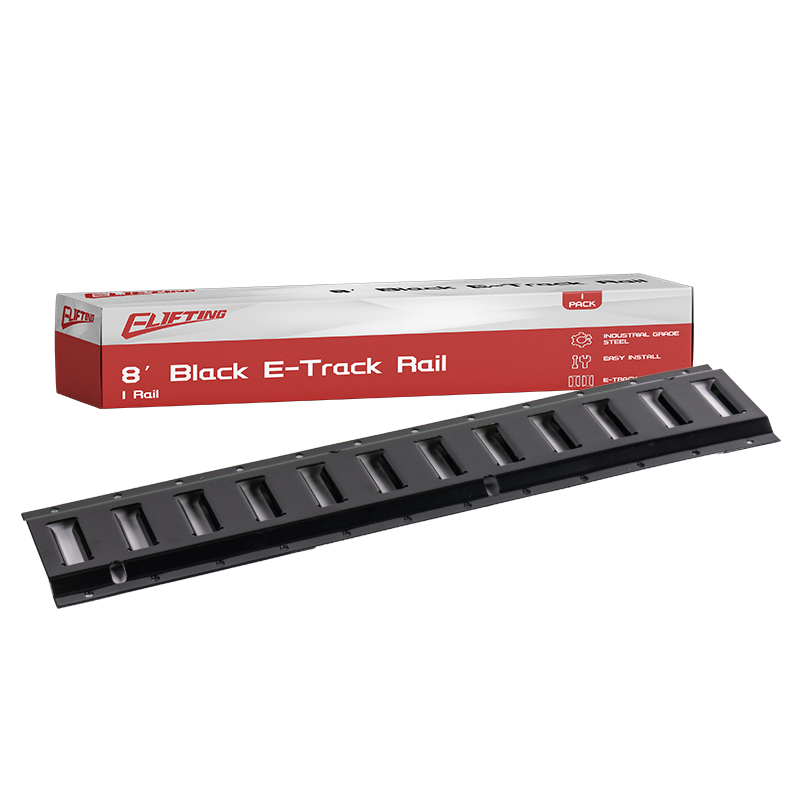
E-Track Rails is a rail system for securing cargo. It consists of a series of aluminum alloy or steel rails with slots, and with different accessories...
See Details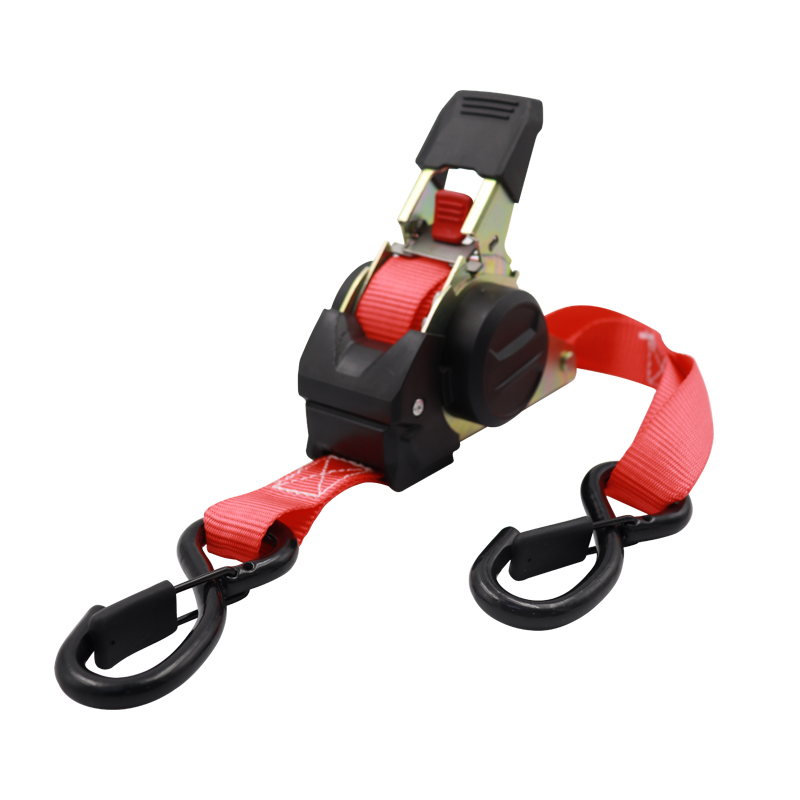
■ Instant automatic retractable strap - Easily retract excess strap length with the click of a button ■ Safety - With cushioning function, the strap ...
See Details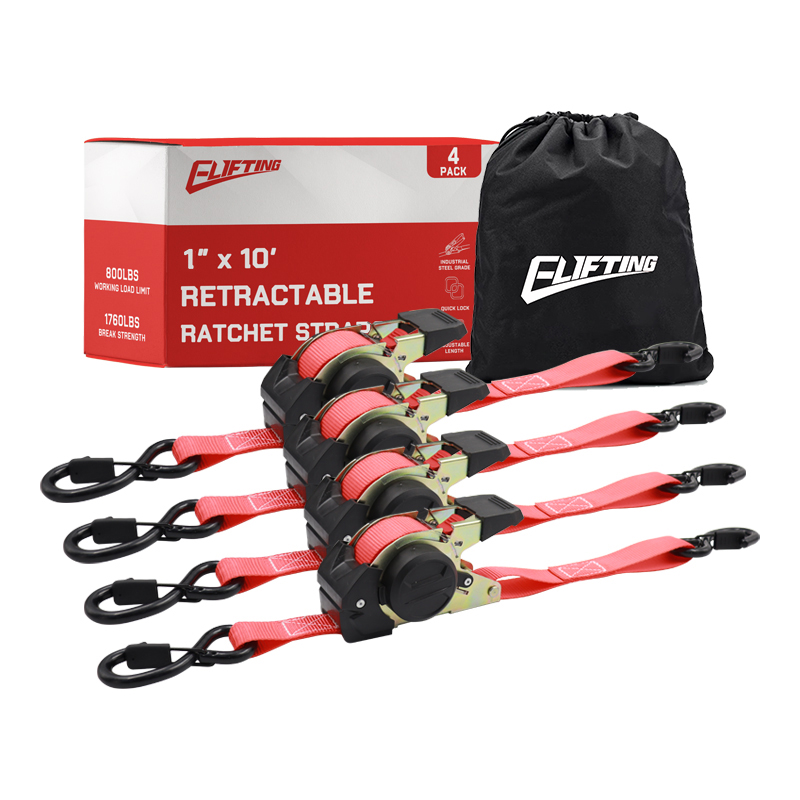
■ Instant automatic retractable strap - Easily retract excess strap length with the click of a button ■ Safety - With cushioning function, the strap ...
See Details
Shangcheng Village, Tangxi Town, Ningbo, Zhejiang, China
+86 139 5782 7340
