


 English
 中文简体

1" X 20" Ratchet Tie Down With S hook
Cat:1″Ratchet Straps
Crafted from high-grade polyester webbing and robust steel or plastic ratchet buckles, our 1" x 20' ratchet strap can withstand even the demanding tas...
See DetailsContent
First, put one hand on the handle and the other on the loose end of the webbing. Press the release tab fully, pull a little webbing toward you, and lower the handle slowly. The strap should go slack in small steps, not snap open. That is the whole release in plain terms: hold tension with your hand, open the ratchet, and let the drum turn backward under control.
Our team has been making cargo securement hardware in Ningbo since 2005, and we still see the same release problem across logistics and transportation teams: the load is fine, the ratchet is fine, but the release happens too fast. A rushed release can pinch fingers, whip a hook, or shift a load. A calm release protects the webbing, the hardware, and the people nearby.
| What you notice | Likely cause | First safe move | Avoid |
|---|---|---|---|
| Handle lifts but webbing stays tight | Release tab is not fully open, or the pawl is still engaged | Press the tab fully and pull a few inches of webbing toward the drum | Forcing the handle up and down |
| Webbing will not pull through the spool | Strap is loaded against the drum or packed tightly in the spool | Open the handle slightly, pull the webbing away from the drum, and work the mechanism backward | Prying the spool with a screwdriver |
| Release tab feels jammed | Dirt, rust, ice, or a bent pawl | Clean and inspect the mechanism, wear gloves, and tap lightly only if needed | Hitting the ratchet with a hammer |
| Strap snaps back when released | Stored tension and no hand control on the webbing | Keep a firm hold on the webbing and lower the handle slowly | Releasing at arm's length or letting go |
| No room to pull the tail | The loose end is too short or trapped against the load | Open the handle slowly while pressing the tab, or ask a helper to support the load | Cutting a tensioned strap unless it is a trained emergency action |
Pull, hold, release - never snap. A ratchet strap is a tension device, not a quick-release buckle. The handle gives you leverage, but the webbing gives you control. If you simply flip the release tab and let go, the drum can spin, the hook can swing, and the load can move before you are ready.
For heavy cargo, use a strap rated for the load and check the release path before you tighten it. A heavy-duty ratchet with a long enough tail is easier to undo because you have room to grip the webbing and ease the handle down. That is why our 2 in x 15 ft heavy-duty ratchet tie-down straps are built for daily cargo control rather than one-time use.
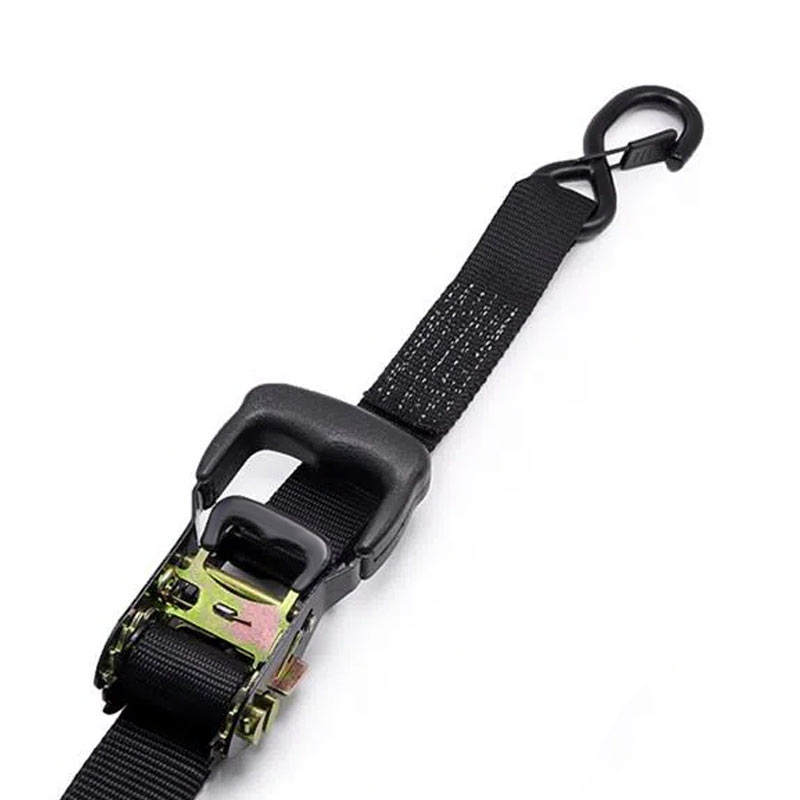 2 in x 15 ft Heavy Duty Ratchet Tie-Down StrapsFor daily heavy cargo control, these 2 in x 15 ft polyester ratchet straps offer 5,000 lb working and 11,000 lb breaking strength.View Product →
The release tab lifts the pawl away from the gear. The handle then moves, but the drum only turns when the webbing allows it. If the strap is under load, the drum wants to turn backward fast. Your hand on the webbing acts like a brake. Pulling toward you also frees a strap that has pressed itself tightly against the spool.
If the strap is jammed in the spool, do not pull harder or hit the handle. Open the ratchet a little, take pressure off the drum, and turn the spool backward by hand. If the webbing is tangled, remove the hook, relax the strap, and untwist the webbing before you try again. For trailer decks and mixed loads, a 1.5 in x 8 ft J-hook ratchet strap gives you a manageable tail and a clear release path when it is not overloaded.
 1.5 in x 8 ft J-Hook Ratchet StrapsFor trailer decks and mixed loads, this 1.5 in x 8 ft ratchet strap has a manageable tail, J hook, and 5,000 lb breaking strength.View Product →
| Mistake | What happens | Better move |
|---|---|---|
| Yanking the handle before pressing the tab | The pawl grinds against the gear and the strap jams | Press the tab fully, then pull a little webbing |
| Letting go of the webbing | The hook whips and the load can shift | Keep two hands on the strap and lower the handle slowly |
| Forcing a jammed spool with a tool | The pawl bends or the webbing gets cut | Remove tension, clean the mechanism, and cycle it by hand |
| Releasing on a slope without chocks | The cargo moves as soon as tension drops | Stabilize the load and use a helper before releasing |
| Storing the strap under tension | The webbing takes a set and the next release is harder | Relax the strap and coil it loosely after use |
Keep hands, fingers, and your face out of the path of the handle and hook. A loaded strap stores energy. Release it slowly, keep the load chocked, and never cut a tensioned strap unless there is no safer option and you are trained for that task. If the ratchet is damaged, bent, or missing parts, stop using it. Replace the strap or the ratchet assembly rather than forcing a release that could fail under load.
The best release is boring: two hands, clear footing, and a strap that goes slack in small steps. Practice the sequence on an unloaded strap first, then use it every time you undo a ratchet strap on a truck, trailer, or flatbed.
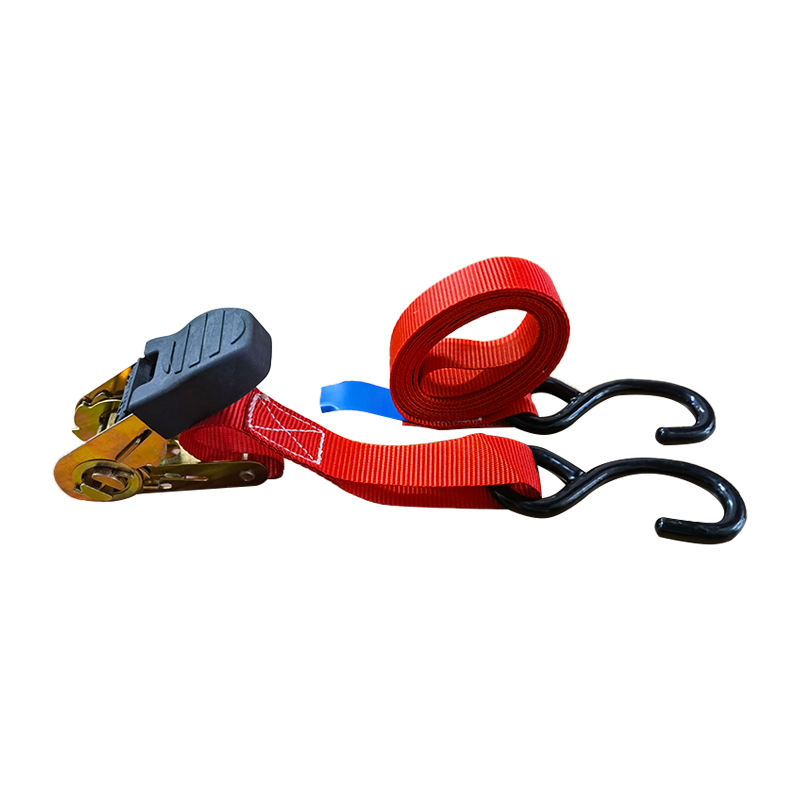
Crafted from high-grade polyester webbing and robust steel or plastic ratchet buckles, our 1" x 20' ratchet strap can withstand even the demanding tas...
See Details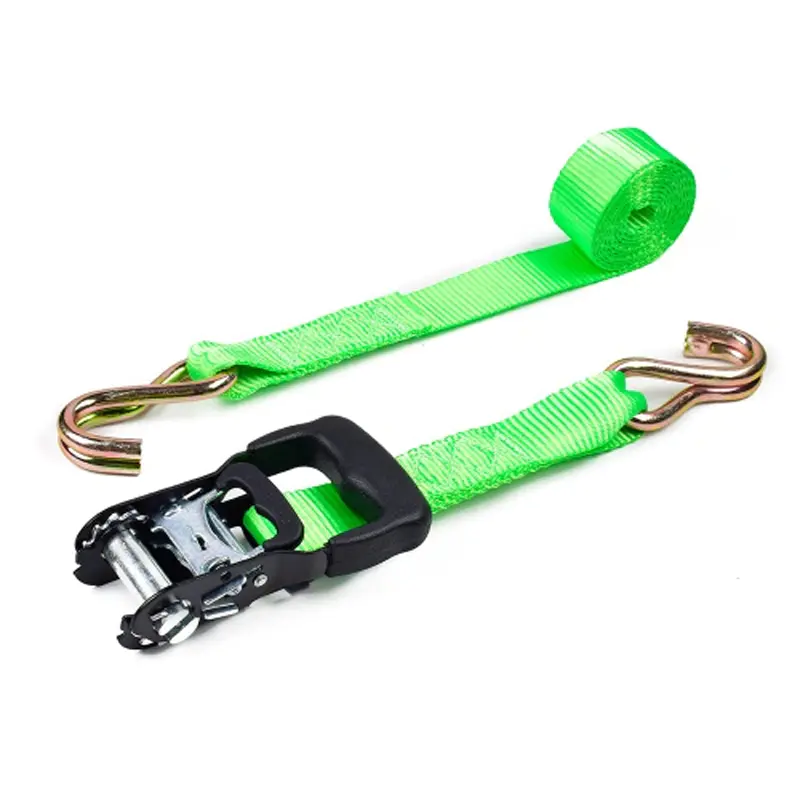
HEAVY DUTY: 1.5-inch webbing width & 15-foot length with a 4400LB breaking strength & 2200LB working load limitDURABLE: corrosion-resistant, z...
See Details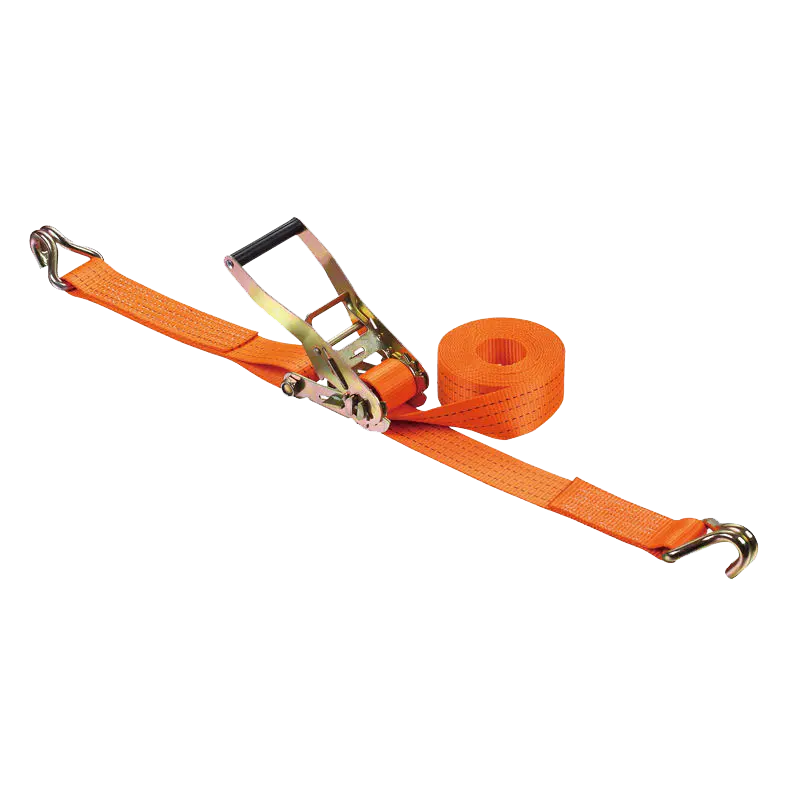
The ingenious ratchet buckle mechanism makes tightening and releasing the strap a breeze. Simply thread the strap through the buckle, pull the webbing...
See Details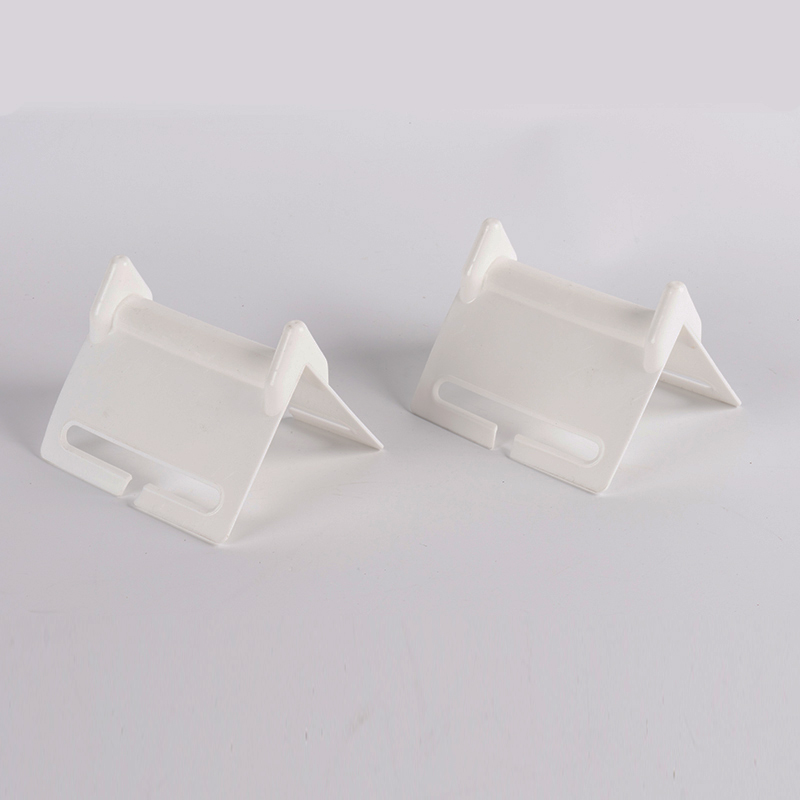
Made from high-quality plastic, our corner protectors protect against damage caused by straps and straps and are resistant to wear, tear and deformati...
See Details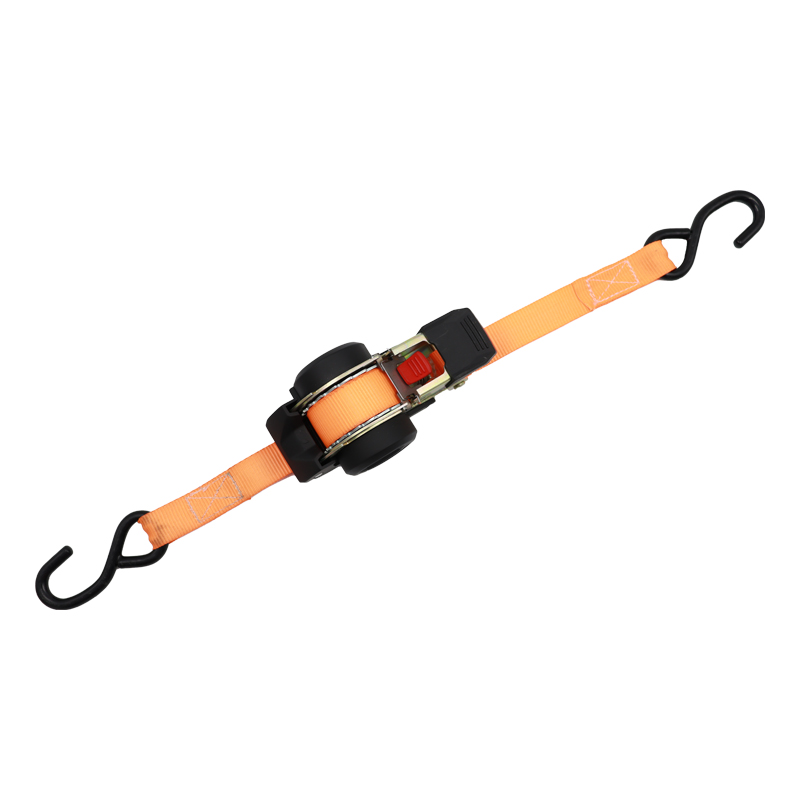
■ Instant automatic retractable strap - Easily retract excess strap length with the click of a button ■ Safety - With cushioning function, the strap ...
See Details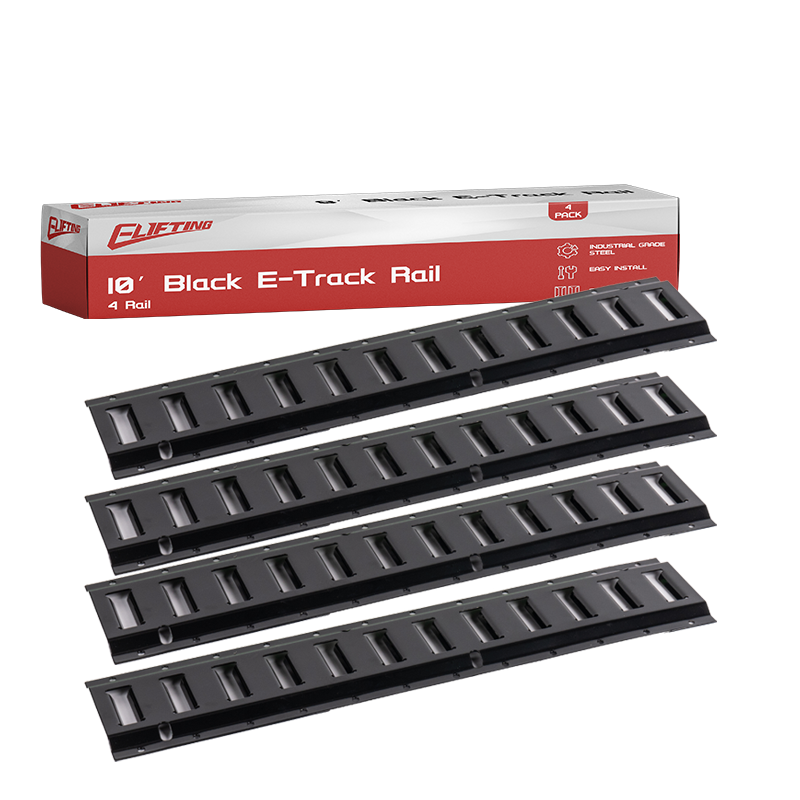
E-Track Rails is a rail system for securing cargo. It consists of a series of aluminum alloy or steel rails with slots, and with different accessories...
See Details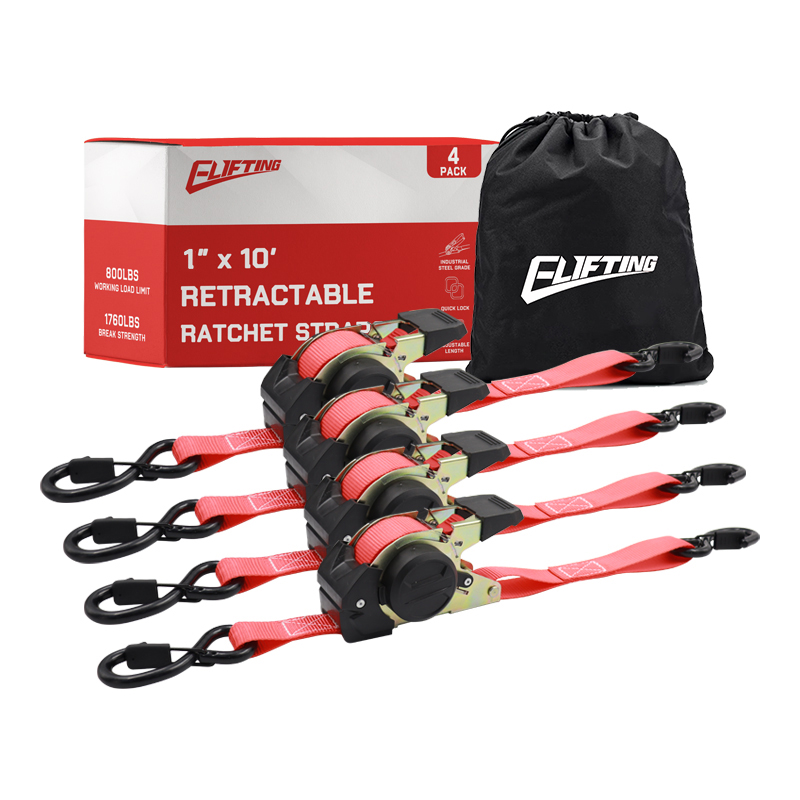
■ Instant automatic retractable strap - Easily retract excess strap length with the click of a button ■ Safety - With cushioning function, the strap ...
See Details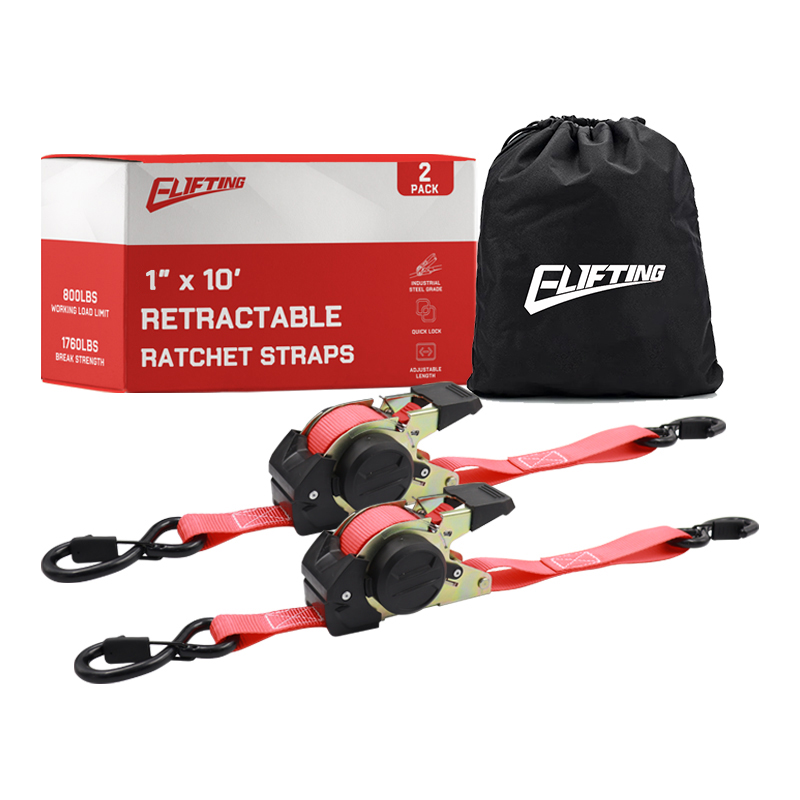
■ Instant automatic retractable strap - Easily retract excess strap length with the click of a button ■ Safety - With cushioning function, the strap ...
See Details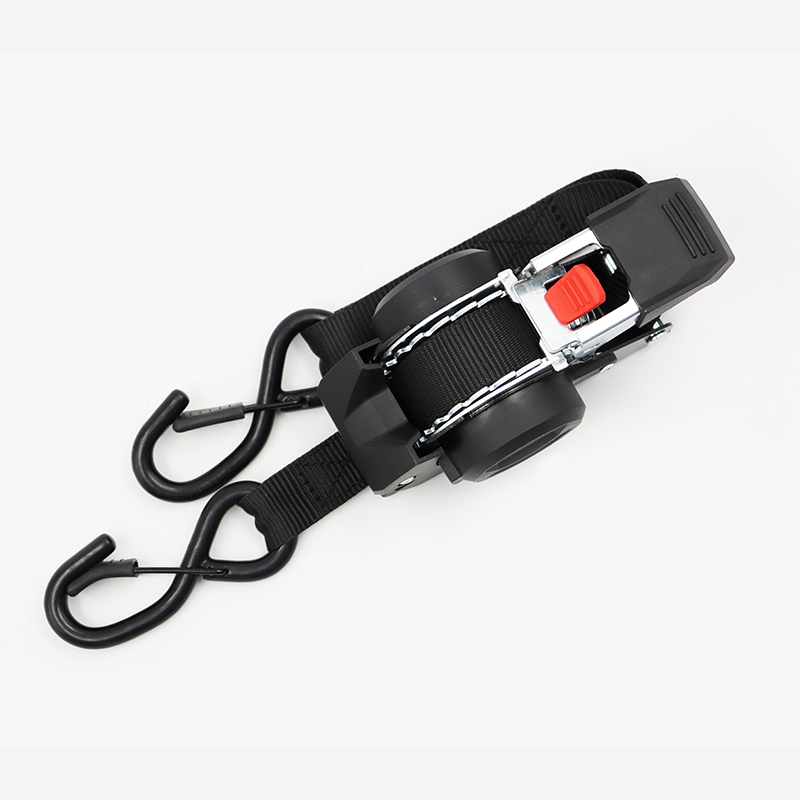
SAFER CONTROLLED RETRACTION - PREVENTS SNAP-BACK: Introducing our enhanced safety design! These retractable ratchet straps feature a built-in speed r...
See Details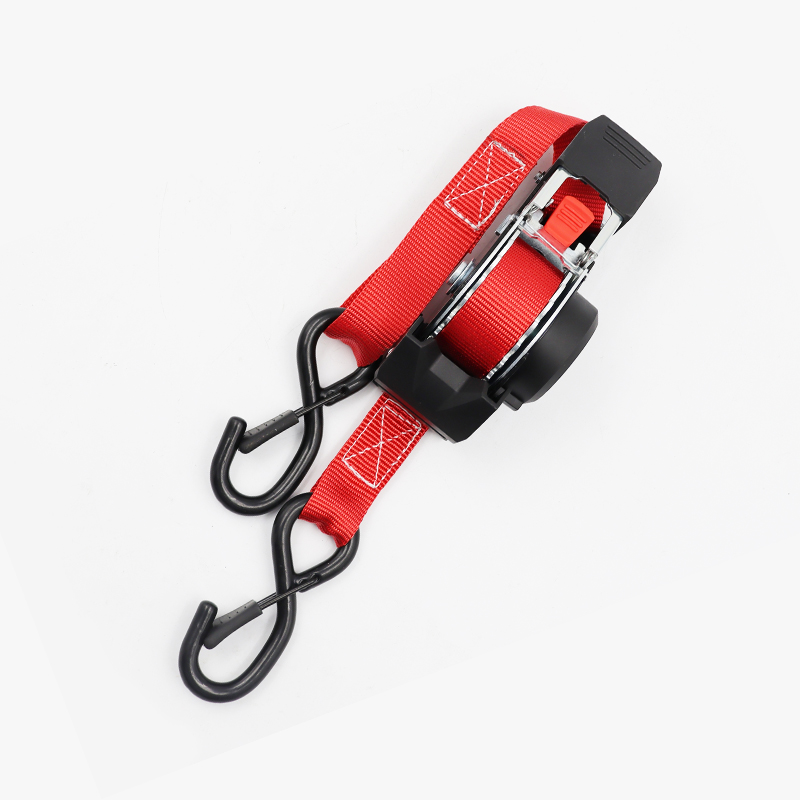
SAFER CONTROLLED RETRACTION - PREVENTS SNAP-BACK: Introducing our enhanced safety design! These retractable ratchet straps feature a built-in speed r...
See Details
Shangcheng Village, Tangxi Town, Ningbo, Zhejiang, China
+86 139 5782 7340
