


 English
 中文简体
中文简体
1.5"x15" heavy duty ratchet straps With J Hook
Cat:1.5 Inch Ratchet Straps
HEAVY DUTY: 1.5-inch webbing width & 15-foot length with a 4400LB breaking strength & 2200LB working load limitDURABLE: corrosion-resistant, z...
See DetailsQuick Answer
When buying tie down straps, the five features that determine whether your cargo stays safe are: Working Load Limit (WLL) and Break Strength rating, ratchet mechanism quality, webbing material and weather resistance, hook type and attachment security, and strap length and width relative to your load. Getting all five right ensures reliable, regulation-compliant cargo control whether you are securing a motorcycle, moving furniture, or loading a trailer for a long haul.
Content
Improperly secured cargo is one of the leading causes of road accidents involving trucks, trailers, and pick-up vehicles. In the United States alone, road debris from unsecured loads contributes to more than 200,000 accidents per year. In most jurisdictions, the driver and operator are legally responsible for ensuring cargo is secured to an appropriate standard — making the quality of your tie down straps a safety and legal issue, not just a convenience one.
A versatile tie down straps set designed for transporting and securing various items needs to do three things simultaneously: hold the load against the forces of acceleration, braking, and cornering; prevent lateral shifting; and maintain tension throughout the journey without loosening due to vibration or temperature change. Only the right combination of strap specifications achieves all three.
This guide walks through the five features that experienced transport operators check before every job — so you can apply the same standards to your next purchase, whether you need a motorcycle tie down strap kit, cargo securing straps for a trailer, or a general-purpose adjustable ratchet strap set for mixed load types.
Every legitimate tie down strap carries two strength ratings: the Working Load Limit (WLL) and the Minimum Break Strength (MBS). The WLL is the maximum load the strap is rated to secure under normal operating conditions. The MBS — typically three times the WLL — is the point at which the strap will fail under laboratory tensile testing. For road transport, you should never select straps whose combined WLL is less than half the weight of the cargo being secured.
| Strap Width | Typical WLL | Typical MBS | Common Use Case |
|---|---|---|---|
| 1 inch (25mm) | 500 lbs / 227 kg | 1,500 lbs / 680 kg | Bicycles, light equipment |
| 1.5 inch (38mm) | 1,000 lbs / 453 kg | 3,000 lbs / 1,360 kg | Motorcycles, ATV, small loads |
| 2 inch (50mm) | 3,333 lbs / 1,511 kg | 10,000 lbs / 4,536 kg | Heavy equipment, vehicles |
| 4 inch (100mm) | 5,400 lbs / 2,449 kg | 16,200 lbs / 7,348 kg | Heavy machinery, large trailers |
Working Load Limit by Strap Width (lbs)
Wider straps distribute load force over a greater surface area, increasing WLL and reducing localised pressure on sensitive cargo.
When purchasing heavy duty ratchet tie downs, always look for a clearly printed WLL label on the strap itself — not just on the packaging. Straps without permanent, legible load ratings should be avoided regardless of the seller's claims, as they cannot be verified and may not meet GS, EC, or US DOT compliance requirements.
The ratchet buckle is the mechanical heart of any ratchet strap. It must be able to apply and maintain precise tension under vibration, temperature cycling, and the shock loads that occur during braking. A poor-quality ratchet mechanism can slip, release unexpectedly, or be difficult to disengage — all of which create serious safety risks on the road.
The pawl must seat fully into each gear tooth under load. Coarsely machined teeth with wide spacing allow the pawl to slip between engagement points, gradually releasing tension. Look for fine-pitch gear systems with hardened steel teeth in any heavy duty ratchet tie down set intended for trailer or vehicle transport use.
Ratchet frames should be made from stamped or forged steel — not cast zinc alloy, which is brittle under lateral stress. Frame thickness of 3mm or more on production-grade ratchets indicates adequate structural reserve. Lightweight aluminium alloy frames are acceptable for low-load applications such as bicycle or luggage securing.
A well-designed release lever on an adjustable ratchet strap set requires a controlled, deliberate action to disengage — preventing accidental release during loading. At the same time, it should not require excessive force after a full tensioning cycle. Test the release action before committing to a set if possible.
For professional use — securing vehicles on flatbed trailers, anchoring construction equipment, or restraining loads during extended freight runs — a stainless steel centre buckle design offers superior corrosion resistance and longer service life than standard zinc-plated steel, particularly in coastal or high-humidity environments.
The webbing is the component under the greatest mechanical stress and the one most affected by environmental exposure. High-tenacity polyester is the material of choice for weather resistant tie down straps because it combines high tensile strength with low stretch (typically 2–3% elongation at WLL), excellent UV resistance, and minimal moisture absorption compared with nylon.
| Property | Polyester | Nylon |
|---|---|---|
| Elongation at WLL | 2–3% | 6–8% |
| UV Resistance | Excellent | Moderate |
| Moisture Absorption | Very Low (0.4%) | High (8–9%) |
| Strength Retention When Wet | ~100% | ~85% |
| Best Application | Cargo, trailer, outdoor use | Shock-absorbing applications |
Webbing Tensile Strength Retention After UV Exposure (% of Original Strength)
For outdoor, open-trailer, or year-round use, always specify weather resistant tie down straps with UV-stabilised polyester webbing. These retain over 90% of original tensile strength after 1,000 hours of UV exposure — roughly equivalent to two full summers of regular outdoor use — whereas untreated nylon webbing may retain as little as 75–80% over the same period.
The hook is the point of highest localised stress in the entire strap system. The wrong hook type for a given anchor point can deform under load, disengage from the tie-down ring, or damage the anchor point itself. Selecting the correct hook style is as important as selecting the correct strap width and WLL.
The most common hook type, designed to engage with standard D-ring tie-down points on trailer floors. Best for trailer and flatbed applications. The open profile makes engagement and release quick, but it should not be used on anchor points with narrow openings where the hook cannot seat fully.
Low-profile flat hooks are the standard choice for motorcycle tie down strap kits and vehicle transport straps. Their wide, shallow profile distributes load across a broader area of the anchor point and reduces the risk of damaging painted surfaces or frame tubing during engagement.
Constructed from bent wire or rod stock, wire hooks offer flexibility in engaging narrow or irregular anchor points. They are commonly used in agricultural and moving applications. However, wire hooks generally have lower rated WLL than forged steel hooks of the same gauge.
Any hook used on a cargo securing strap for a trailer, vehicle transport, or load-bearing application should include a spring-loaded safety latch. The latch prevents the hook from disengaging from the anchor point if the strap momentarily goes slack — for example, during a bump or abrupt brake. Without a latch, a momentary loss of tension can allow the hook to rotate and release, instantly converting a secured load into a road hazard. Never use open hooks — regardless of WLL — for dynamic load applications.
A strap that is too short cannot reach between your cargo anchor points and the tie-down rings on your trailer or truck bed. A strap that is excessively long creates large amounts of excess webbing that must be managed during transport — creating potential for tangling, vibration noise, and reduced effective tension if the excess is not properly bundled. Matching strap length to your application is a practical necessity, not a fine detail.
Width also affects how the strap interfaces with cargo surfaces. A wider strap distributes clamping force over a larger contact area, reducing the risk of surface damage — particularly important when securing painted metal panels, fibreglass bodywork, or sensitive equipment casings. For loads with delicate surfaces, pairing a 2-inch adjustable ratchet strap set with protective edge guards or foam padding at contact points provides a professional level of cargo care.
Even the highest-rated heavy duty ratchet tie downs will fail to secure cargo effectively if applied incorrectly. These are the most common mistakes made by both first-time and experienced users.
Our Tie Down Straps Set is a versatile collection of high-strength, durable straps designed for transporting and securing a wide variety of items. Whether you are moving furniture, securing motorcycles or bicycles, or binding cargo in trucks and trailers, this strap set delivers reliable fastening performance across all conditions.
Ningbo Easy Lifting Auto Accessories Co., Ltd. is a professional lashing equipment manufacturer based in China, specialising in stainless steel centre buckles, ratchet tie-down series, cam buckles, hooks, and webbing slings. As a dedicated OEM Tie Down Straps Set Manufacturer and Factory, the company operates a well-equipped infrastructure managed by a team of engineers and quality-control professionals who apply strict inspection and supervision at every stage of the manufacturing and production process.
All lashing equipment produced by EasyLifting complies with relevant GS and EC standards, and the company offers full customisation of its product range to meet specific customer requirements and regional specifications. With a philosophy of continuous improvement in both service levels and product quality, EasyLifting's dedicated export department is fully versed in global shipping and documentation requirements — making EasyLifting products readily available by direct purchase from any country worldwide.
GS / EC
Standards Compliant
OEM / ODM
Full Custom Manufacturing
Global
Direct Export Worldwide
Full Range
Ratchet, Cam Buckle, Hook & Sling
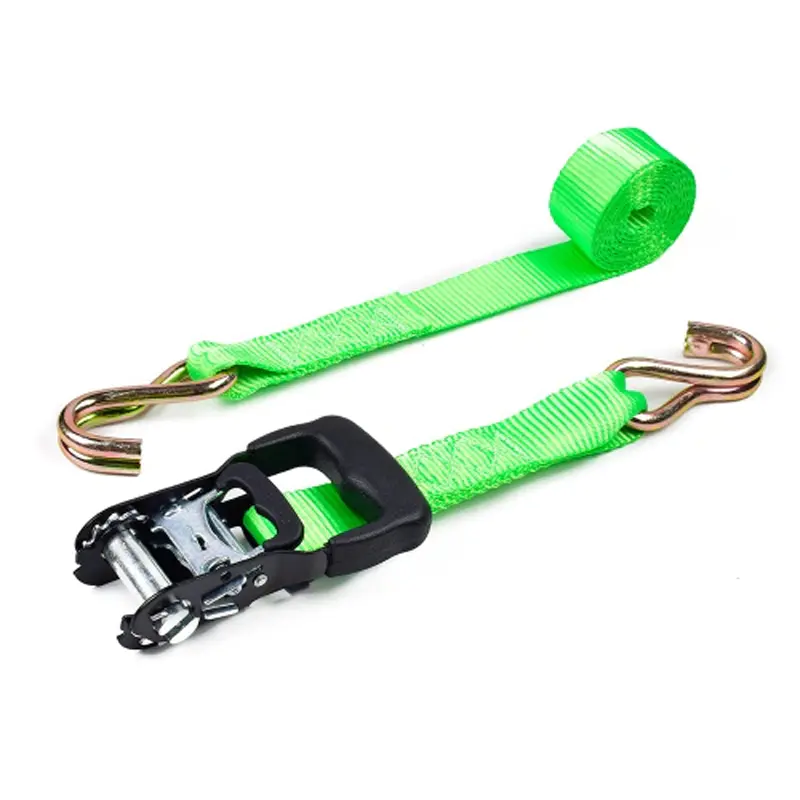
HEAVY DUTY: 1.5-inch webbing width & 15-foot length with a 4400LB breaking strength & 2200LB working load limitDURABLE: corrosion-resistant, z...
See Details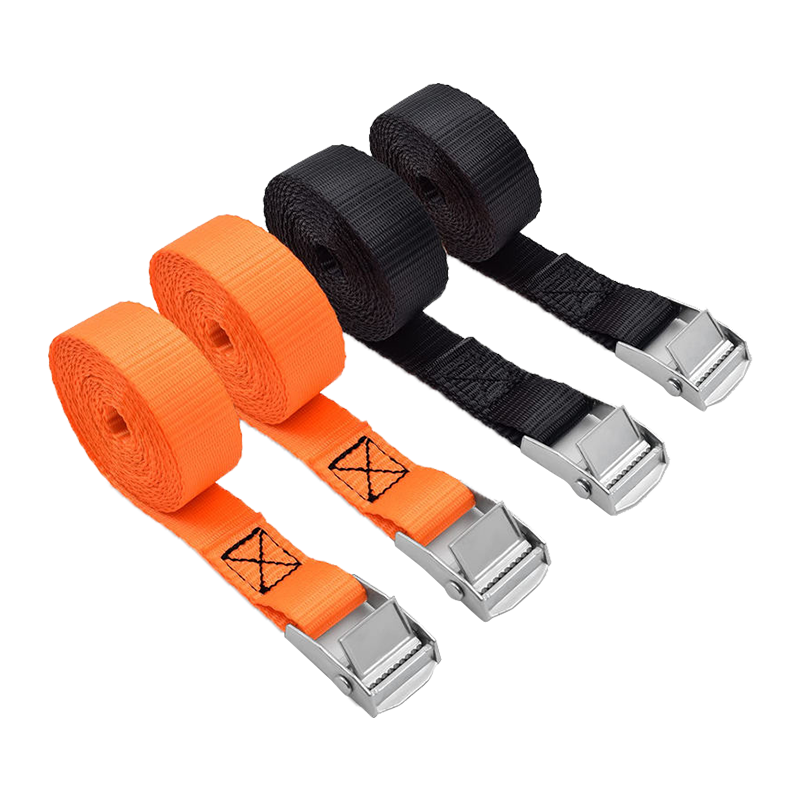
Adjustable Length: With a length of 12 feet, our strap offers flexibility to accommodate different cargo sizes. Easily adjust the length to achieve th...
See Details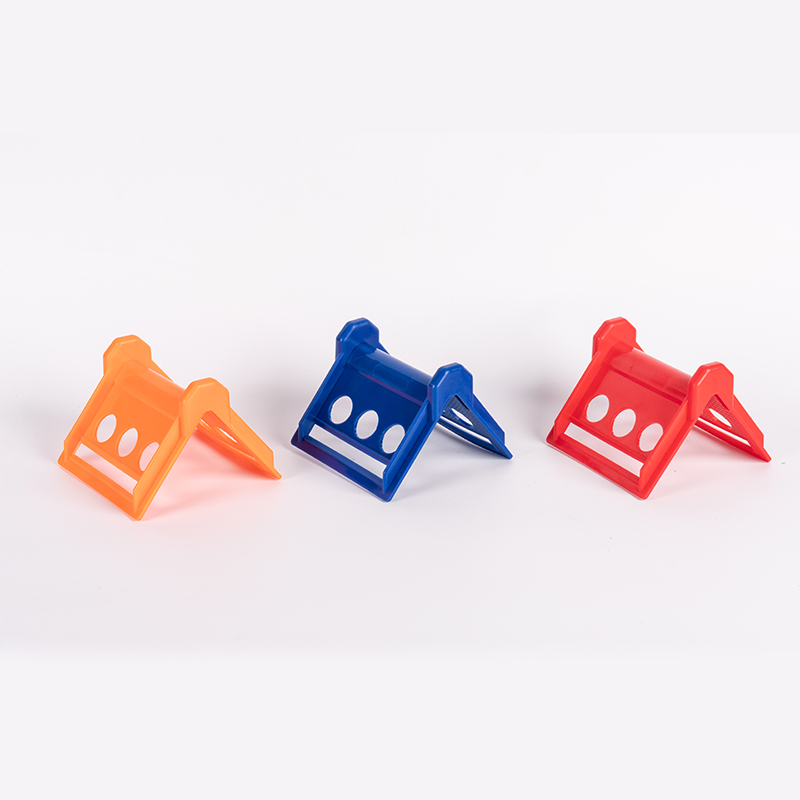
This economical corner protector is great for loads requiring a little extra protection for the strap or for the cargo. Raised edges ensure straps sta...
See Details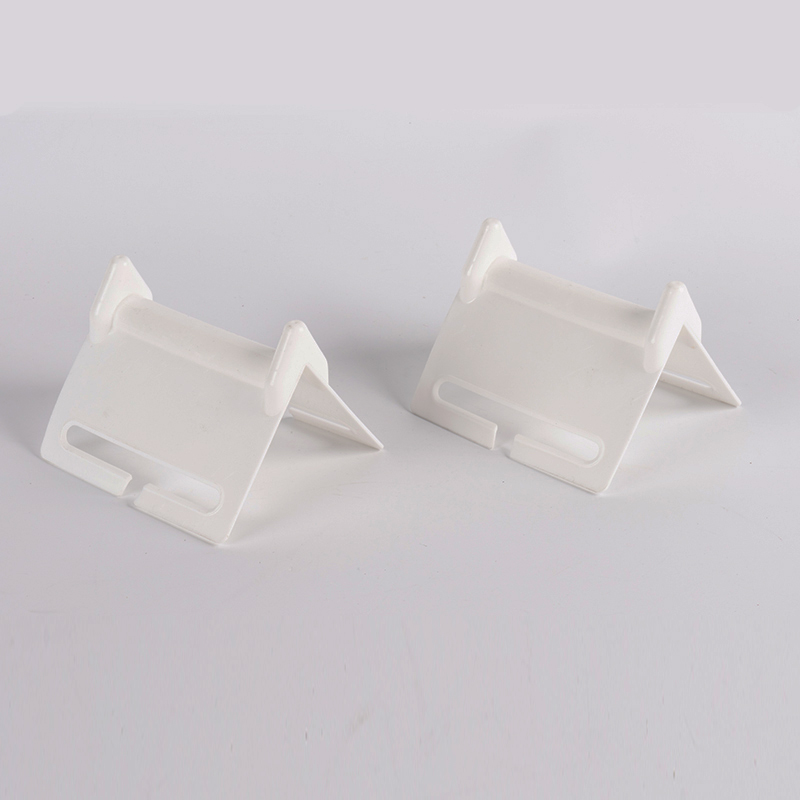
Made from high-quality plastic, our corner protectors protect against damage caused by straps and straps and are resistant to wear, tear and deformati...
See Details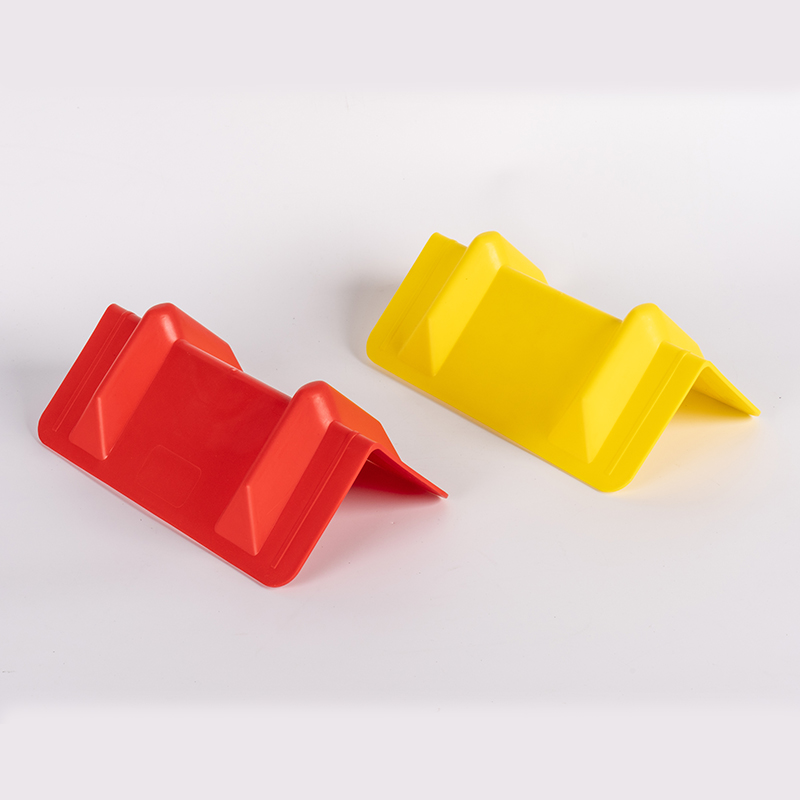
To ensure the safety of goods during transportation, our 6-inch plastic corner protectors are included. Made of durable plastic material, it can effec...
See Details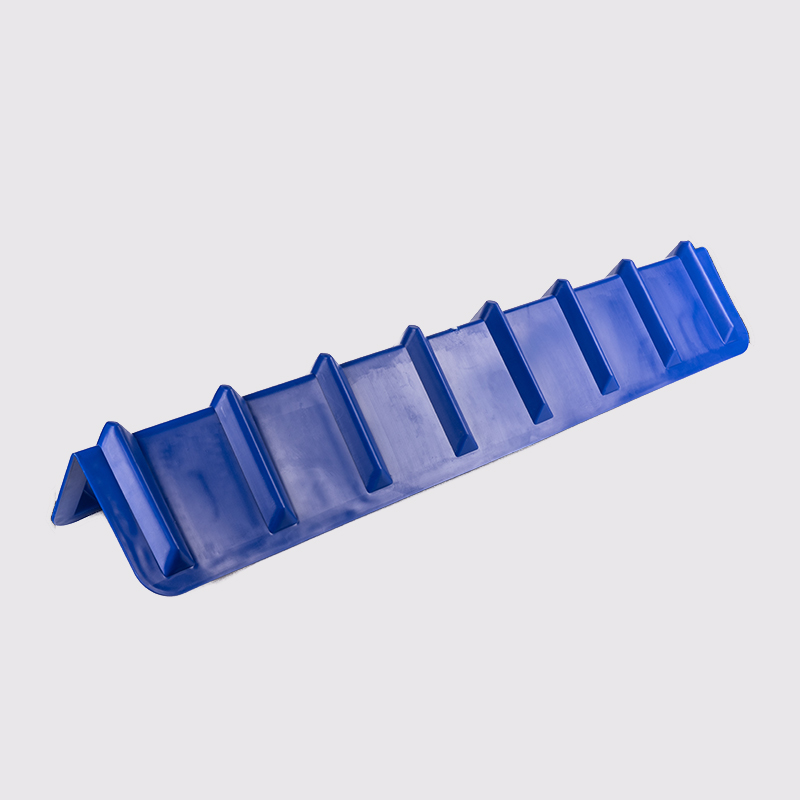
The 48-inch plastic corner guards offer strong resistance to impact and abrasion, protecting your cargo from potential damage in the shipping environm...
See Details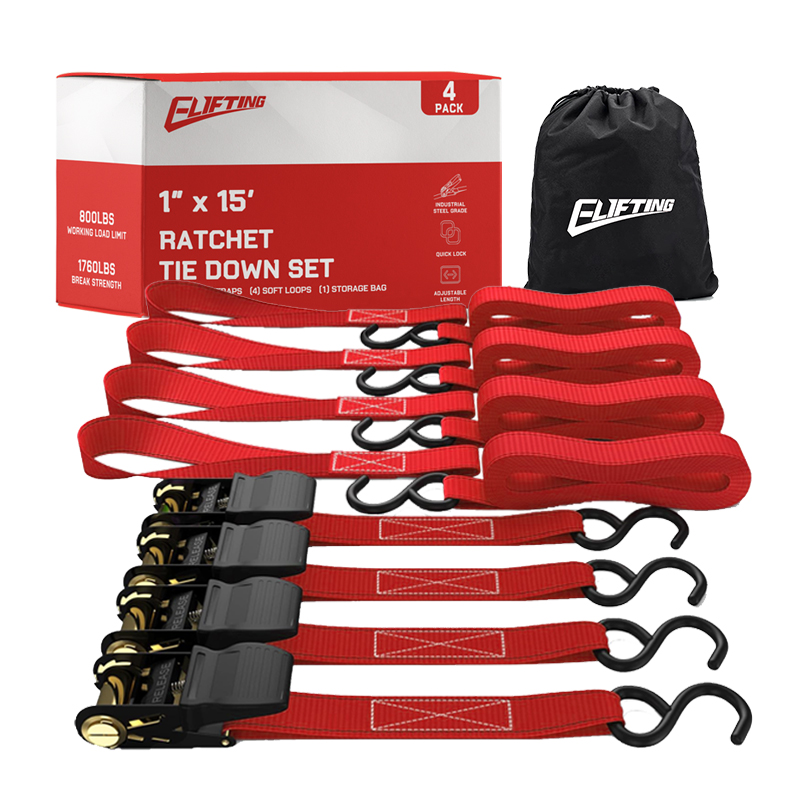
High Strength: Made from durable materials to ensure reliable securing force, suitable for binding and securing various heavy loads. Easy Operation:...
See Details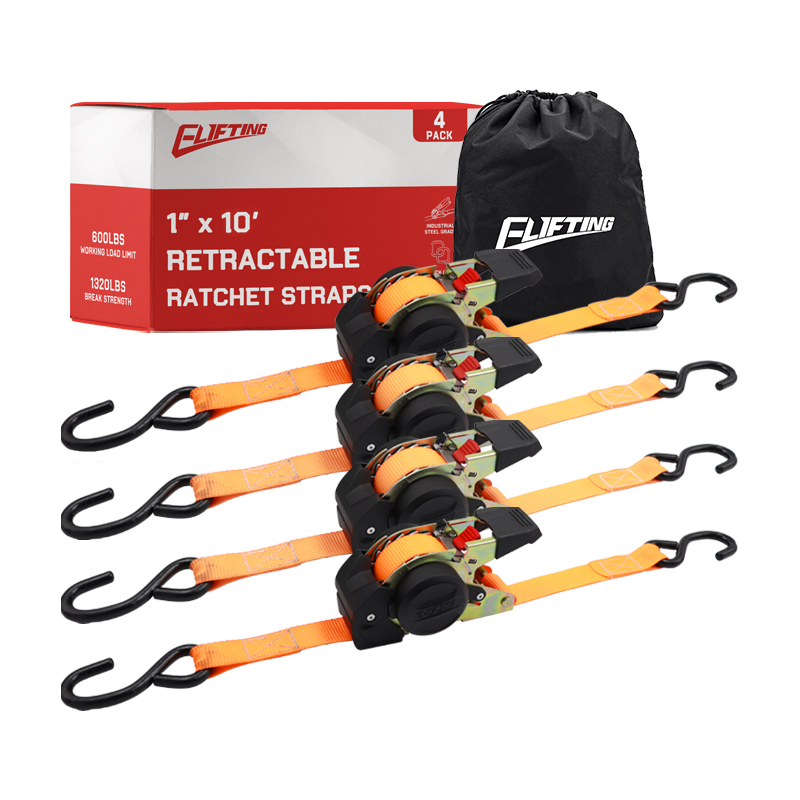
■ Instant automatic retractable strap - Easily retract excess strap length with the click of a button ■ Safety - With cushioning function, the strap ...
See Details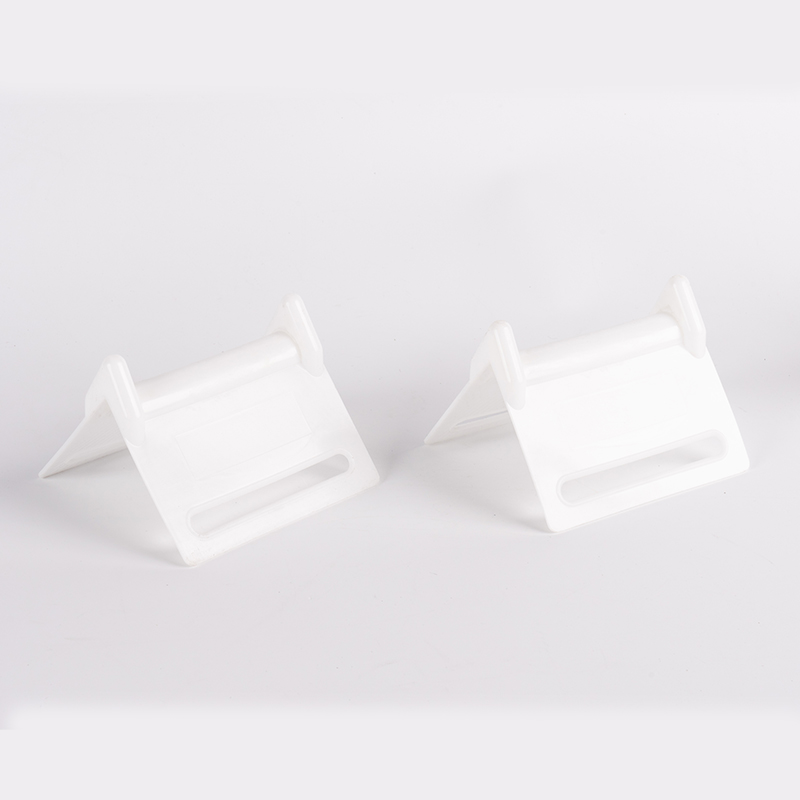
Made from high-quality plastic, our corner protectors protect against damage caused by straps and straps and are resistant to wear, tear and deformati...
See Details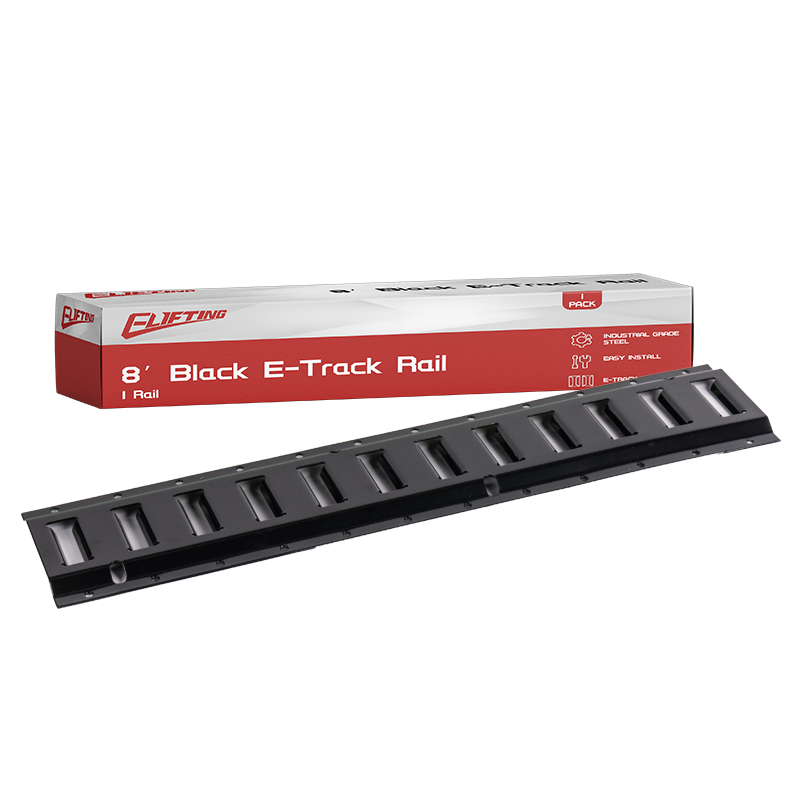
E-Track Rails is a rail system for securing cargo. It consists of a series of aluminum alloy or steel rails with slots, and with different accessories...
See Details
Shangcheng Village, Tangxi Town, Ningbo, Zhejiang, China
+86 139 5782 7340
