


 English
 中文简体
中文简体
1" x 10ft Cargo Ratchet Straps With J Hook
Cat:1″Ratchet Straps
Ratchet tie-down 1000 lbs breaking strengthEASY OPERATION AND QUICK RELEASE: The coated handle features a release lever for easy operation and release...
See DetailsContent
The core difference is the shape and function of the slot. Standard track, sometimes called logistics track or L-track, uses a series of round or oval holes spaced along a straight channel, and anchor fittings drop into a hole and twist to lock. E-Track Rails instead use a continuous slotted channel with a raised lip along both edges, allowing a spring-loaded fitting to slide anywhere along the rail and clamp at any point rather than only at fixed hole intervals.
This one design choice changes almost everything about how each system is used in practice. E-Track Rails give installers continuous positioning freedom along the entire rail length, while standard track limits fitting placement to pre-drilled hole locations, usually spaced every 2 inches (about 5 cm). For cargo securement in trucks, trailers, and vans, this difference determines how precisely a load can be anchored and how quickly straps can be repositioned.
Understanding the physical construction of each rail type explains why fitting compatibility and load ratings differ so significantly between the two systems.
Standard track is a flat or slightly recessed steel or aluminum channel with punched holes running its length. Fittings are typically bar-style anchors that drop into a hole, then rotate 90 degrees to lock under the rail lip.
E-track rails feature a continuous slot bordered by an inward-curving lip on each side, forming a shape resembling the letter E when viewed in cross-section. Fittings such as spring-loaded E-fittings or O-rings insert into the slot and can be positioned anywhere along the rail before locking into place under tension.
Both systems are commonly manufactured from galvanized steel or aluminum, with steel rails generally rated for higher working loads and aluminum rails favored where reducing vehicle weight matters more than maximum capacity.
The table below summarizes the practical differences buyers most often compare before choosing between the two systems.
| Feature | Standard Track | E-Track Rails |
|---|---|---|
| Anchor point spacing | Fixed, every 2 inches | Continuous, any position |
| Typical working load per fitting | Up to 2,000 lbs | Up to 2,000 - 2,500 lbs |
| Common mounting orientation | Floor or wall | Floor, wall, or vertical posts |
| Fitting installation method | Drop and twist into hole | Slide and lock under spring tension |
Standard track remains a practical choice in specific scenarios, particularly where fixed anchor spacing is not a limitation.
Fleets that repeatedly haul the same pallet sizes or crate dimensions benefit less from continuous positioning, since the same fixed hole spacing works reliably load after load.
Standard track and its fittings are often less expensive per linear foot than E-track systems, making it a reasonable option for budget-conscious builds with predictable cargo profiles.
Choosing between standard track and E-Track Rails should be based on the actual cargo variability and mounting needs of the vehicle or trailer being outfitted.
Regardless of which rail system is selected, proper installation directly affects the actual working load the system can safely support.
Because rail strength depends heavily on material gauge, coating quality, and manufacturing tolerances, sourcing from a supplier that documents load ratings and material specifications helps avoid mismatches between advertised and actual performance. Fleet managers and vehicle outfitters comparing options often review detailed specifications, such as those listed on the E-Track Rails product page, to confirm rail gauge, finish, and compatible fitting types before placing an order. Consistent manufacturing tolerance across the slot width is what ultimately determines whether fittings lock securely without excessive play, so requesting dimensional test data is a reasonable step for any bulk purchase.
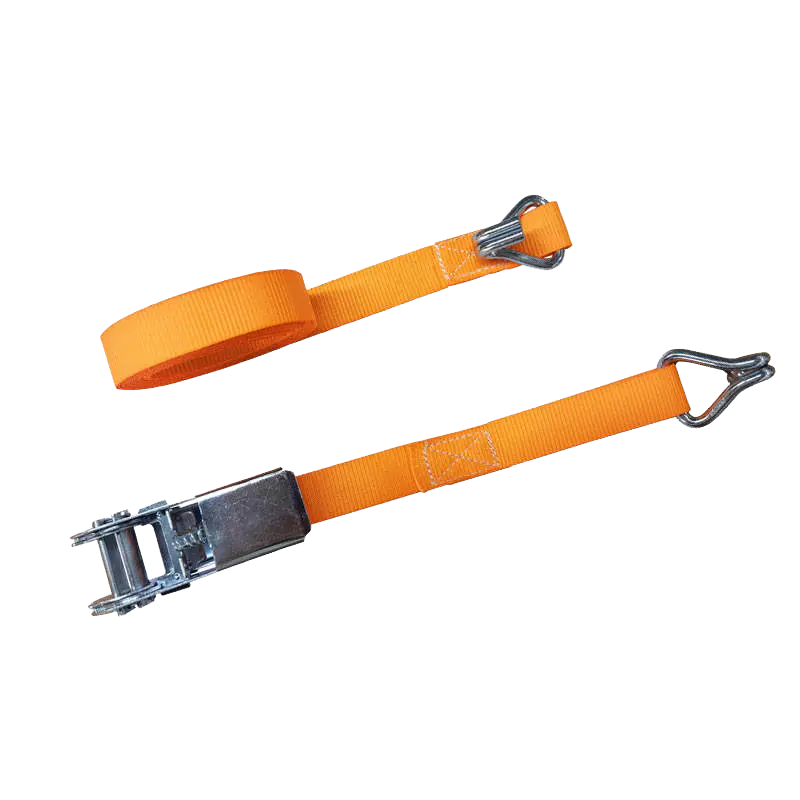
Ratchet tie-down 1000 lbs breaking strengthEASY OPERATION AND QUICK RELEASE: The coated handle features a release lever for easy operation and release...
See Details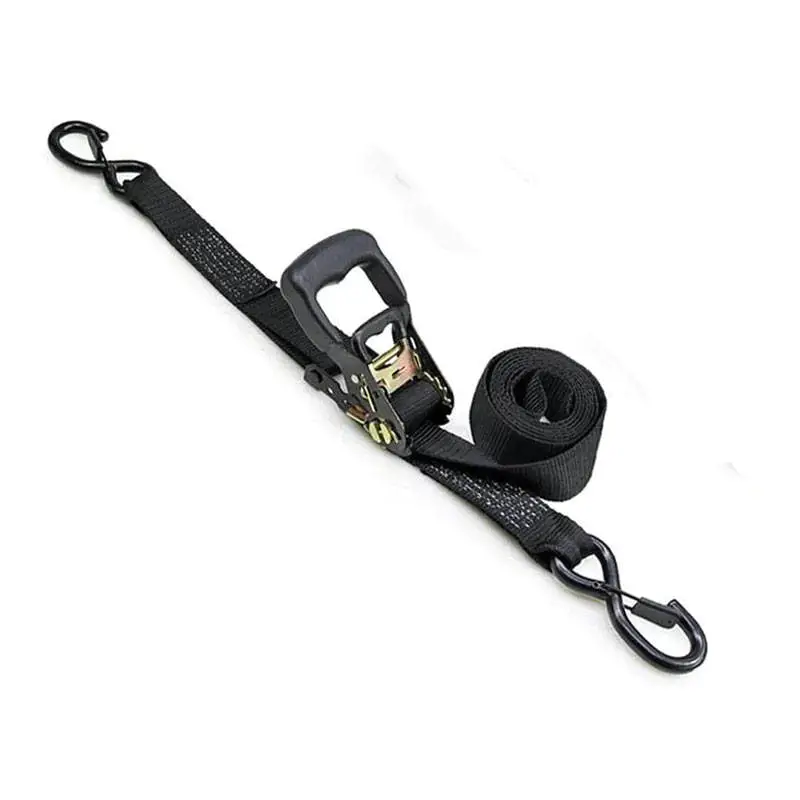
The compact and lightweight design of our 2" x 15' ratchet strap makes it easy to store and transport. Whether you're keeping it in your toolbox, glov...
See Details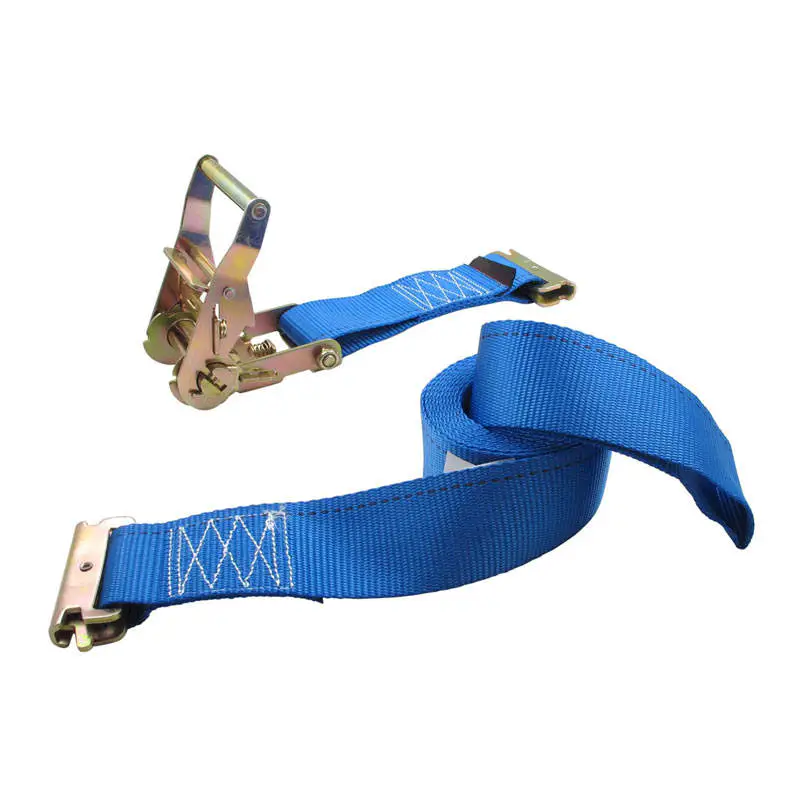
The ingenious E Track fitting design makes attaching and detaching the strap a breeze. Simply slide the E Track fitting into the E Track rail, engage ...
See Details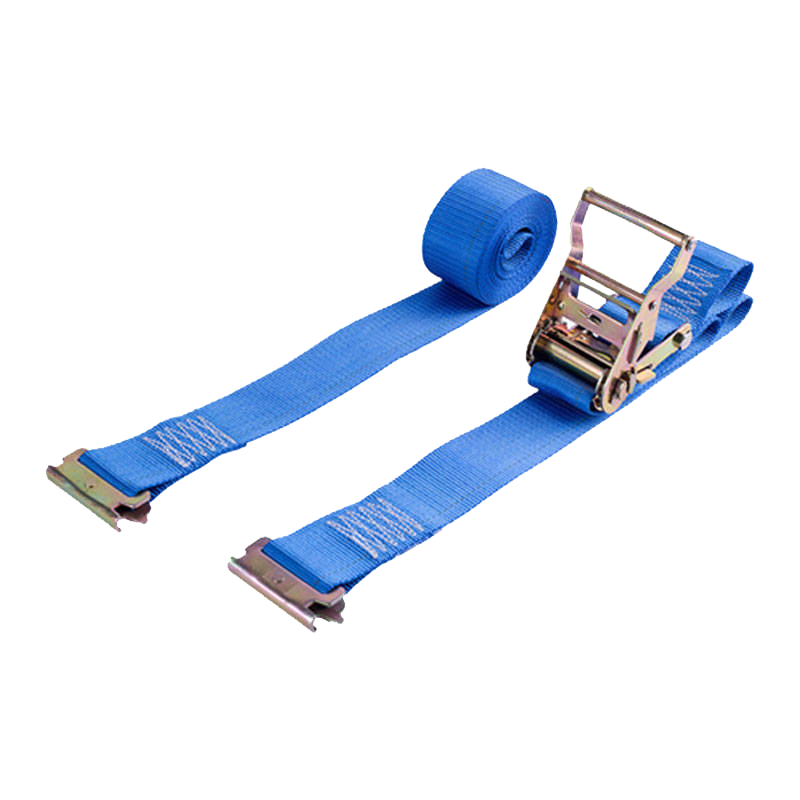
E Track Ratcheting Straps have a breaking strength of 4400 lbs. and a working load limit of 1460 lbs. and are equipped with high quality E track sprin...
See Details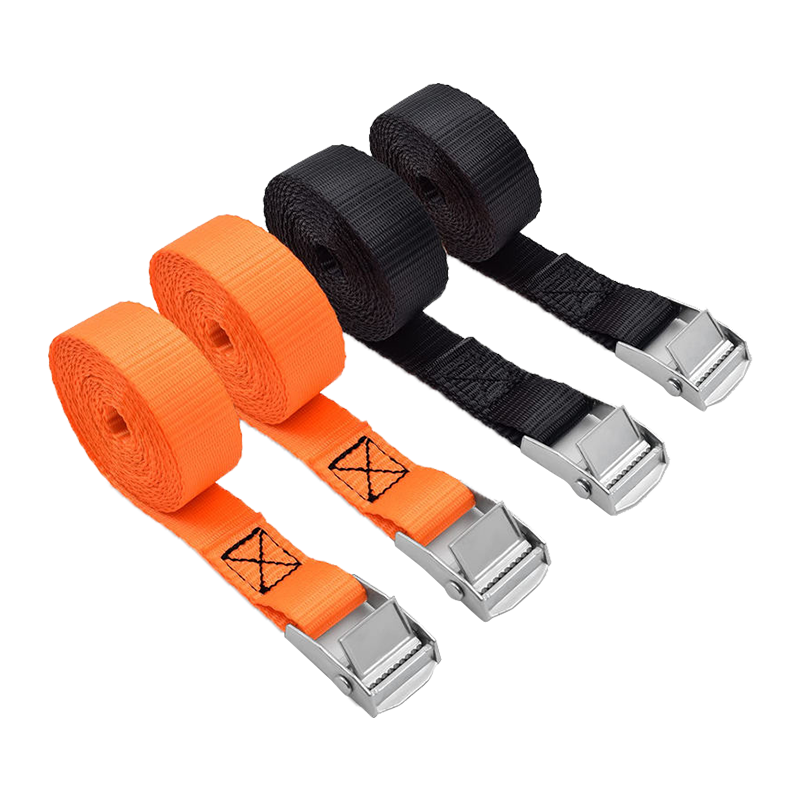
Adjustable Length: With a length of 12 feet, our strap offers flexibility to accommodate different cargo sizes. Easily adjust the length to achieve th...
See Details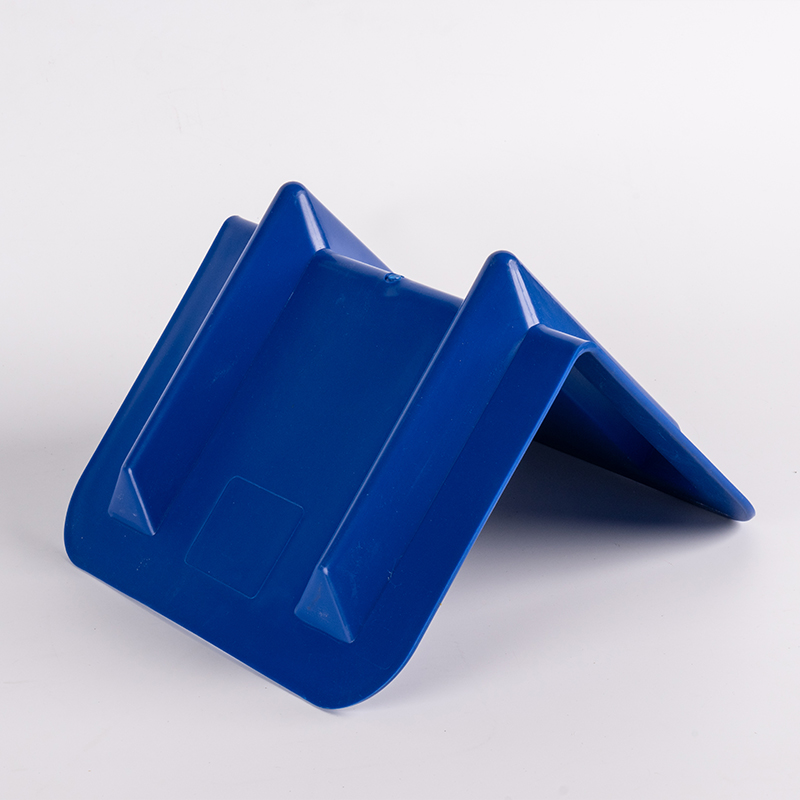
Corner protector shields drywall, plywood sheeting, and much more from damage during loading and transport. High density polyethylene is flexible, so ...
See Details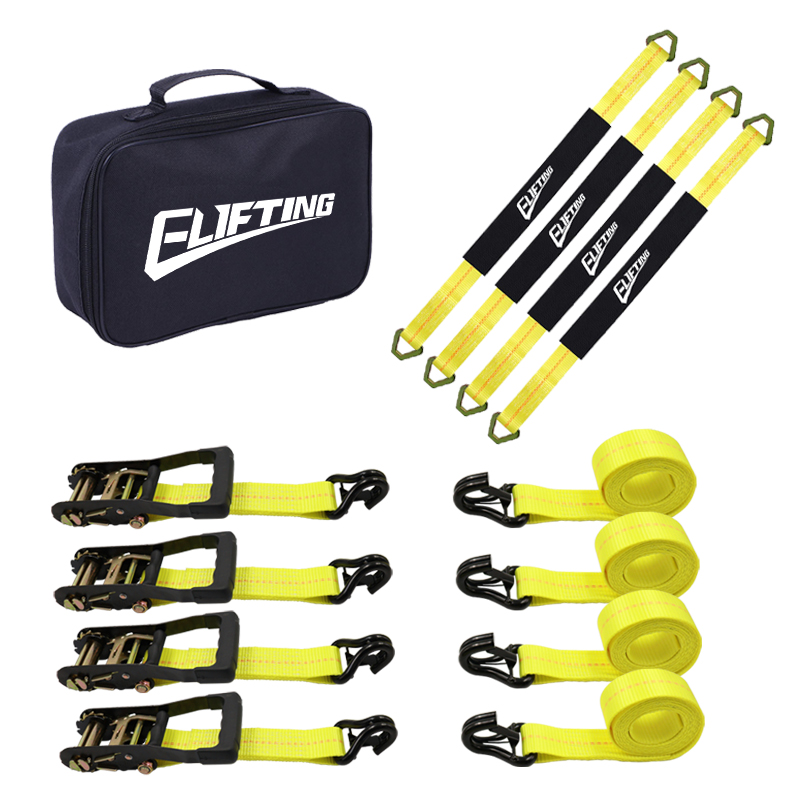
Tie Down Axle Straps Set is a set of high-strength straps designed for securing and stabilizing heavy loads during transportation. Made from durable p...
See Details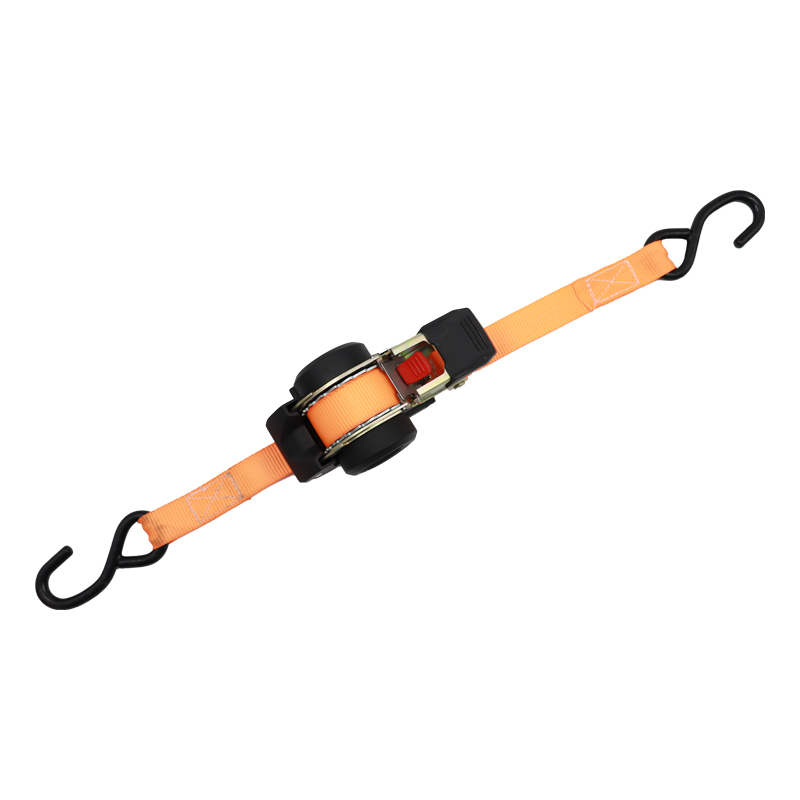
■ Instant automatic retractable strap - Easily retract excess strap length with the click of a button ■ Safety - With cushioning function, the strap ...
See Details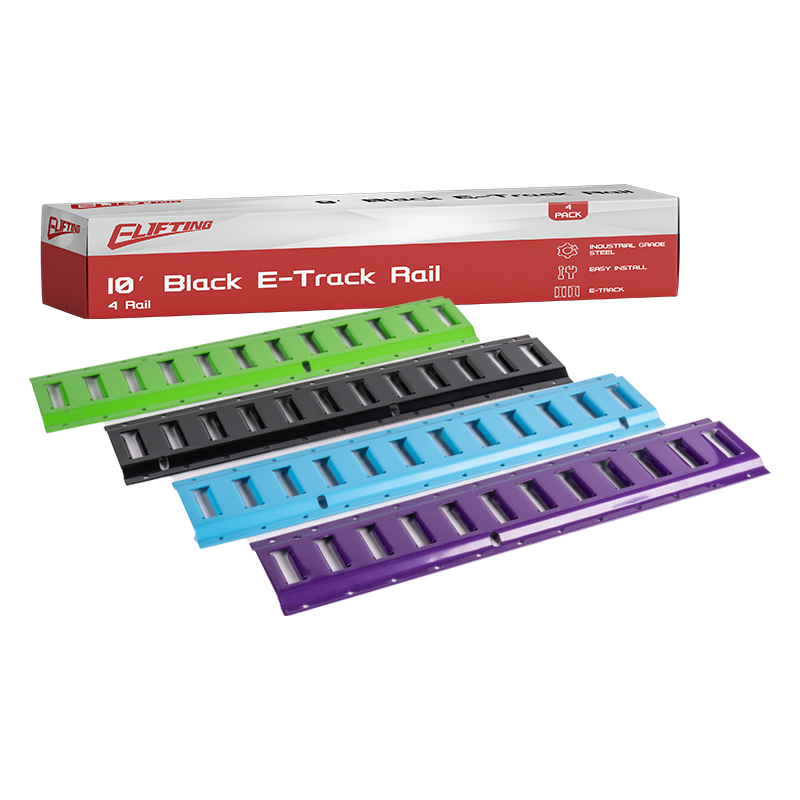
E-Track Rails is a rail system for securing cargo. It consists of a series of aluminum alloy or steel rails with slots, and with different accessories...
See Details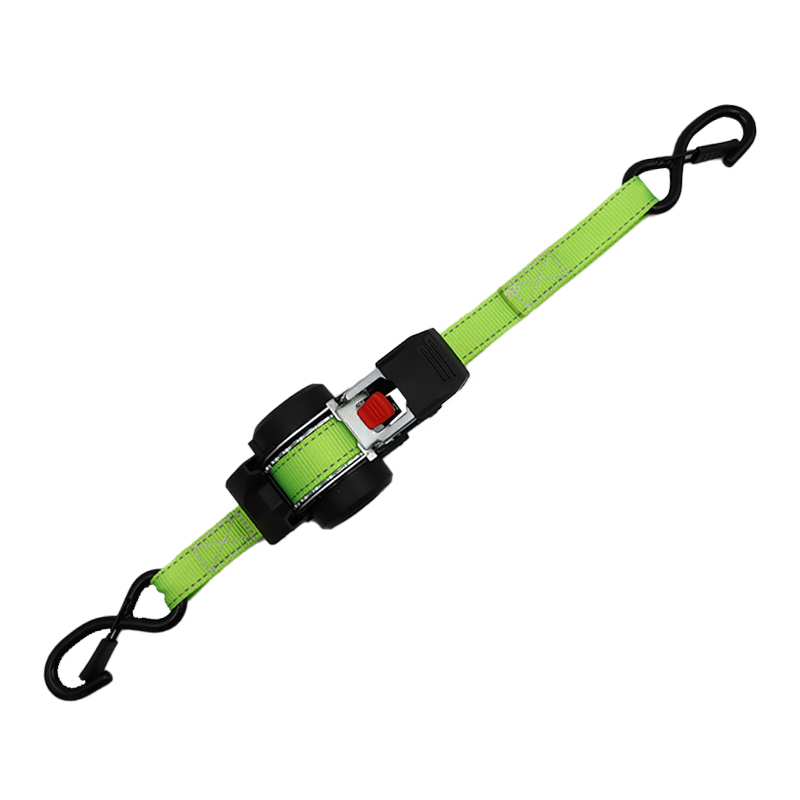
SAFER CONTROLLED RETRACTION - PREVENTS SNAP-BACK: Introducing our enhanced safety design! These retractable ratchet straps feature a built-in speed r...
See Details
Shangcheng Village, Tangxi Town, Ningbo, Zhejiang, China
+86 139 5782 7340
