


 English
 中文简体
中文简体
2" X15" Ratchet Strap Tie Down 5000lb J Hook
Cat:2 Inch Ratchet Straps
The ingenious ratchet buckle mechanism makes tightening and releasing the strap a breeze. Simply thread the strap through the buckle, pull the webbing...
See DetailsContent
To put a strap through a cam buckle, feed the loose end of the webbing through the slot beneath the spring-loaded cam lever, pull it through until snug, then continue pulling to tighten while the internal teeth grip the strap and prevent it from slipping backward. A cam buckle strap is designed for quick, tool-free tightening, making it one of the most widely used tie-down systems for securing cargo, furniture, kayaks, and lighter loads during transport.
Unlike ratchet straps, cam buckle straps rely purely on hand tension and the friction created by the cam's toothed grip, so understanding the correct threading direction and tightening motion is essential to getting a secure, safe hold.
Before threading a strap, it helps to recognize the buckle's main components, since understanding their function makes the process far more intuitive.
The spring is what makes a cam buckle strap self-locking. As long as tension is maintained on the strap, the spring keeps the cam teeth pressed firmly against the webbing, which is why these buckles can hold a load securely without requiring a separate locking pin or ratchet mechanism.
Once the desired tension is reached, the cam buckle will hold automatically. There is no need to manually lock anything, since the spring-loaded teeth engage continuously as long as the strap remains under load.
Proper tightening technique makes a significant difference in how securely a cam buckle strap holds a load. A common mistake is pulling the strap at an angle, which can cause uneven wear on the webbing edge and reduce the cam's grip effectiveness.
| Technique | Result |
|---|---|
| Pulling straight and steady | Even tension, full cam tooth engagement |
| Pulling at a sharp angle | Uneven grip, possible edge fraying |
| Jerking the strap quickly | Reduced friction hold, risk of slipping later |
| Slow, firm, continuous pull | Consistent, reliable tension |
After tightening, it is good practice to give the strap a firm tug test near the buckle to confirm the load has settled and the cam teeth are fully seated against the webbing.
Releasing a cam buckle is just as simple as threading one, but it requires understanding the lever mechanism to avoid straining the spring.
Avoid forcing the strap out without pressing the cam lever first, as this can cause premature wear on both the webbing surface and the cam teeth themselves.
Even a well-made cam buckle strap can underperform if used incorrectly. These are among the most frequent errors that reduce a strap's effective holding capacity.
Choosing between a cam buckle strap and a ratchet strap depends largely on the load weight and the level of tension required.
| Feature | Cam Buckle Strap | Ratchet Strap |
|---|---|---|
| Tightening Method | Hand-pull tension | Mechanical lever action |
| Maximum Tension Achievable | Lower, limited by hand strength | Higher, mechanically amplified |
| Best Suited For | Lighter loads, delicate cargo, kayaks, furniture | Heavy cargo, commercial transport |
| Ease of Use | Very simple, quick to operate | Requires more effort and technique |
For cargo that could be damaged by excessive tension, such as surfboards or musical instrument cases, a cam buckle strap is generally the safer choice since it applies gentler, controllable holding force.
Not all cam buckle straps are built to the same standard, and selecting a well-constructed one directly affects both safety and longevity. Key factors to evaluate include webbing material, stitching pattern, and the buckle's working load limit rating.
As a manufacturer focused on lifting and tie-down equipment, producing cam buckle straps with consistent webbing tensile strength, reliable cam spring tension, and reinforced stitching is central to ensuring each strap performs safely across repeated loading cycles. Understanding both proper threading technique and quality selection criteria helps users get the most secure, dependable performance from every cam buckle strap they use.
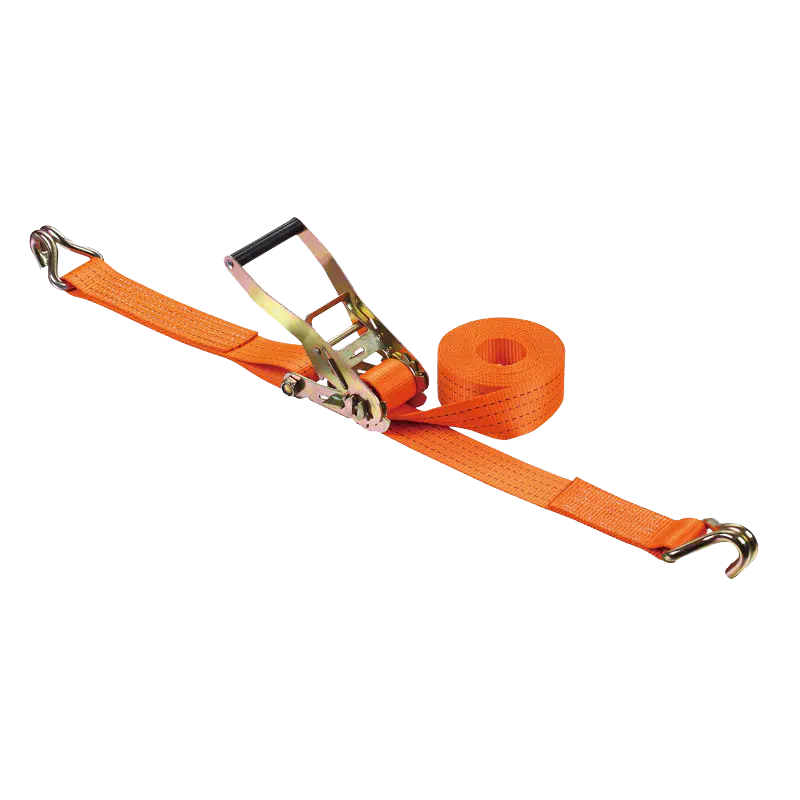
The ingenious ratchet buckle mechanism makes tightening and releasing the strap a breeze. Simply thread the strap through the buckle, pull the webbing...
See Details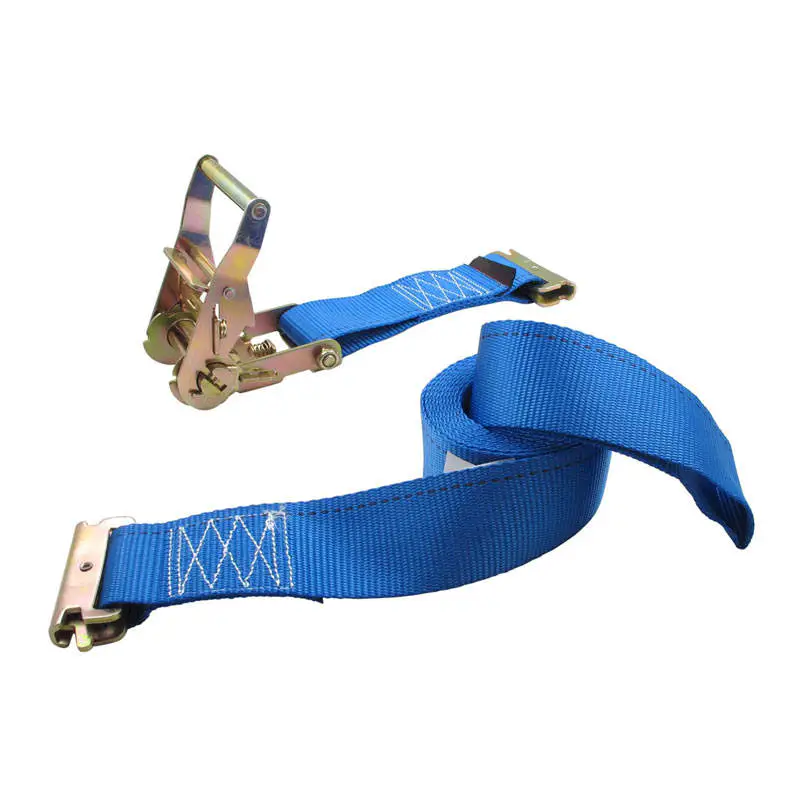
The ingenious E Track fitting design makes attaching and detaching the strap a breeze. Simply slide the E Track fitting into the E Track rail, engage ...
See Details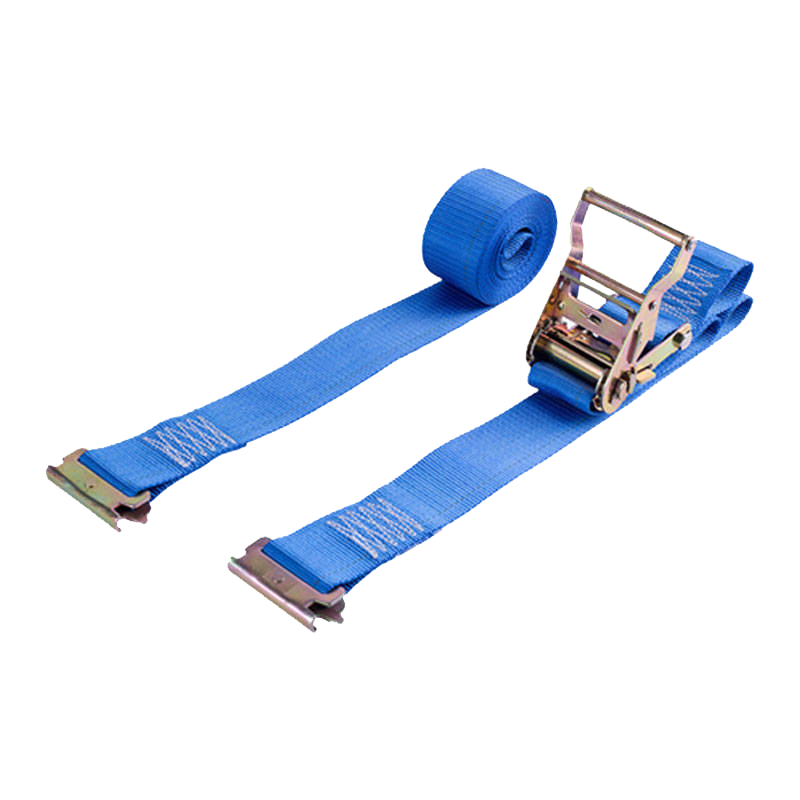
E Track Ratcheting Straps have a breaking strength of 4400 lbs. and a working load limit of 1460 lbs. and are equipped with high quality E track sprin...
See Details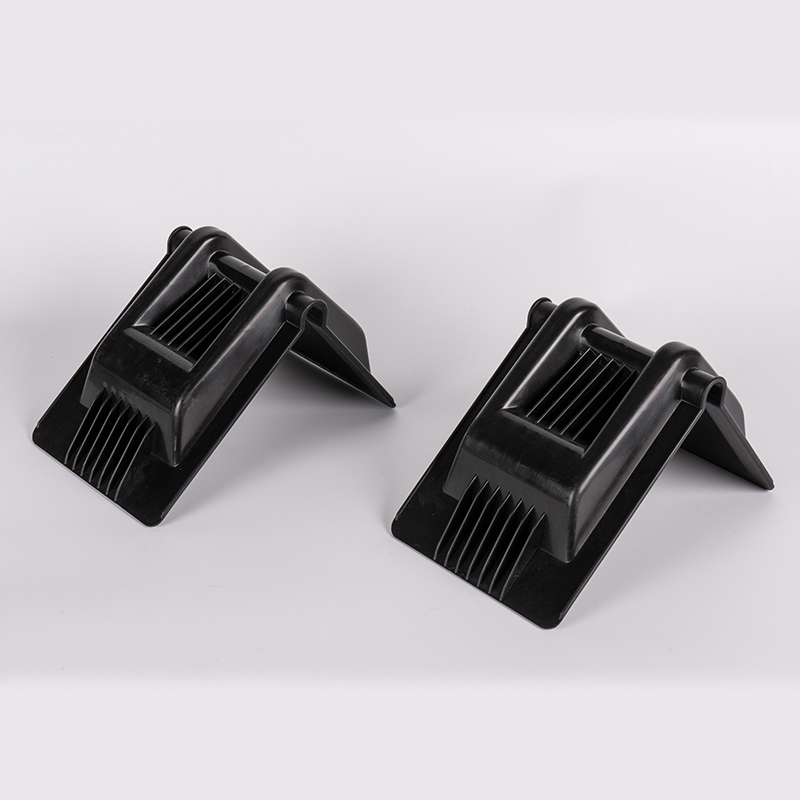
Protect your goods from damage during transportation! Our 6-inch Guard Cargo plastic corner guards are your choice to solve your problem. Made of stur...
See Details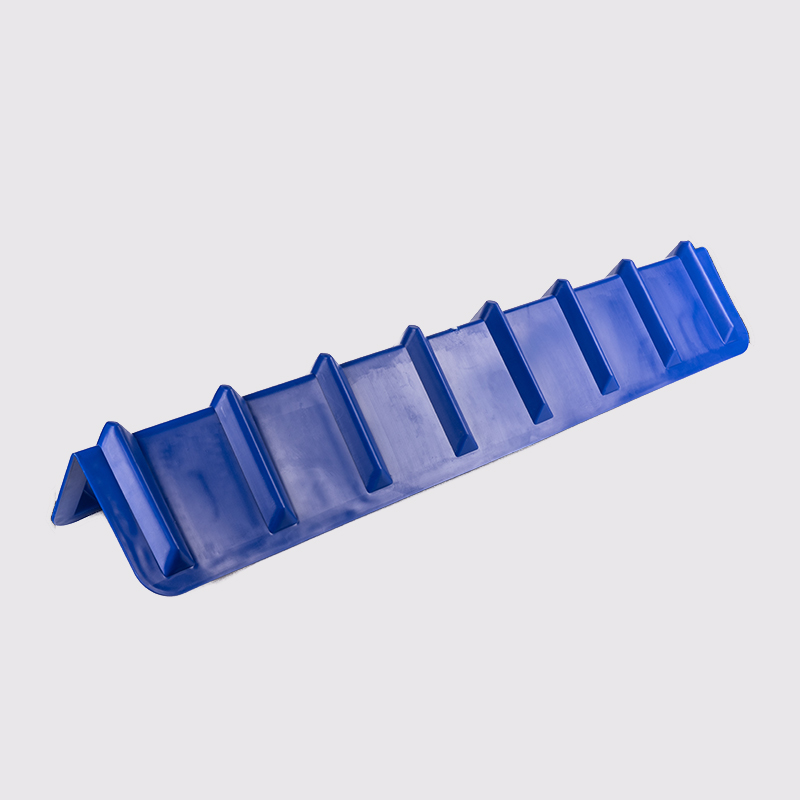
The 48-inch plastic corner guards offer strong resistance to impact and abrasion, protecting your cargo from potential damage in the shipping environm...
See Details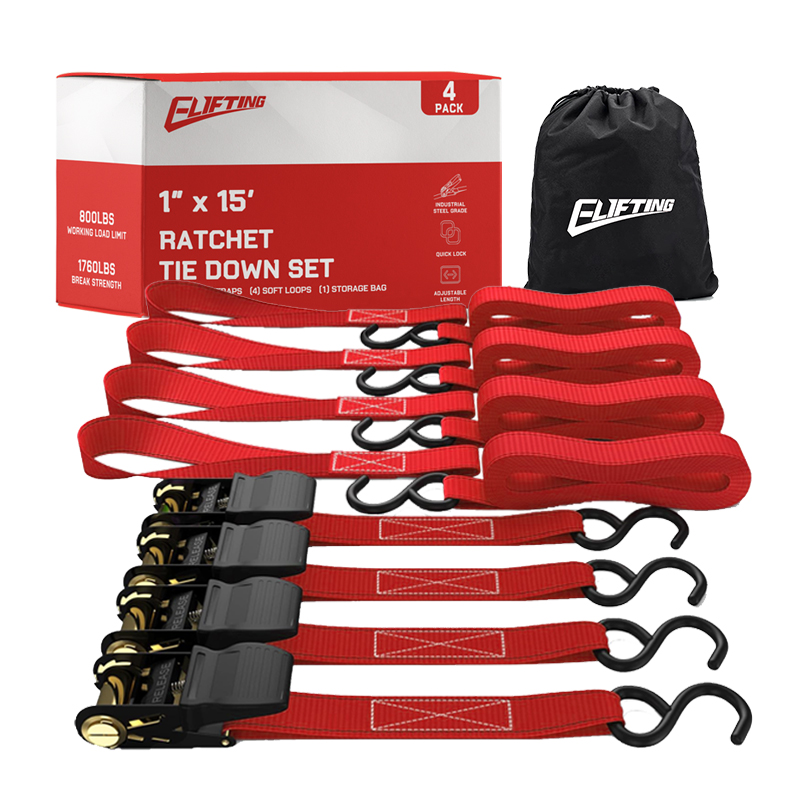
High Strength: Made from durable materials to ensure reliable securing force, suitable for binding and securing various heavy loads. Easy Operation:...
See Details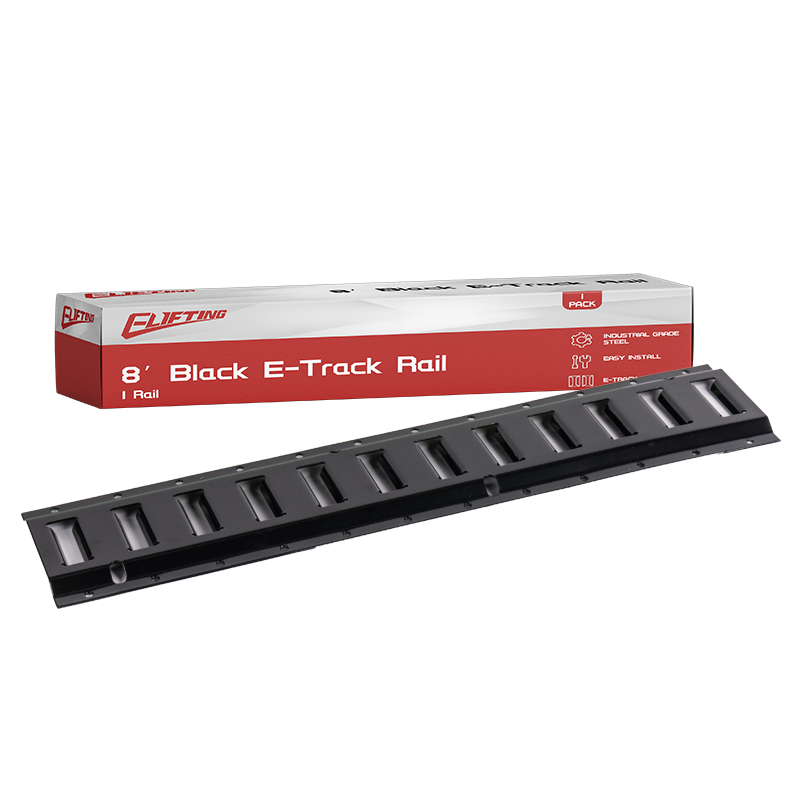
E-Track Rails is a rail system for securing cargo. It consists of a series of aluminum alloy or steel rails with slots, and with different accessories...
See Details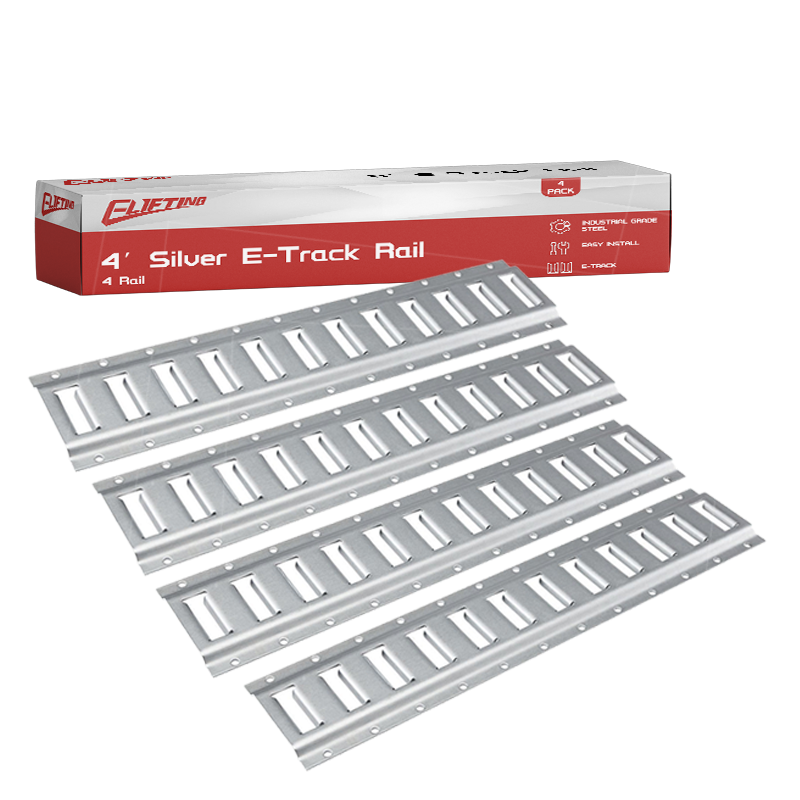
E-Track Rails is a rail system for securing cargo. It consists of a series of aluminum alloy or steel rails with slots, and with different accessories...
See Details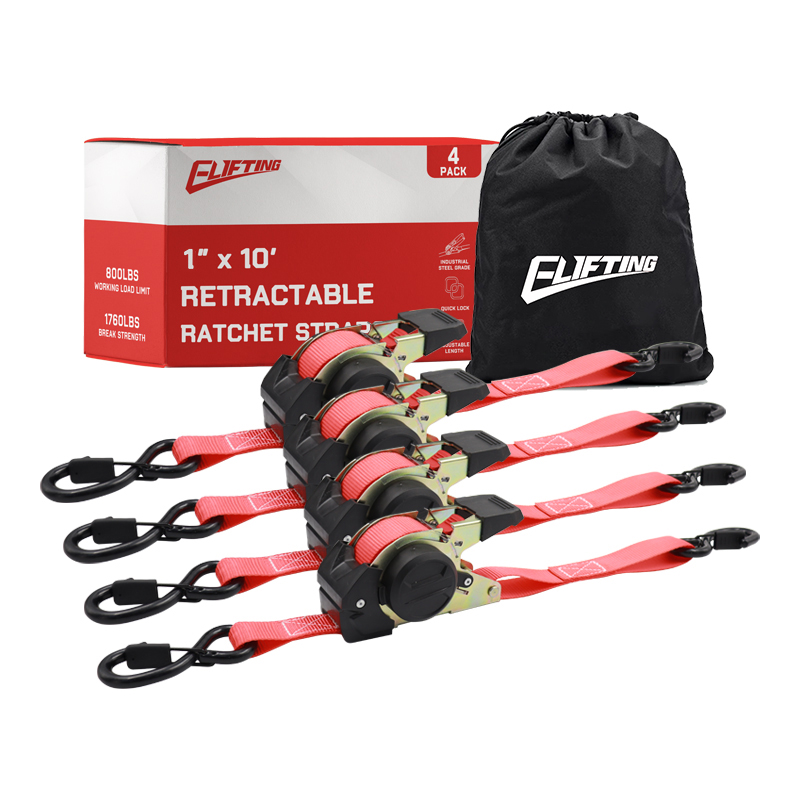
■ Instant automatic retractable strap - Easily retract excess strap length with the click of a button ■ Safety - With cushioning function, the strap ...
See Details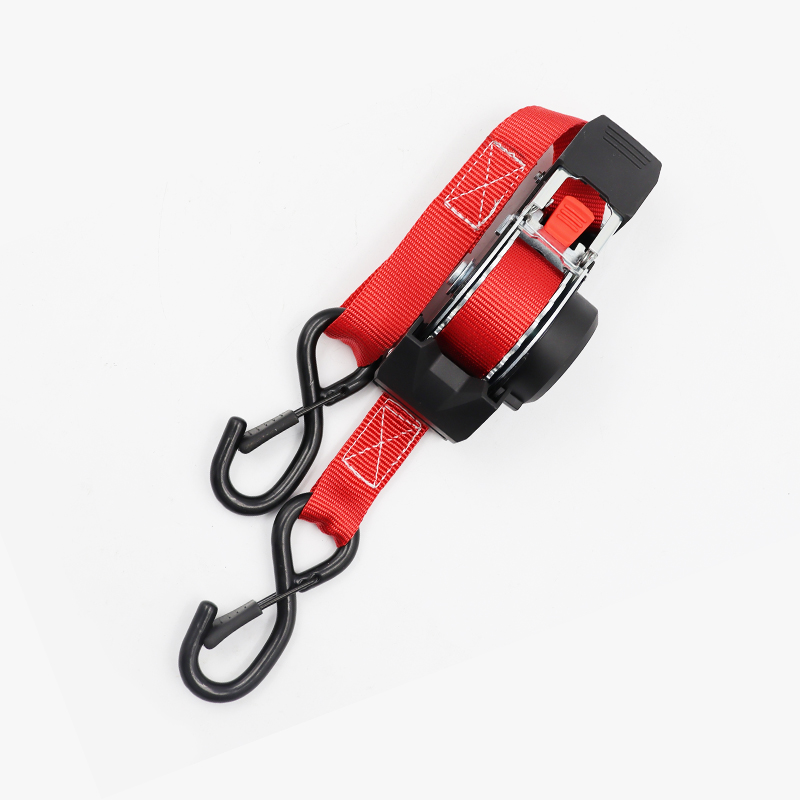
SAFER CONTROLLED RETRACTION - PREVENTS SNAP-BACK: Introducing our enhanced safety design! These retractable ratchet straps feature a built-in speed r...
See Details
Shangcheng Village, Tangxi Town, Ningbo, Zhejiang, China
+86 139 5782 7340
