


 English
 中文简体
中文简体
1" X 20" Ratchet Tie Down With S hook
Cat:1″Ratchet Straps
Crafted from high-grade polyester webbing and robust steel or plastic ratchet buckles, our 1" x 20' ratchet strap can withstand even the demanding tas...
See DetailsContent
L-track is generally the stronger of the two rail systems on a per-fitting basis, since its thicker, deeper channel design and heavier anchor fittings are built for higher rated capacities, often used in aircraft cargo holds and heavy-duty trailer applications. E-track, however, is more than strong enough for the vast majority of everyday cargo securing tasks, and E Track Ratchet Tie Downs remain the more practical and widely used choice in box trucks, cargo vans, and enclosed trailers because of their lighter rail profile, lower installation cost, and broad compatibility with standard E-fittings.
The real answer depends on what you are hauling. If your cargo load routinely exceeds what a standard E-track anchor point is rated for, L-track is the safer structural choice. If you are securing typical freight, equipment, furniture, or recreational vehicles within normal working load limits, an E-track rail paired with quality E Track Ratchet Tie Downs delivers all the holding strength needed at a fraction of the weight and cost. The rest of this guide breaks down the structural differences, the load ratings, and how to decide which system fits your application.
Both systems are steel rail tracks installed along the floor or walls of a cargo area, allowing tie down fittings to slide into slotted openings and lock in place at any point along the rail. The difference is in the cross-section shape and the fitting mechanism.
E-track uses a shallow, horizontally slotted steel channel. Spring-loaded E-fittings on the end of a strap snap into the slots and lock under tension, which is the design behind every set of E Track Ratchet Tie Downs. This shallow profile keeps the rail lightweight and easy to mount on interior van and trailer walls without adding significant weight to the vehicle.
L-track uses a deeper, L-shaped channel with a continuous slot along its length, and fittings typically insert vertically and rotate to lock, rather than snapping in from the side. This deeper channel and thicker gauge steel is what allows L-track to handle higher rated loads, which is why it is common in aircraft cargo bays and heavy equipment trailers where anchor points must withstand very high shock loads.
The clearest way to compare strength is by looking at typical rated capacities for the rail and the straps used with each system.
| Attribute | E-Track | L-Track |
|---|---|---|
| Typical rail gauge | Lighter gauge steel, shallow channel | Heavier gauge steel, deeper channel |
| Common strap breaking strength | Around 4,400 lbs on standard 2 inch ratchet straps | Often rated higher due to heavier duty fitting hardware |
| Primary use case | General freight, moving, everyday trailer and van cargo | Aircraft cargo holds, heavy equipment, high shock-load transport |
| Installation weight impact | Lower added weight to the vehicle structure | Higher added weight due to thicker rail material |
A standard set of E Track Ratchet Tie Downs commonly carries a breaking strength around 4,400 lbs with a proportional working load limit, which comfortably covers the majority of cargo secured in trucks, trailers, and vans. L-track fittings, built for aviation and heavy freight standards, are engineered to exceed this range specifically because of the higher shock loads those environments produce.
Raw strength is only one factor in choosing a tie down rail system. For the majority of cargo hauling applications, several practical advantages make E-track the more sensible option even though L-track can technically handle a higher rated load.
These advantages are exactly why E Track Ratchet Tie Downs have become the standard cargo securement solution installed in most box trucks, enclosed trailers, and cargo van interiors sold today.
Matching the rail system to the actual cargo being transported avoids both underbuilding a securement system and overspending on capacity that will never be used.
| Scenario | Recommended System |
|---|---|
| Moving furniture and household goods | E-track with standard ratchet or cam buckle E-fittings |
| Delivery vans and box trucks | E-track for lightweight, flexible mounting along interior walls |
| Recreational vehicle and motorcycle transport | E-track paired with heavy duty ratchet straps rated for the vehicle weight |
| Heavy equipment and industrial machinery transport | L-track for higher rated anchor points and shock load resistance |
| Aircraft and specialized cargo holds | L-track, the established standard in aviation cargo securement |
Getting the full rated strength out of any E-track installation depends on proper mounting and routine inspection, not just the rated capacity printed on the strap label.
A correctly installed E-track rail combined with well-maintained E Track Ratchet Tie Downs will hold cargo securely across nearly every general transport scenario, which is why the system remains the default choice across the moving, delivery, and light trailer industries.
Ningbo Easy Lifting Auto Accessories Co., Ltd manufactures a full lineup of cargo securement products, including E Track Ratchet Tie Downs built with steel ratchet mechanisms and E-fitting hardware designed to snap securely into standard E-track rail systems installed in vans, box trucks, and enclosed trailers. The company's E-track ratcheting straps are commonly built to a breaking strength around 4,400 lbs, giving fleet operators and everyday users a dependable working load range for general cargo securing tasks.
When comparing suppliers, check the strap width, the ratchet mechanism gauge, and the specific breaking strength and working load limit listed for each product, since these figures determine actual performance far more accurately than assuming all E-track products perform identically across brands.
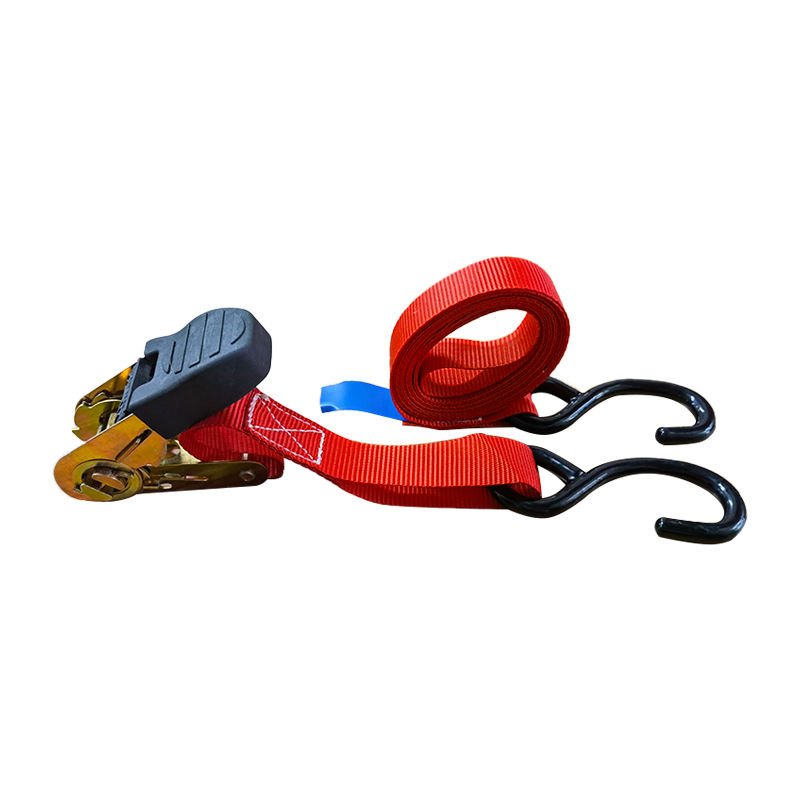
Crafted from high-grade polyester webbing and robust steel or plastic ratchet buckles, our 1" x 20' ratchet strap can withstand even the demanding tas...
See Details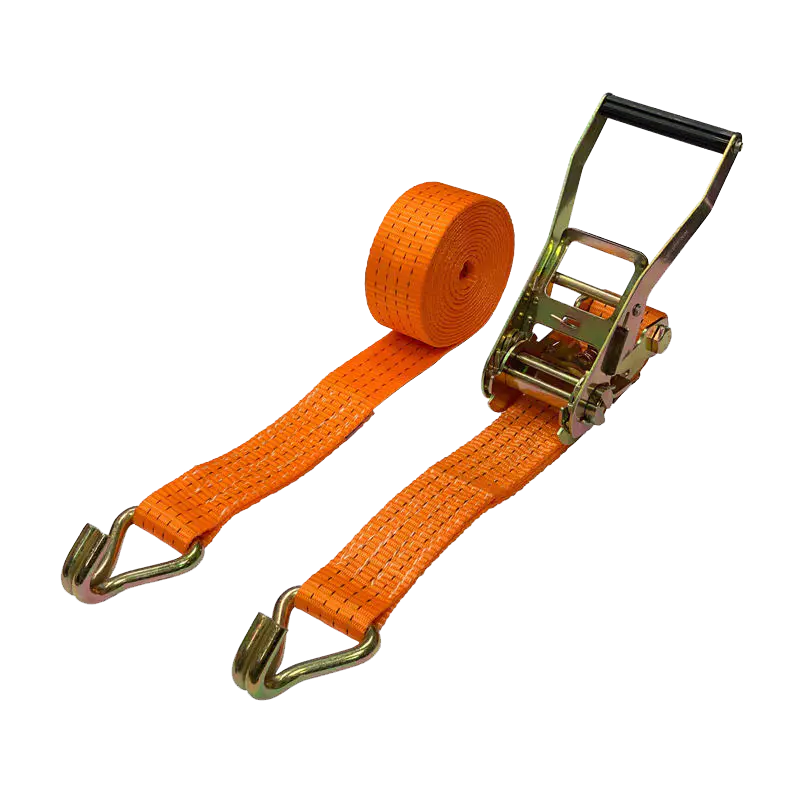
The 2" x 15' ratchet strap is a true all-rounder, adapting to a wide range of applications: Secure cargo in a truck bed: Keep your belongings safely i...
See Details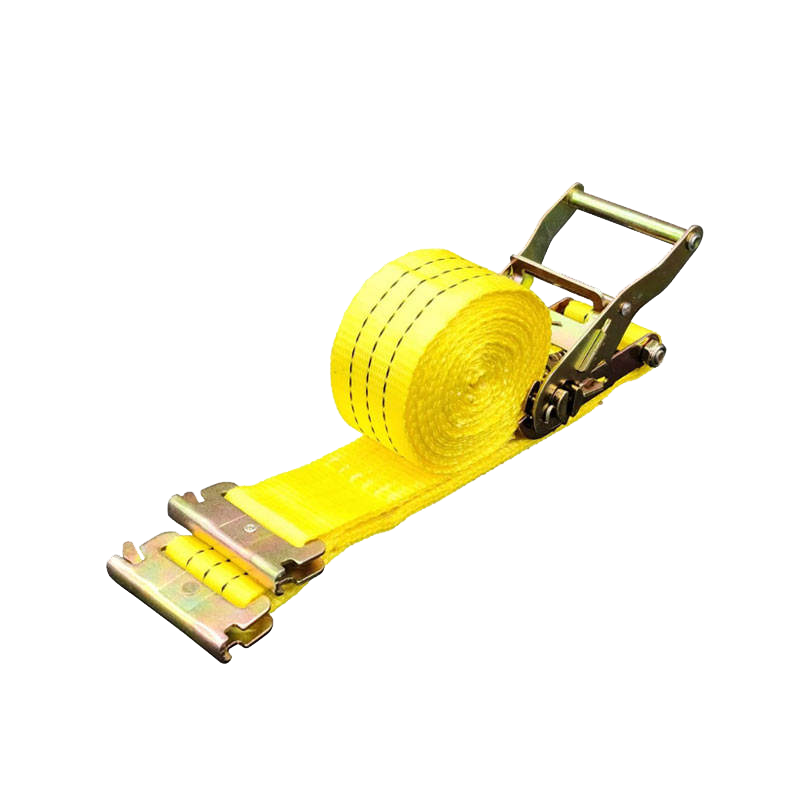
The 2" E Track ratcheting straps set is a true all-rounder, excelling in a diverse range of applications, making it an indispensable tool for any carg...
See Details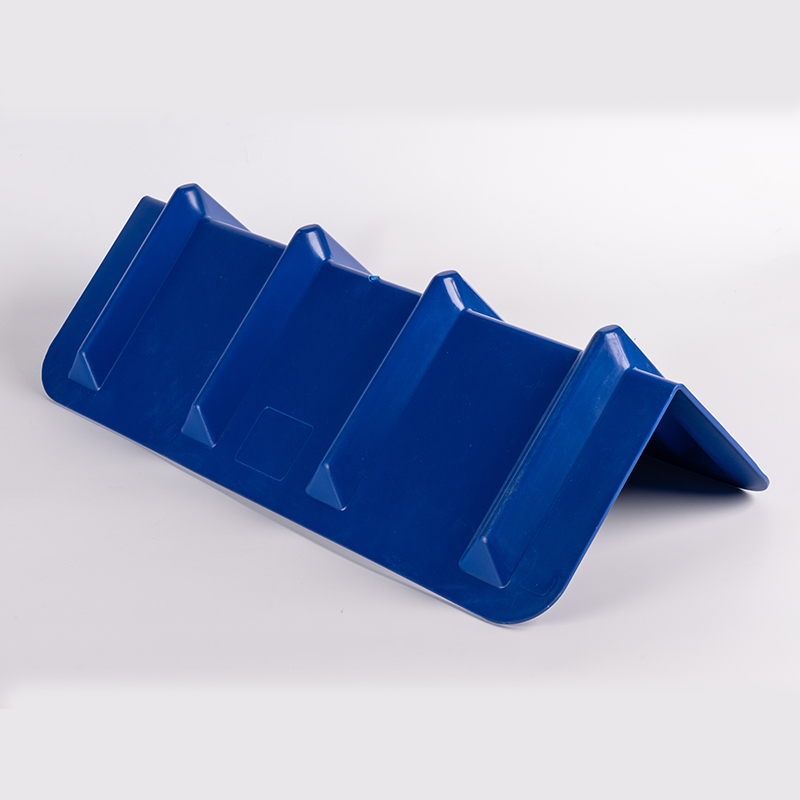
Crafted from high-density polyethylene, our 24-inch plastic corner protector offers exceptional durability and flexibility, making it the ideal barrie...
See Details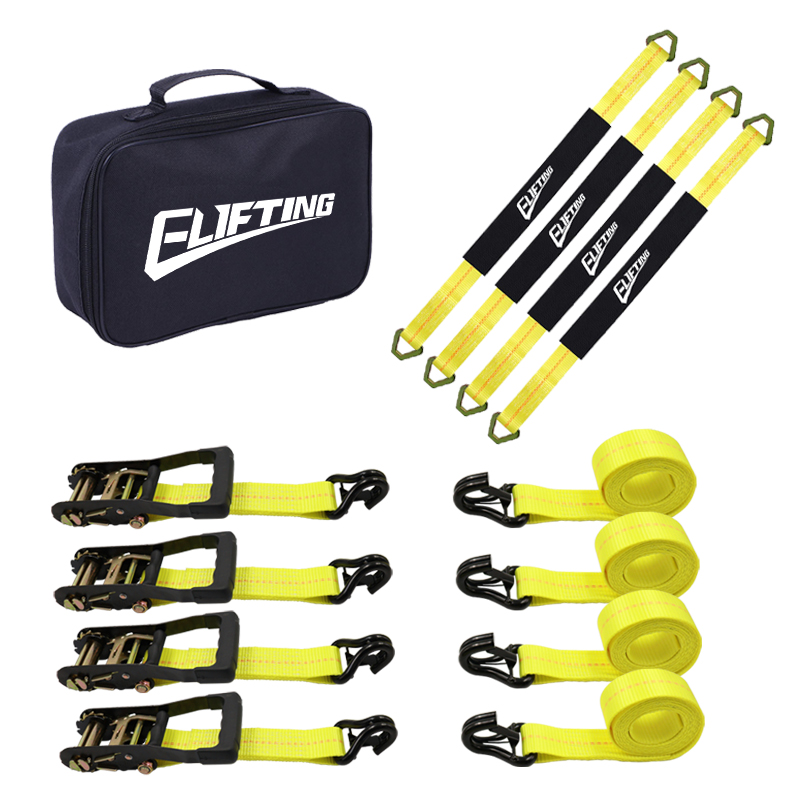
Tie Down Axle Straps Set is a set of high-strength straps designed for securing and stabilizing heavy loads during transportation. Made from durable p...
See Details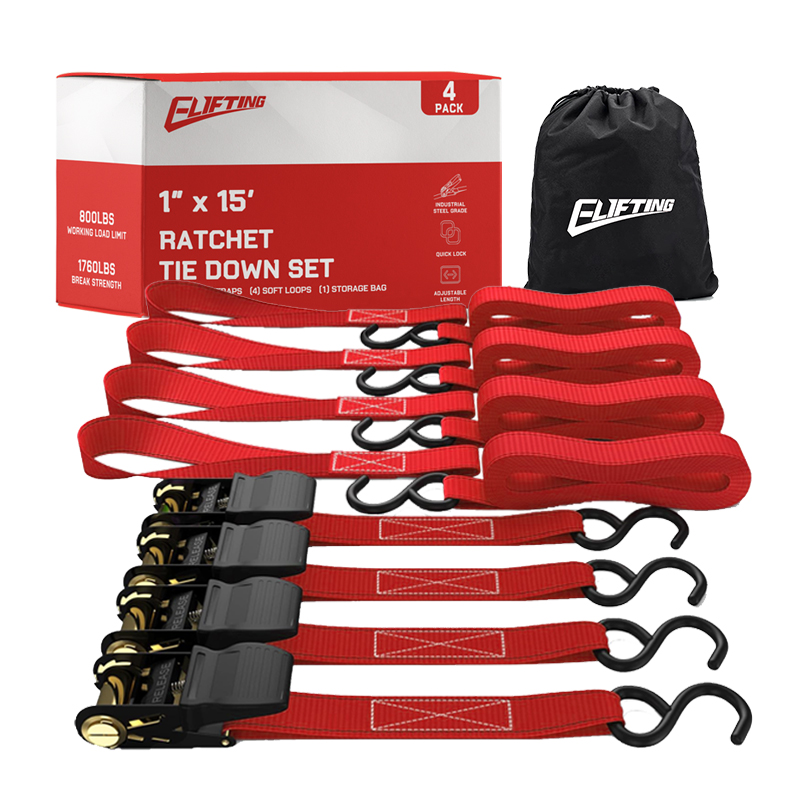
High Strength: Made from durable materials to ensure reliable securing force, suitable for binding and securing various heavy loads. Easy Operation:...
See Details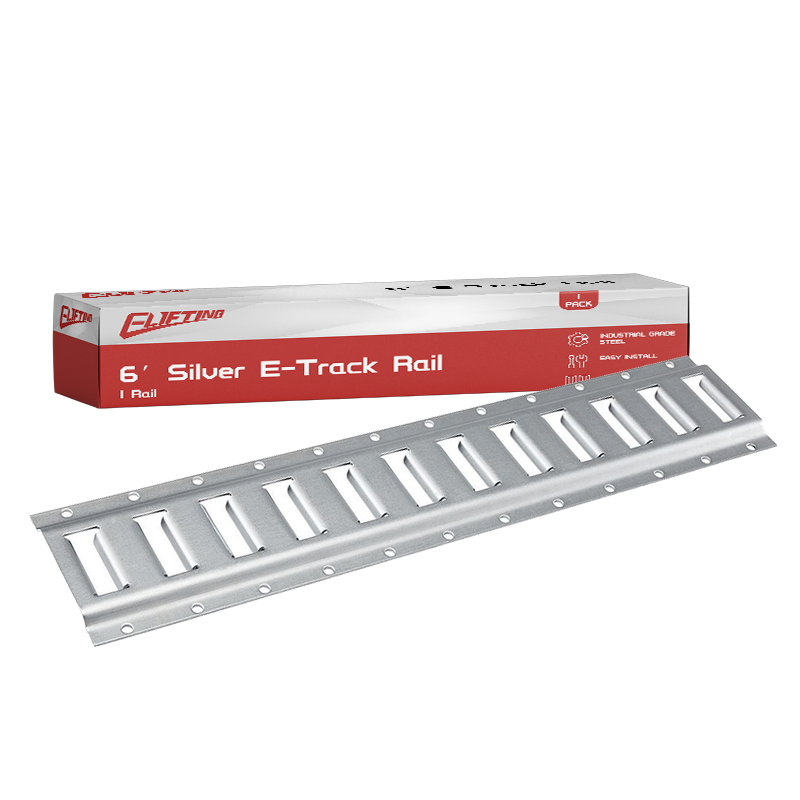
E-Track Rails is a rail system for securing cargo. It consists of a series of aluminum alloy or steel rails with slots, and with different accessories...
See Details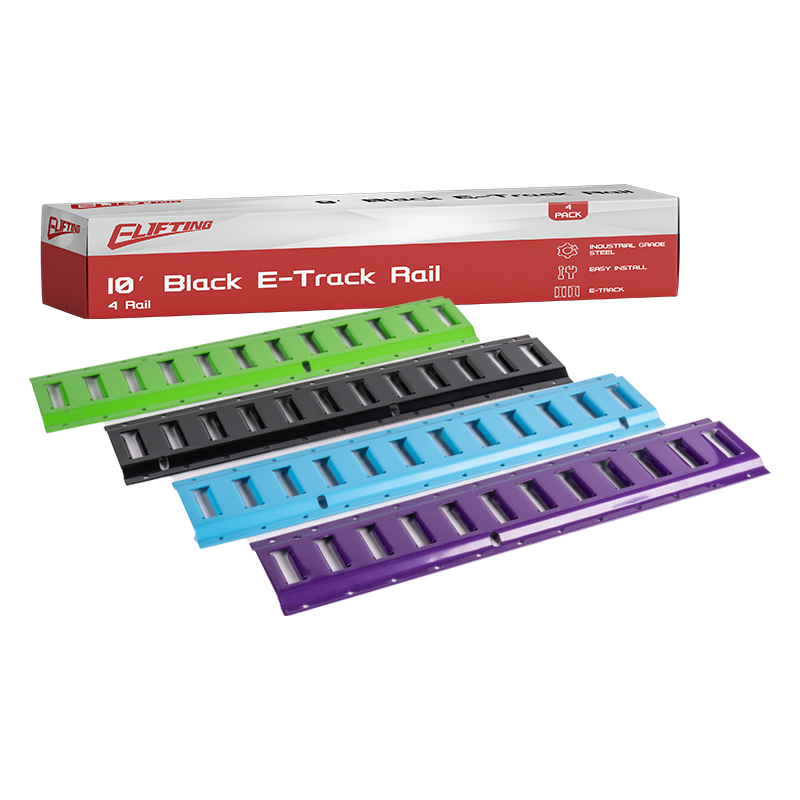
E-Track Rails is a rail system for securing cargo. It consists of a series of aluminum alloy or steel rails with slots, and with different accessories...
See Details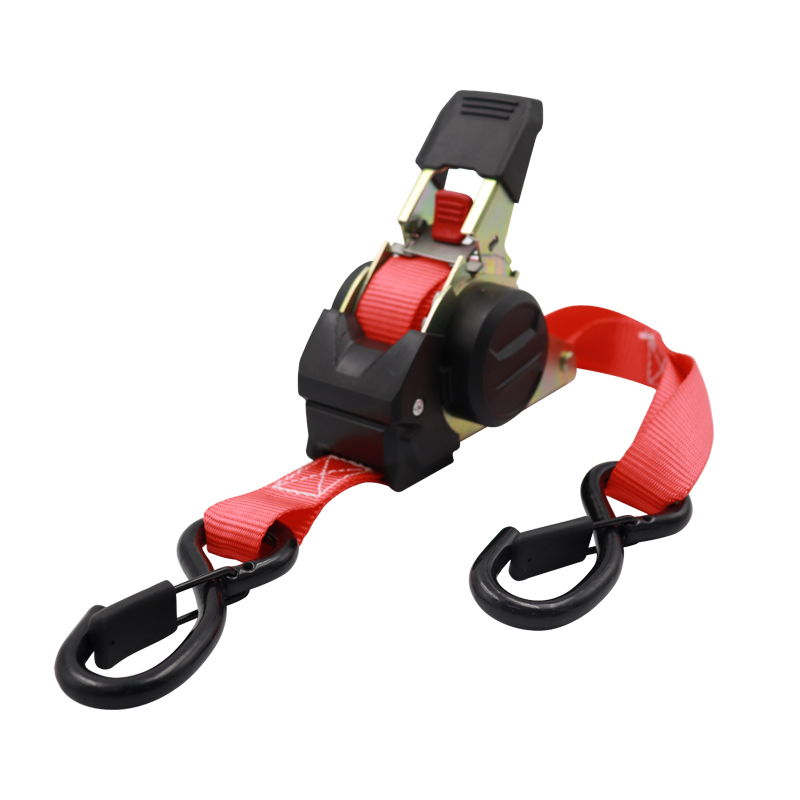
■ Instant automatic retractable strap - Easily retract excess strap length with the click of a button ■ Safety - With cushioning function, the strap ...
See Details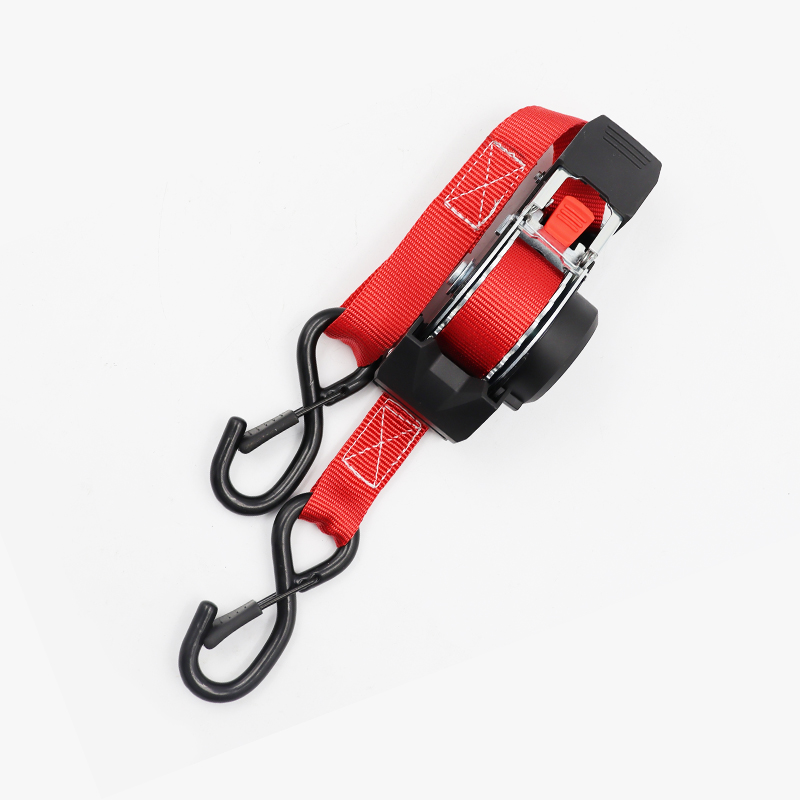
SAFER CONTROLLED RETRACTION - PREVENTS SNAP-BACK: Introducing our enhanced safety design! These retractable ratchet straps feature a built-in speed r...
See Details
Shangcheng Village, Tangxi Town, Ningbo, Zhejiang, China
+86 139 5782 7340
