


 English
 中文简体
中文简体
1" X 20" Ratchet Tie Down With S hook
Cat:1″Ratchet Straps
Crafted from high-grade polyester webbing and robust steel or plastic ratchet buckles, our 1" x 20' ratchet strap can withstand even the demanding tas...
See DetailsContent
To properly use a cam buckle strap, wrap the webbing around or through the anchor points on your cargo, feed the loose end down through the underside of the cam buckle, pull the strap tight by hand until the load is snug, and confirm the cam buckle teeth have gripped the webbing firmly without slipping. Unlike a ratchet strap, a cam buckle strap should never be tightened with tools or excessive force, since it is designed for hand-tensioned, light to medium-duty loads, typically rated up to a few hundred kilograms of breaking strength depending on webbing width and construction.
Getting this right matters because a cam buckle strap that is loaded incorrectly, twisted, or tensioned unevenly can loosen in transit even though the buckle mechanism itself is functioning normally. The sections below walk through the full correct-use procedure, explain how cam buckle straps differ from ratchet straps, cover weight capacity considerations, and highlight the most common mistakes that compromise cargo security.
A cam buckle strap consists of a length of woven polyester webbing threaded through a spring-loaded cam buckle, usually made of zinc alloy or stainless steel. The internal cam has angled teeth that grip the webbing when tension is applied in the tightening direction, while allowing the strap to be pulled smoothly through the buckle by hand. This design makes a cam buckle strap fast to tighten and release, which is why it is widely used for securing lighter cargo such as motorcycles, kayaks, furniture, appliances, and general household or moving loads.
The core difference between the two is the tensioning mechanism. A ratchet strap uses a mechanical lever to generate very high clamping force, making it suitable for heavy commercial cargo, while a cam buckle strap relies purely on hand tension and the cam's gripping teeth. This means a cam buckle strap is generally better suited to loads that do not require extreme tension, and using excessive force to compensate for a cam buckle strap's lower tensioning power is not a safe substitute for choosing a ratchet strap when heavier tension is genuinely required.
Following this sequence every time helps ensure a cam buckle strap performs at its intended capacity, since even a well-made strap will underperform if the webbing is twisted, routed over a sharp edge, or left with the cam buckle only partially engaged.
| Webbing Width | Typical Breaking Strength | Common Use Case |
|---|---|---|
| 1 inch | Approximately 300 to 500 kg | Small appliances, luggage, light equipment |
| 1.5 inch | Approximately 500 to 700 kg | Furniture, motorcycles, kayaks and canoes |
| 2 inch | Approximately 700 to 800 kg | Larger cargo, general moving and transport loads |
These figures are general references, and actual capacity always depends on the specific webbing material, buckle construction, and manufacturer rating printed on the strap's working load limit tag. A cam buckle strap should always be selected with a working load limit that comfortably exceeds the actual cargo weight, rather than being used near its rated maximum, since tie-down straps are typically rated at a fraction of their listed breaking strength for safety margin.
Even a well-made cam buckle strap can fail to hold cargo securely if used incorrectly. The most frequent errors include the following.
Replacing a worn cam buckle strap is a low-cost decision compared to the potential cost of cargo damage or a road safety incident caused by strap failure in transit.
Selecting an appropriate cam buckle strap depends on the type of cargo, the anchor points available, and the environment the strap will be used in. Key features to compare when choosing a strap include the following.
A properly matched cam buckle strap setup reduces the need to improvise with mismatched hardware, which is one of the more common causes of strap failure during loading and unloading.
Rinse webbing that has been exposed to salt, mud, or chemical residue, and allow the strap to fully air dry before storage, since trapped moisture can weaken polyester fibers over time and promote corrosion inside the cam buckle housing.
Store cam buckle straps loosely coiled in a dry area away from direct sunlight, since prolonged UV exposure gradually degrades webbing strength even when the strap is not in active use. Avoid storing straps under heavy objects that could crush or kink the cam mechanism.
Because cargo security depends on consistent hardware quality, sourcing cam buckle straps from a manufacturer with dedicated lashing equipment experience helps ensure reliable performance across every unit. Ningbo Easy Lifting Auto Accessories Co., Ltd., based in Ningbo, China, specializes in cargo control and lashing equipment, including stainless steel center buckles, ratchet tie-down straps, hooks, webbing slings, and cam buckle strap products built with durable polyester webbing and metal cam buckles. The company's cam buckle straps are commonly constructed with high-density polyester webbing rated to a breaking strength of approximately 800kg on select models, and the company states compliance with relevant GS and EC standards for its lashing equipment range.
When comparing cam buckle strap suppliers, buyers should confirm the following before ordering in volume.
A well-constructed cam buckle strap from an experienced lashing equipment manufacturer gives everyday users and logistics operators alike a dependable, easy-to-use tool for securing lighter cargo safely and efficiently.
A cam buckle strap is limited by hand tension, so it is much harder to over-tighten than a ratchet strap, but pulling excessively hard on delicate cargo can still cause compression damage, so tension should always be matched to what the cargo can safely withstand.
Slipping is usually caused by twisted webbing, a worn or dirty cam mechanism that no longer grips cleanly, or feeding the strap through the buckle in the wrong direction. Cleaning the buckle and re-threading the webbing correctly resolves most slipping issues.
Yes, cam buckle straps rated with an appropriate working load limit are commonly used for motorcycle tie-down, typically combined with soft loop anchors at the handlebars or frame and multiple straps to secure the bike from more than one direction.
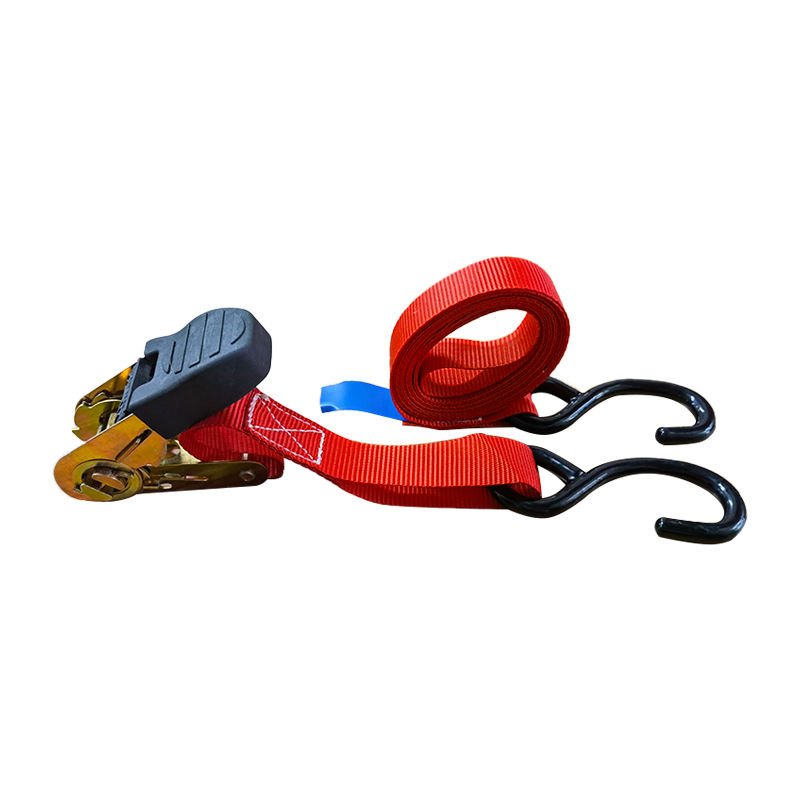
Crafted from high-grade polyester webbing and robust steel or plastic ratchet buckles, our 1" x 20' ratchet strap can withstand even the demanding tas...
See Details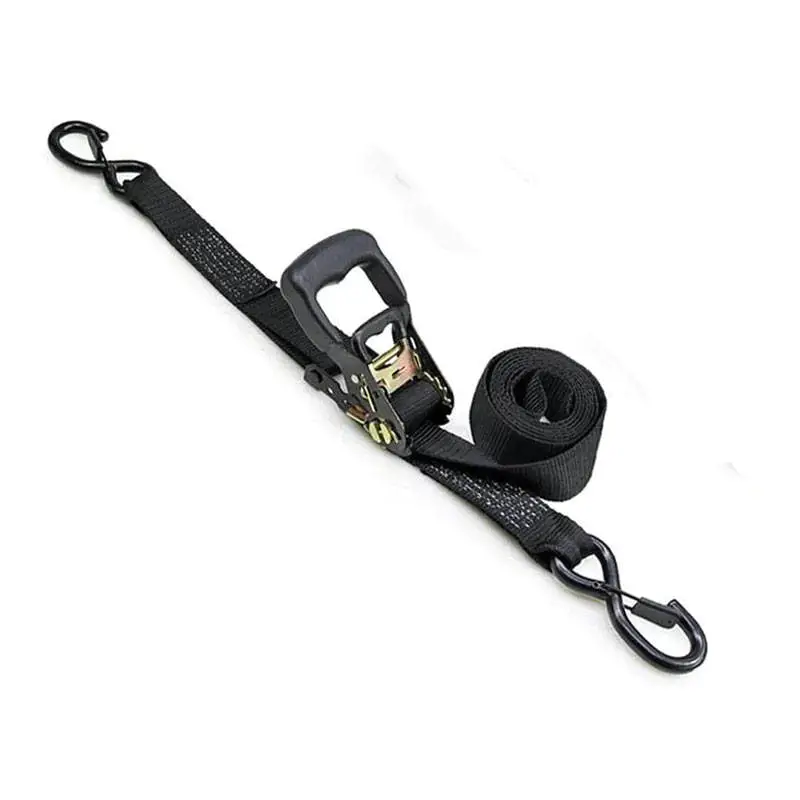
The compact and lightweight design of our 2" x 15' ratchet strap makes it easy to store and transport. Whether you're keeping it in your toolbox, glov...
See Details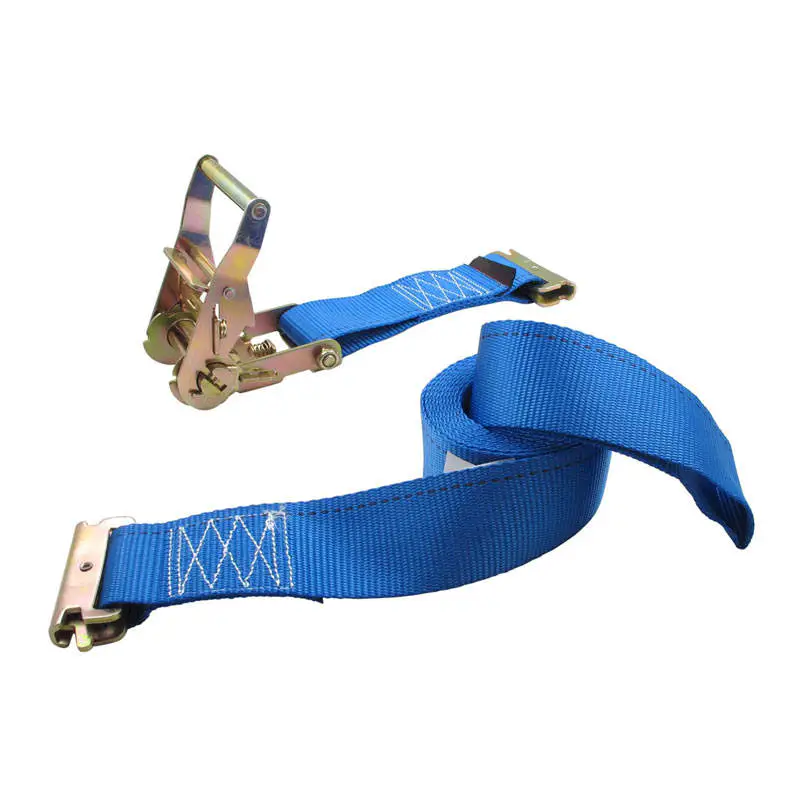
The ingenious E Track fitting design makes attaching and detaching the strap a breeze. Simply slide the E Track fitting into the E Track rail, engage ...
See Details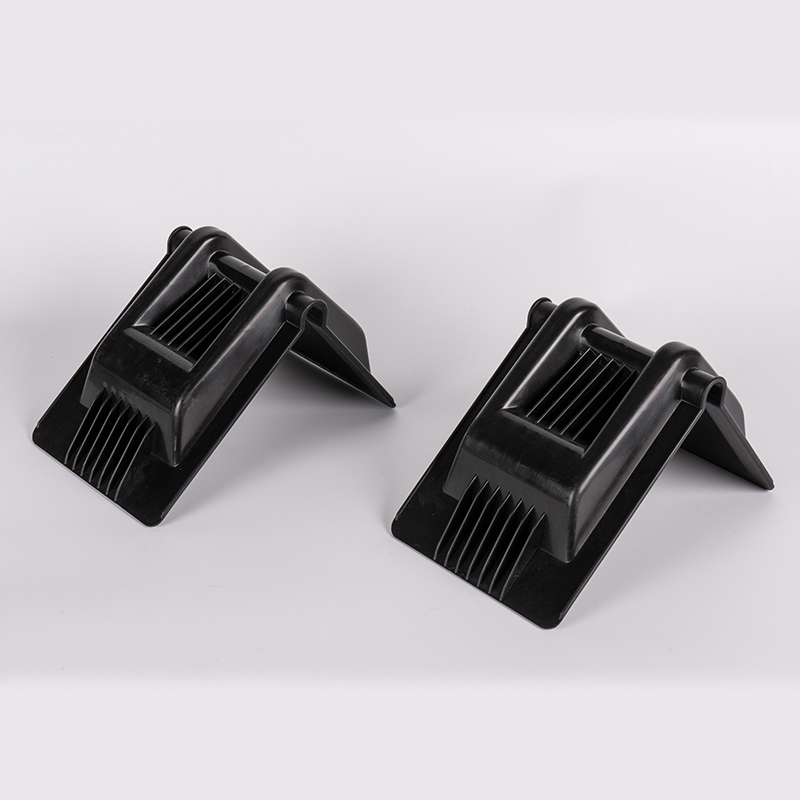
Protect your goods from damage during transportation! Our 6-inch Guard Cargo plastic corner guards are your choice to solve your problem. Made of stur...
See Details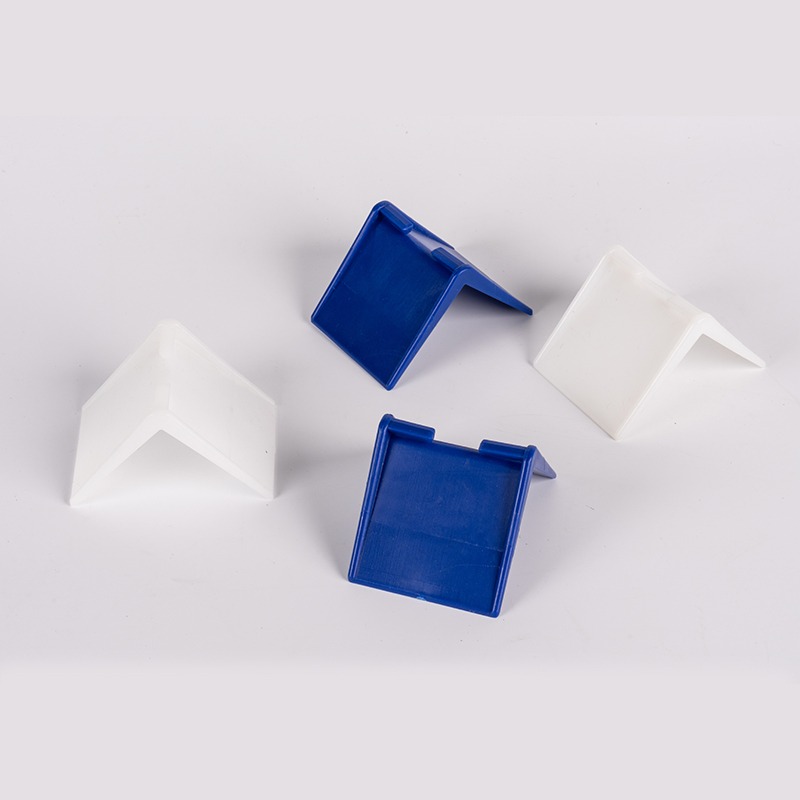
This vee board corner protector is an easy way to protect cargo from damage during transport and secure your straps in place. The high-density polyeth...
See Details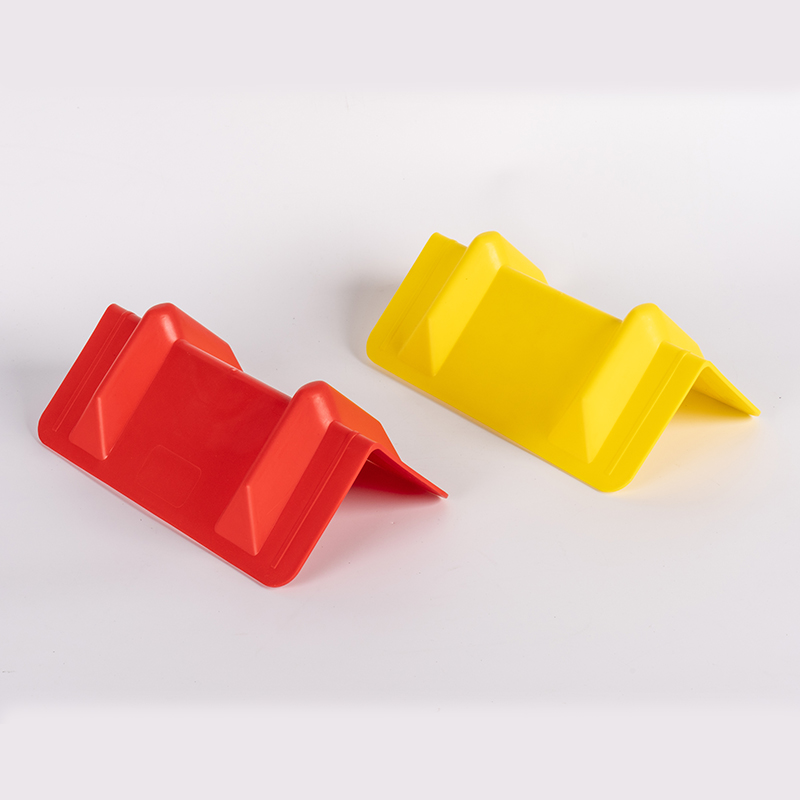
To ensure the safety of goods during transportation, our 6-inch plastic corner protectors are included. Made of durable plastic material, it can effec...
See Details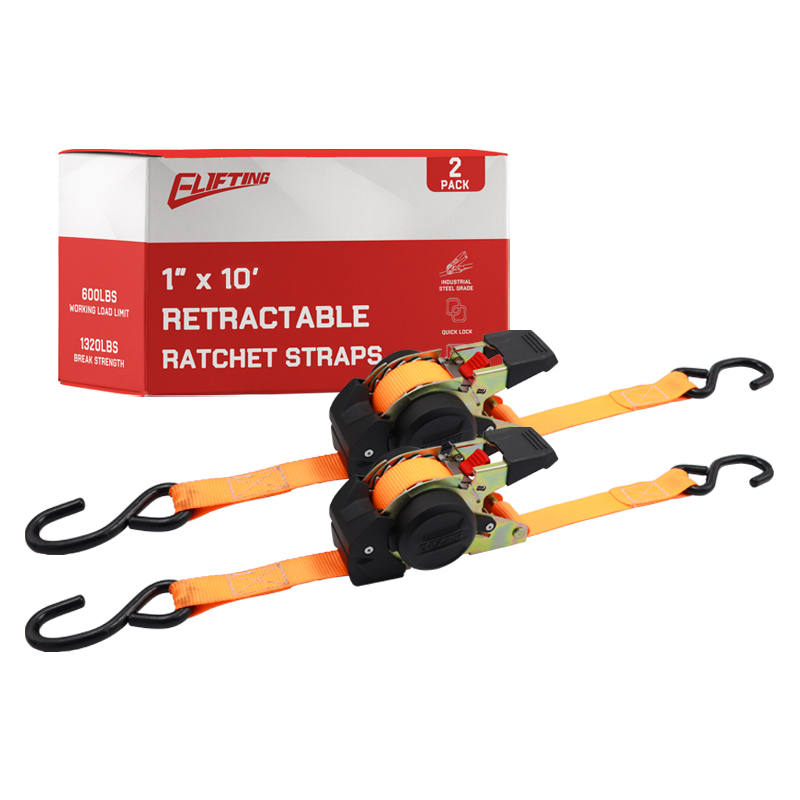
■ Instant automatic retractable strap - Easily retract excess strap length with the click of a button ■ Safety - With cushioning function, the strap ...
See Details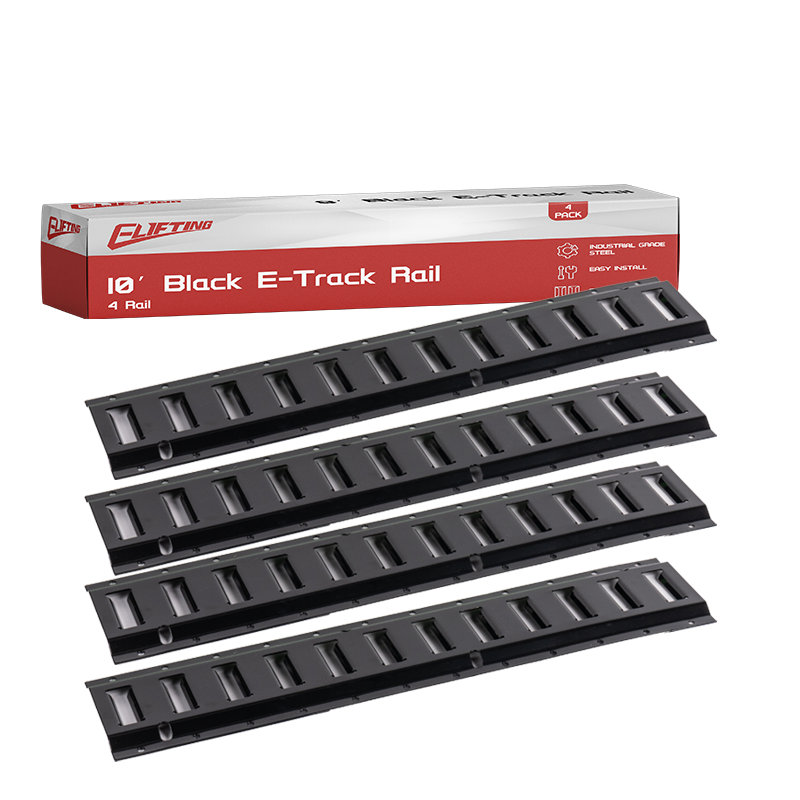
E-Track Rails is a rail system for securing cargo. It consists of a series of aluminum alloy or steel rails with slots, and with different accessories...
See Details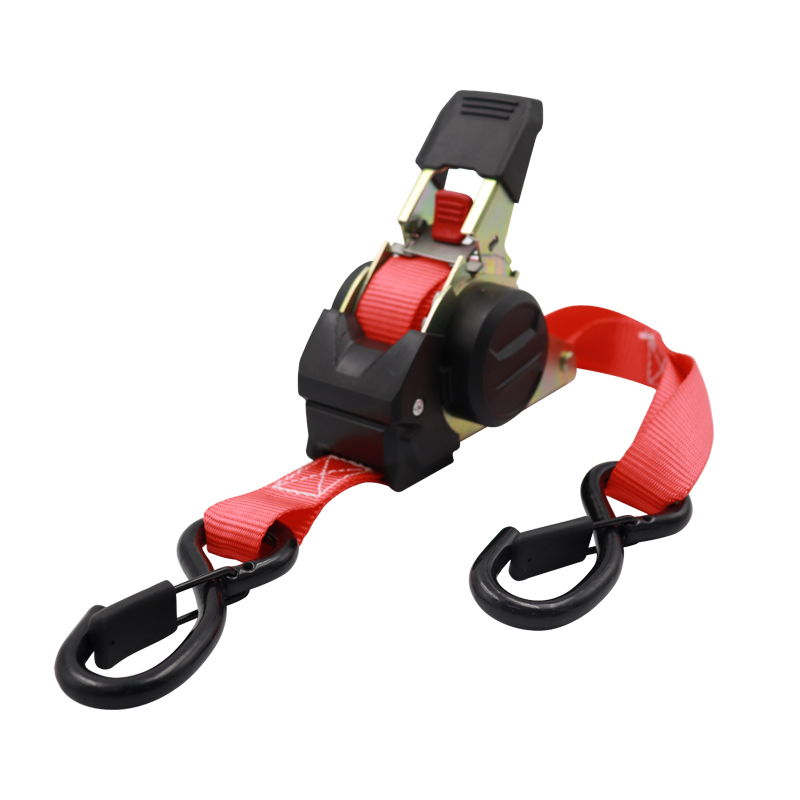
■ Instant automatic retractable strap - Easily retract excess strap length with the click of a button ■ Safety - With cushioning function, the strap ...
See Details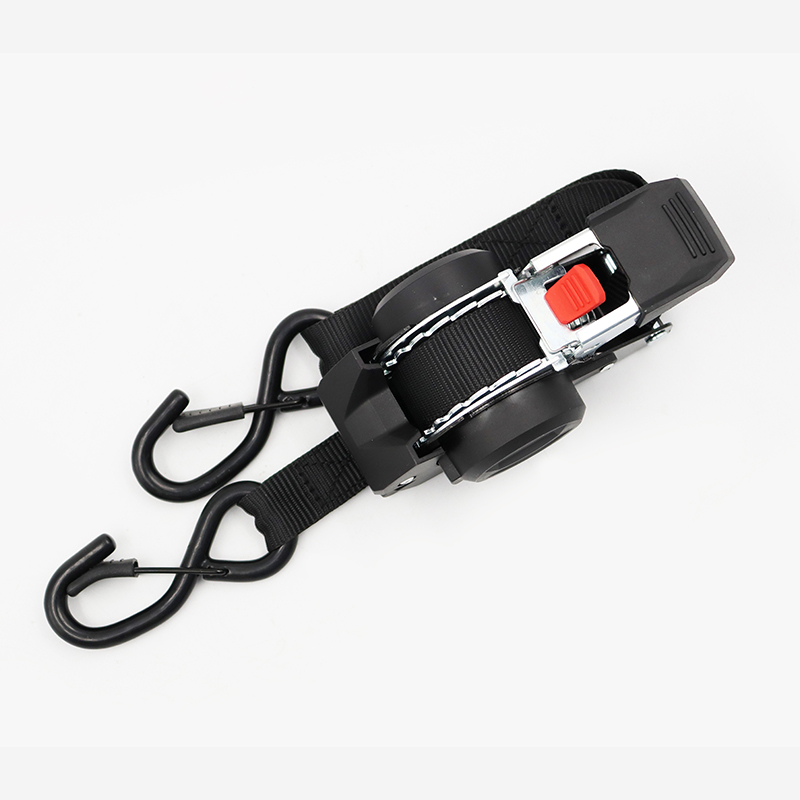
SAFER CONTROLLED RETRACTION - PREVENTS SNAP-BACK: Introducing our enhanced safety design! These retractable ratchet straps feature a built-in speed r...
See Details
Shangcheng Village, Tangxi Town, Ningbo, Zhejiang, China
+86 139 5782 7340
