Is E-Track or L-Track Better? The Direct Answer
There is no universal winner between the two — the better choice depends entirely on the vehicle and cargo type. E-Track Rails are generally the better choice for enclosed trailers, cargo vans, and commercial trucking applications that need to secure heavy, bulky loads with a proven, industry-standard steel rail. L-track is generally the better choice for pickup truck beds and tighter spaces where a lighter, narrower aluminum rail with fully repositionable fittings offers more flexibility.
In practical terms: if you are outfitting a box truck, moving van, or flatbed trailer floor and wall for regular commercial cargo securement, E-Track Rails are the more established, heavy-duty option, with a longer track record and a wider selection of compatible straps and fittings. If you are working in a pickup bed, a toy hauler, or a space where you need to reposition anchor points frequently to match changing cargo shapes, L-track's compact profile and modular spring fittings usually make more sense.
Rather than treating this as a simple either-or decision, it helps to understand exactly how the two systems differ structurally, what each one is actually built to handle, and where the trade-offs show up in day-to-day use. That is what the rest of this guide covers in detail.
What Actually Makes E-Track and L-Track Different
Profile and Material
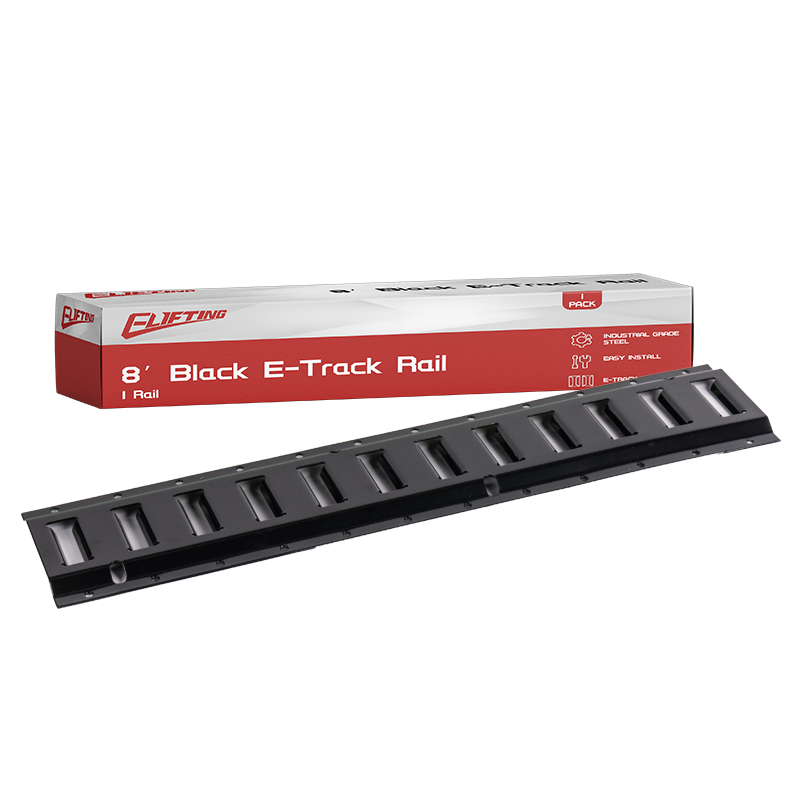
E-Track Rails are made from solid 12-gauge steel and have a wider, flatter profile with attachment points secured on the outside edge of the track. This steel construction gives E-Track its reputation as the more industrial, heavy-duty option, capable of standing up to repeated loading, unloading, and rough handling in commercial trailers. L-track, by contrast, is typically made from lightweight aluminum, has a more compact appearance, and its attachment points sit inside the track channel rather than on the outer edge. The trade-off is straightforward: steel brings raw strength and durability, while aluminum brings lighter weight and natural resistance to rust.
Slot Pattern and Fitting Style
E-Track rails use elongated, E-shaped slots. Horizontal E-Track typically has one slot every 2 inches, while vertical E-Track has one slot every 4 inches along the rail. Fittings hook directly into the E-shaped slot from the outside, which makes attaching and detaching straps quick — you simply drop the fitting into the nearest slot rather than sliding it along a channel. L-track uses a continuous row of round openings that accept removable spring-loaded fittings, which insert into the channel and lock in place. This design allows anchor points to be repositioned with much finer precision along the entire rail length, which matters when cargo dimensions vary from load to load.
Load Capacity
Load ratings vary by manufacturer and fitting type, but E-Track rails are commonly rated in the range of roughly 2,000 lbs per rail for standard horizontal sections, while heavier-duty L-track fittings — particularly triple-stud designs — can be rated significantly higher per individual fitting, in some cases up into the thousands of pounds range depending on the specific hardware used. Neither system has one fixed universal rating that applies across every product on the market, so the specific product's stamped or listed working load limit should always be the deciding factor for a given load, rather than assuming one system is categorically stronger than the other in every configuration.
Mounting Orientation
Both systems can be mounted horizontally along walls or floors, or vertically along wall posts, though E-Track's vertical configuration is more commonly seen in commercial trailers where straps need to angle downward across stacked freight. L-track is more frequently installed as a horizontal floor system in pickup beds and smaller enclosed spaces, though vertical wall installations are also available depending on the vehicle layout.
E-Track vs. L-Track at a Glance
Key structural and application differences between E-Track and L-Track systems.
| Feature |
E-Track |
L-Track |
| Material |
12-gauge steel |
Aluminum |
| Profile |
Wider, flatter |
Narrow, low-profile |
| Fitting Location |
Outside edge |
Inside channel |
| Typical Use |
Enclosed trailers, cargo vans, commercial trucking |
Pickup beds, tight or custom spaces |
| Corrosion Resistance |
Powder-coated steel, good with proper finish |
Naturally corrosion-resistant aluminum |
| Fitting Repositioning |
Fast hook-in at any slot |
Slide and lock along the channel |
When E-Track Rails Are the Better Choice
E-Track Rails tend to be the stronger fit in these situations:
- Securing heavy, bulky freight inside enclosed trailers or moving vans, where the steel rail's higher raw strength matters more than weight savings
- Commercial trucking operations that need a widely recognized, industry-standard system with abundant strap and fitting compatibility across suppliers
- Floor-mounted installations on open or flatbed trailers, where E-Track's lower profile reduces tripping hazards for workers loading and unloading cargo
- Applications where straps need to attach and detach quickly and frequently, since fittings hook directly onto the outside edge without needing to be threaded into a channel
- Fleets that want long-term consistency across multiple vehicles, since E-Track's long history in the market means replacement parts and accessories are easy to source years later
When L-Track Is the Better Choice
L-track tends to win out in these scenarios:
- Installing tie-downs inside a pickup truck bed, where L-track's narrow width fits neatly between bed ribs and bedrails without eating into usable cargo space
- Securing smaller, wheeled cargo such as motorcycles, ATVs, or specialty equipment that needs precise, repositionable anchor points at very specific spots
- Applications where corrosion resistance and a lighter overall weight matter more than raw load rating, such as vehicles that see frequent exposure to moisture or road salt
- Setups that change frequently in cargo size or shape, since L-track's spring fittings can be relocated without tools in most cases, making reconfiguration fast between jobs
- Applications where a cleaner, lower-visibility finish is preferred, since L-track's narrower channel and anodized finish tend to sit more discreetly against a vehicle interior
Installation and Compatibility Notes
Because E-Track and L-Track use fundamentally different slot geometries, their fittings are not interchangeable — an E-Track fitting will not lock into an L-track channel, and vice versa. Before purchasing straps, anchors, or accessories, confirm which rail system is already installed, since mixing components between the two systems is one of the most common and avoidable mistakes buyers make, often only discovered after the parts have already arrived.
Both horizontal and vertical E-Track configurations are common: horizontal rails run along walls or trailer floors for general-purpose securement, while vertical rails mounted on wall posts allow straps to be angled downward over stacked cargo, spreading the load across multiple anchor points rather than concentrating stress on a single fitting. Choosing horizontal, vertical, or both depends on the shape and stacking pattern of the freight being hauled, and larger commercial trailers frequently combine both orientations to maximize flexibility.
Installation itself is relatively similar for both systems — rails are bolted or screwed into the floor, wall studs, or bed structure at regular intervals — but because E-Track is heavier and often installed across larger surface areas, it typically calls for more mounting points to keep the rail rigid under load. L-track's lighter weight generally requires fewer fasteners per foot of rail, which can simplify installation in smaller vehicles.
Sourcing Reliable E-Track Rails
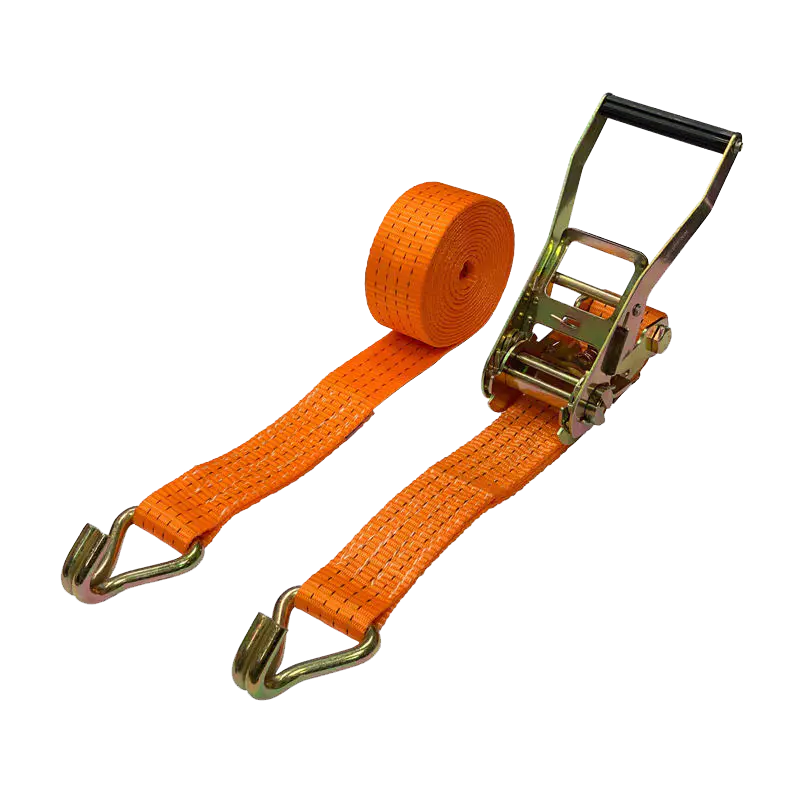
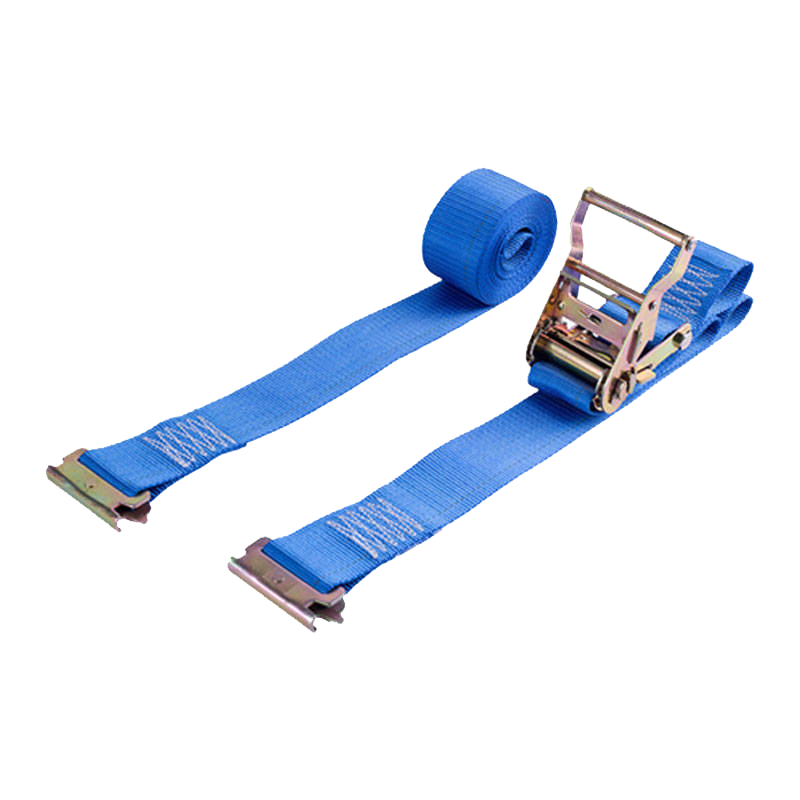
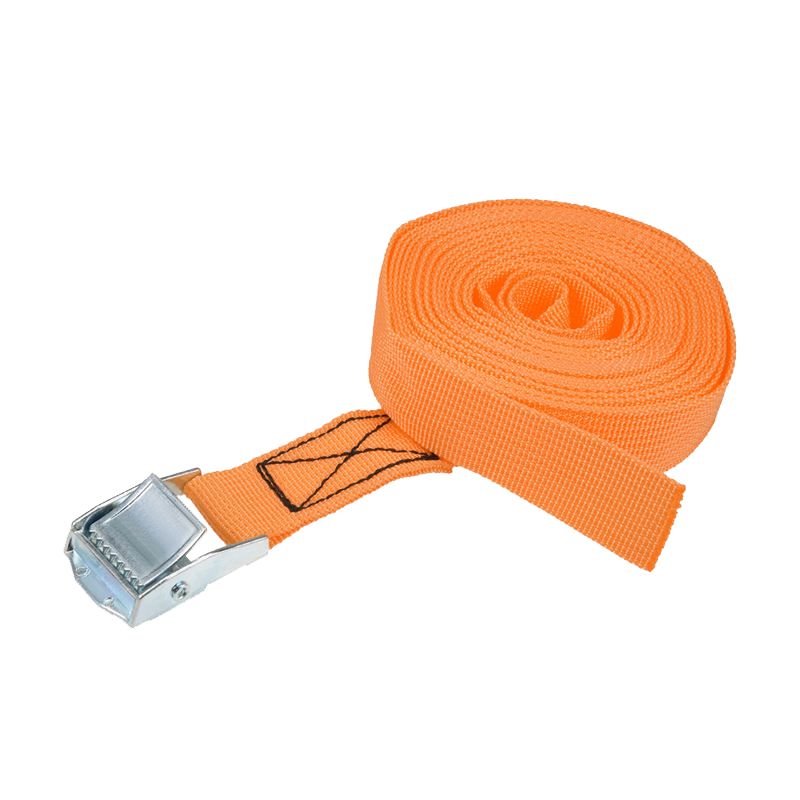
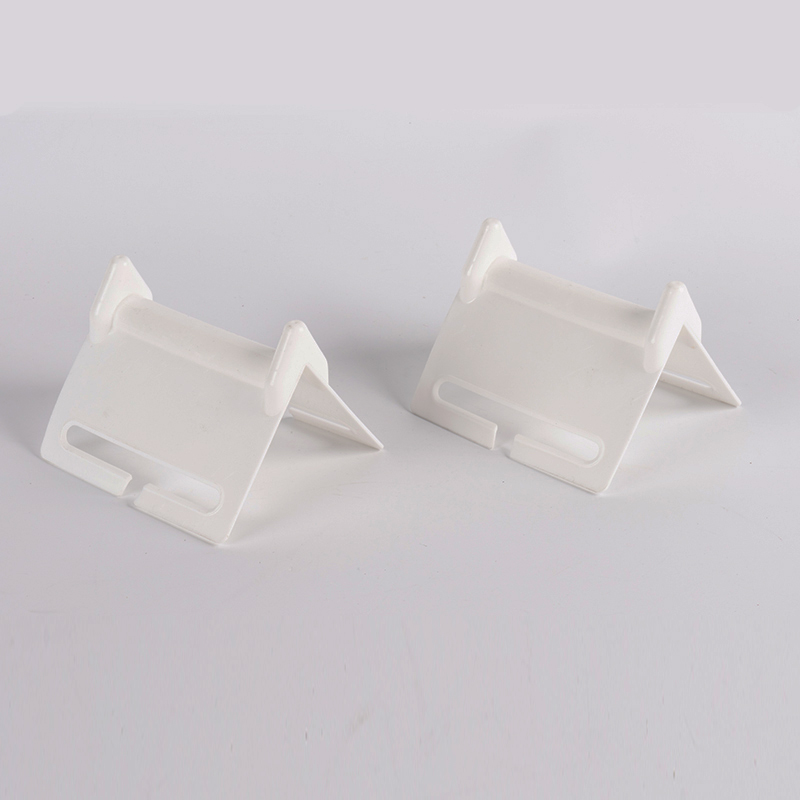
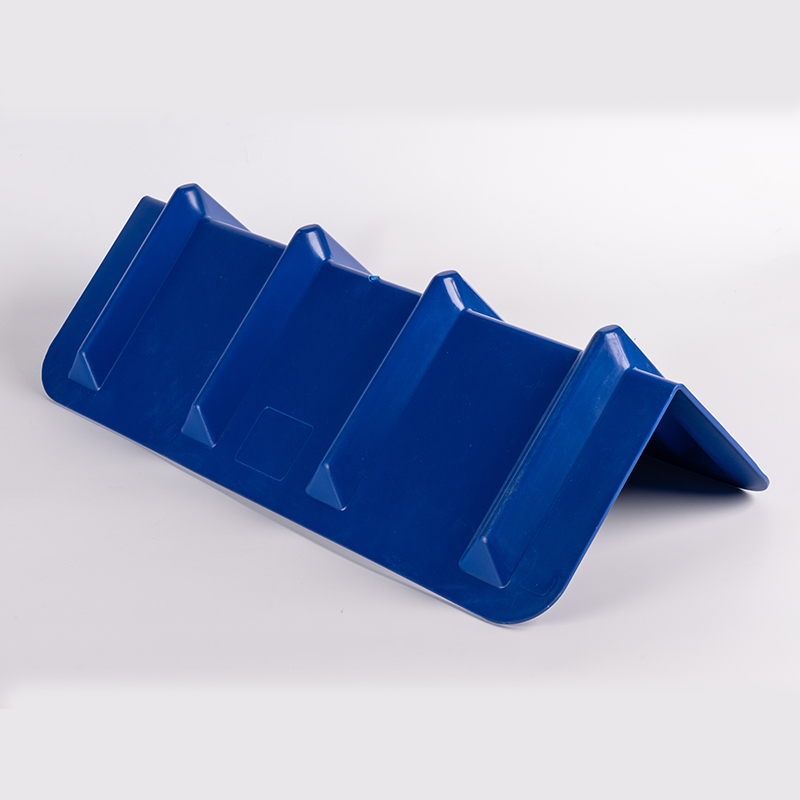
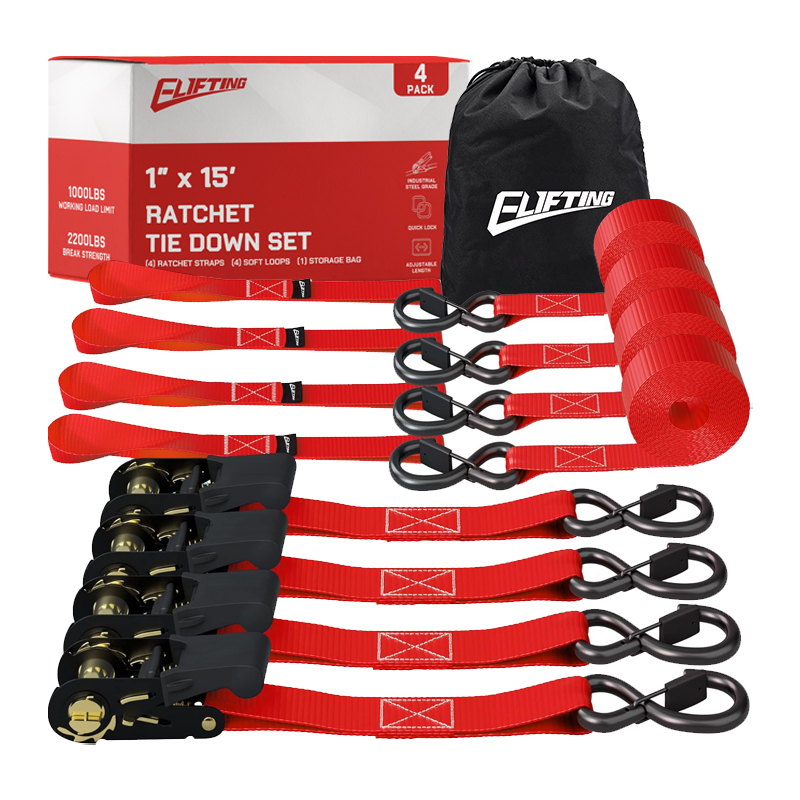
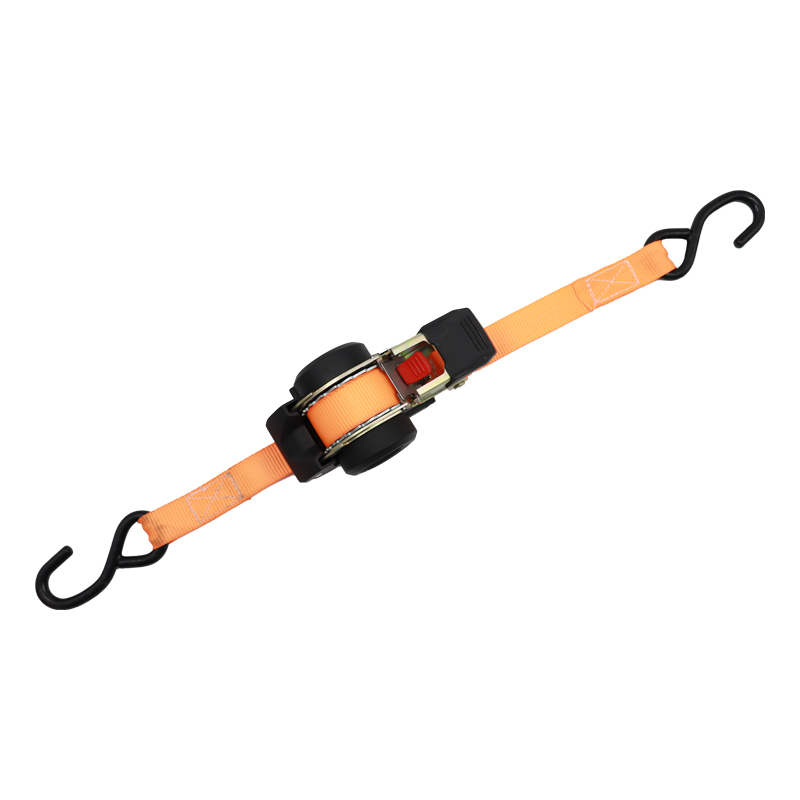
ELIFTING, operated by Ningbo Easy Lifting, manufactures a dedicated E-Track Rails product line alongside a wider range of cargo securement products including retractable ratchet straps, ratchet tie-down straps, tie-down strap kits, and plastic corner protectors. The company's E-Track rails are built for durability in commercial trucking and trailer applications, with options across different lengths, finishes, and steel gauges to match varied load and mounting requirements, giving fleets and trailer outfitters flexibility when standardizing a securement system across multiple vehicles.
Fleet operators and trailer outfitters comparing rail options for a specific vehicle can review the full E-Track Rails range to match rail length, finish, and load rating before placing an order.




 English
 中文简体
中文简体