


 English
 中文简体
中文简体
2" X15" Ratchet Strap Tie Down 5000lb J Hook
Cat:2 Inch Ratchet Straps
The ingenious ratchet buckle mechanism makes tightening and releasing the strap a breeze. Simply thread the strap through the buckle, pull the webbing...
See DetailsRatchet straps fail during transport primarily due to five causes: overloading beyond the Working Load Limit (WLL), improper routing that creates damaging contact angles, webbing degradation from UV exposure and moisture, mechanical failure of the ratchet buckle or hooks, and operator error in tensioning technique. Research by the Federal Motor Carrier Safety Administration (FMCSA) found that cargo securement violations account for approximately 9% of all out-of-service vehicle violations, with strap failure being a leading physical cause of shifting or lost loads. Understanding exactly why straps fail — and choosing equipment designed to prevent those failure modes — is the most direct path to safer, more reliable cargo securement.
Whether you rely on a Heavy Duty Cargo Strap for flatbed hauling, a Trailer Tie Down Strap for equipment transport, or a Truck Bed Tie Down for daily delivery runs, the failure mechanisms are consistent — and largely preventable with the right knowledge and equipment selection.
Content
Field investigations of cargo load incidents consistently point to the same cluster of failure causes. While each incident has its own specifics, the underlying mechanisms repeat with high frequency across fleet types, cargo categories, and geographies. Addressing these root causes — rather than just replacing failed straps — is what creates lasting improvement in cargo securement reliability.
Primary Causes of Ratchet Strap Failure in Transport Incidents (% of reported cases)
Fig 1. Distribution of primary failure causes across reported cargo strap incidents. Overloading and webbing degradation together account for 60% of failures, both of which are preventable through correct equipment selection and inspection routines.
The chart above reveals a clear hierarchy: overloading and webbing degradation together account for 60% of all failures, making them the highest-priority areas for prevention. Notably, these are also the two causes most effectively addressed by equipment upgrades — particularly by adopting designs that make correct tensioning intuitive and that protect webbing from the tangling and kinking that accelerates wear. The remaining causes — routing errors, mechanical failure, and operator error — are substantially reduced by improved strap management systems.
Every Cargo Securement Strap has a published Working Load Limit — typically one-third of the strap's minimum break strength. A 2-inch polyester webbing strap with a break strength of 6,000 lbs carries a WLL of 2,000 lbs. When cargo shifts during braking or cornering, dynamic forces can multiply the effective load by a factor of 1.5 to 2.5x the static cargo weight. A 3,000 lb load that appears manageable with two standard straps can exceed both straps' WLLs simultaneously during emergency braking at highway speed.
The FMCSA's cargo securement regulations require that the aggregate WLL of all tie-downs equals at least half the weight of the cargo being secured for most cargo types. Under-strapping — using too few straps or straps with insufficient WLL — is the single largest driver of transport failures.
Polyester webbing loses tensile strength progressively under UV exposure, moisture cycling, and abrasion. Testing by webbing manufacturers shows that untreated polyester webbing exposed to outdoor conditions for 12 months can lose 20–35% of its original break strength. Kinking and improper storage — typically from manually coiling straps and tossing them into a truck bed — creates localized stress concentrations that further reduce effective strength at the bent sections. An Anti Tangle Ratchet Strap with auto-rewind functionality directly addresses this by keeping webbing taut and evenly spooled rather than kinked or randomly coiled.
Webbing degradation is not a sudden event but a cumulative process driven by multiple stressors operating simultaneously. Understanding the degradation curve helps fleet managers establish rational inspection and replacement schedules rather than relying on visual inspection alone — since significant strength loss can occur before visible damage is apparent.
Polyester Webbing Tensile Strength Retention (%) vs. Service Months Under Different Conditions
Fig 2. Estimated tensile strength retention (%) of polyester webbing over 36 months under three storage and use conditions. Straps stored tangled or kinked cross the 60% strength threshold nearly a year earlier than properly stored straps.
The chart shows a striking divergence between storage methods over time. Properly stored straps retain over 80% of original strength at 36 months, while straps subject to tangling and kinking cross the recommended 60% replacement threshold by approximately month 20 — a full 16 months earlier. This underscores why an Auto Retractable Tie Down or Self Retracting Ratchet Strap provides a functional safety benefit beyond convenience: auto-rewind eliminates the tangling and kinking that are the primary mechanical driver of accelerated degradation. Fleets that adopt retractable designs report extended average strap service life alongside reduced replacement costs.
Routing a Trailer Tie Down Strap across a sharp cargo edge — the corner of a steel coil, a timber angle, a machine chassis — concentrates the strap's tensile load onto a contact area sometimes as small as 2–3mm of edge radius. At the same tension level, a strap loaded over a sharp 3mm radius edge can experience local stress 4 to 8 times higher than the average stress across the full webbing width. This localized overload can cause cutting failure at tensions well below the strap's nominal WLL.
Edge protectors — corner pads, pipe sleeves, or angle iron protectors — reduce this contact stress by distributing the load across a larger radius. Yet industry surveys consistently find that edge protector use is inconsistent, particularly among small operators or drivers under time pressure. Choosing a webbing construction with higher abrasion resistance (tighter weave, polyester over polypropylene) and routing straps to cross edges at angles greater than 45 degrees are practical mitigation steps that require no additional equipment.
For standard flatbed and Truck Bed Tie Down applications where cargo surfaces are relatively smooth, edge contact is less of a concern — but anchor point routing angle remains important. A strap routed at more than 45 degrees from vertical loses efficiency: at 60 degrees from vertical, the vertical restraint component of strap tension is only 50% of strap tension, meaning you need twice as much strap load to achieve the same downward force on the cargo.
The ratchet mechanism and end hooks are the highest-stress metal components in a tie-down system. Failures in these components most commonly arise from three sources: corrosion reducing effective cross-section, overloading deforming the hook or ratchet pawl, and fatigue from repeated loading cycles.
A Quick Release Ratchet Strap design that integrates a robust one-piece stamped or forged ratchet body — rather than welded assembly — significantly reduces the corrosion initiation sites associated with weld heat-affected zones. Hardware that complies with GS and EC standards undergoes independent tensile and cycle testing that validates performance beyond nominal ratings.
The introduction of Retractable Tie Down System designs — where webbing automatically retracts into a spool when released — addresses several failure modes simultaneously. By eliminating manual coiling, auto-retract designs prevent the kinking, twisting, and UV exposure that degrade traditionally stored straps. The radar chart below compares standard ratchet straps against retractable designs across six performance dimensions relevant to failure prevention.
Performance Comparison: Standard Ratchet Strap vs. Self Retracting Ratchet Strap
Fig 3. Illustrative performance radar comparing Self Retracting Ratchet Strap vs. standard ratchet strap across six dimensions critical to failure prevention. The retractable design shows significantly stronger performance in tangle prevention, webbing protection, and service life.
The radar chart shows that the self-retracting design leads most clearly in tangle prevention, webbing protection, and service life — the three dimensions most directly linked to the webbing degradation failure mode that accounts for 26% of all strap failures. The consistency of tension achieved by auto-retract mechanisms also reduces the risk of undertensioned straps that shift during transit. For operators running high-frequency cargo cycles, these performance gains accumulate into meaningful reductions in both strap replacement frequency and cargo incident risk over a full operating season.
Even a correctly rated and well-maintained Adjustable Cargo Strap will fail if used incorrectly. Operator error is responsible for an estimated 8% of strap-related cargo incidents, but this figure likely understates its contribution since many overloading incidents also involve operator judgment errors about load weight or strap quantity required.
| Operator Error | Failure Mechanism | Prevention |
|---|---|---|
| Undertensioning strap | Cargo shifts, dynamic load surge exceeds WLL | Tension to rated WLL; use tension indicator |
| Twisting webbing before tensioning | Twist creates local stress concentration, reduces effective WLL by up to 30% | Always run webbing flat; use retractable design |
| Joining two straps end-to-end | Hook-to-hook join creates point load; hooks bend or disengage | Use rated extension straps or longer single strap |
| Hooking to non-rated anchor point | Anchor fails before strap WLL is reached | Use only marked and rated cargo anchor points |
| Not checking tension after first 50 miles | Webbing settles, cargo compresses; tension drops 10–20% | Re-tension at first stop; inspect every 150 miles |
The table highlights that most operator errors share a common characteristic: they are process failures, not knowledge failures. Drivers typically know that straps should be tensioned properly — but time pressure, fatigue, and poor equipment design create conditions where shortcuts happen. A Retractable Tie Down System that auto-feeds webbing without twisting and maintains consistent tension reduces the number of steps where error can occur, making correct use the path of least resistance rather than the path requiring extra discipline.
Cargo securement regulations in most jurisdictions require that tie-downs be inspected for damage before each use. In practice, what constitutes "damage requiring retirement" is not always clearly understood. The following criteria are derived from industry standards including EN 12195-2 (European) and FMCSA 49 CFR Part 393 (US):
A strap meeting any of these retirement criteria should be immediately removed from service and destroyed to prevent reuse. The cost of a replacement Heavy Duty Cargo Strap is negligible compared to the liability and safety consequences of a strap failure at highway speed.
Estimated Strength Reduction by Damage Type (% reduction from rated WLL)
Fig 4. Estimated percentage reduction in effective WLL caused by different damage or misuse conditions. A single knot tied in the webbing reduces effective strength by approximately 50%, making it one of the most severe avoidable failure modes.
The data illustrates that seemingly minor misuse — tying a knot to extend reach, allowing a twist, or running a worn strap for an extra season — creates real and quantifiable reductions in the margin of safety that stands between a secured load and a highway incident. Knots are particularly damaging because they create a stress concentration that can cause webbing failure at less than half the rated WLL. These findings reinforce why selecting a well-designed Cargo Securement Strap with the right length and proper end fittings from the outset is always preferable to adapting an underspecified strap to fit the application.
Tired of tangled straps and time-consuming tie-downs? ELIFTING Retractable Ratchet Straps address these challenges with smart auto-rewind technology. Simply release the lever, and the webbing snaps back instantly — no manual coiling, no knots, no frustration. This design directly eliminates the storage-related webbing damage and kinking that the data in this article identifies as a primary driver of accelerated strap degradation.
Ningbo Easy Lifting Auto Accessories Co., Ltd. is a professional lashing equipment manufacturer in China, specializing in stainless steel center buckles, ratchet tie-down series, cam buckles, hooks, and webbing slings. As a professional China OEM Retractable Ratchet Strap Manufacturer and Factory, the company operates a well-equipped infrastructure unit supervised by engineers and professionals who strictly inspect and supervise at all stages of manufacturing. All lashing equipment complies with relevant GS and EC standards, and the product range is customizable to customer needs and specifications — supporting fleet operators, OEM supply chains, and specialty cargo control applications across global markets.
Q1. How do I know if my ratchet strap is still safe to use?
Inspect the webbing for cuts, fraying, discoloration, and kinks before every use. Check the ratchet mechanism for smooth operation without slipping. Verify hooks engage fully with safety latches intact, and confirm the WLL label is readable. If any of these checks fail, retire the strap immediately. A strap that has been loaded near its WLL in a sudden-stop event should also be inspected carefully even if no visible damage is apparent, as internal webbing fiber damage may not be externally visible.
Q2. What is the difference between break strength and Working Load Limit on a ratchet strap?
Break strength is the force at which the strap will fail in a laboratory test. Working Load Limit (WLL) is the maximum force the strap should bear in service — typically set at one-third of break strength to provide a safety factor that accounts for dynamic loading, webbing condition variability, and routing angle effects. Always plan your cargo securement using WLL, never break strength.
Q3. Can a Self Retracting Ratchet Strap be used for the same loads as a standard ratchet strap?
Yes, provided the Self Retracting Ratchet Strap is rated to an equivalent or higher WLL than the standard strap it replaces. The retractable mechanism does not reduce the structural load rating of the webbing or hardware — it changes how the webbing is stored and deployed. Always verify the WLL rating on the strap label and select based on your cargo weight and the number of straps required by applicable regulations.
Q4. How many ratchet straps do I need to secure a load legally?
Under FMCSA regulations (US) and similar standards in Europe, the aggregate WLL of all tie-downs must be at least 50% of the cargo weight for most general freight, with specific minimum strap counts based on cargo length. As a practical rule: cargo up to 10 feet long requires a minimum of 2 Trailer Tie Down Straps; cargo 10–20 feet requires a minimum of 3; and cargo over 20 feet requires an additional strap for each additional 10 feet. Always consult the applicable regulations for your cargo type and jurisdiction.
Q5. Why does my ratchet strap lose tension after a few miles of driving?
Tension loss in the first 30–50 miles is normal and occurs for two reasons: webbing fibers relax slightly under sustained load (called creep), and the cargo itself compresses marginally at contact points, particularly for loads on rubber feet, wooden pallets, or foam blocking. This is why re-tensioning at the first stop is a standard requirement in most cargo securement regulations. An Auto Retractable Tie Down with a consistent tensioning mechanism makes re-tensioning faster and more reliable than with conventional straps.
Q6. Are retractable ratchet straps suitable for outdoor and heavy-duty use?
Quality Heavy Duty Cargo Straps with retractable mechanisms are designed for outdoor transport use, including flatbed, open trailer, and truck bed applications. The webbing spool housing protects the retracted webbing from UV exposure and precipitation between uses, which is a meaningful advantage over standard straps left exposed in an open truck bed. Hardware — hooks, ratchet body — should be zinc-plated or coated for corrosion resistance in wet outdoor environments. Always verify the WLL and compliance markings (GS, EC, or equivalent) before use in heavy-duty applications.
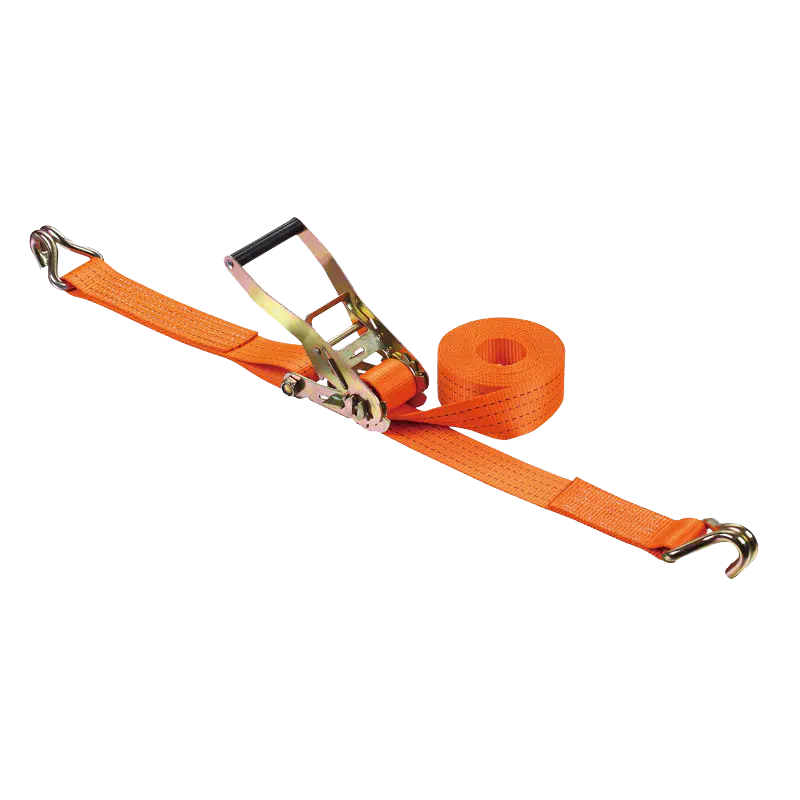
The ingenious ratchet buckle mechanism makes tightening and releasing the strap a breeze. Simply thread the strap through the buckle, pull the webbing...
See Details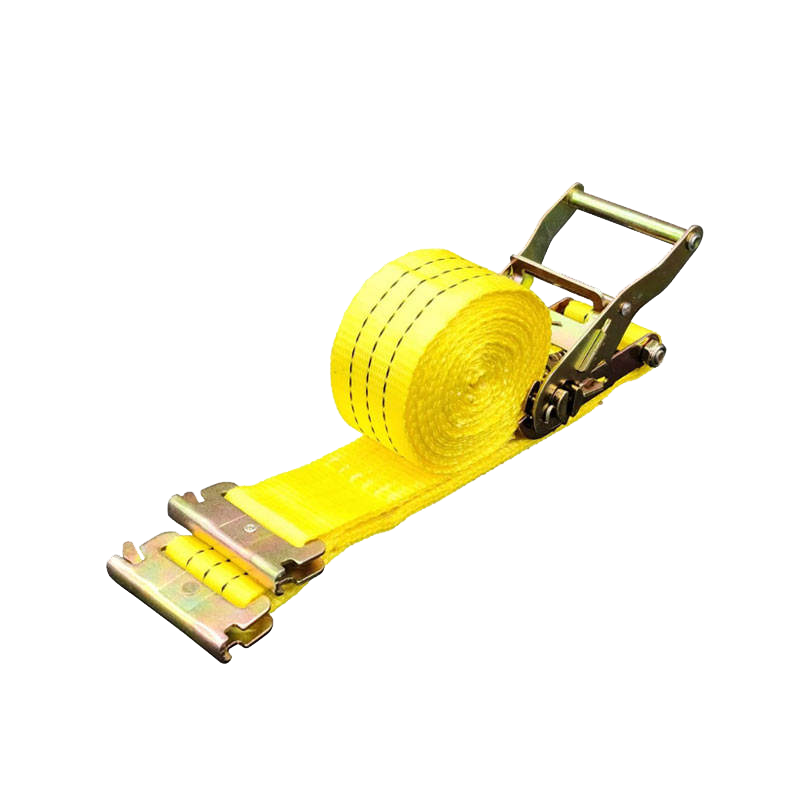
The 2" E Track ratcheting straps set is a true all-rounder, excelling in a diverse range of applications, making it an indispensable tool for any carg...
See Details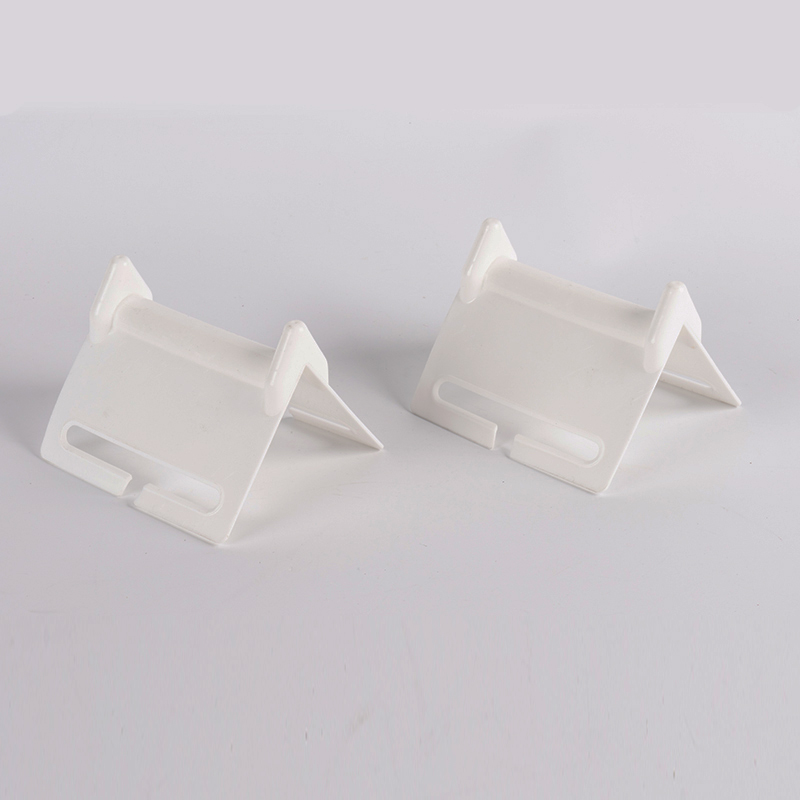
Made from high-quality plastic, our corner protectors protect against damage caused by straps and straps and are resistant to wear, tear and deformati...
See Details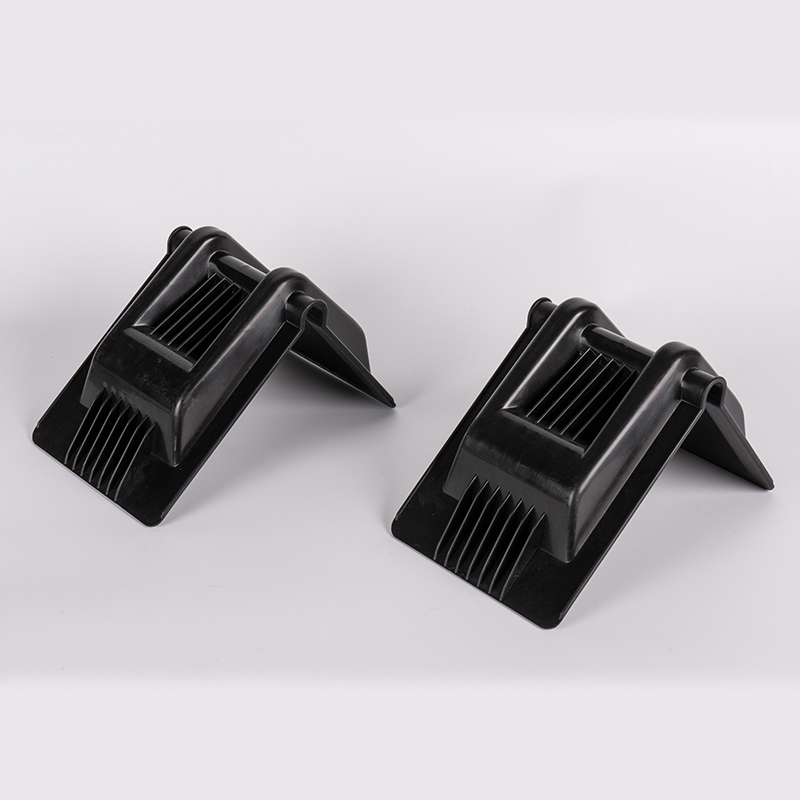
Protect your goods from damage during transportation! Our 6-inch Guard Cargo plastic corner guards are your choice to solve your problem. Made of stur...
See Details
Corner protector shields drywall, plywood sheeting, and much more from damage during loading and transport. High density polyethylene is flexible, so ...
See Details
To ensure the safety of goods during transportation, our 6-inch plastic corner protectors are included. Made of durable plastic material, it can effec...
See Details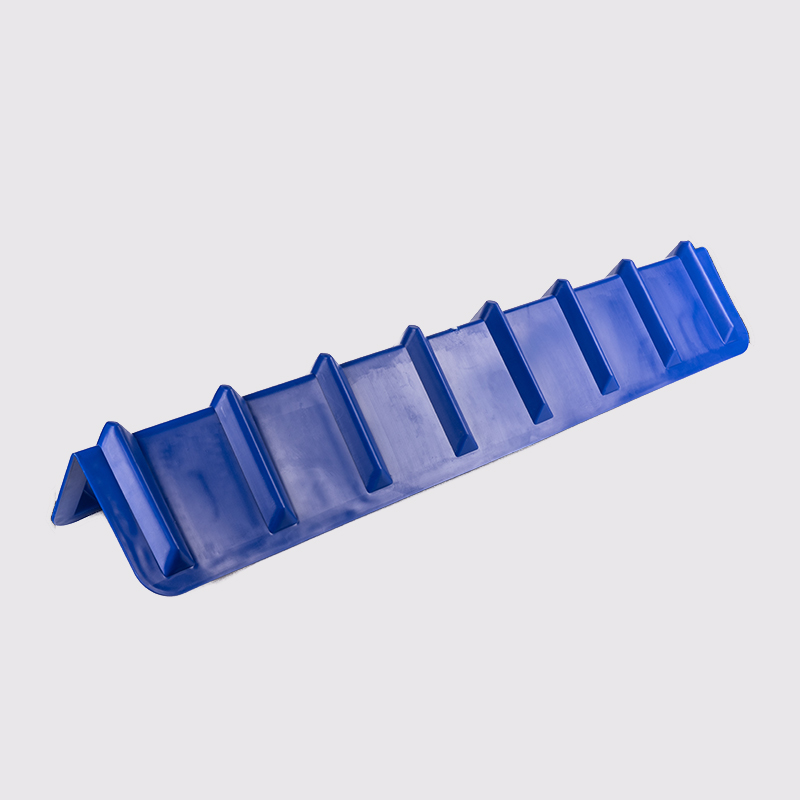
The 48-inch plastic corner guards offer strong resistance to impact and abrasion, protecting your cargo from potential damage in the shipping environm...
See Details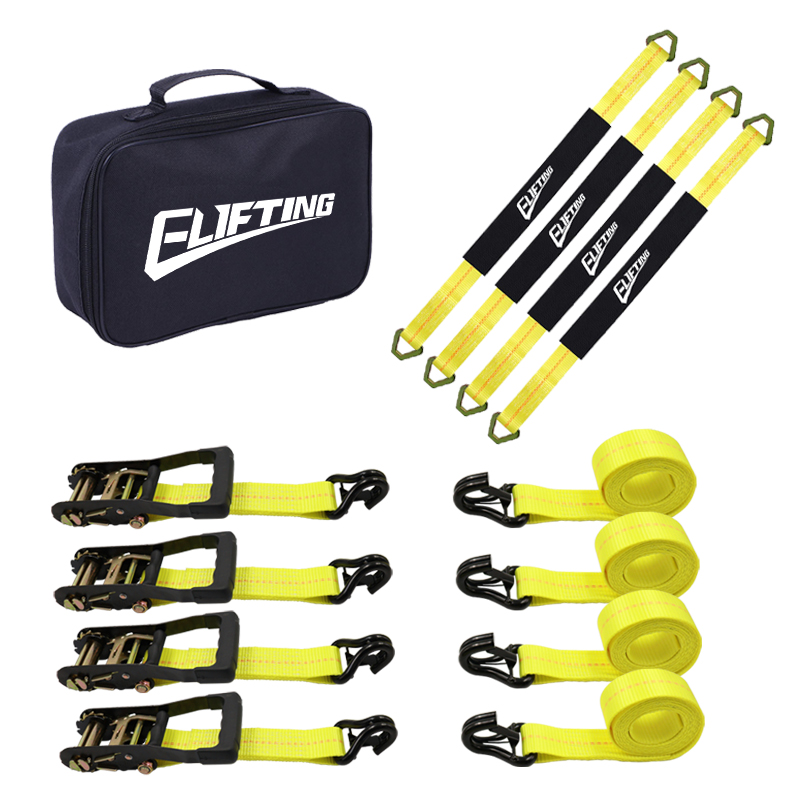
Tie Down Axle Straps Set is a set of high-strength straps designed for securing and stabilizing heavy loads during transportation. Made from durable p...
See Details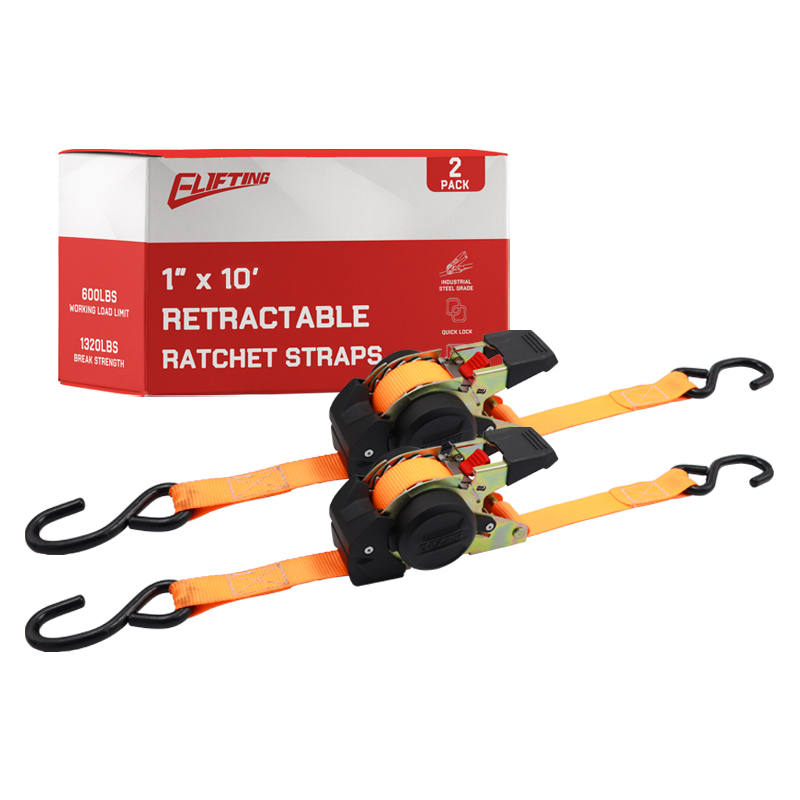
■ Instant automatic retractable strap - Easily retract excess strap length with the click of a button ■ Safety - With cushioning function, the strap ...
See Details
SAFER CONTROLLED RETRACTION - PREVENTS SNAP-BACK: Introducing our enhanced safety design! These retractable ratchet straps feature a built-in speed r...
See Details
Shangcheng Village, Tangxi Town, Ningbo, Zhejiang, China
+86 139 5782 7340
